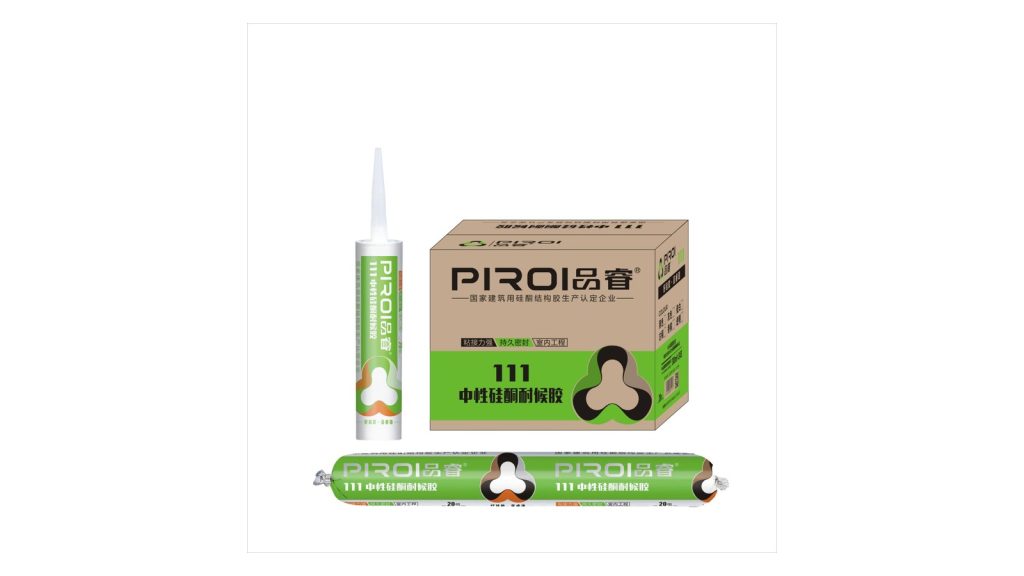
Silicone Sealant for Natural Stone and Marble: What to Pick
Natural stone and marble are the hardest substrates to seal well, and the cheapest grade to get wrong. A silicone sealant that works on glass or…
Read More →
Engineering guides on silicone sealant selection, application and testing.
Natural stone and marble are the hardest substrates to seal well, and the cheapest grade to get wrong. A silicone sealant that works on glass or…
Read More →
A silicone sealant sample is not a free tube; it is a test that decides whether a bulk order is safe to place. The sample has…
Read More →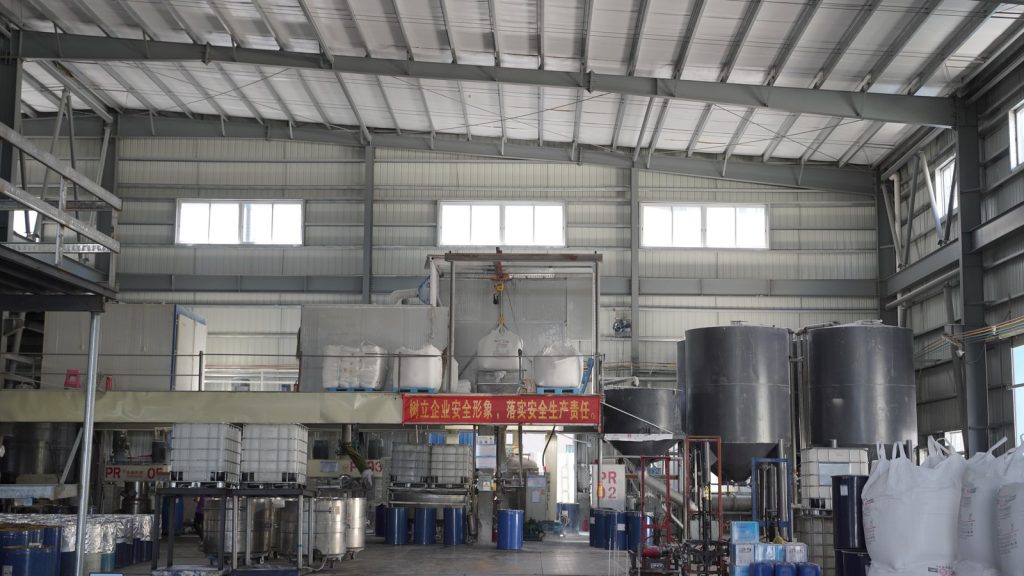
A silicone sealant certificate is read the same way a test report is: against the job, not the name on the wall. ISO, RoHS and REACH…
Read More →
A factory audit is the step between shortlisting a silicone sealant supplier and placing a production order. A test report tells you a grade exists; an…
Read More →
A third party inspection is the point where a buyer turns a test report into an order. The report proves a grade; the inspection proves that…
Read More →
The short answer is that a cured silicone sealant is water resistant, and whether it is waterproof depends on the joint and the grade. Once a…
Read More →
Silicone glue and silicone sealant are often the same chemistry in different packaging, and the name on the tube tells you more about the joint than…
Read More →
A silicone sealant on a coastal facade has to survive three things at once: salt in the air, direct UV and a wet-dry cycle that drives…
Read More →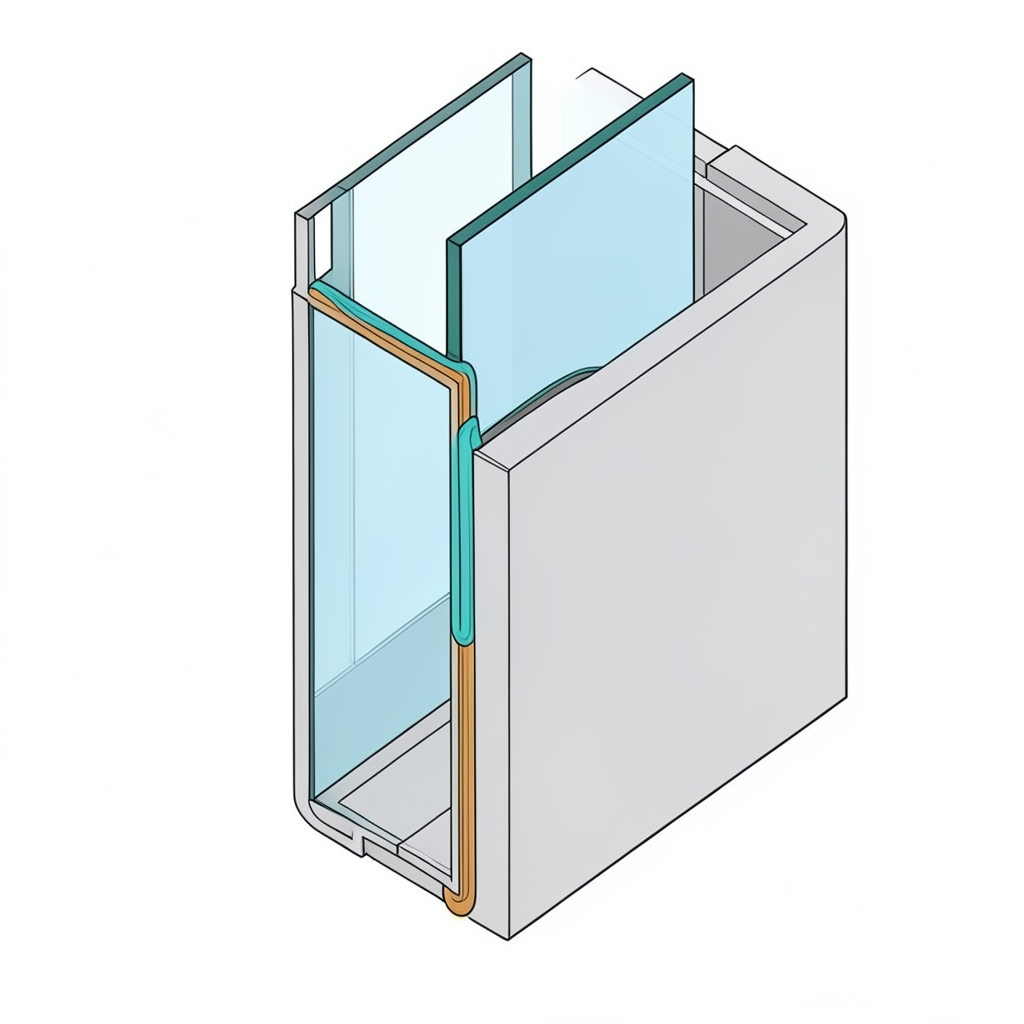
Dry glazing and wet glazing are two ways to hold glass in a facade, and the sealant plays a different role in each. Dry glazing holds…
Read More →
Silicone sealant does not bond reliably to its own cured surface, and that one fact changes how a joint has to be resealed. A new bead…
Read More →