
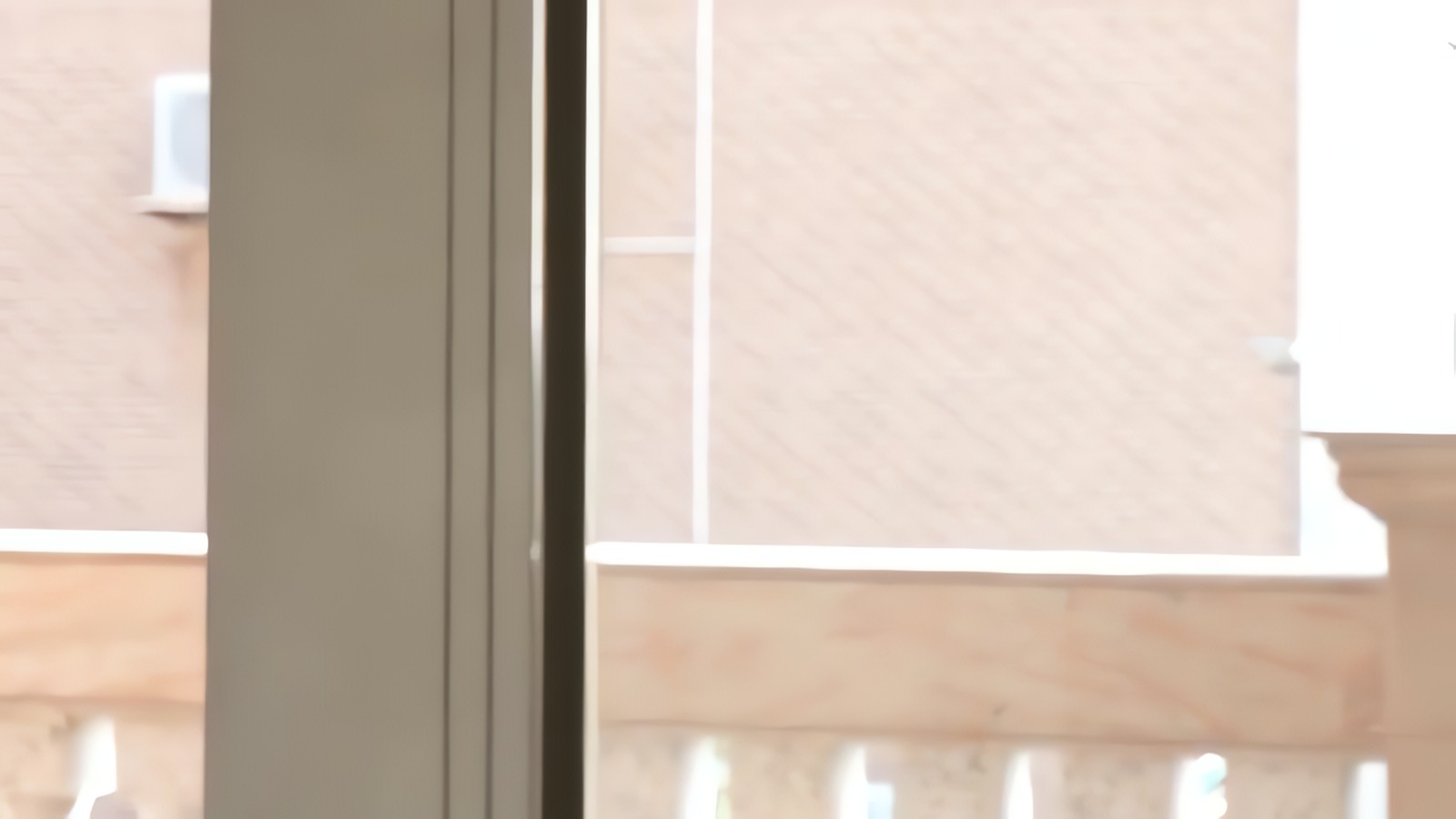
Silicone Sealant for PVC Window & Door Profiles
A PVC window frame moves roughly three times as far as an aluminium frame of the same length over the same temperature change, so the perimeter joint around a PVC opening has to absorb far more movement. The sealant also has to bond to a plasticised profile on one side and to the masonry reveal on the other, and stay flexible through years of daily expansion and contraction.
What Makes PVC Window Joints Different
PVC profiles change the joint calculation in four ways. A sealant specified for an aluminium opening will not automatically suit the same opening built in PVC.
- Higher Thermal Movement: PVC expands and contracts roughly three times as much as aluminium per degree of temperature change. A joint width that looks generous on an aluminium frame can be undersized the moment the same opening is built in PVC.
- Plasticiser in the Profile: PVC contains plasticiser, and a sealant that stays flexible on glass or aluminium can behave differently when it is in permanent contact with a plasticised frame. The grade has to be chosen for that contact, not inherited from the last aluminium job.
- Acid Cure Against Metal Reinforcement: Most PVC profiles carry a steel or aluminium reinforcement inside the chamber. Acetoxy grades release acetic acid while curing, which is the wrong chemistry anywhere near that reinforcement.
- Mixed Substrates in One Joint: The perimeter joint is usually PVC on one side and render, brick or concrete on the other. One sealant has to adhere to both faces without staining the masonry around the opening.
How PIROI Solves It
PIROI supplies neutral-cure weatherproof silicone formulated for frame joints, so the same product handles the PVC side and the masonry side of the opening, and absorbs the movement the frame generates.
- Neutral Cure Throughout: No acetic acid is released during cure, so the steel reinforcement inside a PVC profile is not exposed to acid. The same applies to aluminium, concrete and stone.
- 92% Elastic Recovery: PR-333 recovers 92% of its deformation, which is the property that keeps a moving PVC joint closed instead of opening a hairline crack after a few seasons.
- Weatherproof to GB/T 14683-2017: Tested to the Chinese building sealant standard for weatherproof glazing and frame joints, with 0 mm vertical and horizontal sag on side and overhead joints.
- Site Grade and Factory Grade: PR-333 for site installation, and PR-8800 which is tack-free in 0.8 hours for window and door fabrication lines where handling time sets throughput.
- Related technical guides: best silicone sealant for windows and doors frame material guide, how to apply silicone sealant window door, acrylic sealant vs silicone interior exterior — each covers the engineering behind the grade you are specifying.
PVC and aluminium frames move at different rates, so the joint width that worked on an aluminium opening is not automatically right for the same opening in PVC. Tell us the frame length, the temperature range on site and the substrates on both sides of the joint, and we will confirm the grade and the joint width instead of leaving it to the default.
PVC Window & Door Profiles — Critical Engineering Parameters
Weatherproof to GB/T 14683-2017
Tested to the Chinese building sealant standard for weatherproof glazing and frame joints.
Elastic Recovery
PR-333 recovers 92% of its deformation — the property that keeps a PVC frame joint closed over years of movement.
No Slump
0 mm vertical and horizontal sag, so side and overhead joints stay where they are applied.
Fast Cure Option
PR-8800 is tack-free in 0.8 hours, so a fabricated unit can be handled in the same shift.
Sealants for PVC Window & Door Profiles
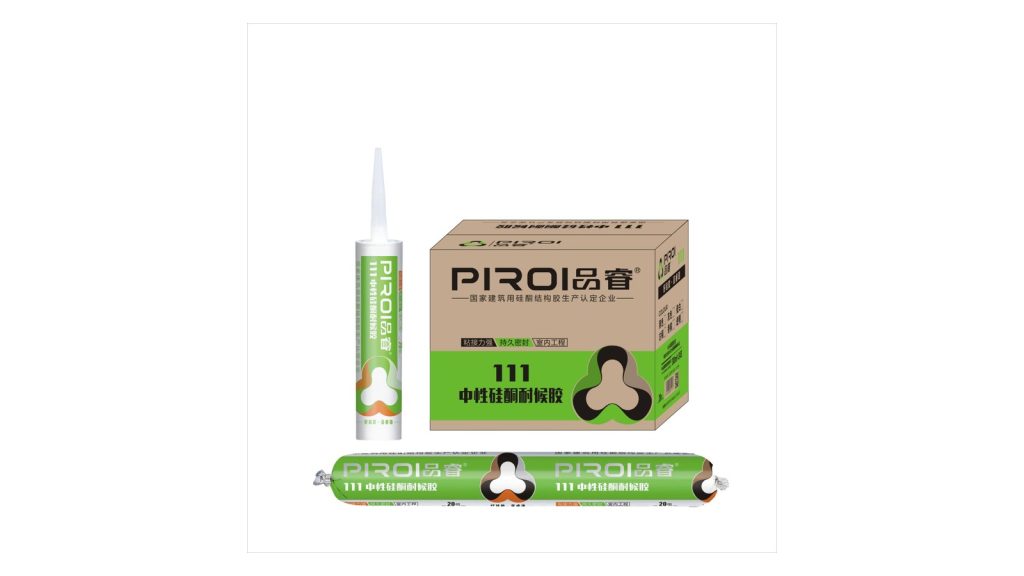 Weatherproof
Neutral Weatherproof Silicone Sealant
General-purpose neutral cure weatherproof sealant for exterior joints. Balanced performance with high extrusion rate for fast, labour-saving application.
View Details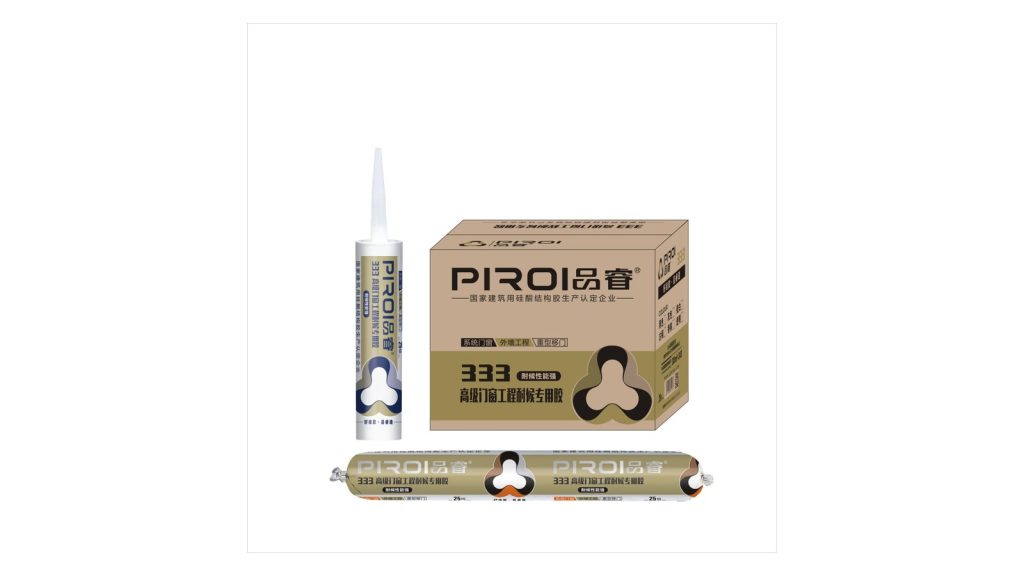 Weatherproof
 Window and Door Sealant
Weatherproof window and door sealant for frame fabrication — durable seal, excellent adhesion, long-term outdoor performance.
View Details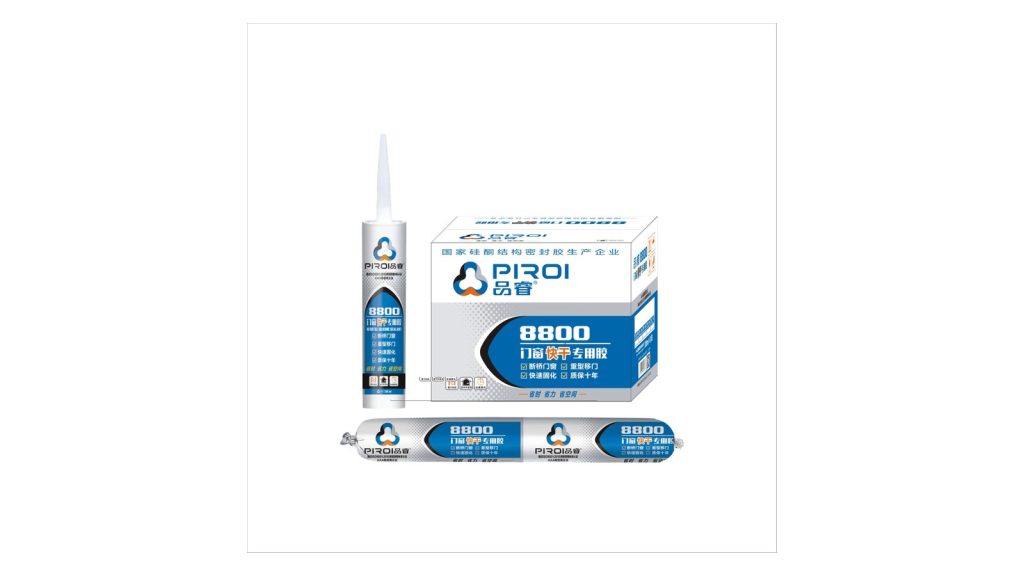 Fast Cure
 Door and Window Silicone Sealant
High-speed curing sealant engineered for door and window production lines. Tack-free in just 0.8 hours — units can be handled and packed the same shift.
View DetailsMOQ, Lead Time & Private Label
Installation Protocol for PVC Window & Door Profiles
Substrate Cleaning
Clean the PVC profile and the masonry reveal with the two-cloth method using isopropanol. Extruded PVC can carry a release agent, so wipe until the cloth comes away clean.
Joint Dimensioning
Size the joint from the frame length and the temperature range on site — a PVC frame needs a wider joint than aluminium for the same opening. Insert closed-cell backer rod at roughly 25% larger than the joint width so the sealant forms an hourglass section.
Masking
Mask both edges of the joint. Silicone is difficult to remove from a textured render face once it has cured.
Sealant Application
Apply with positive pressure so the sealant wets out both the PVC face and the masonry face, then tool immediately with a compatible tooling agent before the skin forms.
Cure and Handover
Let the sealant cure before the window is operated or cleaned. Check for three-sided adhesion and for voids along the bond line before sign-off.
FAQs — PVC Window & Door Profiles
Is silicone sealant suitable for PVC window frames?
Yes, provided it is a neutral-cure grade. PVC window profiles normally contain a steel or aluminium reinforcement, and acetoxy (acid-cure) silicone releases acetic acid while curing. Neutral-cure silicone releases no acid, so it is the safer choice against the reinforcement inside the profile.
Can I use the same sealant as on an aluminium frame?
The same product family can be used, but the joint width should be recalculated. PVC expands and contracts roughly three times as much as aluminium over the same temperature change, so the joint has to accommodate more movement for the same frame length.
Will the sealant stain the render around the window?
Our weatherproof grades are neutral cure and are used against concrete, mortar and stone without staining. On new render the surface should be fully cured and dry before sealing, and adhesion should be confirmed on the actual substrate used on the project.
What is the difference between the site grade and the factory grade?
PR-333 is the weatherproof grade for site installation, with 92% elastic recovery and 0 mm sag. PR-8800 is the fast-cure grade for fabrication lines — tack-free in 0.8 hours — so assembled units can be handled in the same shift.
What is the minimum order for a private-label cartridge?
OEM and private label start from 1,000 pcs per model, with mixed-model trial orders from 3,000 pcs total and stock items from 500 pcs. Lead time is typically 15–25 days after artwork and sample approval, and we can run a free adhesion and staining test on a sample of your own PVC profile.
Need pricing or a sample for PVC Window & Door Profiles?
Tell us your substrate, joint dimensions and target market. We will come back with pricing, sample arrangements and the technical data sheet.
- Free adhesion & staining test on your own substrate sample
- OEM & private label from 1,000 pcs
- Typical lead time 15–25 days