

Silicone Sealant for Container Conversions and Prefab Buildings
Container and modular construction uses two very different joint conditions: a controlled factory line where cure speed drives throughput, and a site assembly where the joint must seal immediately against weather. A single product rarely serves both well.
Two Different Problems in One Building
Modular construction moves the joint from the factory to the site, and the sealant requirement changes at the same time.
- Production Line Speed: In the factory, cure time is a throughput parameter. Slow-curing sealants force parts to sit on a rack instead of moving to the next station.
- Site Weather Exposure: On site, the joint may need to seal against rain within hours. A sealant that needs 24 hours of dry weather will delay the program.
- Transport Movement: Modules are lifted, transported and re-set. Joints sealed before transport must survive that movement without cracking or debonding.
How PIROI Solves It
Fast cure options for the factory line and weatherproof formulations for site assembly, with the movement capability to survive lifting and transport.
- Fast Cure Options: Rapid skin formation and early green strength so modules can move to the next station within minutes.
- Weatherproof Formulations: Resists rain and UV for site assembly, per GB/T 14683.
- Transport Resistant: Movement capability absorbs the flexing of lifting and road transport without cracking the joint.
- Related technical guides: sealing precast concrete panel joints, best practices for window and door construction sealant joint design depth ratio, silicone sealant joint failure modes repair — each covers the engineering behind the grade you are specifying.
Modular construction has two joint conditions with different requirements: factory joints where cure speed sets the line rate, and site joints that must seal against weather immediately. Tell us which stage each joint is at — using one product for both usually means compromising on one of them.
Container & Prefab Buildings — Critical Engineering Parameters
Fast Cure
Tack-free in minutes for production line throughput — modules move to the next station without a curing rack.
Weatherproof
Resists rain and UV for site assembly per GB/T 14683.
Transport Resistant
Absorbs flexing from lifting and road transport without cracking or debonding.
Metal & Panel Adhesion
Bonds to steel, aluminium, coated panels and the container's original painted surfaces.
Sealants for Container & Prefab Buildings
 Weatherproof
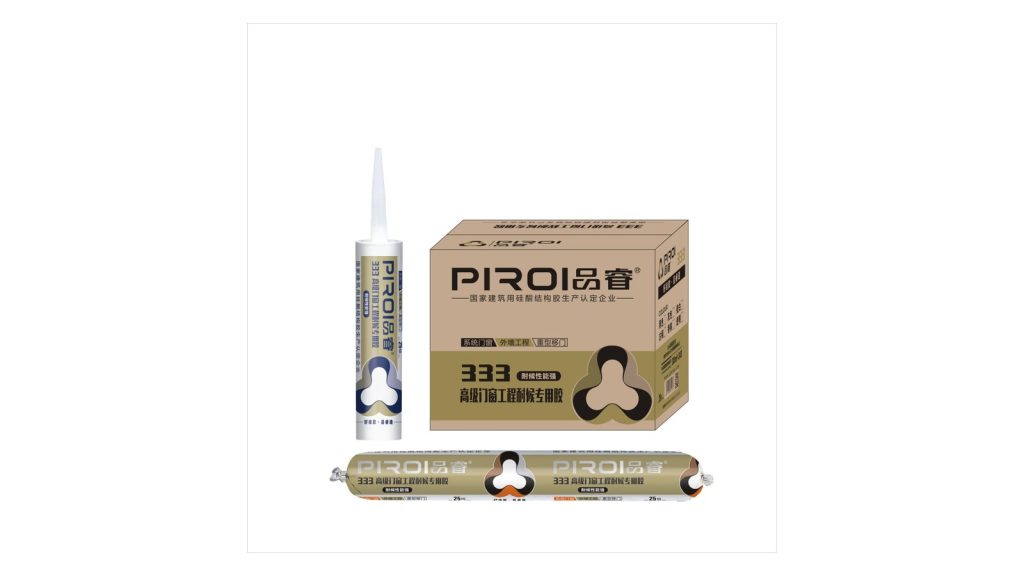
 Window and Door Sealant
Weatherproof window and door sealant for frame fabrication — durable seal, excellent adhesion, long-term outdoor performance.
View Details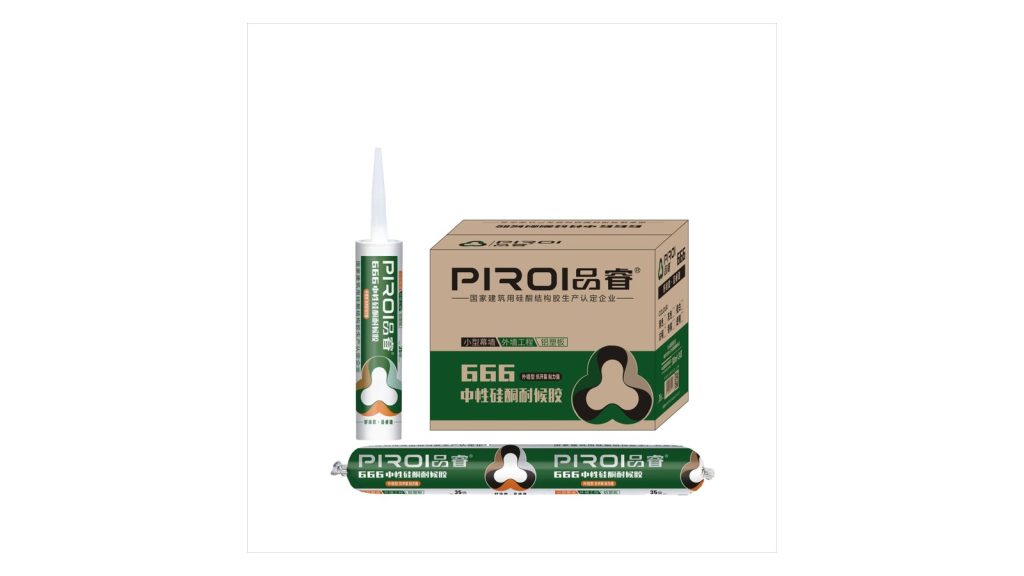 Weatherproof
Neutral Silicone Sealant — Weatherproof Grade
Neutral silicone sealant for interior and exterior joints — weatherproof, high strength, suitable for curtain wall and general sealing.
View DetailsMOQ, Lead Time & Private Label
Installation Protocol for Container & Prefab Buildings
Identify the Joint Stage
Decide whether the joint is sealed in the factory or on site — this determines whether a fast-cure or weatherproof product is appropriate.
Prepare the Steel or Panel Surface
Containers and modules arrive with protective coatings and handling oils. Degrease with isopropanol before sealing.
Seal Factory Joints
Apply fast-cure sealant on the line and allow the specified green-strength time before the module is moved.
Seal Site Joints
Apply weatherproof sealant to inter-module joints. Check the weather forecast — most sealants need a dry window to skin.
Inspect After Transport
Inspect factory-sealed joints after transport and before handover. Re-seal any joint that has opened.
FAQs — Container & Prefab Buildings
Can one sealant handle both the factory and the site?
It can, but it will be a compromise. Factory joints are driven by cure speed and line throughput; site joints are driven by weather resistance and movement capability. Telling us which stage matters more lets us pick the right one.
How fast does the fast cure product skin over?
Tack-free time is typically around 0.2 hours for our fast cure product, which is what allows modules to move to the next station without waiting. Exact times depend on temperature and humidity.
Will the joints survive transport?
They have to. Modules are lifted, transported and re-set, so joints sealed before transport need enough movement capability to flex through that without cracking. Class 25 products are used for those positions.
Does the sealant need a primer on steel?
Our panel and metal products are primerless, but the steel must be clean. Mill scale, rust and oil all prevent adhesion, and on a factory line it is easy to skip this step.
What should we check after transport?
Inspect the sealed joints for cracking or debonding before the module is finally set. A joint that has opened during transport is much cheaper to repair before the building is closed up.
Need pricing or a sample for Container & Prefab Buildings?
Tell us your substrate, joint dimensions and target market. We will come back with pricing, sample arrangements and the technical data sheet.
- Free adhesion & staining test on your own substrate sample
- OEM & private label from 1,000 pcs
- Typical lead time 15–25 days