
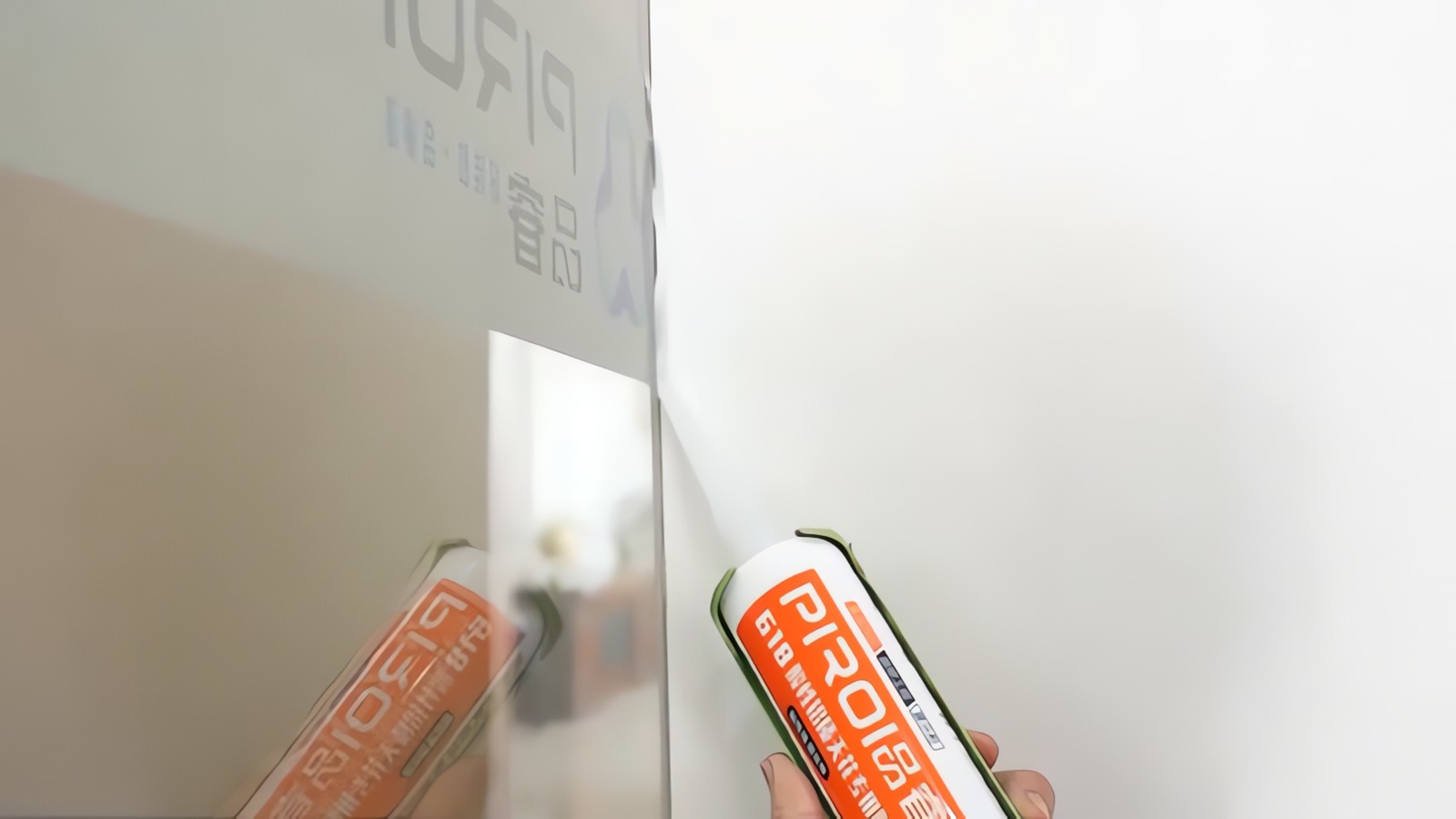
Mirror-Safe Silicone Sealant for Mirror Installation
Standard acetoxy silicone releases acetic acid while curing. On a mirror this attacks the copper and silver backing layers from the edge inward, producing the black "mirror rot" pattern seen in bathrooms after two or three years. Mirror installation requires a neutral cure product.
Why Mirrors Rot From the Edge
The failure is not in the glass — it is in the reflective backing, and it is caused by the sealant chemistry rather than by moisture alone.
- Acid Attack on Silver Backing: Acetoxy sealants release acetic acid during cure, which attacks the copper and silver layers from the mirror edge inward — the classic black-edge mirror rot.
- Moisture Wicking at the Edge: An incomplete or poorly bonded perimeter seal lets moisture wick into the backing layers, accelerating the same failure even with a neutral cure product.
- Thermal Cycling in Wet Rooms: Repeated hot shower and cold room cycles stress the bond line and open gaps at the perimeter if the sealant lacks movement capability.
How PIROI Solves It
Neutral cure, zero acid release, with the flexibility to stay bonded across the temperature cycling of a bathroom environment.
- Zero Acid Release: Neutral cure chemistry — no acetic acid vapor to attack copper and silver backing layers.
- Edge Protection: Forms a flexible, watertight perimeter seal that stops moisture wicking into the mirror backing.
- Invisible Bond Line: Non-staining formula keeps the bond line clean and does not bleed onto the reflective surface.
- Related technical guides: why standard silicone sealant destroys mirror backing and how to specify the right one, mirror silicone sealant manufacturer, acrylic sealant vs silicone interior exterior — each covers the engineering behind the grade you are specifying.
Mirror rot is caused by the sealant, not by moisture alone. Acetoxy silicone releases acetic acid while curing, which attacks the copper and silver backing layers from the mirror edge inward. For any mirror installation neutral cure is the only safe choice, and there is no way to repair rot once it has started.
Mirror Installation — Critical Engineering Parameters
Mirror-Safe Chemistry
Neutral cure with zero acid release — the reflective backing is not attacked during or after cure.
Moisture Barrier
Flexible perimeter seal stops moisture wicking into the backing layers at the mirror edge.
Non-Staining
Does not bleed or stain the reflective surface or surrounding wall finish.
Thermal Cycling
Stays bonded across repeated hot-shower / cool-room temperature cycles in wet areas.
Sealants for Mirror Installation
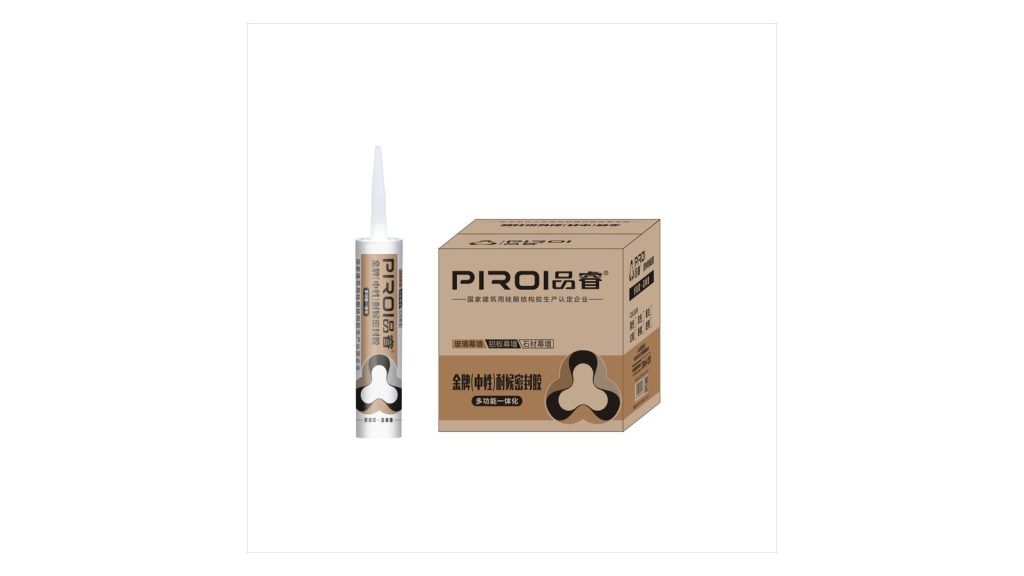 Specialty
Mirror Silicone Sealant
Specialized sealant for mirror installation. Non-corrosive to mirror backing, excellent adhesion, safe for bathroom mirrors and decorative glass.
View DetailsMOQ, Lead Time & Private Label
Installation Protocol for Mirror Installation
Confirm the Mirror Type
Copper-free and vinyl-backed mirrors have different edge sensitivity. Check the mirror supplier's installation guidance.
Clean the Backing Edge
The mirror edge must be clean and dry. Do not use acid-based cleaners on mirror edges.
Apply Perimeter Seal
Seal the full perimeter in a continuous bead. An incomplete perimeter seal is the main cause of edge rot even with the right sealant.
Avoid Excess Pressure
Do not over-compress the mirror against the wall — trapped moisture behind the mirror accelerates backing failure.
Cure and Ventilate
Allow adequate ventilation during cure so any vapor disperses rather than being trapped behind the mirror.
FAQs — Mirror Installation
What actually causes the black edge on a bathroom mirror?
Acid attack on the reflective backing. Acetoxy sealants release acetic acid while curing, and that attacks the copper and silver layers from the edge of the mirror inward. The glass itself is not the problem.
Can the mirror be repaired once rot has started?
No. Once the backing layers have been attacked, the mirror has to be replaced. That is why the sealant choice matters before installation rather than after.
Is neutral cure silicone enough on its own?
It prevents the acid attack, but the perimeter seal also has to be complete. An incomplete or poorly bonded seal lets moisture wick into the backing layers, which produces the same failure over a longer period.
Will the sealant bleed onto the mirror surface?
Our mirror product is non-staining and does not bleed onto the reflective surface, so the bond line stays clean. Avoid excess pressure when bedding the mirror, which can squeeze sealant out at the edge.
Should the sealant be applied before or after the mirror is fixed?
Apply the perimeter seal after the mirror is in position, so the joint can be tooled properly. Ventilate the room while it cures, even with a neutral cure product.
Need pricing or a sample for Mirror Installation?
Tell us your substrate, joint dimensions and target market. We will come back with pricing, sample arrangements and the technical data sheet.
- Free adhesion & staining test on your own substrate sample
- OEM & private label from 1,000 pcs
- Typical lead time 15–25 days