
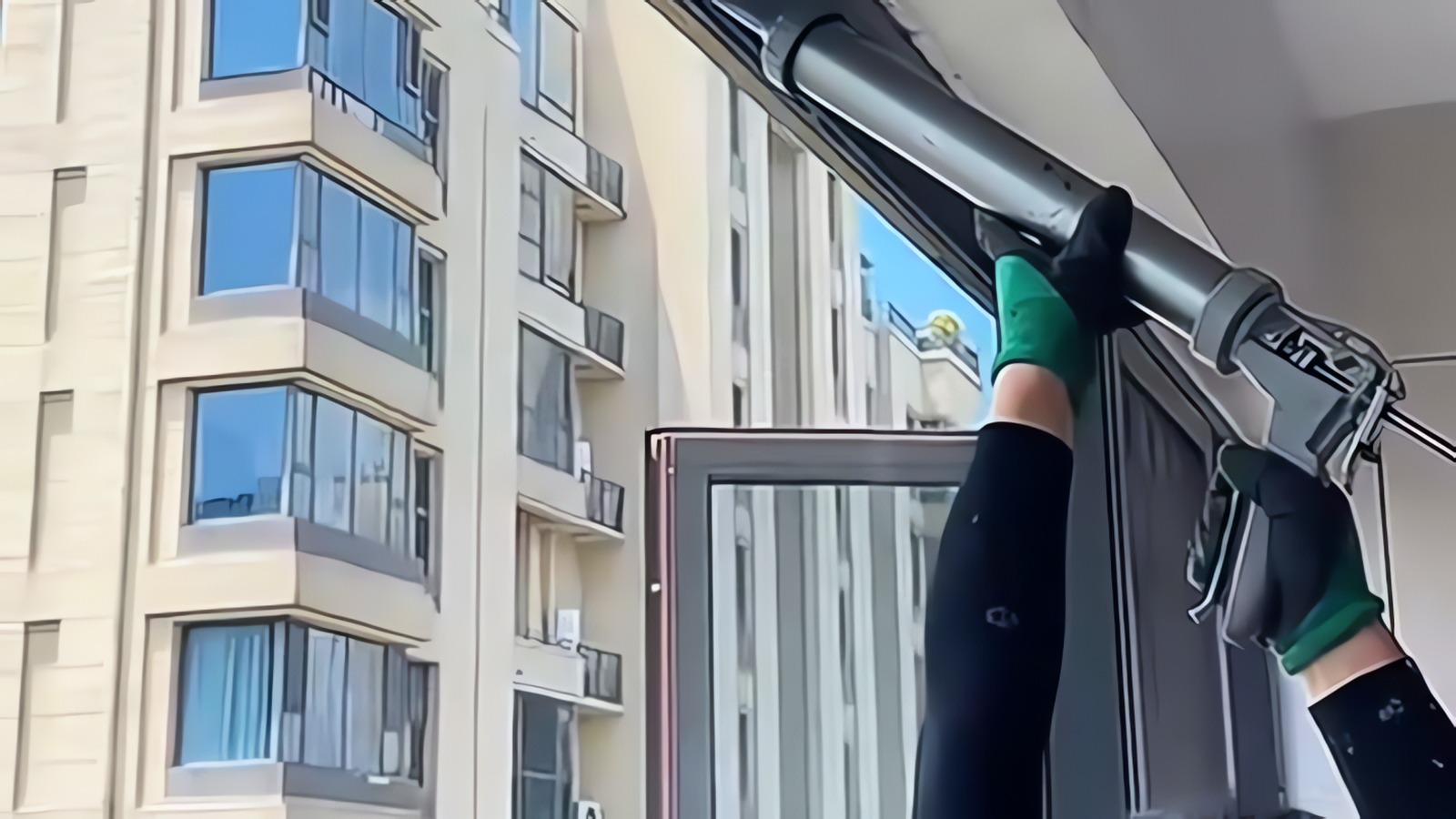
Silicone Sealant for Aluminium Composite Panel Cladding
Aluminium composite panel moves about two and a half times as much as glass over the same temperature swing, which makes ACP cladding joints some of the most movement-critical in any facade. The sealant also has to tolerate the cut panel edge, the PE, FR or A2 core, and the PVDF or polyester coating without staining or debonding.
What Makes ACP Cladding Difficult
ACP is a thin aluminium skin bonded to a plastic core and finished with a factory coating. That combination creates four specific problems that a general-purpose sealant will not handle.
- Coating Incompatibility: ACP faces are normally PVDF or polyester coated, not bare aluminium. A sealant that bonds perfectly to bare metal can still peel from a coated face, or bleed into the coating and leave a permanent dark halo. This is the single most common cause of ACP sealant failure.
- High Thermal Movement: Aluminium expands at roughly 23 × 10⁻⁶ /K — about 2.5 times the rate of glass. A 2 m panel over a 60 K swing moves over 2.7 mm, which the joint must absorb without stress transfer.
- Exposed Core Edge: The cut edge of an ACP panel exposes the PE or FR core. A sealant that does not wet out properly on that edge leaves a path for water ingress into the panel.
- Plasticizer Migration: Some low-cost sealants bleed plasticizer into the panel edge, producing a permanent dark halo that cannot be cleaned off.
How PIROI Solves It
Neutral cure chemistry with a non-migrating plasticizer system, tested on the actual panel coating rather than on bare aluminium, and manufactured to GB/T 14683-2017.
- Coating-Specific Testing: Send us an offcut of your panel and we run an adhesion and staining test on the real coating before you commit to a production batch.
- Non-Migrating Formulation: No plasticizer bleed, so the panel edge stays clean and no dark halo develops around the joint.
- Edge Wet-Out: Adhesion package tuned for the exposed core edge as well as the painted aluminium face, closing the water path at the panel perimeter.
- High Movement Capability: Class 50 (±50%) options absorb the full thermal movement of a 2–3 m ACP panel without exceeding the sealant capacity.
- Related technical guides: structural vs weatherseal silicone sealant, best practices for window and door construction sealant joint design depth ratio, chinese vs astm sealant standards test report — each covers the engineering behind the grade you are specifying.
Not every ACP face behaves the same way. PVDF, polyester, anodised and laminated finishes each react differently to the same sealant, and some need a primer. Always confirm adhesion on a sample of your actual panel batch — send us an offcut and we will run the test free of charge.
Aluminium Composite Panel (ACP) — Critical Engineering Parameters
Coating Compatible
Tested for adhesion and staining on PVDF and polyester coated ACP faces — not just on bare aluminium, which behaves completely differently.
High Thermal Movement
Engineered for aluminium's 23 × 10⁻⁶ /K expansion rate — roughly 2.5× that of glass over the same temperature swing.
No Plasticizer Bleed
Non-migrating plasticizer system prevents the dark staining halo that low-cost sealants leave on ACP panel edges.
Core Edge Compatibility
Adhesion verified on the exposed core edge as well as the coated face — for PE, FR and A2 mineral cores.
Sealants for Aluminium Composite Panel (ACP)
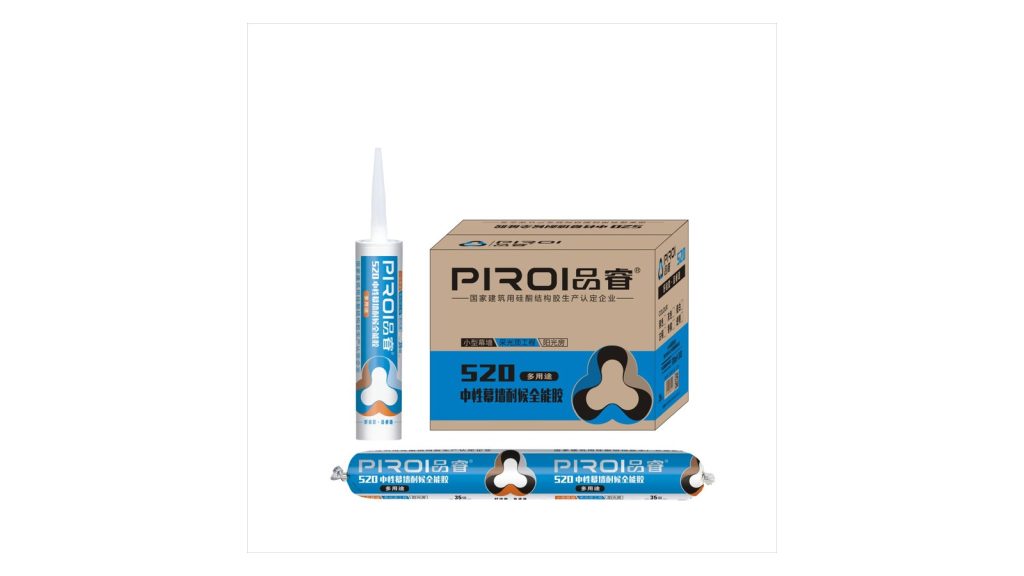 Curtain Wall
All-Round Neutral Curtain Wall Sealant
High-modulus all-round sealant for curtain wall and facade joints. The highest extrusion rate in our range — 543 mL/min for maximum on-site productivity.
View Details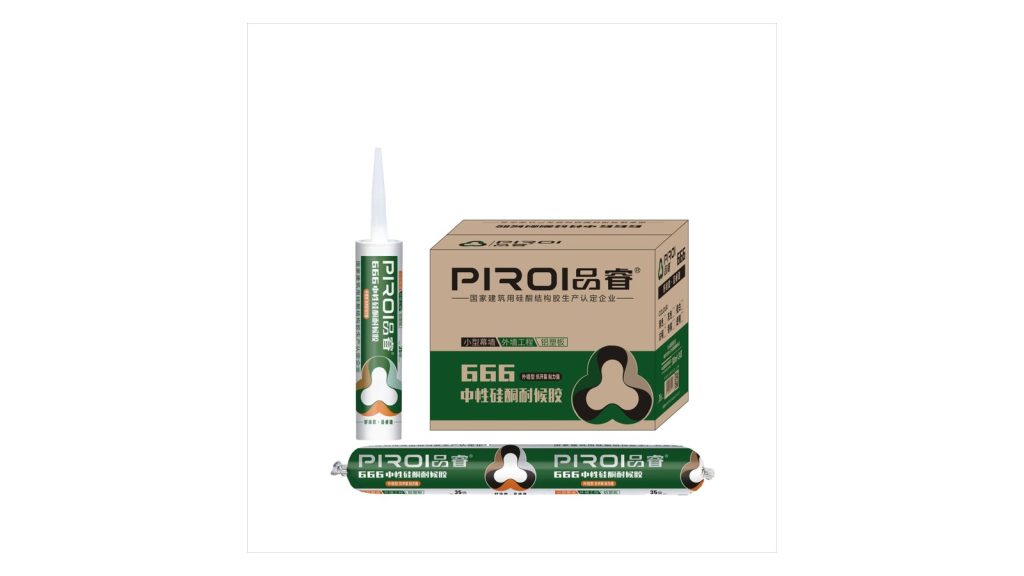 Weatherproof
Neutral Silicone Sealant — Weatherproof Grade
Neutral silicone sealant for interior and exterior joints — weatherproof, high strength, suitable for curtain wall and general sealing.
View Details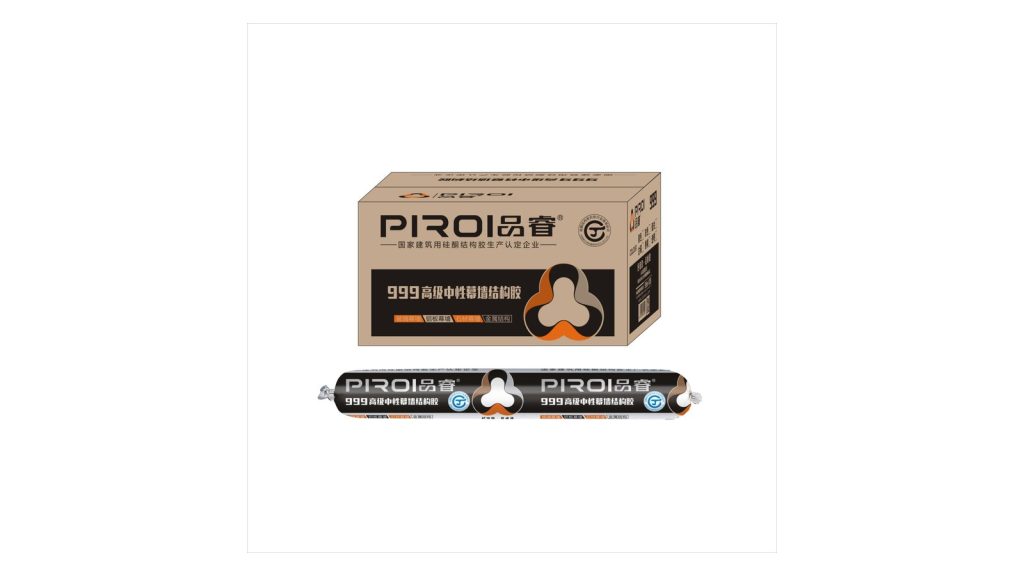 Premium
 Neutral Curtain Wall Weatherproof Sealant
Top-tier weatherproof sealant passing all three durability adhesion tests — maintained extension, after water immersion, and after cold-draw hot-compression cycling.
View Details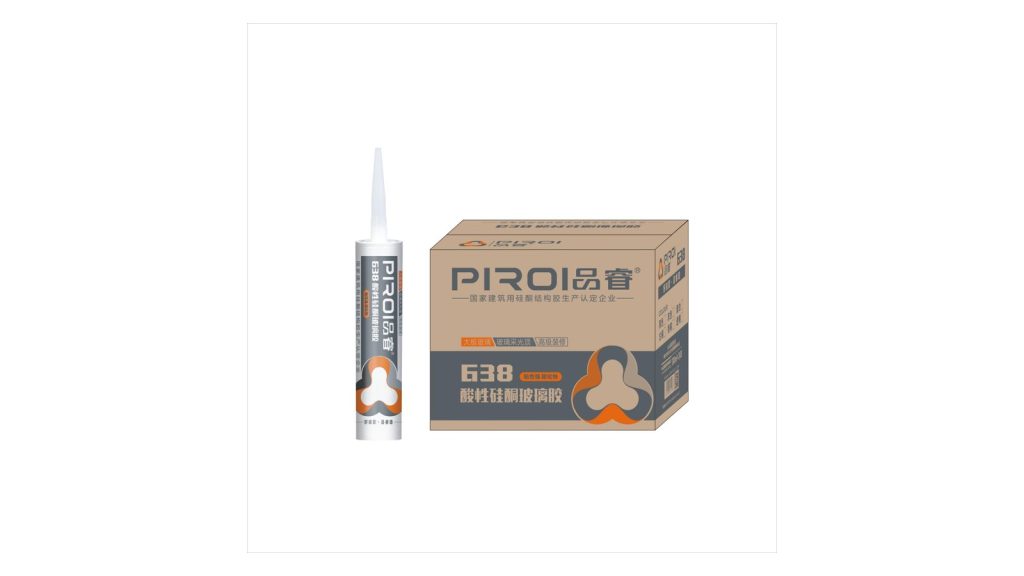 Premium
 Weatherproof Silicone Sealant
High-performance premium weatherproof sealant. Superior durability for demanding exterior applications, curtain wall perimeter and facade sealing.
View DetailsMOQ, Lead Time & Private Label
Installation Protocol for Aluminium Composite Panel (ACP)
Confirm the Panel & Test Adhesion
Check the coating type (PVDF, polyester or anodised) and the core grade (PE, FR or A2). Run a small bead on an offcut of the actual panel, let it cure, then peel it. Clean separation means the coating or surface prep is the weak point; tearing inside the sealant is the result you want.
Panel Edge Preparation
Confirm the cut edge is clean and dry, free of protective film adhesive and machining lubricant. Wipe with a compatible cleaner and a clean cloth — wiping contamination around is not cleaning. Some panel makers require a specific edge treatment; check their guide first.
Joint Width Calculation
Size the joint from the movement, not from habit. For a 2 m panel over a 60 K swing: ΔL = 23 × 10⁻⁶ × 2000 mm × 60 K = 2.76 mm. At Class 50 (±50%) the minimum joint width is 2.76 ÷ 0.50 = 5.5 mm. ACP needs wider joints than glass for the same panel size.
Backer Rod Installation
Insert closed-cell polyethylene backer rod sized approximately 25% larger than the joint width. It controls bead depth and prevents three-sided adhesion, which would stop the sealant flexing into the required hourglass shape.
Application & Cure
Apply in one continuous bead with positive pressure, then tool it firmly against both joint faces before skin forms. Allow full cure before pressure washing or heavy rain — a thick bead can stay soft inside for days in cool, dry weather.
FAQs — Aluminium Composite Panel (ACP)
Can silicone sealant be used on aluminium composite panels?
Yes. Neutral cure weatherproof silicone is the standard choice for exterior ACP joints because it handles UV and thermal movement without attacking the coating. Acid cure should be avoided on coated metal facades, and structural silicone is a separate category used only in engineered structural bonding systems.
Why does sealant peel off ACP after a few months?
The most common cause is a coating mismatch, not a bad batch of sealant. PVDF, polyester and anodised faces each need different preparation, and some need a primer. Contamination from protective film adhesive or handling oils is the second most common cause. A peel test on an offcut of the actual panel shows which one you are facing.
How wide should an ACP cladding joint be?
Size it from the movement, not from the last project. For a 2 m panel over a 60 K swing the thermal movement is about 2.76 mm, so a Class 50 (±50%) sealant needs a minimum joint width of about 5.5 mm. ACP moves roughly 2.5 times as much as glass for the same panel size, so joints generally need to be wider than an equivalent glazing joint.
Is PIROI sealant compatible with PE, FR and A2 core panels?
Yes. The sealant contacts the cut core edge as well as the coated aluminium face, and our neutral cure formulation is compatible with polyethylene, fire-retardant mineral-filled and A2 mineral cores. Which core grade you can use is governed by your local fire regulations — we supply the sealant, not the panel.
What is the MOQ and lead time for ACP sealant?
Standard OEM and private label MOQ is 1,000 pcs per model, with mixed-model trial orders from 3,000 pcs total and stock items from 500 pcs. Typical lead time is 15–25 days after artwork and sample approval. Free panel adhesion and staining tests are available before you order.
What sealant is safe for aluminum composite panel faces?
Neutral cure weatherproof silicone. On aluminum faces it handles UV and thermal movement without attacking the coating, whereas acid cure must be avoided on coated metal facades. The sealant also contacts the cut core edge, and our formulation is compatible with polyethylene, fire-retardant mineral-filled and A2 mineral cores. Send us your panel spec and we will confirm the grade.
Can the same sealant be used for aluminum frames and ACP panels?
Yes, a neutral cure weatherproof silicone works on both, because neither anodised nor powder-coated aluminium is attacked by the chemistry. What changes between the two jobs is joint design and movement class, not the chemistry — ACP moves roughly 2.5 times as much as glass for the same panel size, so joints generally need to be wider than an equivalent glazing joint.
Which sealant is specified for aluminum and concrete interfaces?
A neutral cure grade, because the two substrates pull in opposite directions chemically: concrete and mortar are alkaline, aluminium coatings are acid-sensitive. Our neutral cure weatherproof silicone contains no acid and no migrating plasticizer, so it is used on aluminum frames fixed to concrete plinths and masonry. We can run adhesion and staining tests on your own aluminum and concrete samples.
Need pricing or a sample for Aluminium Composite Panel (ACP)?
Tell us your substrate, joint dimensions and target market. We will come back with pricing, sample arrangements and the technical data sheet.
- Free adhesion & staining test on your own substrate sample
- OEM & private label from 1,000 pcs
- Typical lead time 15–25 days