
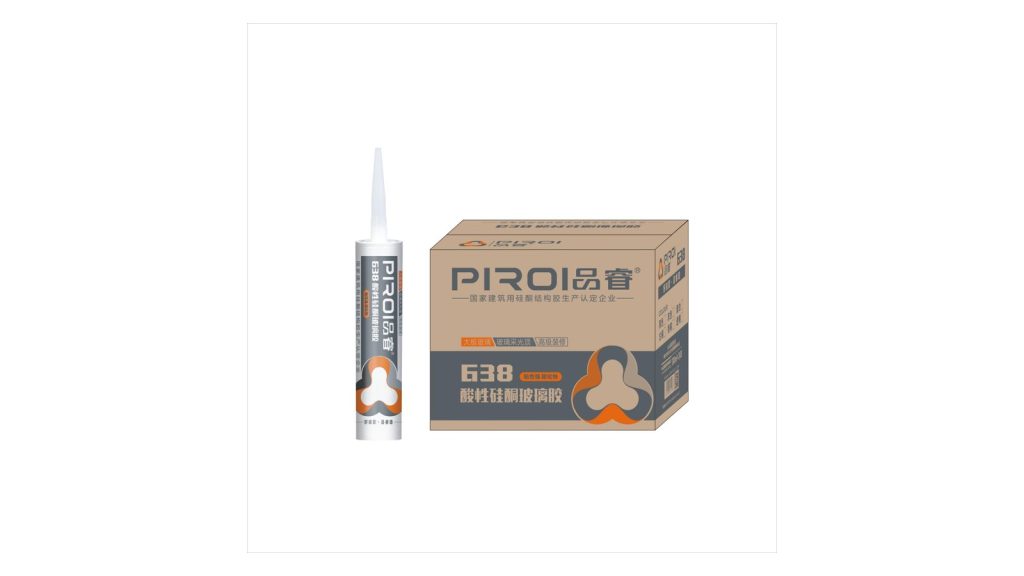
Premium Weatherproof Silicone Sealant
High-performance premium weatherproof sealant. Superior durability for demanding exterior applications, curtain wall perimeter and facade sealing.
| Product Standard | GB/T 14683-2017 |
|---|---|
| Cure System | Neutral Cure |
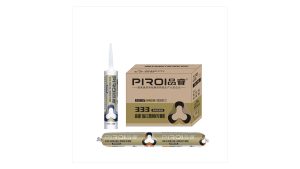
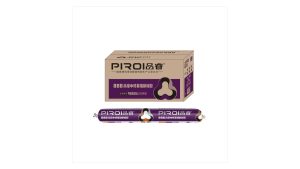
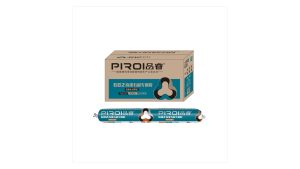
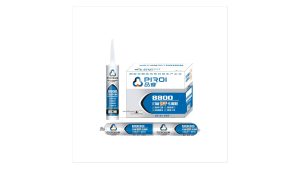
| Packaging | 300mL cartridge, 590mL sausage |
| Shelf Life | 12 months from production date |
| Transport | Non-hazardous goods |
| Storage | Dry, ventilated, cool place |
Technical Data
| Appearance | Smooth paste |
|---|---|
| Density | Available on request |
| Skin Time | Available on request |
| Tack Free Time | Available on request |
| Cure Depth (24h) | Available on request |
|---|---|
| Shore A Hardness | Available on request |
| Tensile Strength | Available on request |
| Elongation at Break | Available on request |
Typical values obtained under laboratory conditions (23°C / 50% RH) and not intended for specification purposes. Tested to GB/T 14683-2017. Download the full test report on request.
Product Characteristics
- Premium grade weatherproof performance
- Superior durability for demanding exterior use
- Excellent UV and weather aging resistance
- Outstanding movement capability for dynamic joints
- Non-corrosive, wide substrate compatibility
- Transport as non-hazardous goods
Applications
- Curtain wall perimeter weather sealing
- High-end facade and cladding sealing
- Exterior expansion joints
- Premium window and door systems
Limitations
- Not for structural bonding
- Not for oily or exuding surfaces
- Not for continuous immersion
- Apply at 4°C to 40°C
Where PR-638 Is Used
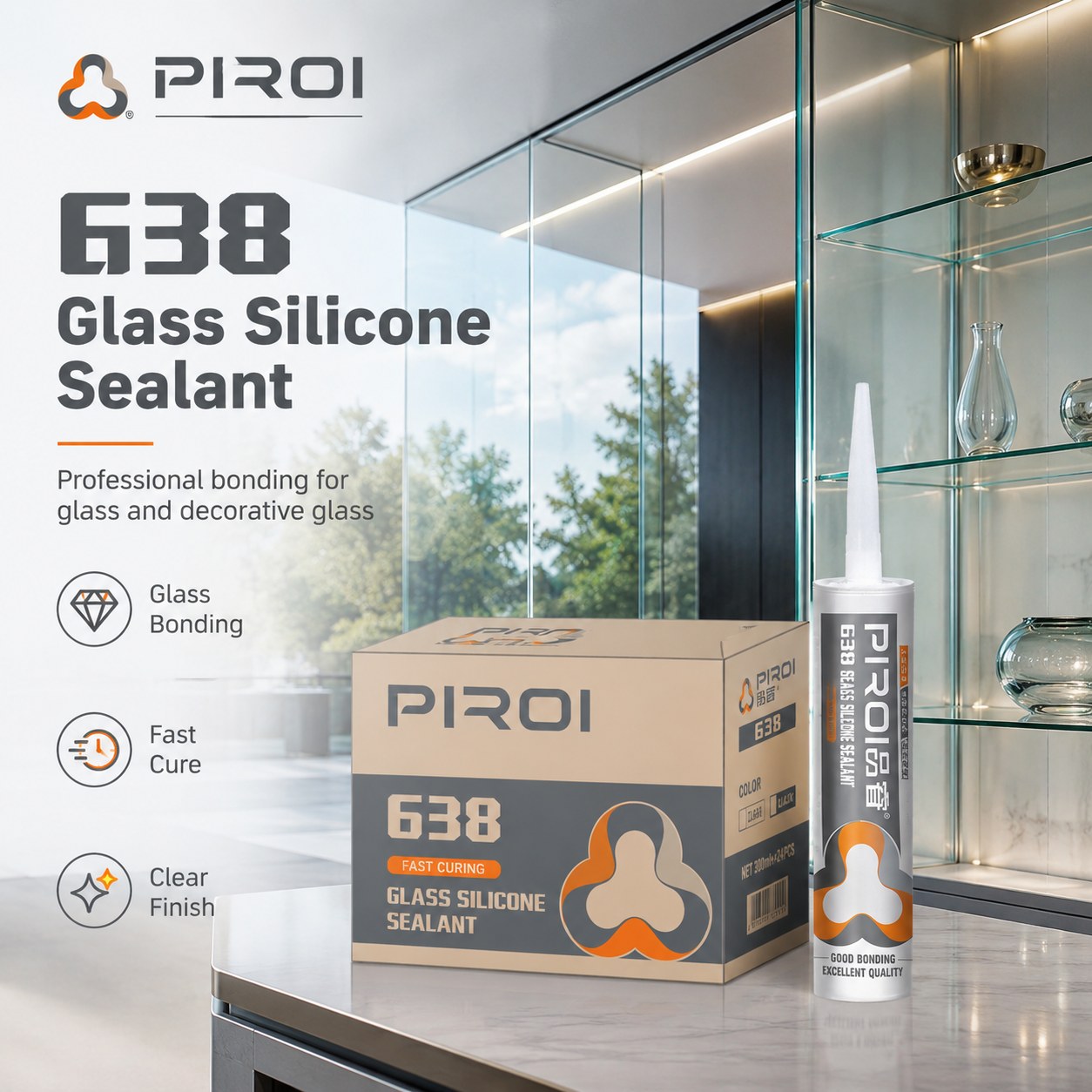
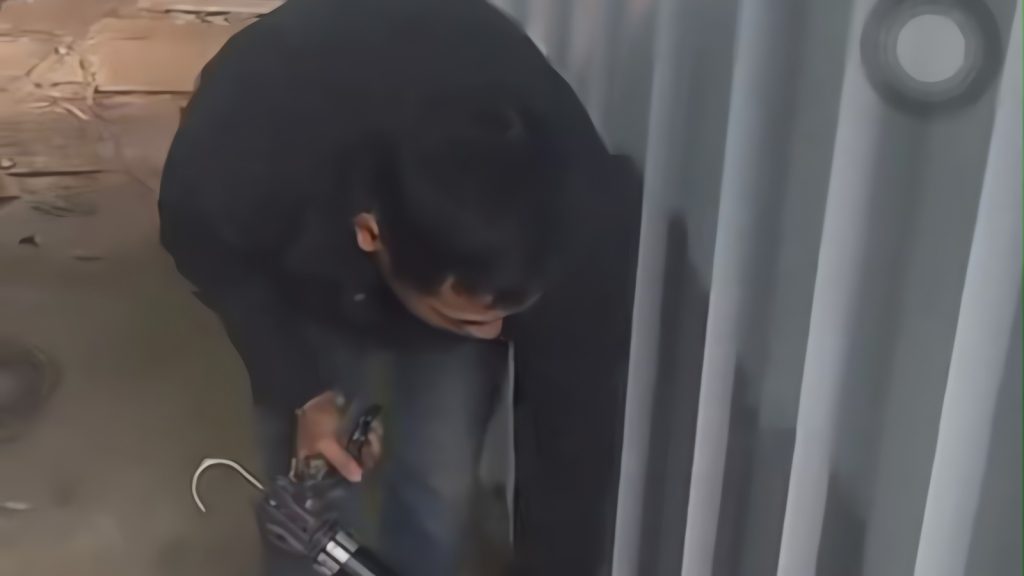
Roof Sealing & Metal Roof Seams
Weatherproof neutral-cure silicone sealant for metal roof seams, flashings, ridge and verge joints and roof-mounted solar — no slump on sloped joints.
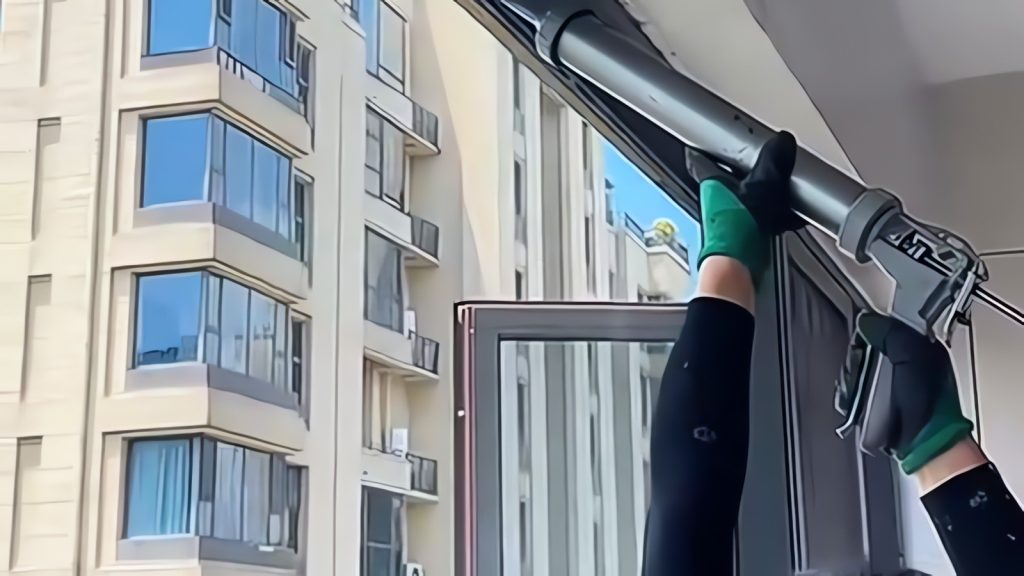
Aluminium Composite Panel (ACP)
Silicone sealant for aluminium composite panel cladding — bonds and seals ACP panels without attacking the PE or FR core.
MOQ, Lead Time & Private Label — PR-638
FAQs — PR-638
What is PR-638 used for?
Curtain wall perimeter weather sealing, high-end facade and cladding sealing, exterior expansion joints, and premium window and door systems.
What is the difference between PR-638 and PR-333?
PR-333 is specified for window and door fabrication and installation. PR-638 is the premium facade grade, aimed at demanding exterior applications such as curtain wall perimeters and cladding where durability requirements are higher.
What standard does PR-638 meet?
GB/T 14683-2017. This model does not currently have a published test report number — tell us what your project requires and we will confirm what documentation we can provide.
Can it be used for structural bonding?
No. It is a weatherseal product and should not be used where the sealant has to carry load. Use PR-999 for structural applications.
What is the MOQ and lead time?
Standard OEM and private label MOQ is 1,000 pcs per model, with mixed-model trial orders from 3,000 pcs total and stock items from 500 pcs. Typical lead time is 15–25 days after artwork and sample approval.
What makes a weatherproof silicone sealant different from a standard sealant?
A weatherproof silicone sealant is formulated to keep its elasticity through repeated UV, rain, heat and freeze-thaw cycles, so the joint does not crack or lose adhesion over the life of the building. PR-638 is the premium weatherproof grade in our range, aimed at exterior facades, cladding and expansion joints where a general purpose sealant would age too quickly.
Is weatherproof silicone sealant UV resistant?
Yes. Silicone is inherently UV stable and does not chalk or break down the way organic sealants do. PR-638 is formulated for exterior exposure and tested to GB/T 14683-2017. For joints that are permanently immersed, or exposed to fuels and solvents, tell us the service environment and we will confirm whether a different grade is required.
How long does an exterior silicone sealant last?
Service life depends on joint design, movement, substrate and UV exposure as much as on the sealant itself. A correctly sized joint using a premium exterior grade such as PR-638 will normally outlast a general purpose sealant by a wide margin. For project specifications we can supply the ageing and movement data you need for the submittal.
What makes a durable silicone sealant different from a general-purpose one on exterior work?
A durable silicone sealant is judged by what it does after years of movement, not by how it behaves on the day it is applied. Three properties decide exterior service life: elastic recovery after repeated movement, UV and freeze-thaw stability, and adhesion that survives thermal cycling and water. PR-638 is our premium weatherproof grade for demanding exterior work; PR-111 covers general exterior joints where movement and exposure are lower. Ask us for the movement capability in writing against your joint design.
Which outdoor silicone sealant should I specify — a premium grade or a general one?
Match the grade to the joint, not to the label. An outdoor silicone sealant on a facade or cladding joint sees larger movement and longer uninterrupted exposure than a window perimeter, so it takes the premium grade: PR-638. General exterior joints — window and door perimeters, standard construction joints — are covered by PR-111 at lower cost. Both are neutral cure, so neither attacks aluminium, concrete or coated glass.
Is a waterproof silicone sealant the same as a weatherproof one?
No, and the difference catches people out. A waterproof silicone sealant resists water passing through it, but "weatherproof" also covers UV stability, movement capability and adhesion after thermal cycling. PR-638 is weatherproof and is specified for exterior facades, cladding and expansion joints. If the joint ponds or is permanently wet, say so at enquiry stage: continuous immersion is outside the specification of every weatherproof grade we make.
Can a silicone sealant be waterproof and still flexible enough for a moving joint?
Yes — silicone is inherently water-repellent and stays elastic, which is why the same product does both jobs. A silicone sealant waterproof enough for a facade joint is also the one that has to recover after movement. The limit is continuous immersion: neither PR-638 nor PR-111 is specified for permanently submerged joints, and we will say so rather than let a weatherproof grade fail in a tank or pool.
Is construction waterproof sealant rated for joints that stay wet?
No. A construction waterproof sealant resists water penetration but is not designed for permanent immersion — that applies to PR-638 and PR-111 alike. For joints that pond, or for tanks and pools, tell us the service environment before we quote. Where a waterproof outdoor silicone sealant is genuinely required for standing water, we will tell you which product in the range applies and which does not.
Is weatherproof silicone caulk the same product as a weatherproof sealant?
Yes. Weatherproof silicone caulk and weatherproof silicone sealant are the same product under two trade words — "caulk" is the applicator's word, "sealant" the specification word. What matters is the performance class: PR-638 for premium exterior facades and cladding, PR-111 for general exterior joints. Both ship as 300 mL cartridges and 590 mL sausage packs.
Is PR-638 a UV resistant silicone sealant, and how is that verified?
Yes. Silicone is inherently UV stable and does not chalk or degrade the way organic sealants do, and PR-638 is formulated for permanent exterior exposure. PR-638 is qualified to GB/T 14683-2017. It does not currently carry a published test report number, so tell us what your submittal requires and we will confirm in writing what documentation we can provide.
What is the difference between a weather seal silicone sealant and a facade grade?
A weather seal silicone sealant is the general category; a facade grade is the higher-specification end of it. Facade work involves larger joints, more movement and longer exposure, so it takes the premium product — PR-638 with its wider movement capability — while a standard perimeter weather seal can use PR-111. If you are not sure which side of that line your joint falls on, send us the joint dimensions and expected movement.
How does a neutral weatherproof silicone sealant differ from an acetoxy one on exterior work?
A neutral weatherproof silicone sealant cures by releasing alcohol or oxime rather than acetic acid, so it does not attack metals, concrete or coated glass. On exterior work that is the deciding factor: acetic acid corrodes bare aluminium and can stain stone and mortar, which is why neutral cure is the default for facade and frame joints. PR-638 and PR-111 are both neutral cure.
Should I specify a weatherproof outdoor silicone sealant for high-movement joints?
Check the movement class rather than the name. A weatherproof outdoor silicone sealant with low movement capability will fail on a joint that opens and closes further than it can absorb. PR-638 is the grade for high-movement exterior work such as facades, cladding and expansion joints. Give us the calculated movement and the joint dimensions and we will confirm the fit in writing.
What is an exterior weatherproof silicone sealant used for on a commercial building?
It is the weatherseal for the building envelope — facade perimeters, cladding and panel joints, curtain wall perimeter sealing and exterior expansion joints. A building exterior sealant is not a structural adhesive: it keeps water out and absorbs movement, while fixings and framing carry the load. For a premium envelope specification use PR-638; for general exterior construction sealant work, PR-111 covers it at lower cost.
Need pricing or a sample of PR-638?
Tell us the order volume, target market and any labelling requirement. We will come back with pricing, samples and the technical data sheet.
- Free adhesion & staining test on your own substrate sample
- OEM & private label from 1,000 pcs
- Typical lead time 15–25 days