
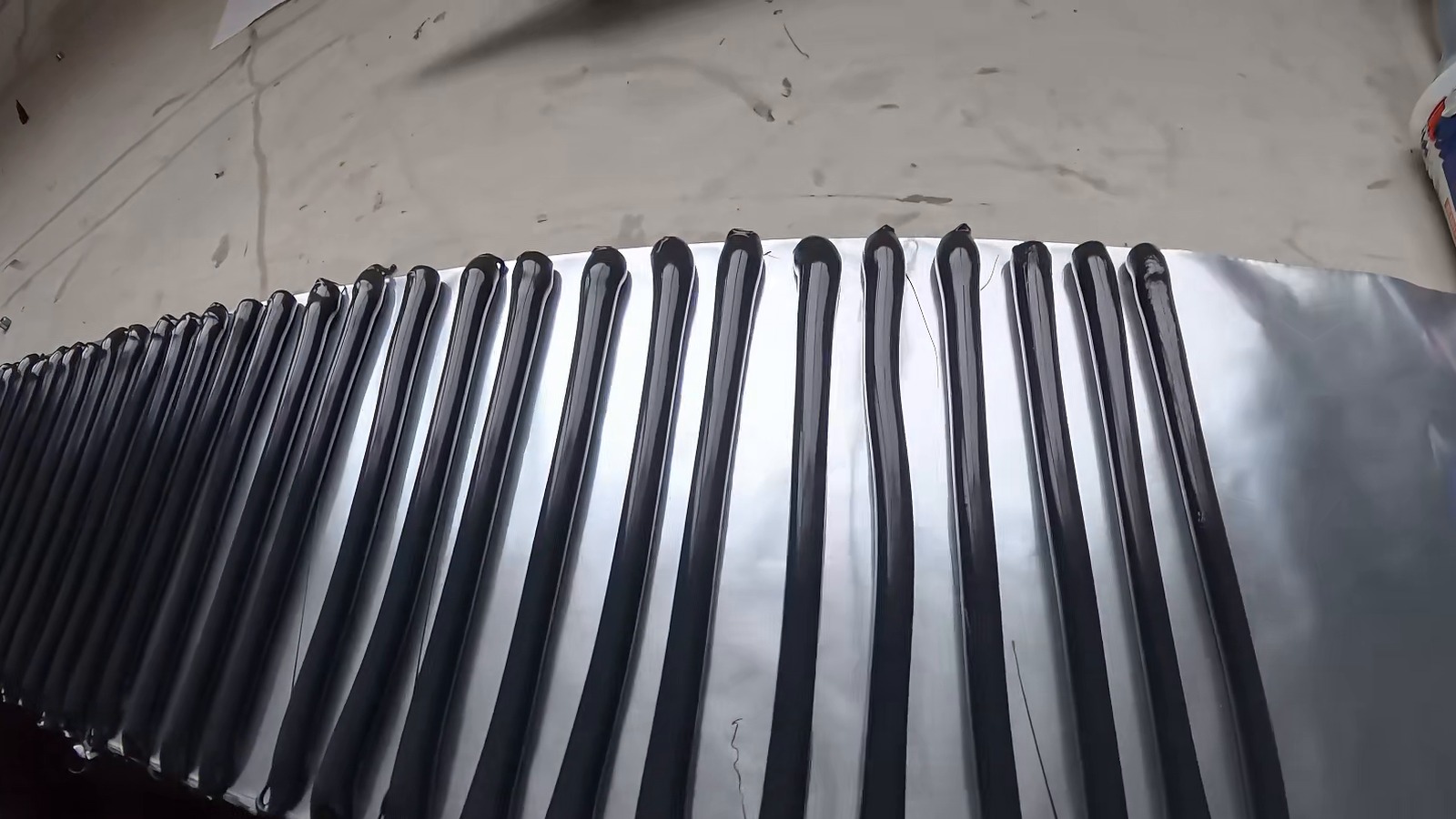
Silicone Sealant for Precast Concrete Panel Joints
Precast concrete panel joints combine large thermal movement with an alkaline substrate and irreversible moisture expansion. The sealant must be neutral cure — acid cure systems etch mortar and leave permanent staining — and must tolerate the panel's slow dimensional change over its service life.
Why Precast Joints Need a Different Sealant
Concrete is alkaline, porous and dimensionally unstable. Three factors rule out most general-purpose sealants in this position.
- Acid Attack on Alkaline Substrate: Acetoxy cure sealants release acetic acid, which reacts with the calcium compounds in concrete and mortar, causing surface etching and staining.
- Irreversible Moisture Expansion: Concrete continues to expand as it absorbs and releases moisture over years — movement that a sealant sized only for thermal expansion will not accommodate.
- Porous Substrate Adhesion: Concrete dust and surface laitance prevent reliable adhesion unless the substrate is properly prepared, and a sealant without the right adhesion package will debond at the edges.
How PIROI Solves It
Neutral alkoxy cure chemistry that releases no acid, with an adhesion package tuned for porous mineral substrates and the movement range to handle combined thermal and moisture expansion.
- Zero Acid Release: Neutral cure — no etching or staining of concrete, mortar or adjacent masonry.
- Moisture Expansion Allowance: Class 25 and Class 50 options sized for combined thermal plus irreversible moisture movement.
- Porous Substrate Adhesion: Formulation verified on concrete, mortar and masonry, including the cement laitance layer.
- Related technical guides: sealing precast concrete panel joints, best practices for window and door construction sealant joint design depth ratio, silicone sealant joint failure modes repair — each covers the engineering behind the grade you are specifying.
Acid cure sealants must never be used on concrete. The acetic acid released during cure reacts with the calcium compounds in concrete and mortar and leaves permanent etching and staining that cannot be removed. For precast panels, concrete or masonry, specify neutral cure only.
Precast Concrete Panels — Critical Engineering Parameters
Non-Corrosive to Concrete
Neutral cure chemistry — no acetic acid to etch mortar joints or stain the concrete surface.
Moisture Expansion
Movement capacity sized for combined thermal expansion and long-term irreversible moisture expansion.
Porous Substrate Bond
Adhesion package verified on concrete, mortar and masonry including cement laitance.
Weatherproofing
Resists rain, freeze-thaw cycling and UV without cracking or losing adhesion.
Sealants for Precast Concrete Panels
 Weatherproof
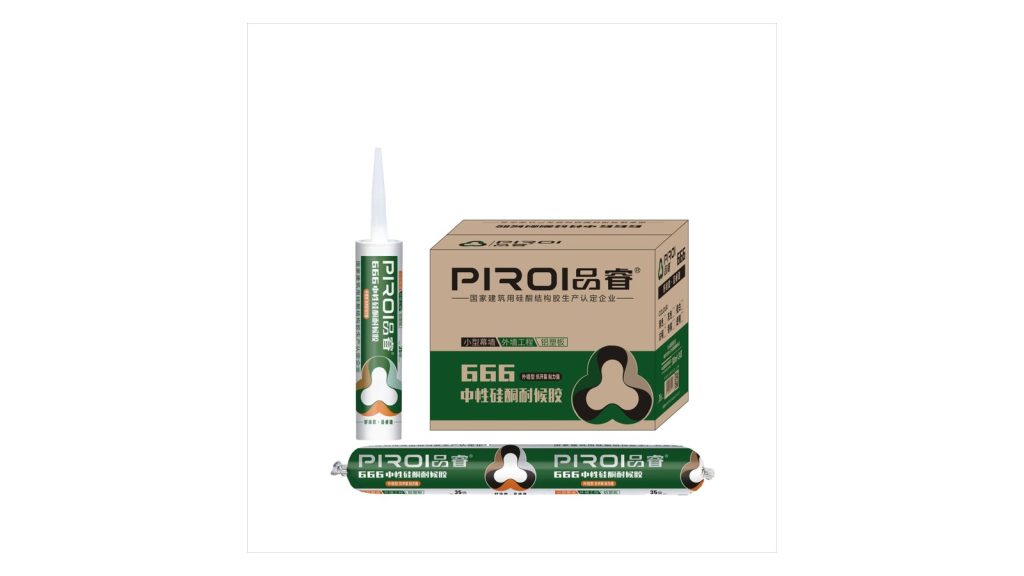
Neutral Silicone Sealant — Weatherproof Grade
Neutral silicone sealant for interior and exterior joints — weatherproof, high strength, suitable for curtain wall and general sealing.
View Details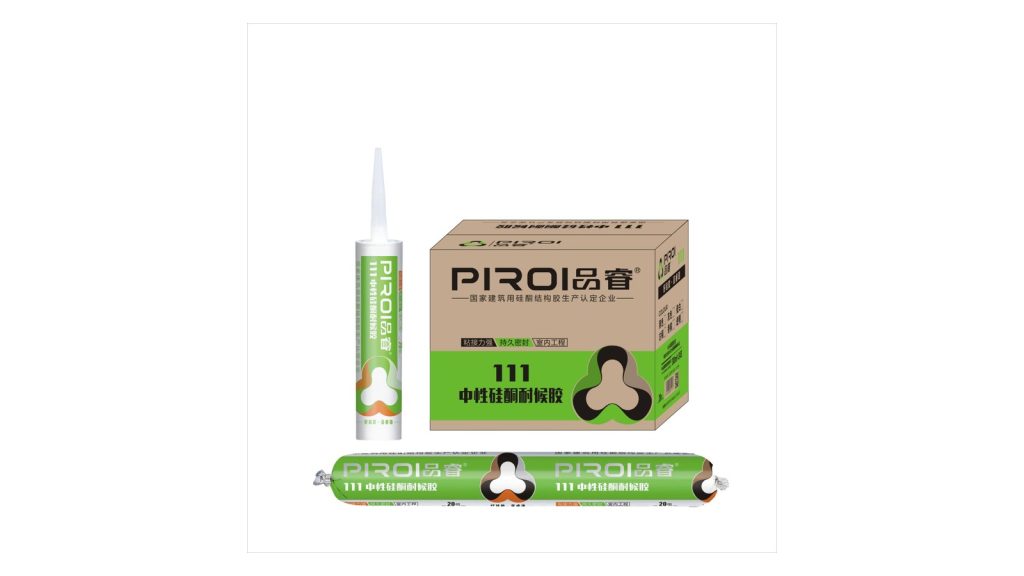 Weatherproof
Neutral Weatherproof Silicone Sealant
General-purpose neutral cure weatherproof sealant for exterior joints. Balanced performance with high extrusion rate for fast, labour-saving application.
View DetailsMOQ, Lead Time & Private Label
Installation Protocol for Precast Concrete Panels
Remove Laitance
Wire-brush or grind off cement laitance and loose aggregate. Concrete dust left in the joint is the most common cause of adhesion failure.
Check Moisture Content
New precast panels should be allowed to dry before sealing. Excess surface moisture can affect cure and adhesion.
Size the Joint
Allow for thermal movement plus an allowance for irreversible moisture expansion — do not size on thermal alone.
Insert Backer Rod
Closed-cell polyethylene backer rod at approximately 25% larger than joint width, set to the correct depth.
Seal and Tool
Apply with positive pressure, tool immediately, and protect from rain until skin forms.
FAQs — Precast Concrete Panels
Why can we not use a standard acetoxy sealant on concrete?
Acetoxy sealants release acetic acid while curing. Concrete and mortar are alkaline, so the acid reacts with the calcium compounds in the substrate and leaves etching and staining around the joint that cannot be cleaned off.
How do we size a joint for a precast panel?
Combine thermal movement with the irreversible moisture expansion that concrete continues to show over its service life. Sizing on thermal movement alone is the usual reason a precast joint tears within a few years.
Does the substrate need a primer?
Our concrete-compatible products are primerless, but the surface still has to be prepared. Concrete dust and the weak cement laitance layer must be removed — otherwise the sealant bonds to the laitance instead of the panel.
What about moisture in the joint when we seal it?
Check the substrate moisture content before sealing. Trapped moisture has to escape somewhere, and in a sealed joint it usually means the sealant blisters or loses adhesion.
Will the sealant stain the concrete face?
Neutral cure products release no acid and contain no migrating plasticizer, so there is no staining on concrete, mortar or adjacent masonry. We can run a stain test on your own sample before you commit.
How do I choose a building joint sealant for precast panels?
Size it from movement, not from the precast panel size alone: combine thermal movement with the irreversible moisture expansion concrete keeps showing over its service life. Then pick the movement class — our building joint sealants come as Class 25 and Class 50. Neutral cure is required on concrete and adjacent masonry to avoid acid staining. Send us panel length and site temperature range and we will work it out with you.
How wide should a silicone sealant joint be on concrete?
A silicone sealant joint on precast concrete must absorb thermal movement plus long-term moisture expansion, and the substrate is alkaline so it must be neutral cure. Width comes from the calculated movement divided by the movement capability of the grade you choose. Our primerless concrete-compatible products still need the cement laitance layer removed. Tell us the panel length and swing and we will give you the minimum width.
What construction joint sealant works on concrete and masonry together?
A neutral cure construction joint sealant. It releases no acid, so it will not stain concrete, mortar or adjacent masonry, and it contains no migrating plasticizer. Our concrete-compatible grades are primerless once the surface is properly prepared. We can run a stain and adhesion test on your own panel and brick samples before you commit.
Is your sealant suitable for masonry joints?
Yes, in a neutral cure grade. Masonry is alkaline, so an acetoxy product releases acetic acid that reacts with the calcium compounds in the substrate and leaves permanent staining. Our neutral cure products contain no acid and no migrating plasticizer, which is why they are used on concrete, mortar and brickwork. We can stain-test your actual brick before you order.
How do I size a construction expansion joint sealant?
For precast, add thermal movement to the irreversible moisture expansion the concrete keeps showing over its service life — sizing on thermal alone is the usual reason a joint tears within a few years. Then divide by the movement capability of the grade: Class 25 or Class 50. Also check substrate moisture before sealing, because trapped moisture will blister the bead or break adhesion.
Which PIROI product is best for concrete joints?
A neutral cure, primerless concrete-compatible grade. Concrete dust and the weak cement laitance layer must be removed first, or the sealant bonds to the laitance instead of the panel. Our Class 25 and Class 50 options cover the movement range on precast panels. Tell us the joint width, panel length and site temperature range and we will confirm the grade.
Need pricing or a sample for Precast Concrete Panels?
Tell us your substrate, joint dimensions and target market. We will come back with pricing, sample arrangements and the technical data sheet.
- Free adhesion & staining test on your own substrate sample
- OEM & private label from 1,000 pcs
- Typical lead time 15–25 days