
Silicone Sealant for Glass and Insulating Glass Units
An insulating glass unit has two seals: a primary butyl or polysulfide seal that keeps moisture out of the cavity, and a secondary seal that holds the unit together structurally. The secondary seal has to be chemically compatible with the primary seal and must not fog the glass or attack the spacer.
The Compatibility Problem in IGU Secondary Sealing
Most IGU failures are not caused by a weak sealant — they are caused by the wrong sealant chemistry reacting with the primary seal or the spacer system.
- Primary Seal Incompatibility: Some silicone chemistries attack polysulfide primary seals, softening them and allowing moisture into the cavity — which shows up as permanent interior fogging.
- Volatile Fogging: Sealants with high volatile content can deposit a film on the inside of the glass during cure, producing haze that cannot be cleaned because the cavity is sealed.
- Thermal Stress on the Spacer: The secondary seal must flex with the glass without transferring stress into the spacer, or the unit will lose its gas fill over time.
How PIROI Solves It
Neutral cure, low-volatile formulations verified for compatibility with common primary seal systems, with the elongation needed to protect the spacer under thermal cycling.
- Verified Compatibility: Tested against polysulfide and butyl primary seals. We will confirm compatibility against your specific primary seal on request.
- Low Volatile Content: No fogging of the sealed cavity during or after cure.
- High Elongation: Absorbs glass movement without transferring stress into the spacer, protecting the gas fill over the unit's service life.
- Related technical guides: glass and glazing sealant how to choose, why standard silicone sealant destroys mirror backing and how to specify the right one, glass and glazing sealant supplier china — each covers the engineering behind the grade you are specifying.
IGU secondary sealing is a compatibility decision before it is an adhesion decision. The secondary seal sits against the primary seal and the spacer, so it has to be checked against the chemistry actually used in your unit — a product that works on one spacer system can fail on another. Send us your primary seal and spacer type and we will confirm compatibility before you specify.
Insulating Glass Unit (IGU) — Critical Engineering Parameters
Primary Seal Compatibility
Verified compatible with polysulfide and butyl primary seal systems. Confirm against your specific system before specification.
No Fogging
Low volatile content — no film deposition on the interior glass surface during cure.
Spacer Protection
High elongation absorbs glass movement without stressing the spacer, preserving the argon or krypton gas fill.
Structural Integrity
Holds the unit together under wind load and thermal cycling for the full IGU service life.
Sealants for Insulating Glass Unit (IGU)
 Structural
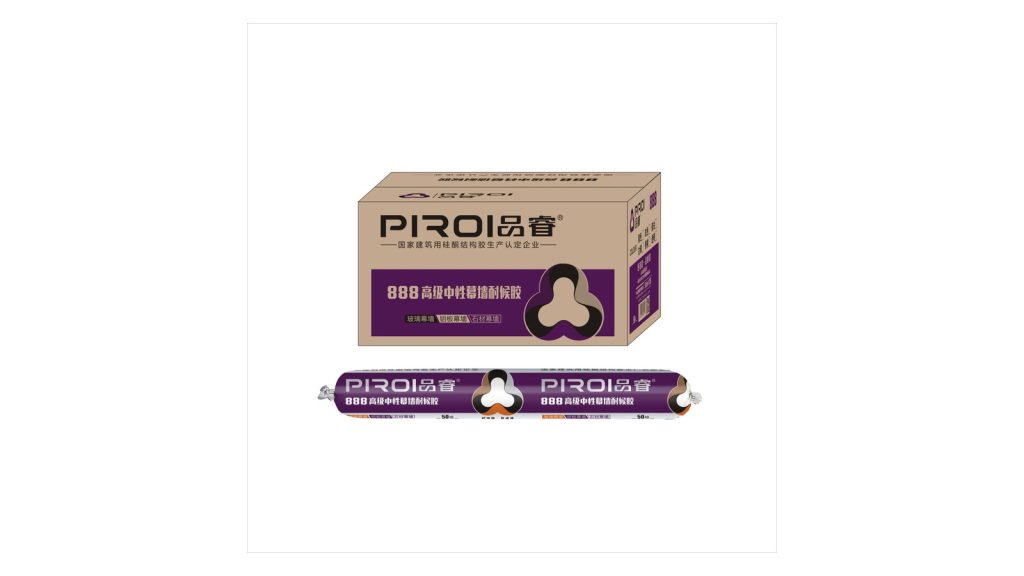
Neutral Structural Silicone Sealant for Curtain Wall
One-component neutral cure structural sealant for glass, aluminum panel and terracotta curtain walls. Excellent mechanical properties and weather resistance.
View Details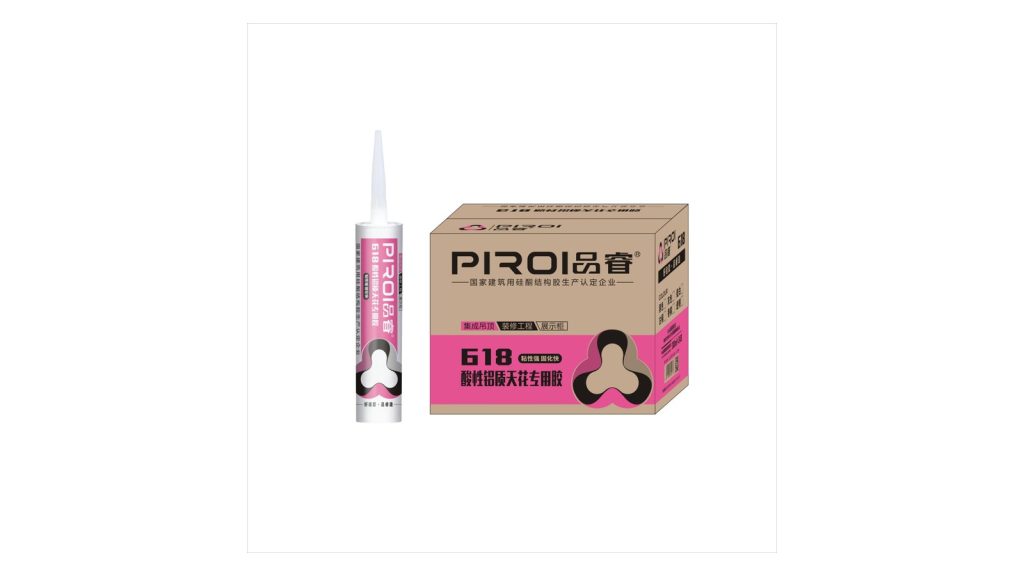 Acidic
Fast Cure Acetoxy Silicone Sealant
Fast curing acetoxy sealant for glass and glazing. Excellent adhesion to glass and ceramics, cost-effective for indoor glass and aquarium work.
View DetailsMOQ, Lead Time & Private Label
Installation Protocol for Insulating Glass Unit (IGU)
Confirm Primary Seal Type
Identify whether the unit uses a butyl or polysulfide primary seal. Compatibility must be confirmed before production, not after.
Verify Spacer System
Check the spacer material and desiccant type. Aluminium, stainless steel and warm-edge spacers have different adhesion characteristics.
Apply Secondary Seal
Apply to the full unit perimeter in a continuous bead. Ensure complete wet-out of the spacer and glass faces.
Cure Before Handling
Allow sufficient cure before the unit is moved, glazed or subjected to wind load. Consult PIROI for the specific cure schedule.
Quality Check
Inspect for voids, incomplete wet-out and any sign of primary seal softening at the interface.
FAQs — Insulating Glass Unit (IGU)
Why does IGU sealing need a compatibility check?
The secondary seal sits against the primary seal and the spacer. If the two chemistries are incompatible, the primary seal can soften and let moisture into the cavity — the unit then fogs from the inside, and that cannot be repaired.
Will the sealant fog the inside of the glass?
Low-volatile formulations are used specifically to avoid this. Volatile content that deposits on the cavity side of the glass during cure produces haze that no amount of cleaning removes, so this is verified before release.
Should we use neutral cure or acetoxy for IGU?
Neutral cure is the standard choice for IGU secondary sealing. It avoids the acid release that can affect the primary seal and the spacer system, and it is the chemistry we recommend for this position.
Can you confirm compatibility with our specific primary seal?
Yes. Tell us the primary seal type (polysulfide, butyl or other) and the spacer system, and we will confirm compatibility — including a physical test if the project requires documented evidence.
What happens if the secondary seal transfers stress into the spacer?
The unit can lose its gas fill and with it the thermal performance it was specified for. The secondary seal has to flex with the glass rather than locking the spacer in place, which is why high-elongation formulations are used in this position.
Is a glass silicone sealant the same as an IGU secondary sealant?
Not exactly. A glass silicone sealant is the general term for any silicone that bonds and seals glass, while an IGU secondary sealant is a specific role inside an insulating glass unit — it holds the unit together and protects the primary moisture barrier. PR-666 and PR-638 are neutral cure glass sealants used for the secondary seal because they release no acetic acid to attack the spacer, the desiccant or the interlayer.
Is there a silicone sealant for glass and aluminium that bonds to both?
Yes, if it is a neutral cure grade. The secondary seal of an IGU touches glass on one side and the aluminium or stainless steel spacer on the other, so the sealant has to bond to both without corroding either. Acetoxy grades release acetic acid and must not be used here. Send us the spacer material and the primary seal chemistry and we will confirm the grade.
Which PIROI product is used for glass and aluminum IGU spacer sealing?
For glass and aluminum IGU positions use PR-666 or PR-638 in a neutral cure grade. The secondary seal touches glass on one side and the aluminum or stainless steel spacer on the other, so the sealant has to bond to both without corroding either — acetoxy grades release acetic acid and must not be used here. Send us the spacer material and primary seal chemistry and we will confirm the grade.
Need pricing or a sample for Insulating Glass Unit (IGU)?
Tell us your substrate, joint dimensions and target market. We will come back with pricing, sample arrangements and the technical data sheet.
- Free adhesion & staining test on your own substrate sample
- OEM & private label from 1,000 pcs
- Typical lead time 15–25 days