Buying silicone sealant for glazing is not the same decision as buying it for a window perimeter. The joint may be load-bearing, the substrate may be coated or laminated, and the wrong cure chemistry can attack a spacer, an interlayer or a frame finish months after handover. The supplier you choose has to be able to answer all three before the purchase order goes out.
This guide covers what a glass and glazing sealant supplier in China should show you: substrate chemistry, the certification set that matters, and the wholesale terms behind the quotation.
Substrate chemistry comes first
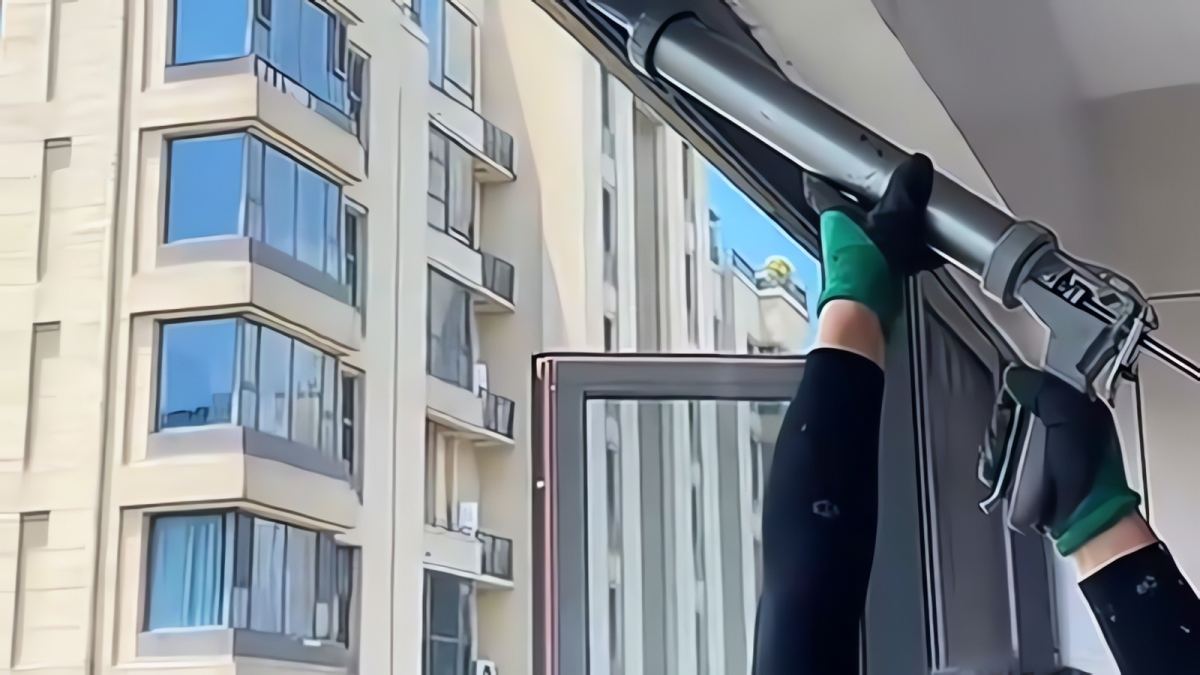
“Glass” is not one substrate. Six common cases each take a different chemistry:
- Float glass — acetoxy works on the glass itself, but neutral cure is safer where the joint meets metal.
- Coated and low-E glass — acetoxy can damage the coating on the edge. Neutral cure only.
- Laminated glass — acetic acid vapour attacks the PVB interlayer. Neutral cure only.
- Mirror — the acid attacks the copper layer at the cut edge. Neutral cure only.
- Insulating glass units — the secondary seal must not disturb the primary seal or the desiccant.
- Structural glazing — the sealant carries wind load. Structural grade, not a weatherseal.
Ask the supplier which chemistry they recommend for your specific position, not for “glass” in general. Our silicone sealant for glass aquarium and silicone sealant for insulating glass pages give the per-position detail.
Structural glazing is a separate position
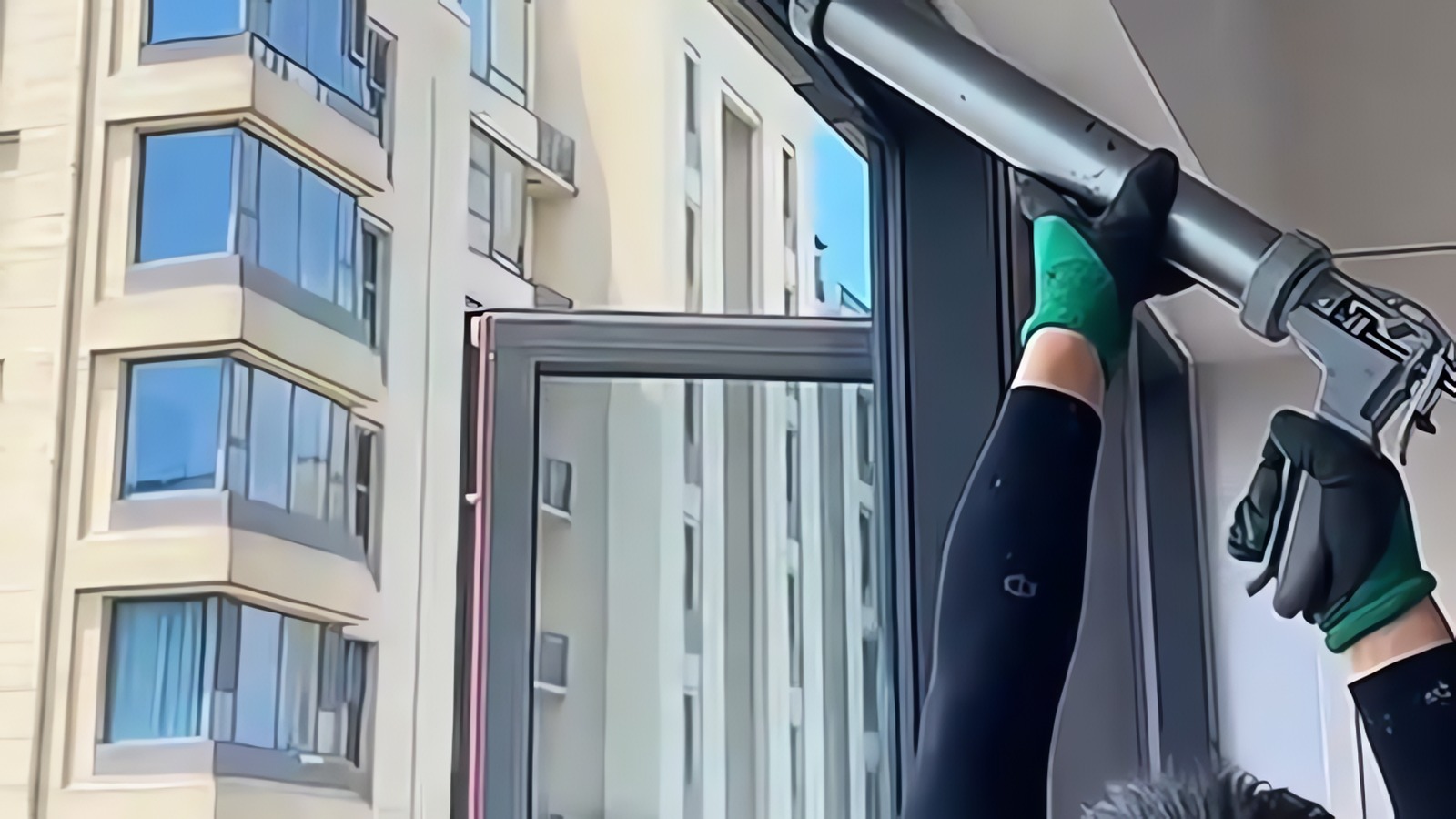
A glazing silicone sealant that bonds beautifully to float glass can destroy a coated edge, and a weatherseal grade will not carry wind load. Where the joint is load-bearing, the sealant is a structural component and must be specified inside an engineered system.
Our structural grade, PR-999, is manufactured to GB 16776-2025 with tensile adhesion strength of 0.85 MPa against a 0.60 MPa minimum, elongation at maximum tensile strength of 205%, and shear strength of 0.89 MPa. See the structural silicone sealant page for the full data.
What a glass and glazing sealant supplier should show you
Certification is a screening question before it is a technical one. Ask for the document, not the claim:
| Claim | Document | What it proves |
|---|---|---|
| Quality system | ISO 9001:2015 | Process control, not product performance |
| Structural performance | GB 16776-2025 / ASTM C920 report | Tensile, shear and elongation on the actual batch |
| Weatherproof grade | GB/T 14683 report | UV, rain and thermal movement performance |
| Restricted substances | RoHS / REACH | Compliance for regulated destination markets |
| Batch consistency | Certificate of Analysis | This carton, not the catalogue sample |
Every production batch is backed by third-party CNAS / CMA accredited laboratory reports covering tensile adhesion strength, elongation, sag resistance and heat ageing. Batch code, production date and raw material lot stay on the certificate, and retained samples are archived for 18 months. Full document set at certifications; how to read a test report is covered in the buyer’s guide to lab reports.
Wholesale terms and MOQ
- MOQ — OEM and private label from 1,000 pcs per model; mixed-model trial orders from 3,000 pcs total; stock items in standard PR-series packaging from 500 pcs.
- Lead time — typically 15–25 days after artwork and sample approval.
- Samples — 2 to 4 free sample cartridges or sausages, plus a free substrate adhesion and staining test on your own glass sample.
- Private label — cartridge artwork, label text and colour matching handled in-house.
Wholesale pricing steps with container fill rather than sliding smoothly, so the honest comparison is cost per litre against the format your dispensing equipment runs.
Factory direct vs trading company
Most quotations for glass and glazing sealant come from intermediaries. The difference shows up when a substrate test fails and someone has to answer for it: the trading company negotiates, the plant reformulates. Ask one question — “which line fills your order” — and the answer separates the two.
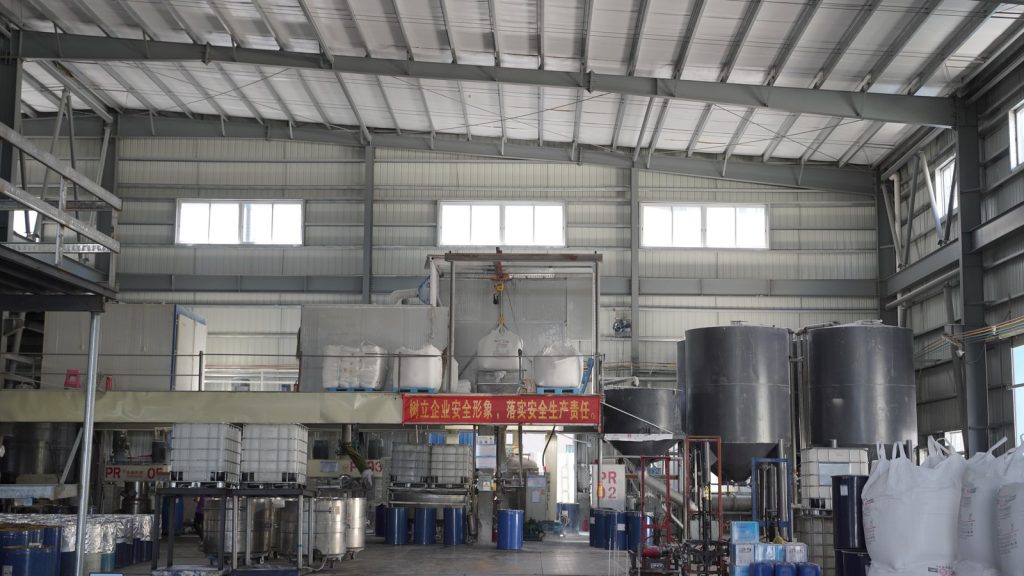
Our plant in Zhongshan runs 20,000 m² with eight automated filling lines, in-process checks and batch testing. Formulation matching happens in an on-site laboratory rather than against a catalogue, which is why a test on your actual coated glass sample returns a real answer.
Export documentation and shipping
We ship from Shenzhen (Yantian / Shekou) and Nansha with 7–15 days direct sea freight to Ho Chi Minh, Bangkok, Port Klang and Jakarta. Every shipment ships with FORM E, packing list, Certificate of Analysis and third-party test reports — no chasing paperwork after the vessel sails. As an established silicone sealant exporter, we also hold container load plans for 20 ft and 40 ft against the pack format you order. Import procedures for ASEAN destinations are covered in the FORM E clearance guide.
Sending a glazing enquiry
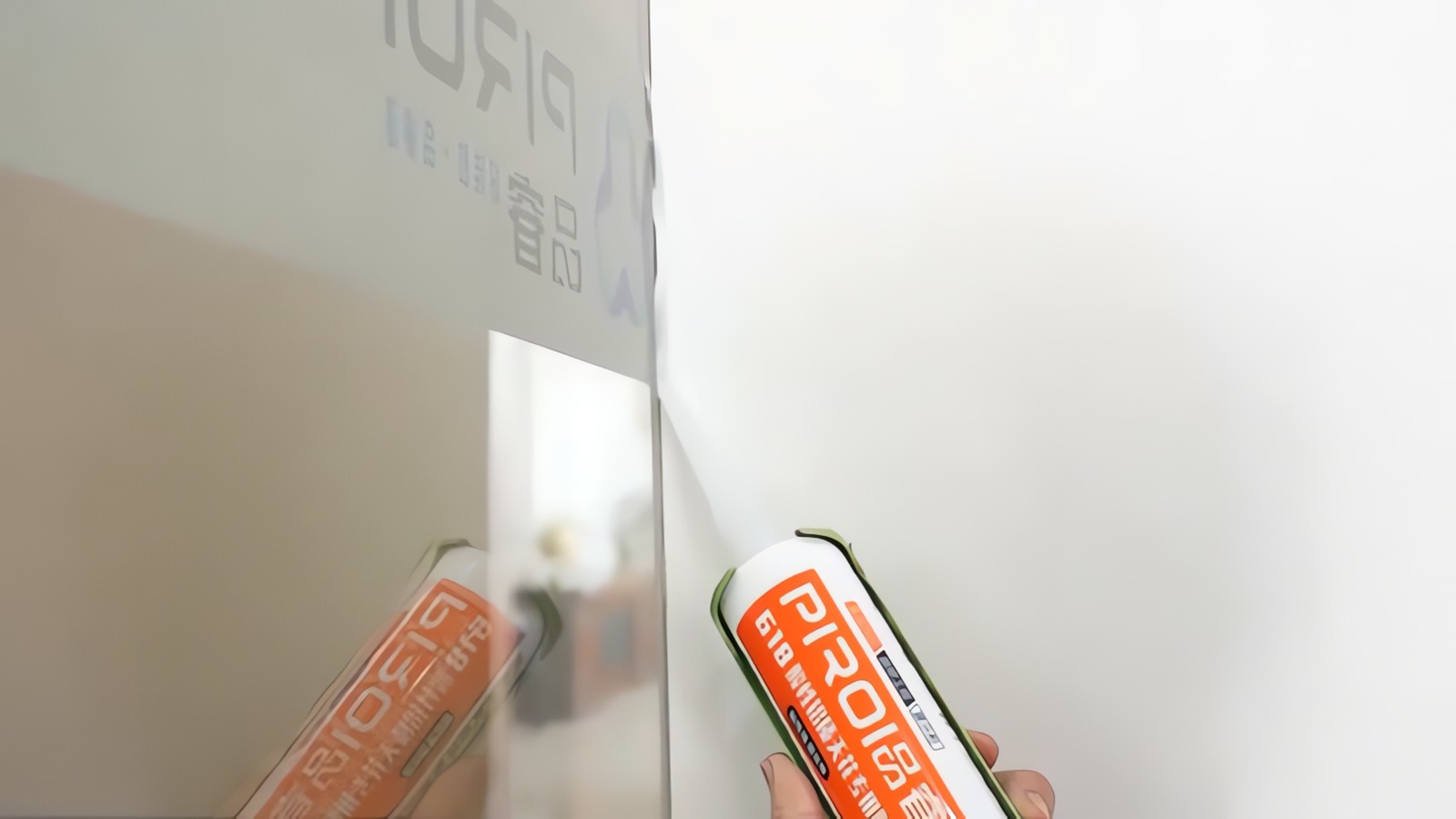
We are a silicone sealant manufacturer and supplier of glass and glazing grades, selling direct to importers, distributors and private label brands. Send the joint position, the glass type and the frame material, and our technical team will recommend the chemistry before you commit.
If your project has both a structural joint and a perimeter weatherseal, say so at enquiry stage — the two positions need matched products, and answering them as one question is how a facade gets specified wrong.
Buying China glazing sealants: what the term actually covers
Buyers searching for China glazing sealants are usually looking for one of three different products, and a quote that does not distinguish them is a quote for the wrong thing:
- Structural glazing sealant — the load-bearing bead that bonds glass to the frame, specified to GB 16776 or ASTM C1184. This is the position where a failure means a panel can move.
- Weatherseal glazing sealant — the non-load-bearing bead that keeps water out of the same joint, specified to GB/T 14683 or JC/T 485.
- Insulating glass secondary sealant — the bead inside a sealed unit, which is a different product family (butyl, polysulfide or silicone) and a different supply chain.
We supply the first two from our own plant. The third we do not manufacture, and we will say so rather than quote a grade that is not designed for it. When you specify China glazing sealants, naming the position is what makes the quote comparable between suppliers.
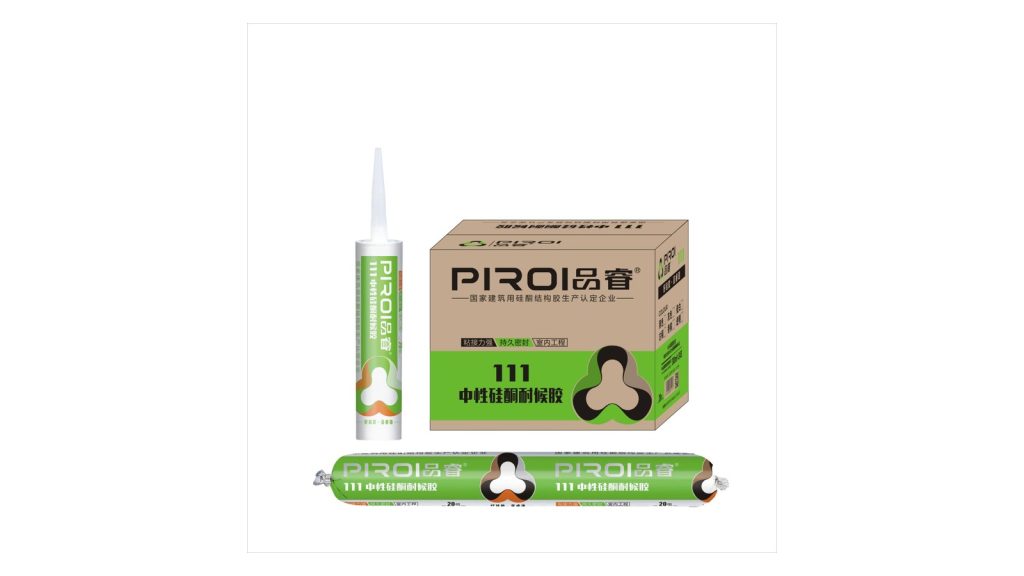
Both positions are neutral cure, supplied in 300 mL cartridges or 590 mL sausages, with a 12-month shelf life from production date and non-hazardous transport classification. See the PR-999 structural grade and the PR-888 weatherproof grade.