Natural stone and marble are the hardest substrates to seal well, and the cheapest grade to get wrong. A silicone sealant that works on glass or aluminium can stain a granite or marble joint permanently, because stone is porous and reactive. This guide covers why a neutral, low-bleed silicone sealant is the safe choice for granite, marble, limestone and travertine joints, and how to verify the grade before it goes near the stone.
Why stone stains where other substrates do not
Stone is porous and a joint sealer sits against a face that can soak up what the sealant gives off. The risk is not the cured rubber but the by-products and the oil that migrate out of the bead while it cures.
- Acid by-products. An acetoxy grade releases acetic acid as it cures, which etches the polish on limestone and marble and dulls the face.
- Plasticiser or oil bleed. A cheap sealant bleeds oil into the stone and leaves a dark ring around the joint that cannot be removed.
- Water ingress behind the bead. A joint that is not fully tooled lets water into the stone and drives a stain that appears on the other side.
What to specify for a stone joint
| Requirement | Why it protects the stone |
|---|---|
| Neutral cure | No acid by-product that etches the polish |
| Low bleed or non-staining | No oil ring at the joint face |
| Stain-free on the actual stone | Proven on the stone you are using, not on a bench sample |
| Movement capability | The joint can move without cracking and letting water in |
The non-staining and the neutral cure claims are the two that matter on natural stone; the movement class matters on the building but it does not protect the stone face the way the other two do.
How to verify the grade against the stone
- Check the cure system on the report, not the label. Neutral cure is defensive; acetoxy is the common mistake on stone.
- Ask for a stain test on the actual stone, not a generic claim. A silicone sealant that is non-staining on granite may still ring on a pale marble.
- Run a sample bead on an offcut of the real stone and leave it a week before the joint is sealed.
- Confirm MOQ, lead time and whether OEM or private label keeps the grade unchanged.
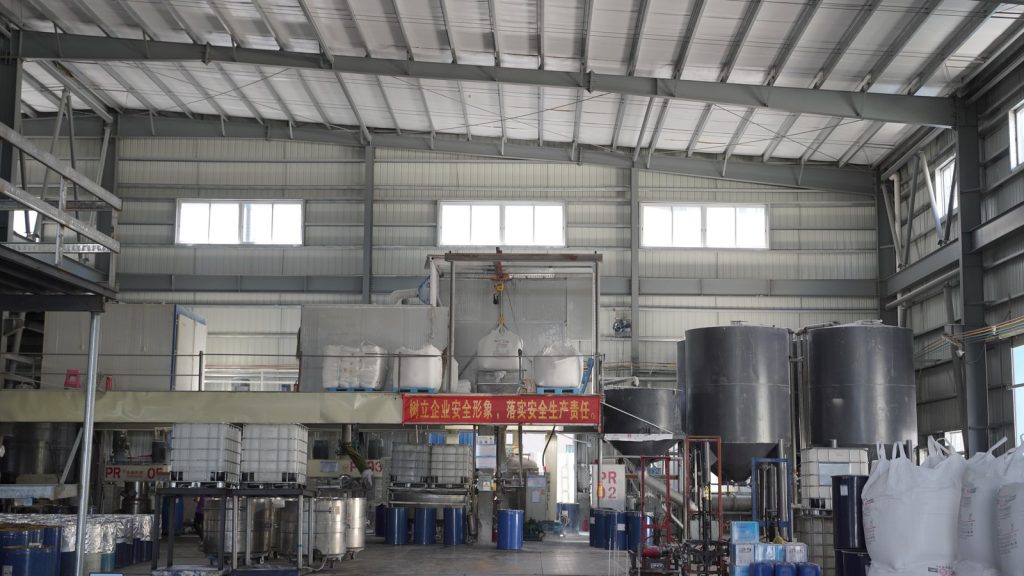
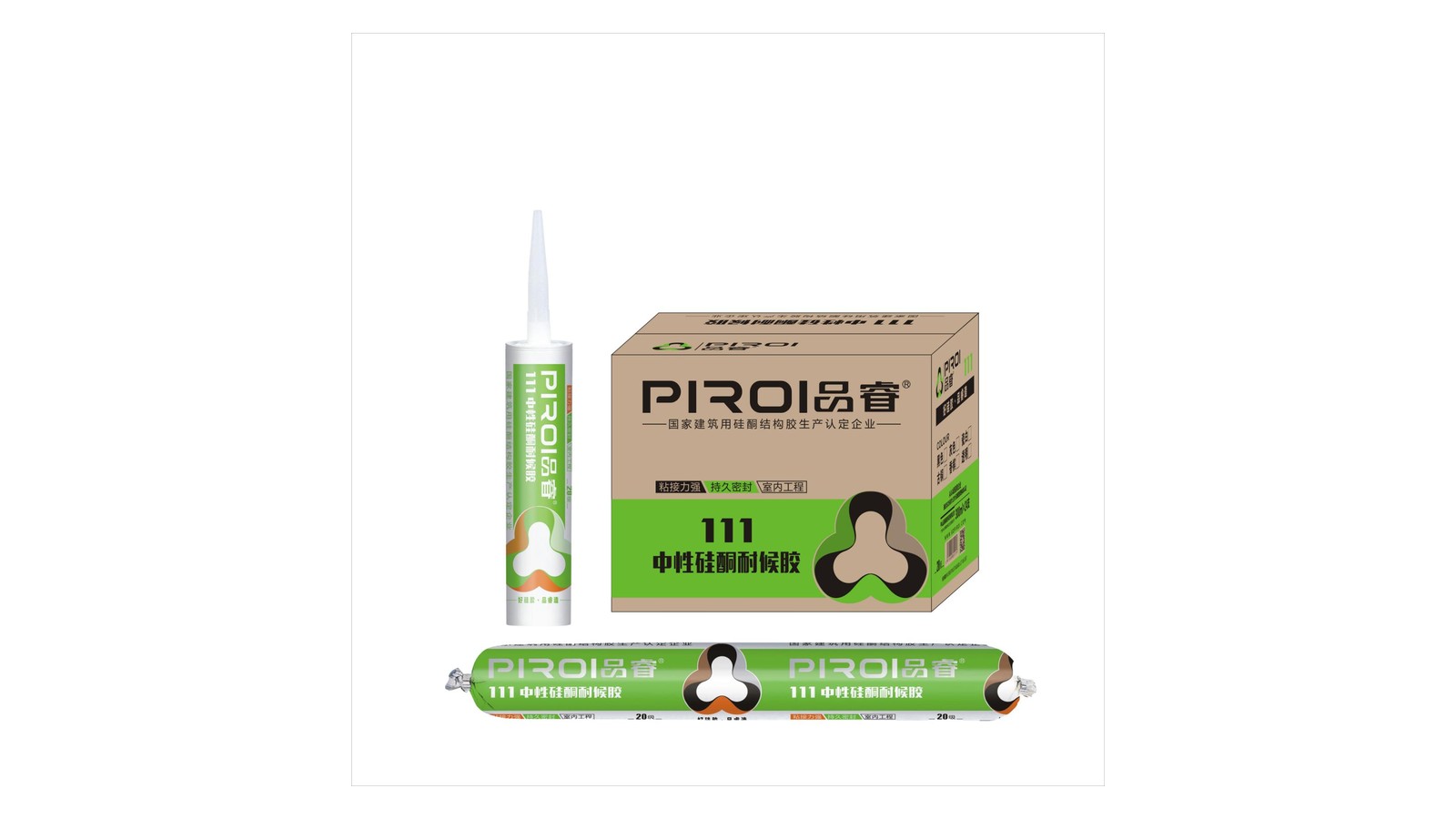
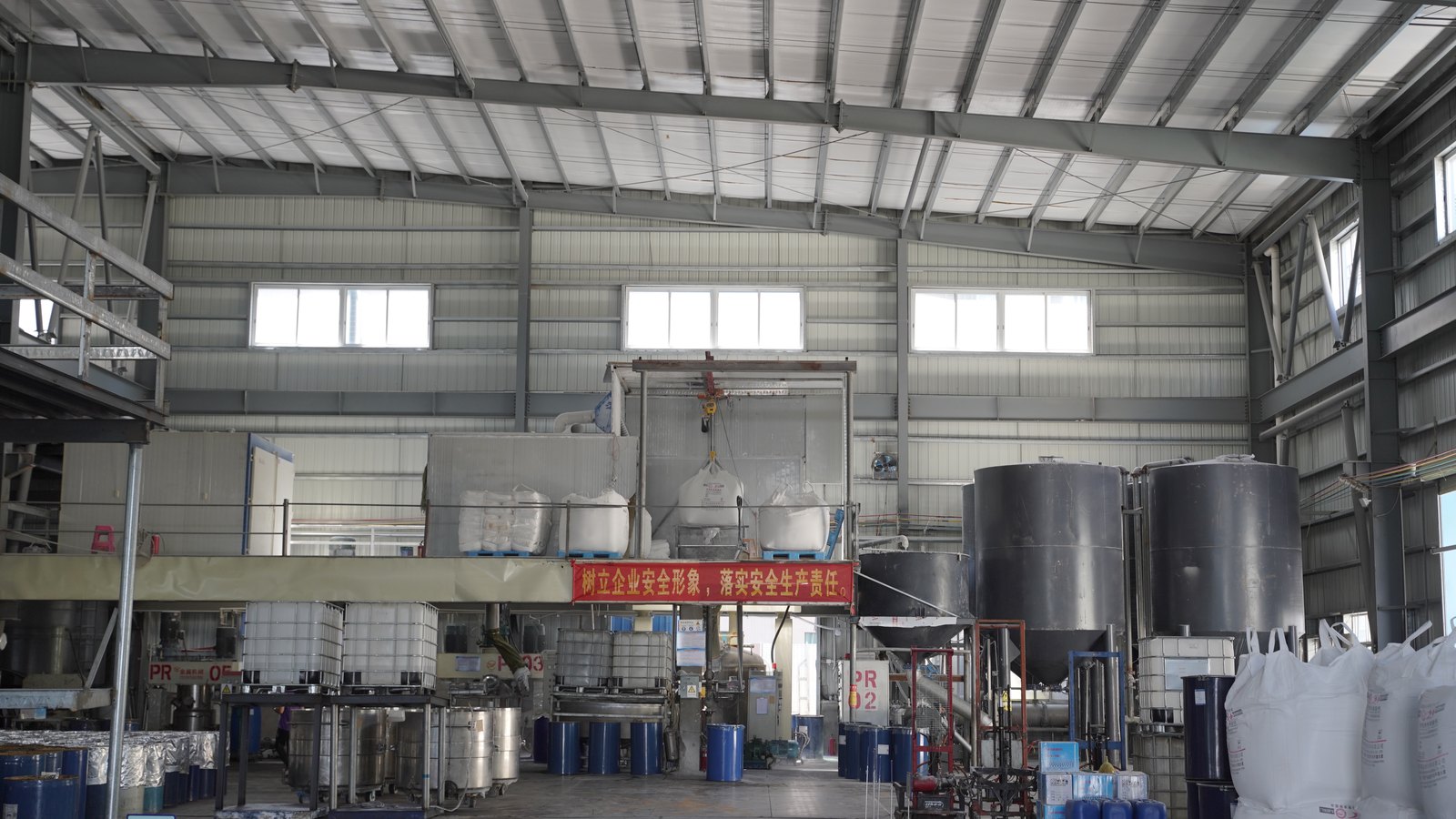
Our neutral cure silicone sealant grades are formulated for low bleed and tested for stain resistance at our Zhongshan factory, and a sample is available so the grade can be checked on the actual stone before a full order. See the stone and marble application page and the mirror sealant guide for the related neutral cure, non-staining grades.

Common mistakes on a stone project
The most common mistake is using an acetoxy grade from a painter’s tube because it is cheap, and finding the polished face etched after the first rain. The second mistake is trusting a non-staining claim that was only tested on granite when the job is a pale limestone, and seeing a ring appear. The third mistake is tooling the joint too shallow, so the water sits in the pocket and the stain shows from the inside. Match the grade to the actual stone, run the bead on an offcut, and read the stain test on the report rather than the word on the tube.