A silicone sealant sample is not a free tube; it is a test that decides whether a bulk order is safe to place. The sample has to match the production specification, and the test you run on it has to prove the grade on the sheet is the grade in the tube. This guide covers how to test a sample and what has to line up before the production quantity is confirmed.
What a sample is and what it is not
A sample is a small run of the actual batch, not a specially made tube. The honest way to test it is to ask for the sample from the same lot that will be filled at production scale, or to confirm that the sample and the bulk share the same formulation and the same filler settings. A one-off sample built to pass a test is worth nothing on a repeat order, because the production batch can be made a different way.
What to test on the sample
| Property | What it proves | How to check it |
|---|---|---|
| Cure system | Neutral or acetoxy, matched to the substrate | Smell and datasheet, confirmed on the report |
| Extrusion rate | The gun can push it on a production run | Squeeze time on a fixed nozzle |
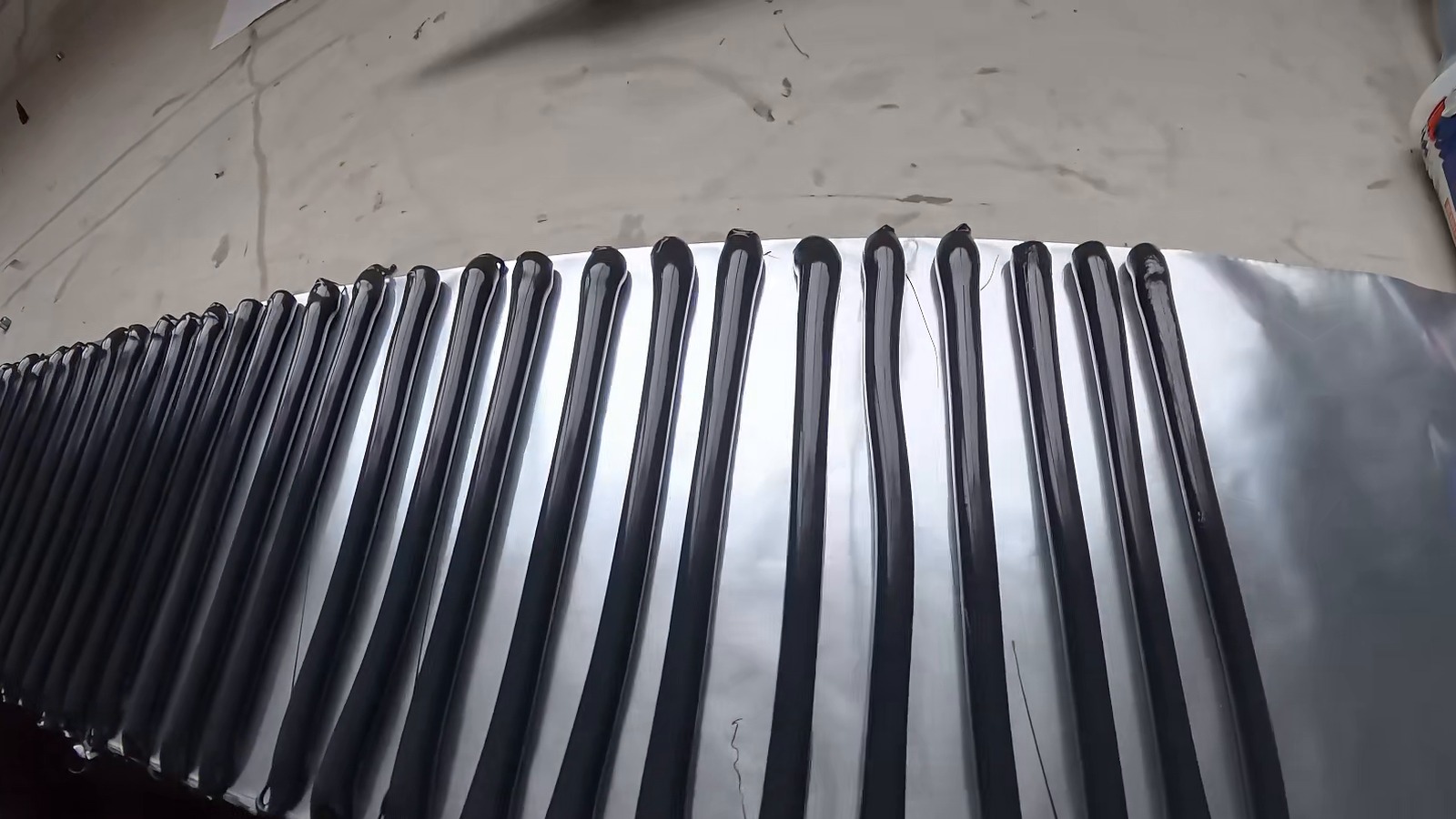
| Skin and cure time | Works with the site or line schedule | Timed on a small bead at set conditions |
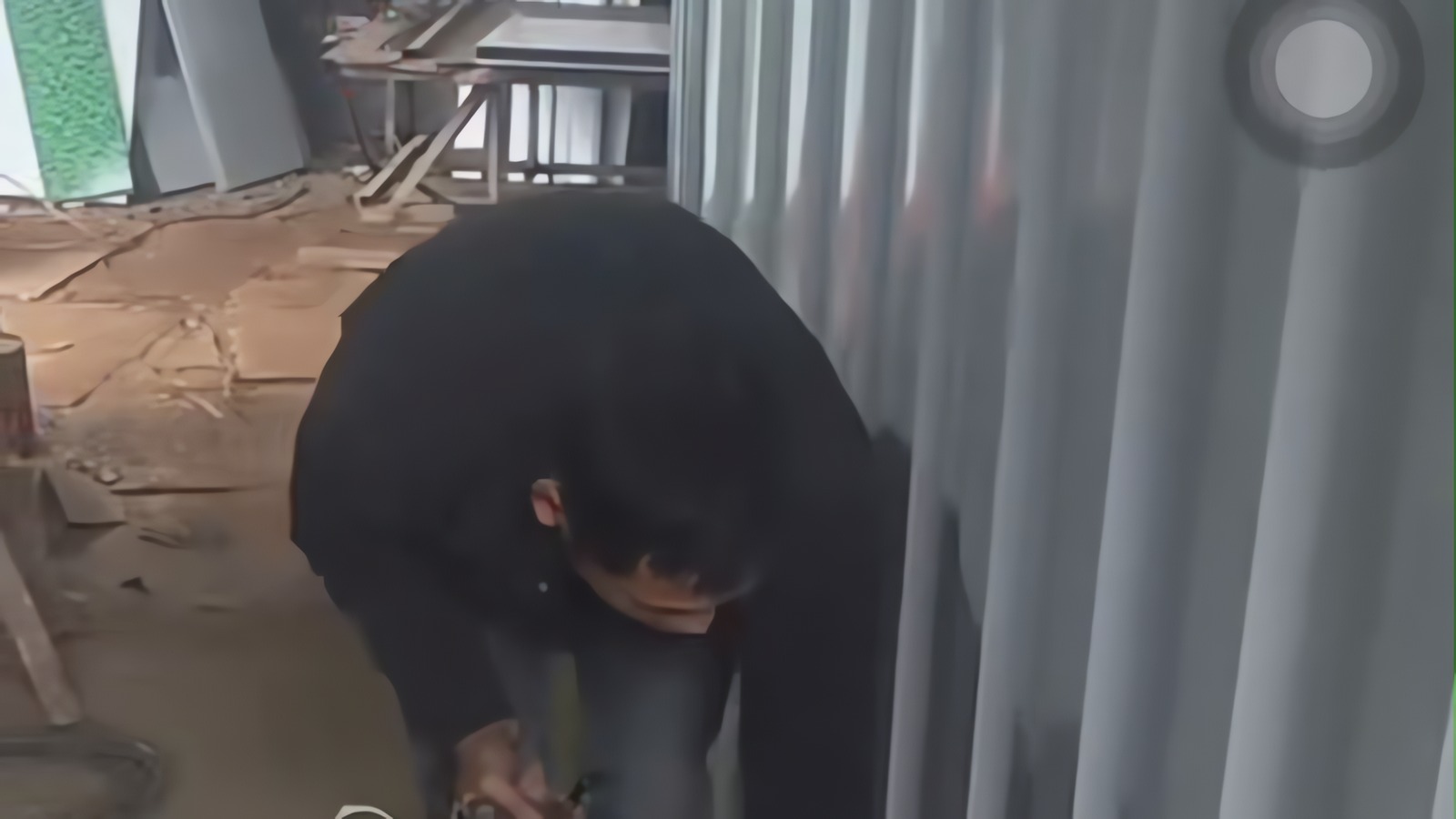
| Adhesion on the actual substrate | The bond holds on your material, not glass | Pull test on the real joint |
From sample to bulk order
- Keep the sample and the test result together with the lot number, so the bulk order is written against the tested batch.
- Confirm the silicone sealant formulation will not change between sample and production, in writing if possible.
- Scale the order against the MOQ and the lead time the factory quotes for the tested grade.
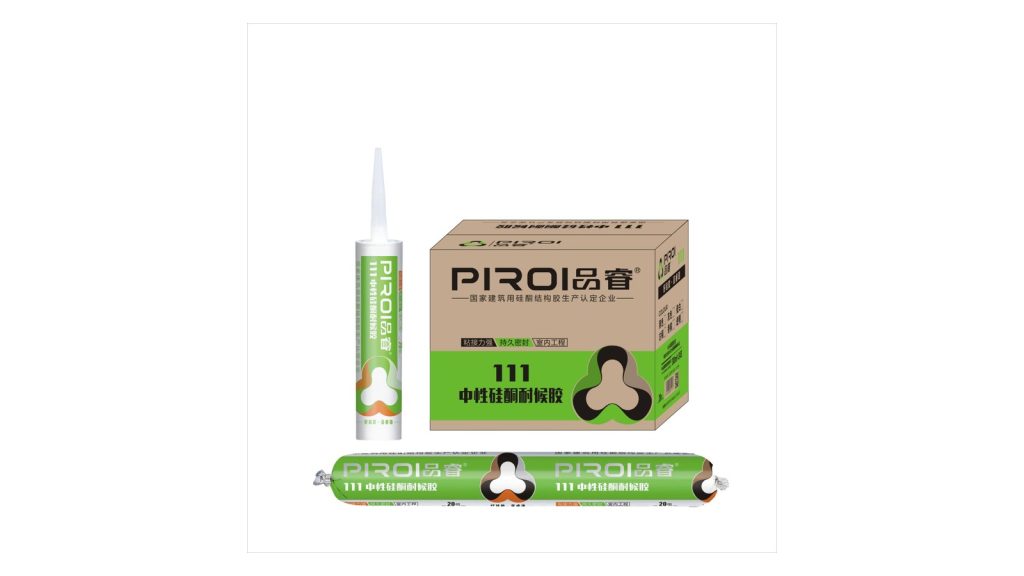
- Confirm the OEM or private label pack keeps the same grade and the same test behind it.
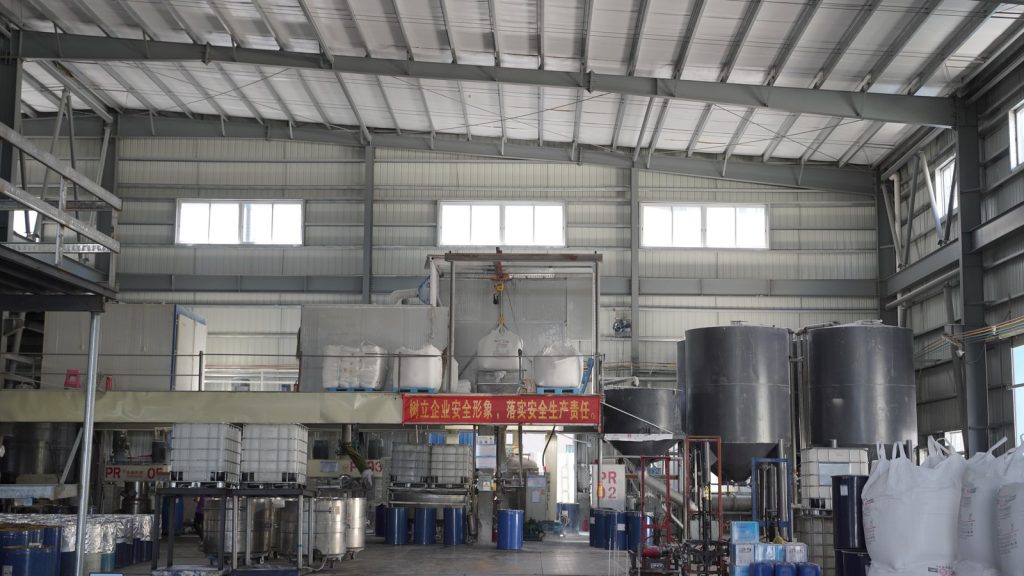
Our silicone sealant sample is tested against the production batch card at our Zhongshan factory, so the sample and the bulk order share the same formulation and the same test result. The RFQ to sample approval guide and the batch quality control guide cover the steps either side of the sample.
What a failed test tells you
A failed sample is not a failed order; it is a reason to stop before the money goes into a boat. If the sample does not cure in the stated time, or the extrusion is too slow for the line, or the adhesion on your substrate is poor, the right move is to go back to the formulation rather than to adjust the spec to fit the tube. A silicone sealant that only passes on glass is not the grade for a coated frame, and a test that is rushed on a warm day is not a reliable measure of how it will behave on a cold site. Read the failed result as a question to the supplier, and ask for the batch card behind it.