
Silicone Sealant for Swimming Pools and Wet Areas
A pool joint is permanently submerged, chemically loaded with chlorine or bromine, and thermally cycled by the water itself. That combination destroys most sealants within a season. The sealant also has to resist mold growth, because a permanently wet joint is the ideal environment for it.
Why Pool Joints Fail Within a Season
Three factors act at once in a pool joint — permanent water contact, chemical attack, and continuous thermal cycling from the water.
- Chemical Attack: Chlorine, bromine and pH-correcting chemicals attack the polymer backbone of sealants that are not formulated for chemical exposure, causing softening and loss of adhesion.
- Permanent Water Contact: Unlike a shower joint that dries between uses, a pool joint is continuously submerged — there is no drying cycle to relieve stress on the bond line.
- Mold Colonization: A permanently wet, warm joint is the ideal environment for mold. A sealant without fungicidal additives will develop surface growth within months.
How PIROI Solves It
Chemically stable silicone with Grade-0 mold resistance, formulated to hold adhesion under permanent immersion and thermal cycling.
- Chemical Stability: Resists chlorine, bromine and pH-correcting chemicals without softening or losing adhesion.
- Permanent Immersion: Holds bond under continuous water contact with no drying cycle.
- Grade-0 Anti-Mold: JC/T 885 Grade 0 — the highest mold resistance class, for permanently damp joints.
- Related technical guides: is silicone sealant toxic when cured, preventing joint mold and mildew in tropical wet areas chemical resistance and standards, chinese vs astm sealant standards test report — each covers the engineering behind the grade you are specifying.
A pool joint is permanently submerged and chemically loaded, which rules out most general-purpose sealants. Two things must be confirmed before ordering: that the product is rated for permanent immersion, and that the water chemistry is balanced before the joint is sealed. Sealing a pool with unbalanced water is a common cause of early failure.
Swimming Pool & Wet Areas — Critical Engineering Parameters
Chemical Resistance
Stable in chlorine, bromine and pH-correcting chemicals — no softening or debonding.
Permanent Immersion
Retains adhesion under continuous water contact, unlike shower joints that dry between uses.
Grade-0 Anti-Mold
JC/T 885 Grade 0 — highest mold resistance class for permanently wet environments.
Thermal Cycling
Flexes with the water temperature cycle without cracking at the tile interface.
Sealants for Swimming Pool & Wet Areas
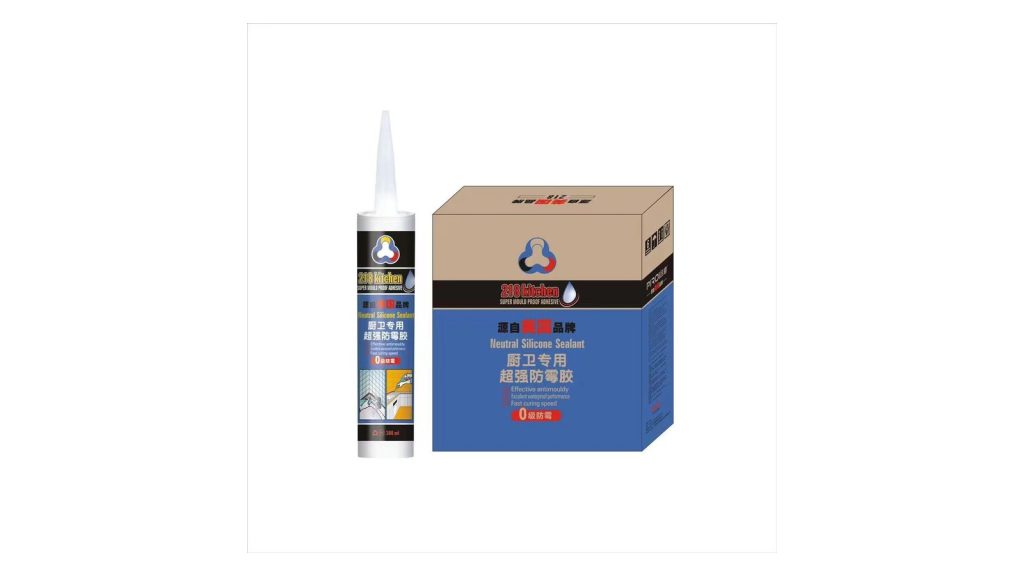 Anti-Mold
Sanitary Anti-Mold Silicone Sealant
Kitchen & bathroom neutral sealant with super mold-proof formula. Effective anti-mold, excellent waterproof, fast curing for healthy living spaces.
View Details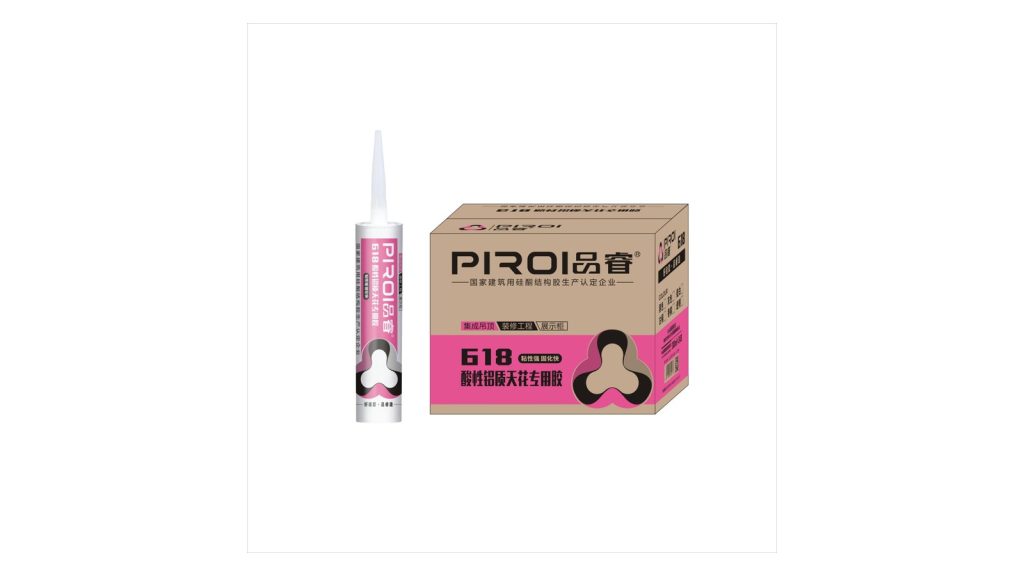 Acidic
Fast Cure Acetoxy Silicone Sealant
Fast curing acetoxy sealant for glass and glazing. Excellent adhesion to glass and ceramics, cost-effective for indoor glass and aquarium work.
View DetailsMOQ, Lead Time & Private Label
Installation Protocol for Swimming Pool & Wet Areas
Balance Water Chemistry First
Do not seal a pool with aggressive or unbalanced water. Correct pH and chemical levels before sealing, and maintain them afterward.
Dry the Joint Completely
The substrate must be dry before application. Silicone will not cure or bond reliably onto a wet surface.
Remove Old Sealant
Strip all old sealant and clean the joint faces. Residual old sealant prevents adhesion of the new bead.
Apply and Tool
Apply with positive pressure and tool immediately. Ensure complete wet-out at the tile interface.
Cure Before Refilling
Allow full cure before the pool is refilled. Check with PIROI for the specific cure time at your water temperature.
FAQs — Swimming Pool & Wet Areas
Can a standard sanitary sealant be used in a pool?
Not necessarily. Sanitary sealants are formulated for intermittent wetting, such as a shower that dries between uses. A pool joint is continuously submerged with no drying cycle, which is a different requirement.
Which chemicals does the sealant have to resist?
Chlorine or bromine, plus the pH-correcting chemicals used to balance the water. A sealant that is not formulated for chemical exposure will soften and lose adhesion within a season.
Why balance the water before sealing?
Aggressive water chemistry attacks the joint from the moment it is filled. If the water is not balanced first, the sealant starts its service life under chemical attack, which shortens it significantly.
Does the joint need to be completely dry?
Yes. Remove the old sealant, clean the joint and let it dry completely before applying the new one. Residual moisture in a permanently wet area is a common cause of adhesion failure.
How long before the pool can be refilled?
Allow the sealant to cure fully first; the exact time depends on bead thickness, temperature and humidity. Tell us your joint dimensions and site conditions and we will give you a realistic figure.
Need pricing or a sample for Swimming Pool & Wet Areas?
Tell us your substrate, joint dimensions and target market. We will come back with pricing, sample arrangements and the technical data sheet.
- Free adhesion & staining test on your own substrate sample
- OEM & private label from 1,000 pcs
- Typical lead time 15–25 days