The short answer is that fully cured silicone sealant is inert and non-toxic, but the honest answer is more useful: whether a specific product is safe depends on the cure chemistry, on what the manufacturer can prove, and on the documents that come with the batch. This guide is written for importers and distributors who have to put a defensible answer behind that claim.
Why cured silicone is inert: the chemistry
When silicone sealant cures, the liquid polymer cross-links and releases a small amount of volatile by-product. That by-product is where the toxicity question lives — and it is the reason the two cure families are not interchangeable:
| Cure system | By-product released | Typical use |
|---|---|---|
| Acetoxy (acidic) | Acetic acid | Fast-cure glass and glazing work |
| Neutral (oxime / alkoxy) | Non-corrosive alcohols / oximes | Facade, concrete, metal, mirror, electronics-adjacent work |
Acetoxy cure releases acetic acid during curing, which is why it must never be used on mirror backing or coated glass — the acid attacks the surface. Neutral cure systems release non-corrosive by-products, which is why they are the specified family for load-bearing and sensitive-substrate joints. The two chemistries are compared in detail in our cure chemistry guide, and the mirror case is explained in the mirror backing guide.
After the cure reaction completes, the cross-linked silicone rubber is chemically stable: it does not off-gas, does not support mould growth on its own, and does not dissolve into water. The by-products are released during cure, not after.
What the uncured stage requires
Before it cures, silicone sealant is a liquid containing reactive components, so the handling precautions on the safety data sheet apply. Every batch we supply ships with an SDS for the destination market, and the product data sheets state the cure time and application limits. The distinction that matters for your labelling is cured versus uncured — the SDS covers the uncured stage, the inert claim applies to the cured stage.
What to verify before putting a product in your range
A toxicity claim is only as strong as the documents behind it. When you qualify a supplier, ask for these four:
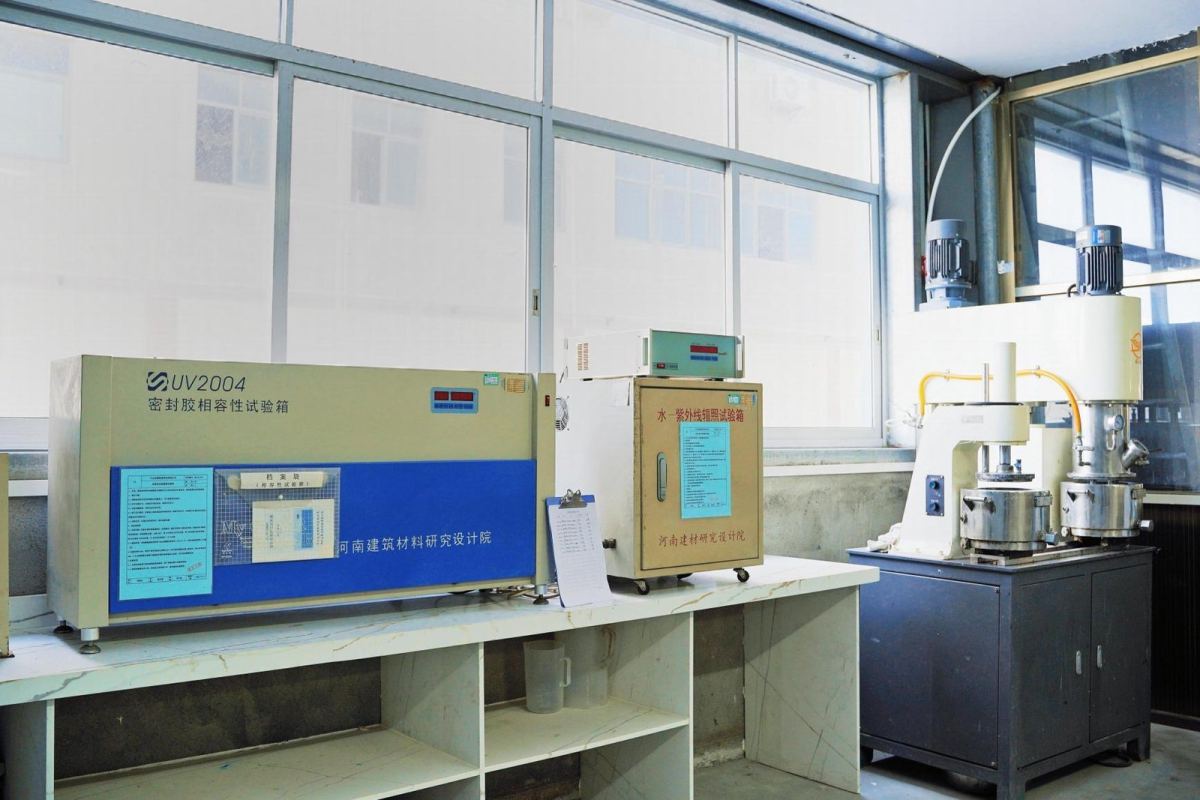
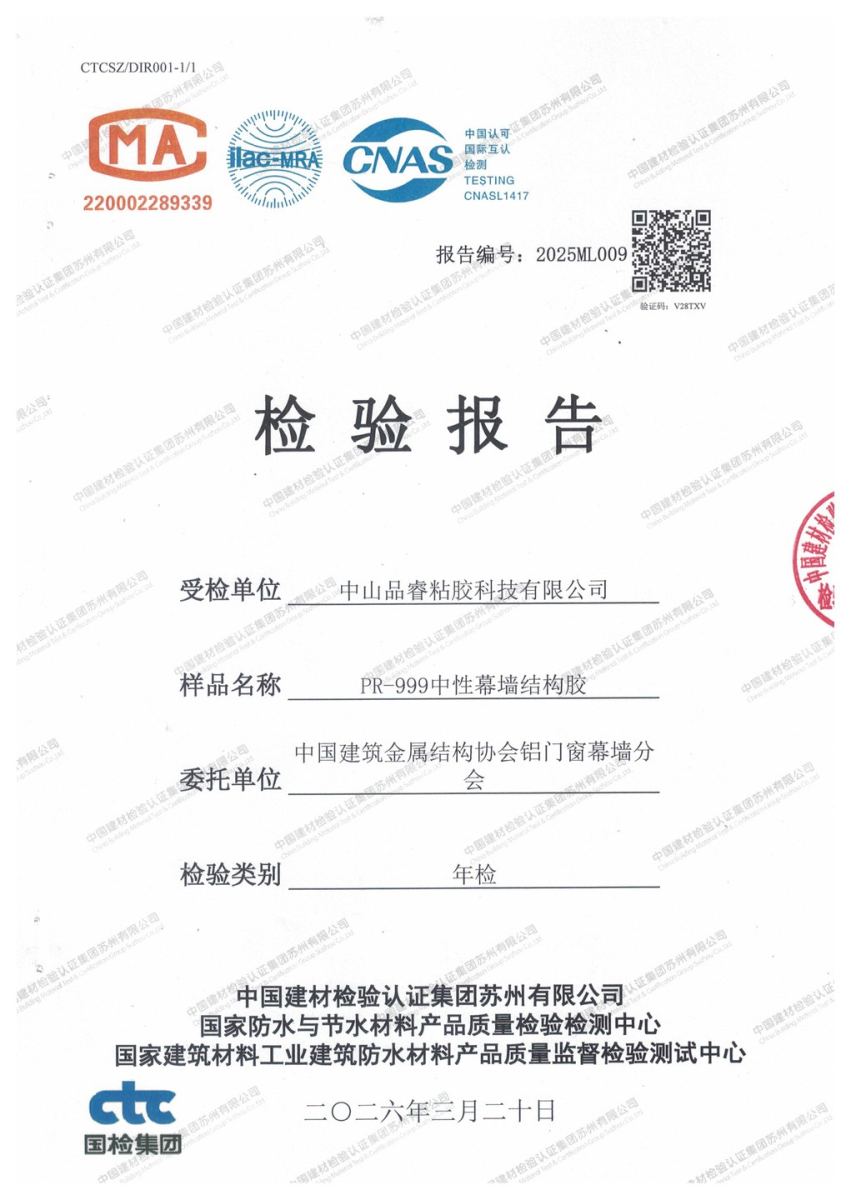
- Test report against the named standard — from the batch supplied, from a third-party CNAS / CMA accredited laboratory.
- RoHS report — our appliance-grade PR-268 carries a RoHS test report (Shenzhen HTT, Report No. HTT202503822CH); the rest of the range is developed on the same compliance basis.
- REACH statement — our formulations are developed to comply with REACH regulation requirements.
- Safety data sheet — for the destination market, per batch.
How to read a third-party test report is covered in the buyer’s guide to lab reports, and the full certificate set is on the certifications page.

Where food and hygiene questions arise
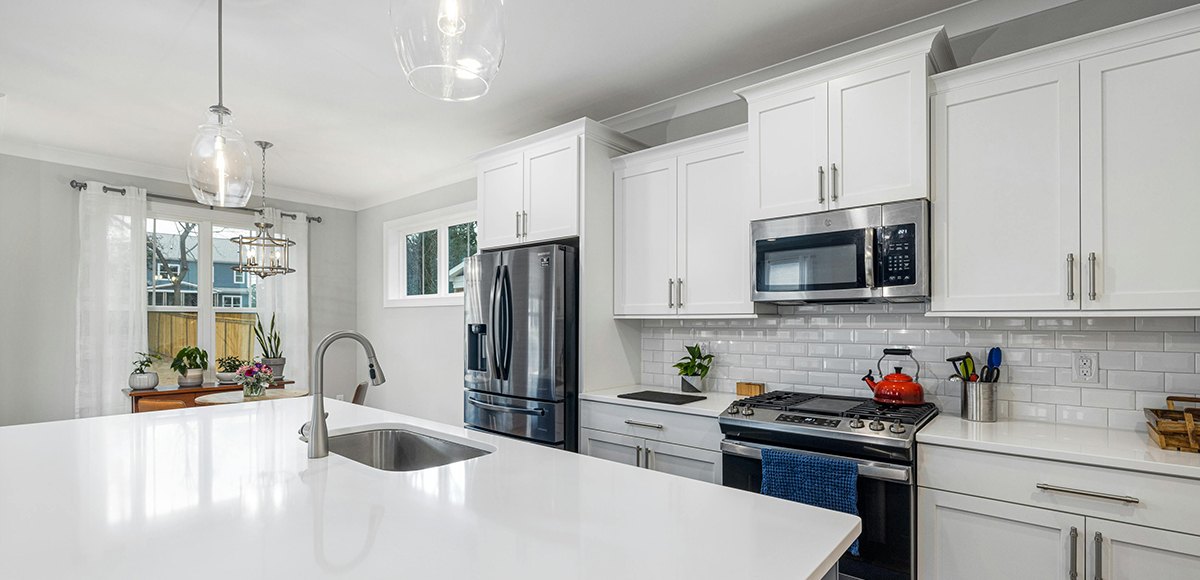
Silicone sealant is widely used in kitchen, bathroom and food-preparation areas because cured silicone is stable and does not leach. What matters is choosing the right grade: for wet areas subject to mould, the sanitary series is tested to JC/T 885-2016 Grade 0 anti-mould performance; for general kitchen and bathroom joints the wet-area guidance applies. The point to document is which grade went where — a general-purpose sealant in a food-contact joint is a selection error, not a chemistry failure. Our sanitary sealant for bathroom and kitchen covers the grade selection for those joints.
The defensible answer for your customers
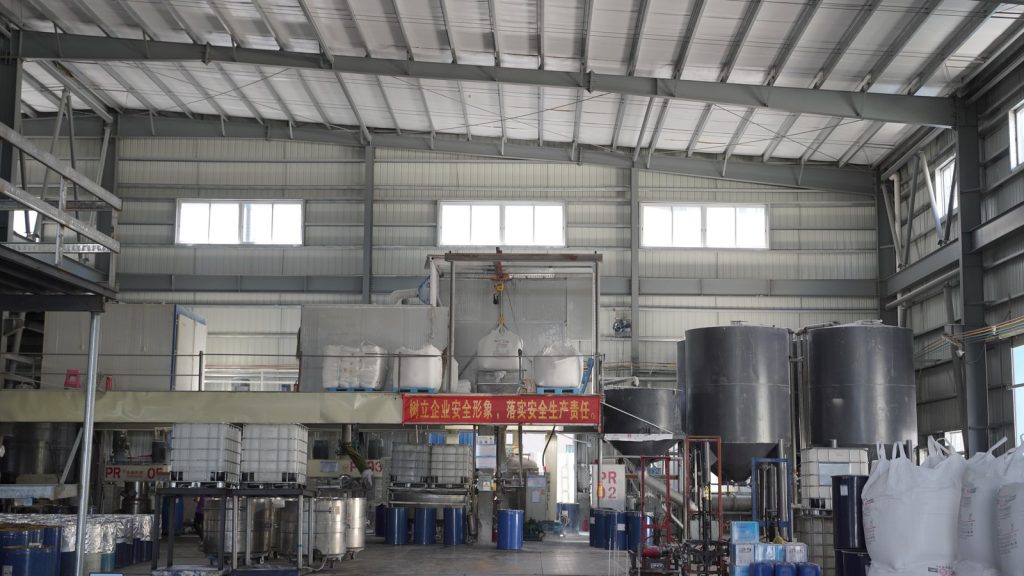
When a customer asks whether silicone sealant is toxic when cured, the answer you can defend is: cured silicone sealant is inert, the by-products are released during cure, the handling rules are on the SDS, and the batch documents (test report, RoHS, REACH statement, SDS) are available for every shipment. We supply those documents with every order from the Zhongshan factory — see the factory and QC page for the batch traceability behind them.
We supply the full document set with every shipment, from stock items at a 500 pcs MOQ to OEM and private label runs at a 1,000 pcs MOQ per model, with mixed-model trial orders from 3,000 pcs and production lead times of 15–25 days after sample approval. Request a sample with the batch COA and SDS to verify the documents before you commit to a container.