
Silicone Sealant for Cold Storage and Refrigeration Panels
A cold room joint cycles between deep freeze and ambient every time the door opens. Most sealants that perform well at room temperature become brittle and crack under that regime. Cold storage needs a formulation that stays elastic below zero and resists the freeze-thaw cycle.
What Breaks Cold Room Joints
Freeze-thaw cycling is far more damaging than a constant low temperature. Water that gets into a joint, freezes and expands will open a crack that the next cycle widens.
- Embrittlement Below Zero: Many general-purpose sealants lose elasticity at low temperature and crack under thermal movement rather than flexing.
- Freeze-Thaw Cycling: Repeated door openings swing the joint between deep freeze and ambient. Water ingress followed by freezing expands inside the joint and widens any existing crack.
- Food-Safe Requirements: In food processing and cold storage areas, the sealant may need to meet food-contact or cleanroom requirements — check local regulation before specifying.
How PIROI Solves It
Silicone chemistry that stays flexible across a wide temperature range, with the watertight perimeter seal needed to keep moisture out of the joint in the first place.
- Low-Temperature Flexibility: Silicone backbone retains elasticity well below zero, unlike acrylic or butyl sealants that embrittle.
- Watertight Seal: Prevents moisture ingress, which is what drives freeze-thaw damage inside the joint.
- Anti-Mold Option: For areas where condensation and organic residue are present, an anti-mold formulation reduces surface growth.
- Silicone sealant for cold room joints — three requirements: stay elastic below zero through the ambient-to-−25 °C cycle, bond to a substrate that is often cold and damp during commissioning, and resist mould without leaching into a food environment. Watch the detail too: cold room joints are frequently three-sided because the panel sits in a rebate, so a backer rod is not optional.
- Related technical guides: cold storage sealant freeze-thaw joints, selecting a sealant for high UV exposure, and joint failure modes and repair — each covers the engineering behind the grade you are specifying.
Freeze-thaw cycling is harder on a joint than constant low temperature. Water that enters a joint, freezes and expands will open a crack that the next cycle widens, so the seal has to be watertight before the panels go into service. If the area handles food, confirm the food-contact or cleanroom requirement before ordering.
Cold Storage & Refrigeration — Critical Engineering Parameters
Low-Temperature Flexibility
Silicone backbone retains elasticity below zero where acrylic and butyl sealants embrittle and crack.
Freeze-Thaw Resistance
Resists repeated freeze-thaw cycling at door openings and panel joints without cracking.
Watertight
Keeps moisture out of the joint — the precondition for freeze-thaw damage.
Anti-Mold Option
Grade-0 anti-mold formulation available where condensation and organic residue occur.
Sealants for Cold Storage & Refrigeration
 Anti-Mold
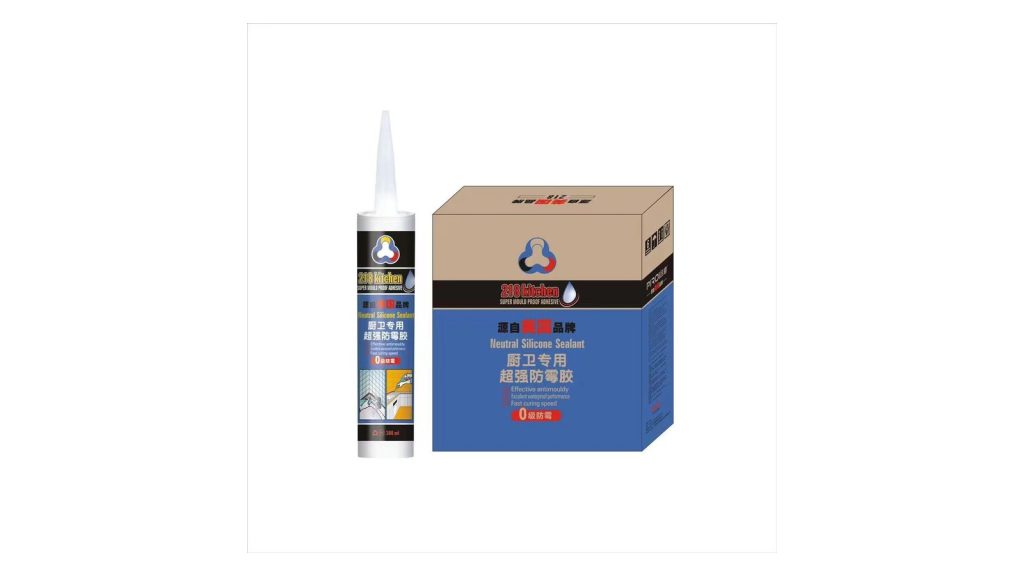
Sanitary Anti-Mold Silicone Sealant
Kitchen & bathroom neutral sealant with super mold-proof formula. Effective anti-mold, excellent waterproof, fast curing for healthy living spaces.
View DetailsMOQ, Lead Time & Private Label
Installation Protocol for Cold Storage & Refrigeration
Check Food-Safety Requirement
Confirm whether the area requires a food-contact or cleanroom-rated sealant. This is a regulatory question — check before specifying.
Seal Panel Joints
Cold room panels are usually joined with cam locks. Seal both the internal and external joint line for a complete vapor barrier.
Allow Full Cure
Cure at ambient temperature before the room is brought down to operating temperature. Curing at low temperature will slow or stop the process.
Seal the Door Perimeter
Door openings see the most thermal cycling. Give this joint the most attention and the widest movement allowance.
Inspect After First Cycle
Check the joint after the first full freeze-thaw cycle. Catching early debonding is far cheaper than repairing a failed vapor barrier.
FAQs — Cold Storage & Refrigeration
Will the sealant stay flexible below zero?
Yes. A silicone backbone keeps its elasticity well below zero, unlike acrylic or butyl sealants, which embrittle and crack instead of flexing with the joint.
Why is freeze-thaw worse than constant cold?
Constant low temperature is a steady state. Freeze-thaw cycling is not: water that gets into the joint freezes, expands, and opens the crack a little wider each cycle until the seal fails.
Do we need a food-safe sealant?
It depends on the area. Sealant in a food processing or cleanroom zone may need to meet food-contact requirements, and that cannot be confirmed from the product range alone. Tell us the zone and we will advise.
Does the panel joint need a backer rod?
In most cold room panel joints the depth is fixed by the panel profile, so a backer rod is not always used. Check the joint geometry and the sealant's recommended depth before applying.
Is there an anti-mold option?
Yes. Where condensation and organic residue are present, a Grade-0 anti-mold formulation to JC/T 885 reduces surface growth on the sealant.
Which silicone sealant for cold room joints should be specified?
A neutral cure grade that stays elastic below zero, bonds to a cold and possibly damp substrate, and carries a mould classification rather than an anti-mould marketing claim. The joint detail matters as much as the grade: cold room panels often sit in a rebate, which makes the joint three-sided, and a bead bonded on three faces cannot flex — a backer rod is what makes the joint work.
Need pricing or a sample for Cold Storage & Refrigeration?
Tell us your substrate, joint dimensions and target market. We will come back with pricing, sample arrangements and the technical data sheet.
- Free adhesion & staining test on your own substrate sample
- OEM & private label from 1,000 pcs
- Typical lead time 15–25 days