Cold storage joints fail for a reason that has little to do with how cold the room is. Constant low temperature is a steady state that a silicone sealant can sit in indefinitely. Freeze-thaw cycling is not — and it is the cycling, not the cold, that opens a joint.
This guide covers why silicone is specified for cold room and freezer panel joints, what to check before sealing, and where food-contact requirements change the specification.

Why freeze-thaw is worse than constant cold
Water that gets into a joint freezes, expands, and opens the crack a little wider each cycle, until the seal fails. A room held at a steady -18°C with no moisture cycling is a much easier environment than a loading dock, a door threshold or an external panel that swings above and below zero several times a day.
That is why the specification question is not “how cold does it get” but “how often does it cross zero, and with what moisture present”.
Why silicone and not acrylic or butyl
A silicone backbone keeps its elasticity well below zero. Acrylic and butyl sealants embrittle in the same conditions and crack instead of flexing with the joint — which is exactly the failure mode that freeze-thaw cycling exploits. On a panel joint that moves, an embrittled sealant has no way to absorb the movement, so it splits.
Our cold storage grade is a low-temperature flexible silicone sealant for cold room and freezer panel joints, formulated to resist freeze-thaw cycling and stay elastic below zero. See the silicone sealant for cold storage for the position detail, and the anti-mould option on the sanitary anti-mould grade page.
What to check before sealing a panel joint
| Check | Why it matters |
|---|---|
| Joint depth and geometry | In most cold room panel joints the depth is fixed by the panel profile, so a backer rod is not always used. Check the joint geometry and the sealant’s recommended depth before applying — a joint that is too deep for its width will not move as designed. |
| Substrate condition | Panel faces are usually coated metal. Confirm adhesion on the actual finish, not on a generic sample. |
| Moisture | Trapped moisture has to escape somewhere; in a sealed joint it usually means the sealant blisters or loses adhesion. Check before sealing, not after. |
| Movement | Panel joints move with the temperature swing. The movement class has to match the joint, not the room’s average temperature. |

Food-contact and hygiene areas
Whether a food-safe sealant is required depends on the area, and it cannot be confirmed from the product range alone. Sealant in a food processing or cleanroom zone may need to meet food-contact requirements; sealant in a plant room or a non-processing corridor usually does not.
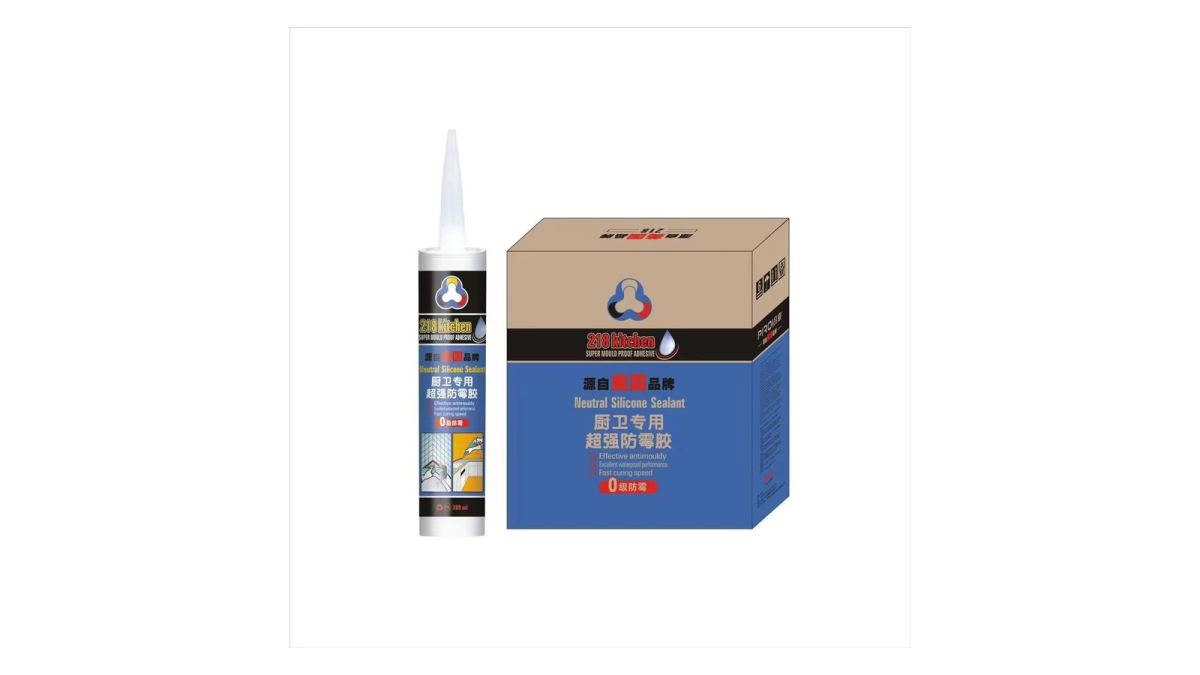
Tell us the zone and we will advise rather than guess. Where condensation and organic residue are present, a Grade-0 anti-mould formulation to JC/T 885 reduces surface growth on the sealant — the mould performance is a separate property from the low-temperature performance, and a joint can need both.
Mould prevention in humid and wet areas is covered in the mould and mildew guide, and the sanitary grades in Series 2.
Repairing a failed cold storage joint
A joint that has already cracked will not recover by sealing over it. The sequence is the same as any failed joint: remove the old sealant completely, find the cause before re-sealing, prepare and dry the substrate, use backing where the geometry needs it, tool the new bead, and adhesion-test after full cure.
If the original failure was freeze-thaw on an embrittled acrylic or butyl sealant, the fix is the chemistry as well as the application. The failure modes and repair sequence are covered in the joint failure guide.
Ordering cold storage sealant
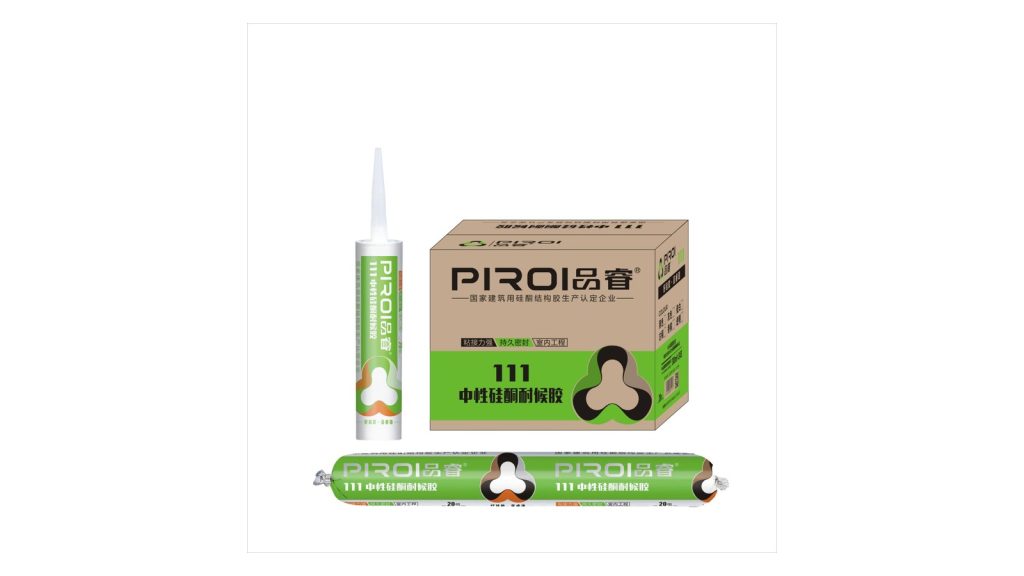
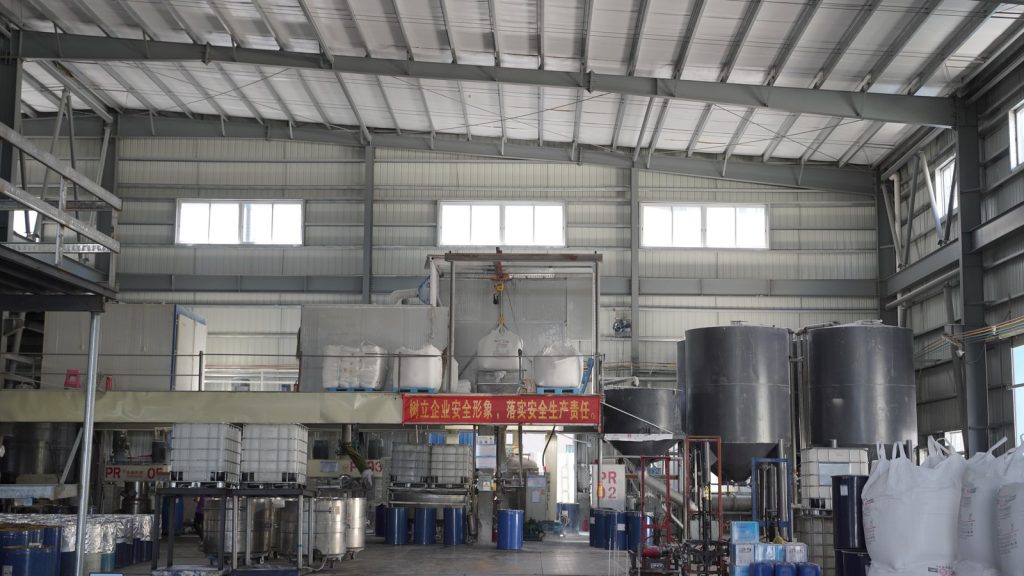
We are a silicone sealant manufacturer selling direct to importers, distributors and private label brands, with 17 models across four series and full batch traceability from raw material lot to sealed carton at our Zhongshan factory.
- MOQ — OEM and private label from 1,000 pcs per model; mixed-model trial orders from 3,000 pcs total; stock items from 500 pcs.
- Lead time — typically 15–25 days after artwork and sample approval.
- Samples — 2 to 4 free sample cartridges or sausages, plus a free substrate adhesion and staining test on your own panel sample.
- Documentation — Certificate of Analysis per batch, third-party test reports, FORM E and packing list.
Send us the panel profile, the temperature range and whether the zone is a processing area, and we will confirm the grade — including whether a Grade-0 anti-mould formulation is needed in the same joint. The full certification set is at certifications, and a silicone sealant that fails freeze-thaw will usually show adhesion loss at the panel face rather than cohesive tearing through the bead.
Silicone sealant for cold room joints: the three requirements
A silicone sealant for cold room work has to do three things that ordinary construction sealant is not asked to do:
- Stay elastic below zero. The joint moves as the room cycles between ambient and −25 °C or lower. A bead that stiffens in the cold tears at the bond line on the first deep cycle.
- Bond to a substrate that is often damp or frosted. Panels are frequently sealed during commissioning, when surfaces are cold and may carry condensation. Application temperature and substrate dryness belong in the method statement, not in the hope that the installer notices.
- Resist mould without leaching into a food environment. Where the room handles food, the grade has to be non-toxic on cure and should carry a mould classification rather than an anti-mould marketing word.
The position also has a detail that catches people out: cold room joints are frequently three-sided, because the panel sits in a rebate. A bead bonded on three faces cannot flex and will fail internally, so a backer rod is not optional here — it is what makes the joint work.
For the full position, see the silicone sealant for cold storage. Our neutral cure grades in 300 mL cartridges or 590 mL sausages are suitable, with a 12-month shelf life from production date and non-hazardous transport classification.