
Acetoxy Silicone Sealant
Acetoxy silicone sealant: where acid cure is the right chemistry, where it destroys the substrate, and how to specify a cartridge grade.
Fast-skinning acetoxy sealants for glass and glazing fabrication, showroom assembly and mirror work on non-metallic substrates — where cure speed and transparency decide production throughput.
Acetoxy & Fast Cure — Key Characteristics
Acetoxy Cure Chemistry
Acetoxysilane crosslinking releases acetic acid while the bead cures. That is what gives fast, primer-free adhesion to glass, ceramics and laminate — and what rules out metals, stone and mirror backing.
Rapid Skin Formation
Tack-free in 5–12 minutes on the grades in this series, so parts can be demoulded and handled on the same shift instead of waiting overnight.
Transparent & Crystal Clear
Clear formulations for frameless glassware, showcases and aquarium fabrication, where the joint has to stay invisible rather than read as a bead.
Where It Must Not Be Used
Anodised aluminium, stainless steel, natural stone, marble and the silvering behind a mirror. Acid cure attacks all of them — specify a neutral grade instead.
Series 4 — Acetoxy — 1 Model
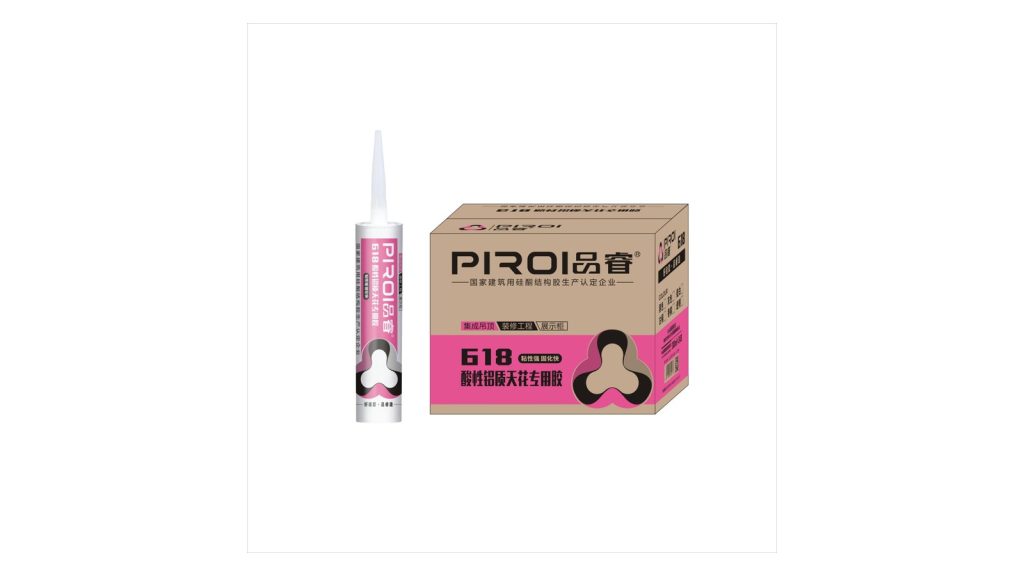 Acidic
Fast Cure Acetoxy Silicone Sealant
Fast curing acetoxy sealant for glass and glazing. Excellent adhesion to glass and ceramics, cost-effective for indoor glass and aquarium work.
View DetailsWhere This Series Is Specified
What acetoxy cure actually does
Acetoxy silicone sealant — also sold as acetic cure silicone and as acid cure silicone — crosslinks by releasing acetic acid while it cures. The smell is the tell: a sharp vinegar note in the first hour. That single by-product decides everything about the grade, including where it bonds fast and without a primer, and where it quietly destroys the substrate underneath.
Most of the confusion in this category is a naming problem rather than a chemistry problem. Acetoxy, acetic cure and acid cure are three names for one product family, and a datasheet using any of them is describing the same mechanism. What changes between grades is cure speed, clarity and how aggressively the acid is buffered, not the chemistry itself.
Where acetoxy is the right choice
Acetoxy grades earn their place where the substrate is glass, ceramic or laminate, and where production speed matters more than substrate breadth:
- Glass to glass and glass to ceramic. The acid actually promotes adhesion on clean glass, so a primer is usually unnecessary.
- Aquarium and display fabrication. Clear acetoxy grades stay transparent and cure fast enough to work on a bench rather than in a rack.
- Sliding door and window assembly lines. Tack-free in minutes means units can be packed the same shift, which is the difference between one and two days of work in progress.
- Mirror and glassware front faces and edges — where the acid never reaches the silvering or the metal fittings behind the glass.
Where acetoxy must never be used
This is the part of the specification that gets skipped, and it is the part that causes failures:
- Anodised aluminium, stainless steel, copper and lead. Acetic acid attacks the protective oxide layer and starts corrosion at the bond line, hidden under the bead until it is structural.
- Natural stone, marble, granite and concrete. Acid etches and stains the surface, and the mark does not come out.
- Mirror backing. The silvering is attacked from the edge inwards and the damage is irreversible by the time it shows on the face. Mirror joints take a neutral grade — no exceptions.
- Insulating glass units, coated and reflective glass edges. The acid can attack the spacer seal and the coating; sealed units are specified with neutral cure products.
- Two-sided and three-sided joints in metal frames. Even where the glass is compatible, the frame usually is not.
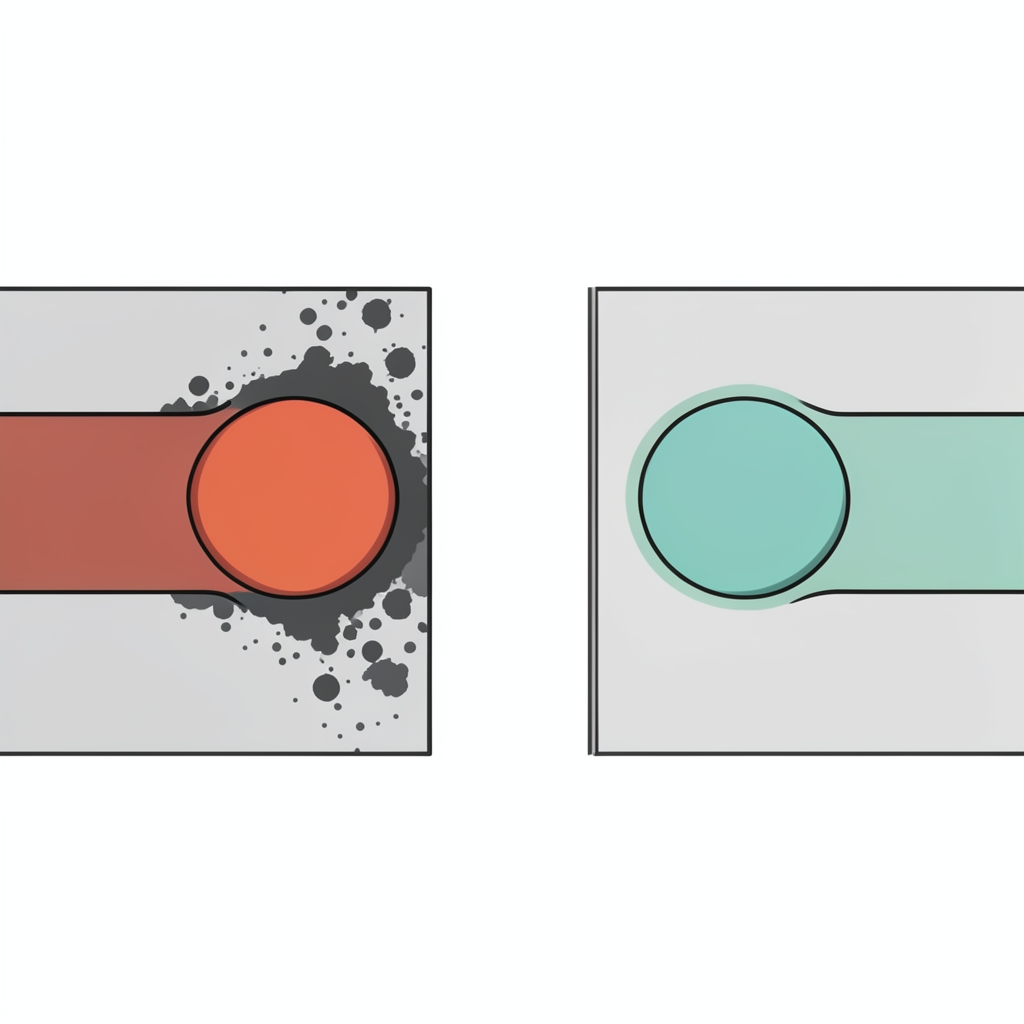
Where a joint mixes glass with metal, the metal wins the decision: specify a neutral cure grade and accept the slower skin time. Our guide to the three cure systems sets out the difference between oxime, alkoxy and acetoxy in detail.
Acetoxy vs neutral vs silane-modified
| Acetoxy (acid cure) | Neutral (oxime / alkoxy) | Silane-modified polymer | |
|---|---|---|---|
| By-product released | Acetic acid | Oxime or alcohol | Alcohol / water |
| Odour while curing | Sharp, vinegar-like | Low | Low |
| Best substrates | Glass, ceramic, laminate | Metals, stone, coated panels | Broad, including damp concrete |
| Cure speed | Fast | Medium | Slower |
| Typical use | Glass fabrication, aquariums, showcases | Facades, windows, sanitary joints | Construction and expansion joints |
| Corrosive to metals | Yes | No | No |
Cartridge, sausage and bulk supply
An acetoxy silicone sealant cartridge is the standard 300 mL rigid pack: one gun, one operator, no tooling, which suits fabrication benches and small assembly cells. Where consumption is higher the same chemistry is available in 590 mL foil sausages for bulk guns, and in drums for automated dispensing lines.
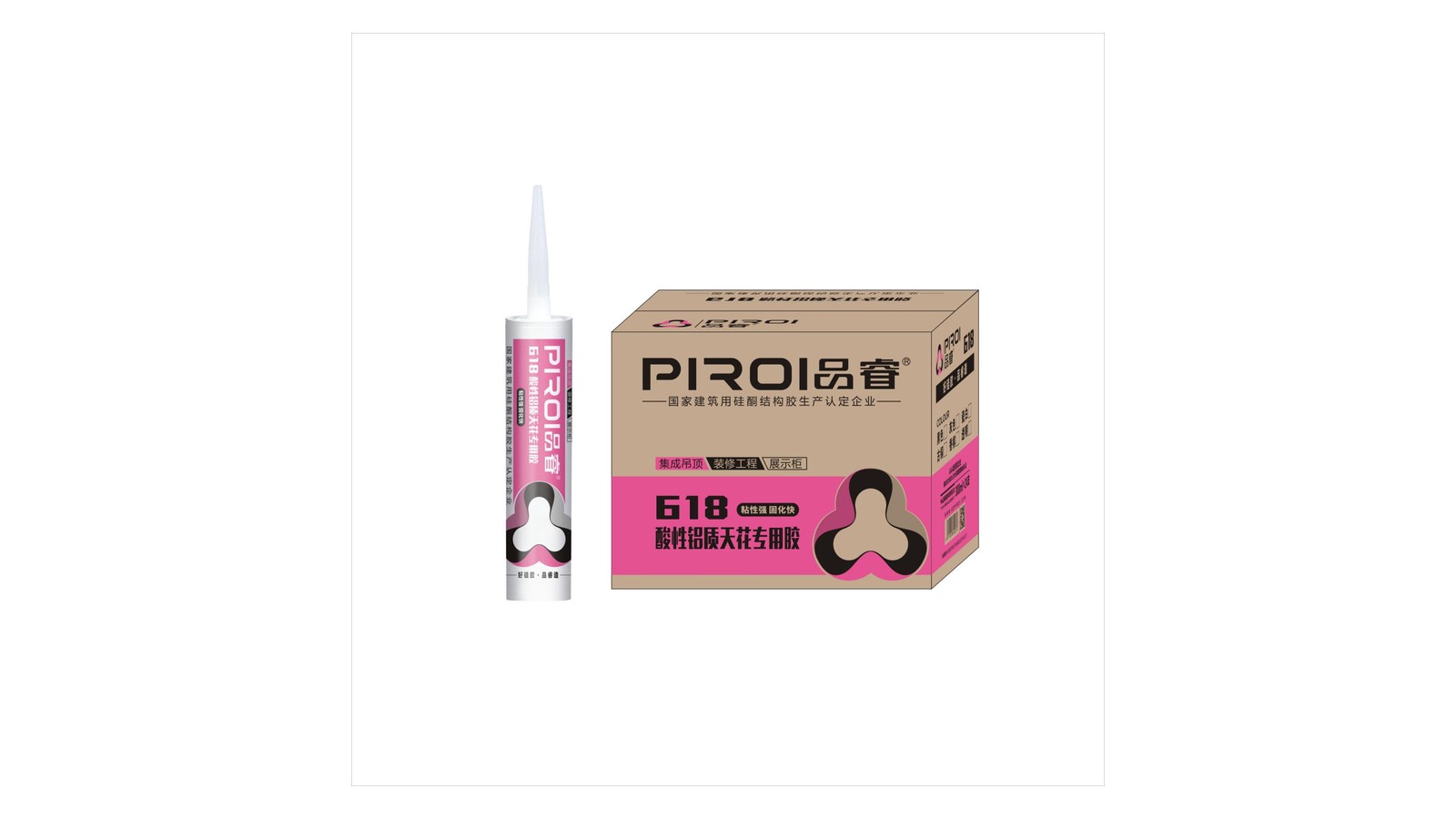
Pack format is worth deciding early, because it fixes the filling line and therefore the minimum order quantity. Cartridge filling and sausage filling are separate lines at our plant, and mixing formats inside one order is possible but changes the schedule.
What to verify before you buy
The grades in this series are tested to GB/T 14683-2017 and supplied with documentation a buyer can audit:
- Standard and reported values — not a datasheet summary, but the test report behind it.
- Certificate of Analysis per batch — every batch is coded, tested before release and archived for 18 months with its own CoA, so a cartridge traces back to its raw material lot.
- Shelf life in writing — 12 months from production date on both formats.
- Transport classification — non-hazardous goods, which keeps ocean freight documentation simple.
- Manufacturer or reseller — as an acetoxy silicone sealant manufacturer we can adjust cure speed and clarity for your line; a trader cannot.
Private label runs start at 1,000 cartridges per model, with mixed-model orders from 3,000. Samples are supplied before mass production so the bead can be gunned on your own glass and in your own climate, and typical lead time is 15 to 25 days after artwork approval. The terms are set out in our guide to private label MOQ and lead time, and the plant is described on the factory page.
How to verify an acetoxy silicone sealant manufacturer
Anyone can put "manufacturer" on a website. These five checks separate a factory that makes acetoxy silicone sealant from a trading company that buys it in — and each one can be answered with a document rather than a claim:
- Ask for the test report, not the datasheet summary. A real acetoxy silicone sealant manufacturer holds reports to GB/T 14683-2017 with measured values, the test method and the laboratory name on them. A trader forwards a PDF that carries someone else's factory name.
- Ask for a Certificate of Analysis from a delivered batch. Every batch we ship is coded, tested before release and archived for 18 months with its own CoA, so a cartridge in your warehouse traces back to its raw material lot. If the CoA cannot be matched to a production date, the "manufacturer" is repacking.
- Ask what can be changed for your line. Cure speed, clarity and buffering of the acid are formulation variables. A manufacturer adjusts them for your production line; a reseller can only offer what is already on the shelf.
- Ask to see the filling and packing in one place. Cartridge filling and sausage filling are separate lines. If the supplier cannot tell you which line your order runs on, the order is being subcontracted.
- Bond a sample on your own glass first. Acetoxy cure behaves differently on float glass, coated glass and laminate. A sample gunned on your actual substrate tells you more than any brochure, and a manufacturer will send it before the order rather than after.
Those five answers are also the fastest way to compare two quotes that look identical on price: the cheaper one usually cannot produce item two or item four. If you need the factory documentation pack for this series before deciding, ask us for it and we will send the reports rather than a summary of them.
Acetoxy Silicone Sealant FAQs
Is acetoxy silicone sealant the same as acetic cure silicone?
Yes. Acetoxy, acetic cure and acid cure all describe the same chemistry — the sealant releases acetic acid as it crosslinks. Suppliers use the three names interchangeably, so a datasheet that says acetic cure silicone is describing an acetoxy product.
Can acetoxy silicone sealant be used on aluminium or stainless steel?
No. Acetic acid attacks the oxide layer on anodised aluminium, stainless steel, copper and lead, which starts corrosion at the bond line where you cannot see it. Metal frames and cladding need a neutral cure grade.
Why does acetoxy sealant damage mirrors?
The silvering on the back of a mirror is attacked by acetic acid. Damage starts at the edge and spreads inwards, and it is irreversible by the time it becomes visible on the face. Mirror joints must use a neutral cure grade.
How fast does acetoxy cure silicone sealant set?
The grades in this series skin in 5 to 12 minutes, so parts can be handled on the same shift. That figure is tack-free time, not full cure — full cure through a 6 mm bead takes considerably longer and depends on temperature and humidity.
Do you supply acetoxy silicone sealant cartridges for OEM?
Yes. PR-618 is supplied in 300 mL cartridges. Private label MOQ is 1,000 pcs per model, samples are sent before mass production, and typical lead time is 15 to 25 days after artwork approval.
Need the Full Specification Pack?
Full specifications, packaging options and certification documents for this series are available on request. OEM & private label from 1,000 pcs.