Two numbers decide whether a private label sealant programme is viable: the minimum order quantity and the lead time. Both are usually quoted as single figures, which is where most first orders go wrong, because neither is a single figure.
This guide sets out our MOQ by order type, the lead times involved, and the sequence from enquiry to delivery so you can plan a launch date against something real.
MOQ by order type
The minimum depends on what you are ordering, not on how much you are spending.
| Order type | MOQ | What it is for |
|---|---|---|
| OEM and private label | 1,000 pcs per model | Your brand, artwork, colour and formulation on a specific model |
| Mixed-model trial order | 3,000 pcs in total | Testing several models, colours or formats in one shipment before committing |
| Stock items | 500 pcs | Standard PR-series packaging, no artwork change |
Our standard OEM and private label MOQ is 1,000 pcs per model. Mixed-model trial orders can be arranged from 3,000 pcs total. Stock items in our standard full silicone sealant range can ship from 500 pcs.
The mixed-model route is the one most first-time private label buyers should take. It lets you put three or four models on the water under one freight cost and find out which ones move, instead of committing a full container to a single SKU you have not sold yet.
What counts as a model
The MOQ is per model because a model is a production setup, not just a product. A model is the combination of:
- Formulation — neutral cure, acetoxy, structural, fire-rated and so on.
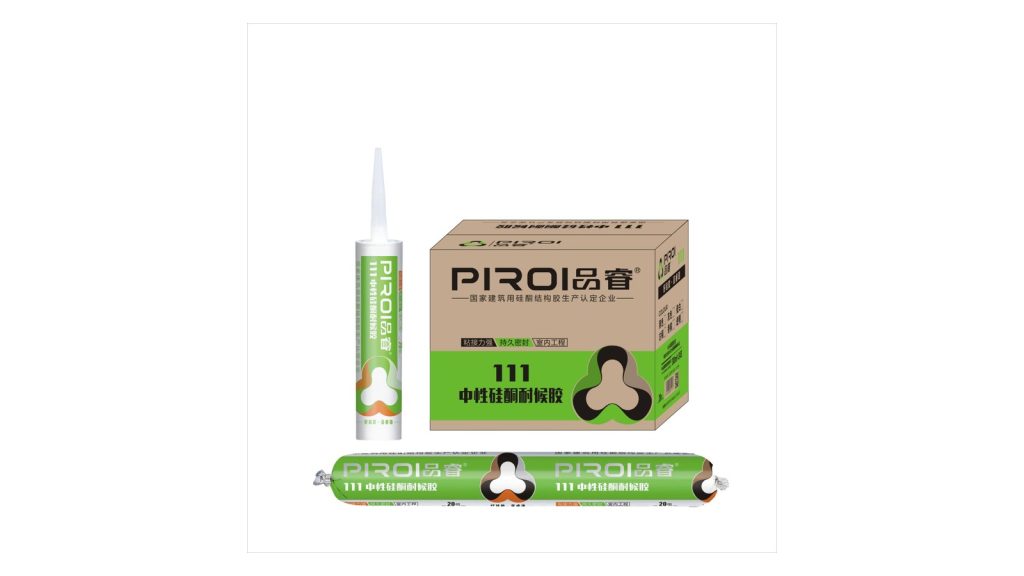
- Pack format — 300 mL cartridge, 590 mL foil sausage, or bulk drum.
- Colour — standard range or a matched custom colour.
- Label and artwork — your brand, your language, your regulatory text.
Change any one of those and the line has to be set up again, which is what the minimum is covering. Buyers who understand this early tend to consolidate their launch range: three models done properly usually outperforms eight models half-launched.
Production lead time
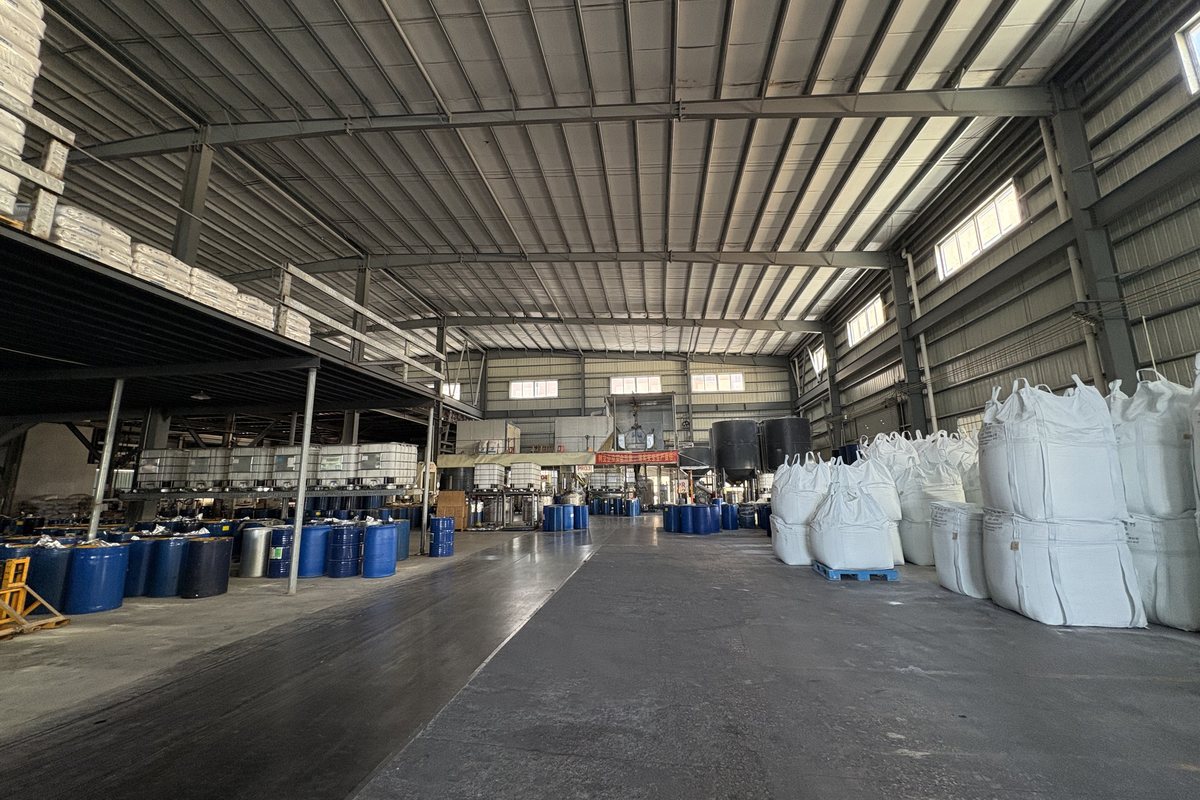
Production lead time is typically 15–25 days after artwork and sample approval. For repeat contract orders on an established specification, standard lead time is around 15 days.
The difference between those two figures is not capacity, it is approval. A first private label order has to clear artwork, colour matching and a sample sign-off before the line is scheduled. A repeat order on a specification that already exists goes straight into the queue.
Sea freight transit
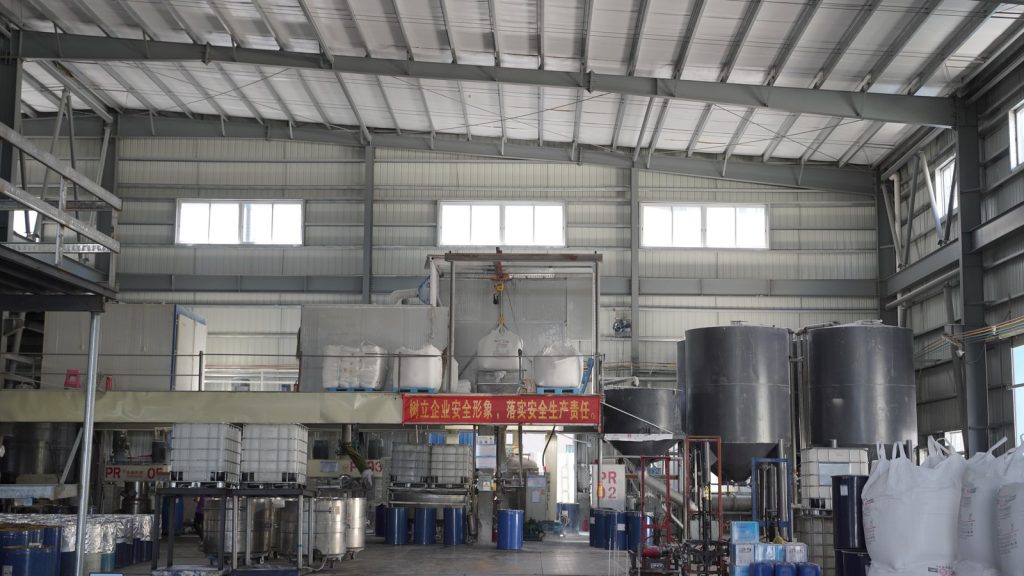
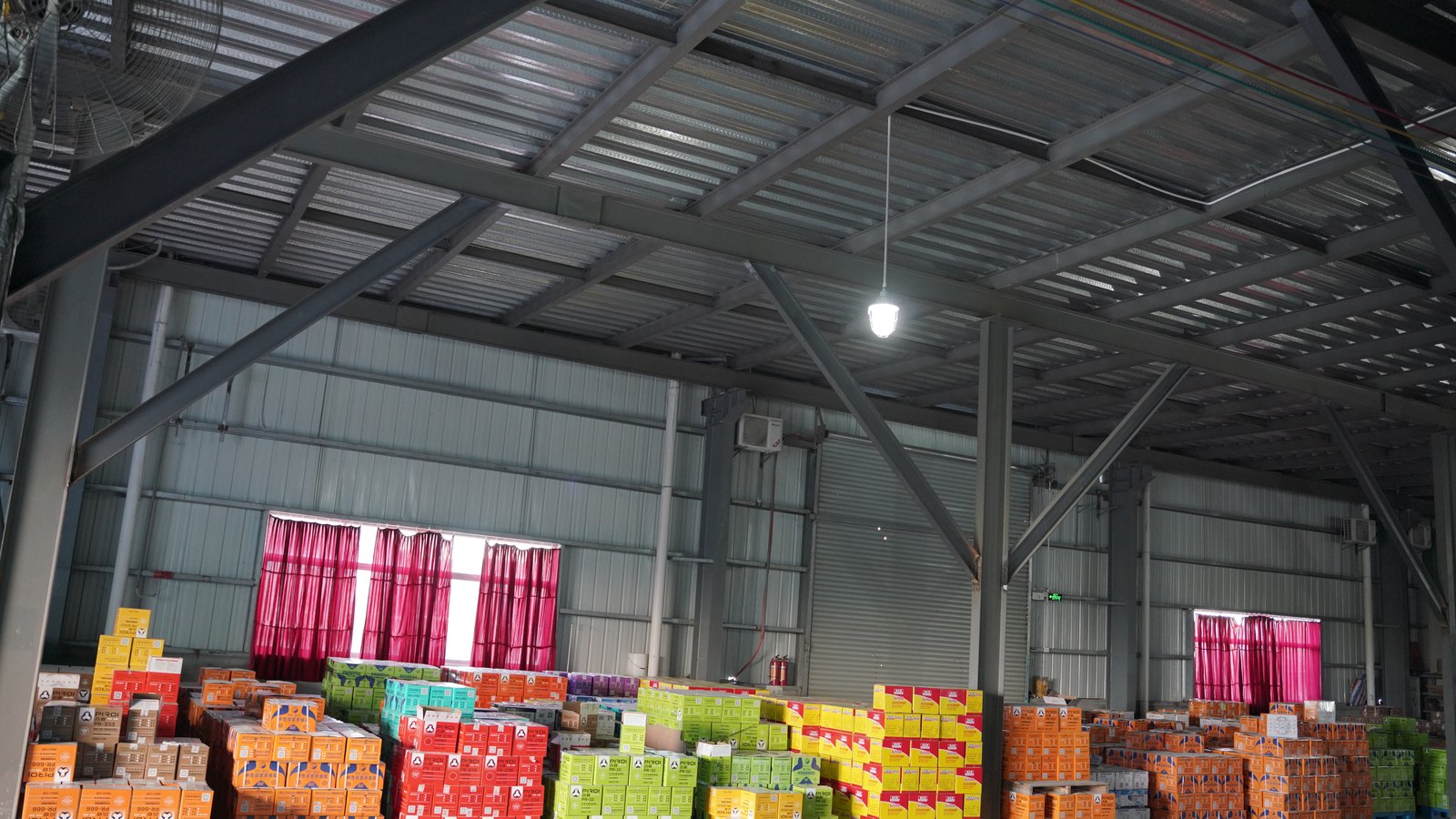
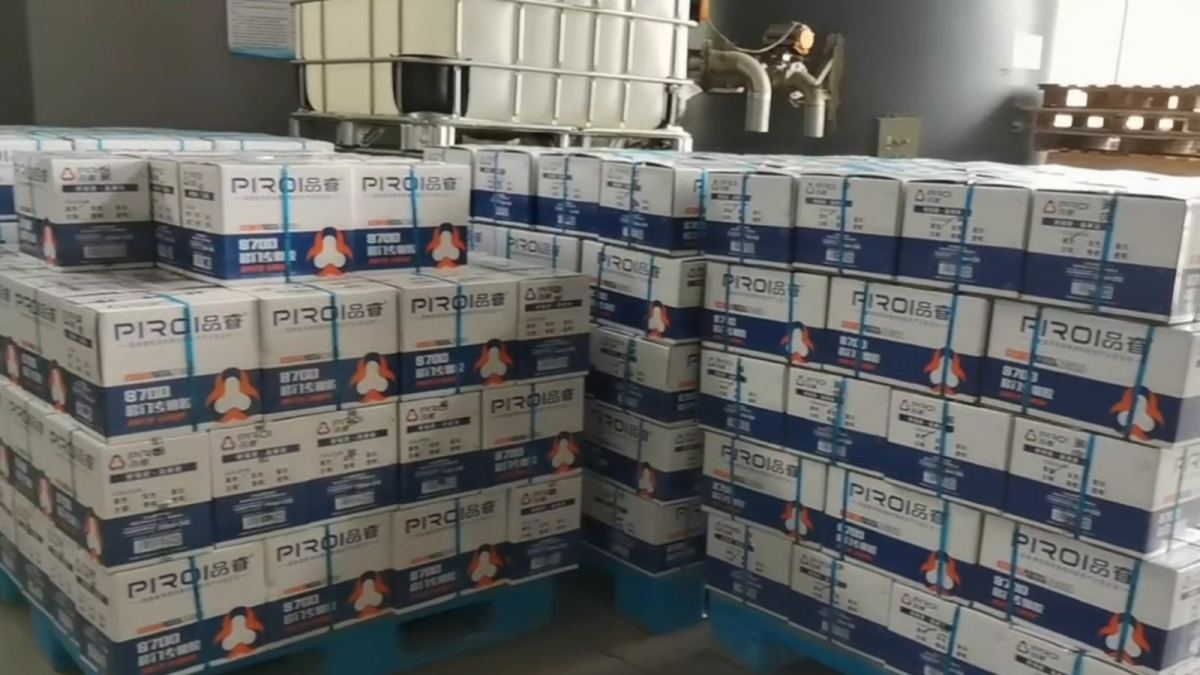
Transit is separate from production and should be planned separately. We ship from Shenzhen (Yantian / Shekou) and Nansha, with 7–15 days direct sea freight to Ho Chi Minh, Bangkok, Port Klang and Jakarta. Our factory runs eight automated filling lines with in-process checks and batch testing, which is what keeps repeat-order lead times stable at around 15 days.
So the honest total for a first private label order to a Southeast Asian port is roughly: approval period, plus 15–25 days production, plus 7–15 days transit, plus customs clearance at destination. Buyers who plan against the production figure alone are usually two to three weeks optimistic by the time the goods are in their warehouse.
The full timeline from enquiry to delivery
- Enquiry and specification. Tell us the models, the market, the pack format and whether you need your own brand on the label.
- Quotation. We quote against the specification, not against a generic price list.
- Samples. 2 to 4 free sample cartridges or sausages, plus a free adhesion and staining test on your own substrate sample.
- Sample approval. You confirm the formulation and the substrate test result.
- Artwork and colour approval. Cartridge artwork, label text and colour match are signed off. This is the step that most often slips.
- Production. Typically 15–25 days after approval.
- Documents and loading. FORM E, packing list, Certificate of Analysis and third-party test reports prepared with the loading plan.
- Sea freight. 7–15 days to ASEAN ports.
- Destination clearance. Handled by your customs broker against the document set we provide.
What delays an order
In our experience these are the five causes, in order of frequency:
- Artwork revisions. Each round of label changes pushes the line slot. Finalise the label before you finalise the order.
- Colour approval. Custom colour matching needs a physical reference and a sign-off on a cured sample, not on a screen.
- Sample testing time. If your own customer has to approve the sample, that period sits inside your lead time. Start it early.
- Peak season scheduling. Capacity is finite and shared across contract orders. Confirm dates before peak periods rather than during them.
- Document preparation. FORM E and legalised documents take time to arrange. Tell us the consignee requirements at enquiry stage so they are built into the schedule.
Sample and approval process
Samples are the cheapest part of the programme and the part most worth using properly.
- 2 to 4 free sample cartridges or sausages per model, so you can test more than one substrate or application.
- Free substrate adhesion and staining test on your own material and finish. Send the actual aluminium, stone or uPVC profile you will be sealing against, not a generic sample.
- Trial samples shipped to ASEAN ports within 7–15 days where a project needs material on site for a mock-up.
Ordering private label silicone sealant
We are a silicone sealant manufacturer selling direct to importers, distributors and private label brands, with no trading company between you and the production line. Our OEM and private label programme starts at 1,000 pcs per model, mixed-model trial orders from 3,000 pcs total, and stock items from 500 pcs.
If you are comparing several silicone sealant manufacturers in China, the MOQ and lead time figures above are the ones to compare like for like — ask whether the quoted MOQ is per model or per order, and whether the quoted lead time starts from enquiry or from artwork approval.
If you tell us your target launch date and your market, we will work backwards to the approval dates you need to hit. If you have a specification clause, a joint detail or a label draft you want checked against the product before you commit, send it through and our technical team will respond with a recommendation rather than a catalogue.
OEM or private label: which one are you actually ordering?
Buyers often use silicone sealant OEM private label as one phrase, but the two models differ in what you own and what the factory owns:
| OEM | Private label | |
|---|---|---|
| Whose specification | Yours — the grade is adjusted to meet it | Ours — an existing grade carries your brand |
| What changes | Formulation, cure speed, modulus, colour | Artwork, cartridge print, outer carton |
| Who carries the technical risk | Shared, because the spec is agreed in writing | The factory, because the grade is already proven |
| Typical MOQ | 1,000 pcs per model | 1,000 pcs per model, mixed models from 3,000 pcs |
| Lead time | 15–25 days after spec and artwork approval | 15–25 days after artwork approval |
Most first orders are private label: take a proven grade, put your brand on it, test the market. OEM follows once a market’s requirement is specific enough to justify a formulation change — a different standard, a climate that demands a faster or slower cure, or a colour the catalogue does not carry. Samples come before either, so the grade can be gunned on your own substrates first.
Whether you frame it as silicone sealant oem private label or as two separate orders, the artwork approval is what sets the start date.
OEM versus private label: the packaging side of the decision
The difference between OEM vs private label silicone sealant shows up most clearly on the cartridge, not in the formulation. In an OEM order the specification is yours and the factory adjusts the grade to meet it; in a private label order an existing grade carries your brand, and what changes is artwork, cartridge print and outer carton.
That makes packaging the part of the order most likely to go wrong, because it is the part with the most variables and the least testing. Five OEM sealant packaging claims to verify before you approve artwork:
- Cartridge colour and print method. A printed sleeve and a direct-printed cartridge look different at retail. Ask which one the quote covers.
- Label language and safety text. The safety panel has to match the market you are selling into, not the market you are manufacturing in. Get the text approved in writing before printing.
- Batch and date coding location. A code that rubs off in transit is a traceability failure. Ask where the code is applied and confirm it survives handling.
- Outer carton specification. Carton strength, pallet configuration and the number of layers on a pallet decide whether the shipment arrives square. Ask for the pallet plan.
- Artwork approval route. The lead time starts from artwork approval, so the approval step is on the critical path. Confirm who signs and in what format.
All five are answerable before the order is placed. The ones that are usually skipped are three and five, and they are the two that cause disputes after the container arrives.
Where a buyer frames the order as oem vs private label silicone sealant, the packaging questions above are the ones that decide whether the container matches the approved sample. The five oem sealant packaging claims to verify are cartridge print method, safety text language, batch coding location, outer carton and pallet plan, and the artwork approval route — all answerable before the order is placed.