Silicone sealants are usually sold as “neutral” or “acetoxy”, but neutral cure is not one chemistry. It covers two different systems — alkoxy and oxime — with different byproducts and different behaviour. The distinction matters when the joint touches a reactive substrate or an IGU spacer.
This guide compares the three cure chemistries on the points that decide a specification: byproduct, substrate risk, cure speed and where each belongs.
How each chemistry cures
All three cure by reacting with atmospheric moisture. What differs is what leaves the joint while they cure.
- Acetoxy (acid cure) — releases acetic acid, which is why it smells of vinegar. Fast skinning and strong adhesion to glass, which is why it dominates interior glazing fabrication.
- Alkoxy — releases alcohol, typically methanol. Chemically benign and non-acidic, so it is safe on reactive substrates.
- Oxime — releases methyl ethyl ketoxime (MEKO). Also non-corrosive, with a different odour profile from alkoxy.
Alkoxy and oxime are both “neutral cure”, and both are non-corrosive. The two are grouped in the specification because they share the property that matters — no acid — not because they are identical.
Comparison on the points that decide a specification
| Acetoxy | Alkoxy | Oxime | |
|---|---|---|---|
| Byproduct | Acetic acid | Alcohol (methanol) | MEKO |
| Corrosive to metal | Yes | No | No |
| Safe on alkaline substrate | No | Yes | Yes |
| Safe on mirror backing | No | Yes | Yes |
| Cure speed | Fastest | Moderate | Moderate |
| Typical position | Interior glass, showcases, aquarium | Facade, concrete, metal | Facade, concrete, metal |

Where acetoxy must not be used
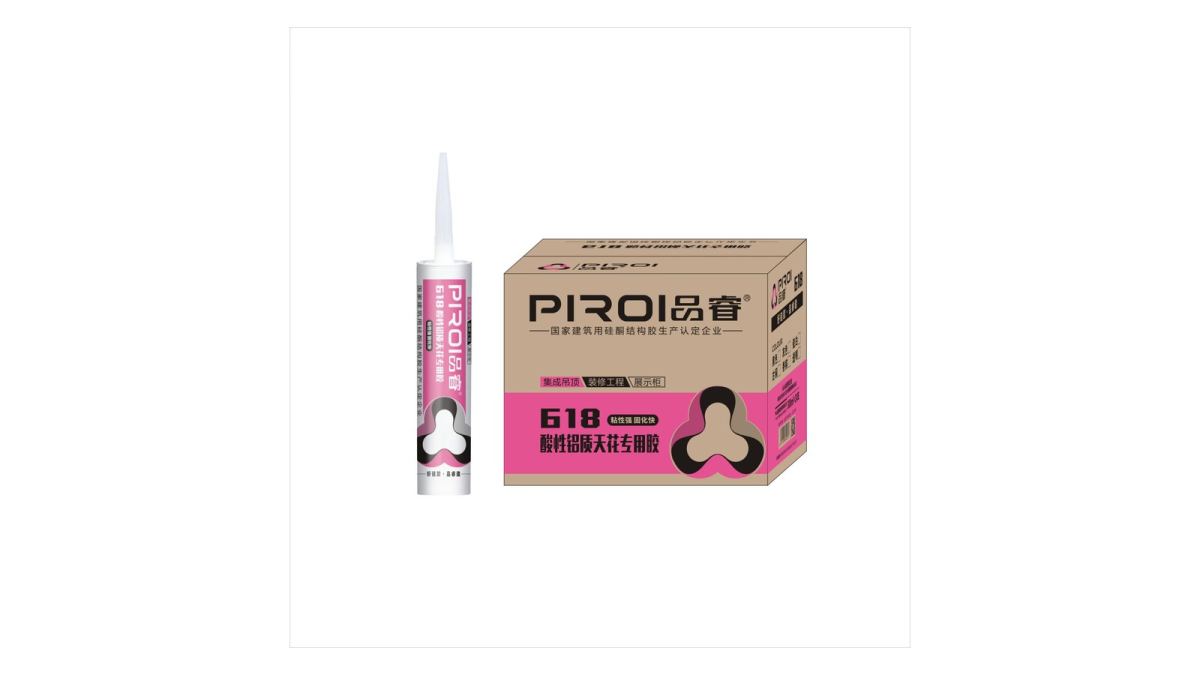
Acetoxy is the fastest of the three and the most economical on interior glass, which is why it is widely used — our acetoxy fast cure grade is built for that position. It is also the one with hard limits:
- Mirror backing — the acid attacks the copper layer at the cut edge. The black edge that appears months later is not a mould problem.
- Bare and anodised aluminium — the acid attacks the finish and the passive layer.
- Concrete, mortar, stone and render — alkaline substrates, so the acid reacts with the calcium compounds and leaves permanent staining.
- Laminated glass edges — acid vapour attacks the interlayer.
- Structural load-bearing joints — a structural silicone must be neutral cure.
The mirror failure mode is covered in detail in the mirror backing guide.
Why “neutral cure” covers two chemistries
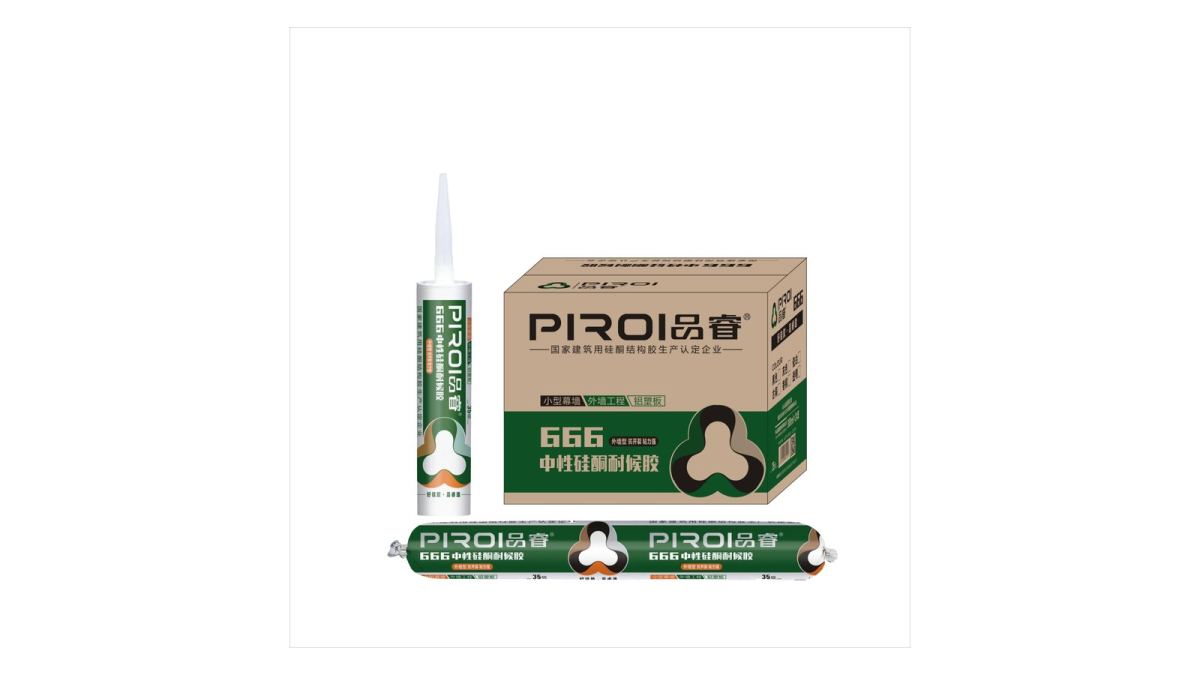
Both alkoxy and oxime systems release non-corrosive byproducts, so they will not etch anodised aluminium mullions or attack laminated glass interlayers. That shared property is why both are specified for facade, concrete and metal work, and why a supplier can offer one product family across all of those positions. Our neutral range is built on this basis — see the neutral weatherproof silicone sealant for the facade grades.
For the specification, the practical point is that “neutral cure” is the requirement to write down; which of the two systems the manufacturer uses is a production decision, provided the adhesion and movement data is on the batch report. For IGU positions the secondary seal has an additional constraint — see the silicone sealant for insulating glass page.
What this means per substrate
| Position | Chemistry | Why |
|---|---|---|
| Structural glazing | Neutral cure structural grade | Load-bearing, and must not attack the frame finish |
| Facade weatherseal | Neutral cure weatherproof grade | Coated and anodised aluminium contact |
| Precast concrete and masonry | Neutral cure | Alkaline substrate, acid causes permanent staining |
| IGU secondary seal | Neutral cure | Must not attack the primary seal, spacer or desiccant |
| Mirror installation | Neutral cure, mirror grade | Protects the copper backing layer |
| Interior glass, showcases, aquarium | Acetoxy acceptable | Fast cure on smooth glass, no reactive substrate present |
Ordering the right chemistry
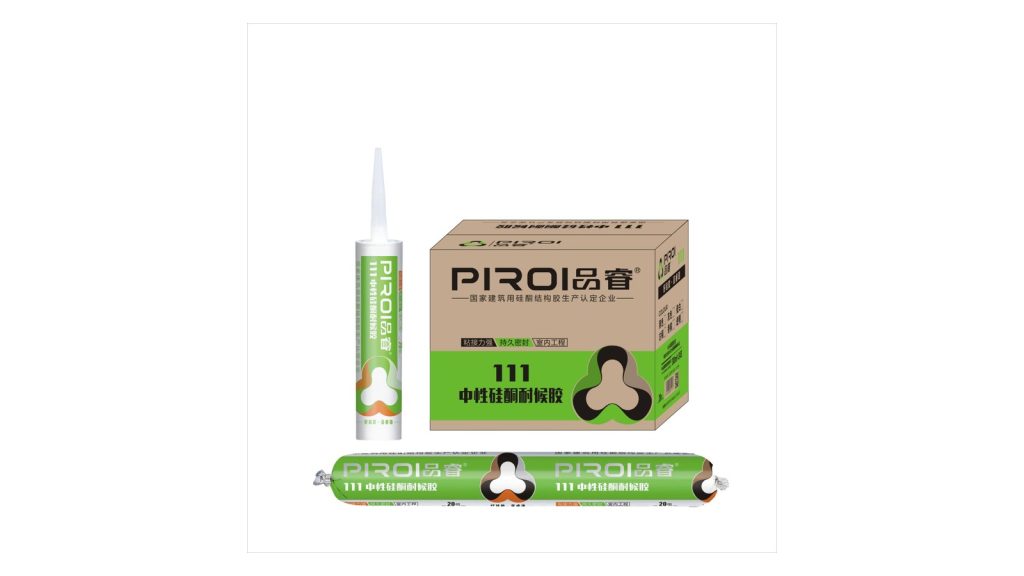
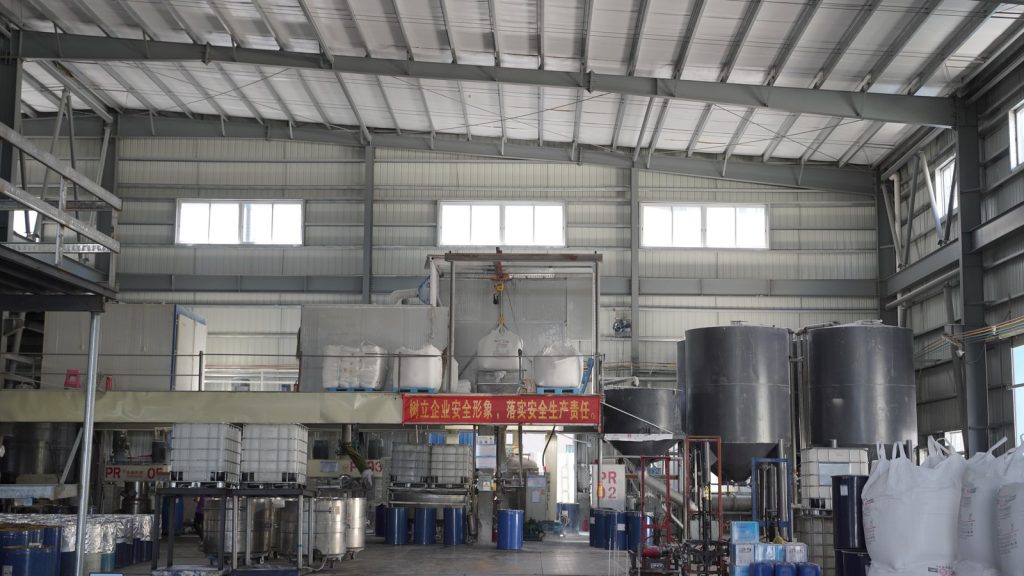
We are a silicone sealant manufacturer selling direct to importers, distributors and private label brands. The range is 17 models across four series: Series 1 covers weatherproof and structural grades, Series 2 sanitary and interior, Series 3 industrial and new energy, and Series 4 acetoxy — all filled at our Zhongshan factory. Certification and the document set are listed at certifications.
- MOQ — OEM and private label from 1,000 pcs per model; mixed-model trial orders from 3,000 pcs total; stock items from 500 pcs.
- Lead time — typically 15–25 days after artwork and sample approval.
- Samples — 2 to 4 free sample cartridges or sausages, plus a free substrate adhesion and staining test on your own material.
- Documentation — Certificate of Analysis per batch, third-party test reports, FORM E and packing list.
Tell us the substrate and the joint position and we will confirm the chemistry before you order. The cure chemistry is not a preference — it is decided by what the sealant touches, and getting it right at specification stage is what keeps the joint out of a claim.