A buyer comparing a Chinese sealant datasheet with a European or American one is usually looking at two different measuring systems and assuming the numbers can be compared. They cannot — at least not line by line. A GB/T 14683 report and an ASTM C920 report both describe a sealant, but they ask different questions and report different values.
This guide is about how the two systems differ, which figures are genuinely comparable, and what to ask a supplier for when your specification names one standard and the factory tests to another.

The standards you will actually see
| Standard | Where it is used | What it governs |
|---|---|---|
| GB/T 14683 | China | General construction silicone sealants — the main standard for weatherseal and general-purpose grades |
| GB 16776 | China | Structural silicone sealant for building glazing — the load-bearing position |
| JC/T 485 | China | Window and door sealants |
| JC/T 885 | China | Anti-mould sealants, graded by mould growth resistance |
| ASTM C920 | North America | Elastomeric joint sealants, classified by movement capability (Class 12.5 / 25 / 35 / 50) |
| ASTM C1184 | North America | Structural silicone sealants |
| ISO 11600 | Europe / international | Classification of sealants by type, use and movement (e.g. F 25 LM) |
Note that ASTM C920 and ISO 11600 are classification systems: a product is described by a code that encodes movement capability and use. GB/T 14683 is a specification with fixed test values and limits. That structural difference is the source of most confusion.
What each system actually measures
| Property | GB/T 14683 approach | ASTM C920 approach | Comparable? |
|---|---|---|---|
| Movement capability | Implied by the grade and tested through extension/compression cycles | Stated directly as a class (±12.5% to ±50%) | 🟡 Comparable in intent, not in number |
| Tensile modulus | Reported in MPa at a stated temperature | Reported and used to classify as low / medium / high modulus | ✅ Comparable if the temperature is stated |
| Sag resistance | Millimetres of sag at a vertical joint | Millimetres of sag at a vertical joint | ✅ Comparable |
| Tack-free time | Hours | Hours | ✅ Comparable |
| Extrusion rate | mL/min or seconds | mL/min | 🟡 Watch the unit — seconds and mL/min run opposite ways |
| Adhesion after water immersion | Reported as pass / fail at a stated elongation | Reported as pass / fail at a stated elongation | ✅ Comparable in intent |
| Mass loss | Percentage after heat ageing | Percentage after heat ageing | ✅ Comparable |
The trap is movement capability. An ASTM Class 25 product is rated to accommodate ±25% of the joint width. A GB/T 14683 grade may pass the same extension/compression cycles without stating a percentage at all. Reading “passes GB/T 14683” as “equivalent to Class 25” is an assumption, not a fact.
The four figures that travel between systems
If you need to compare a Chinese report with a European or American specification, these four values are the ones that can be compared once the test temperature is stated:
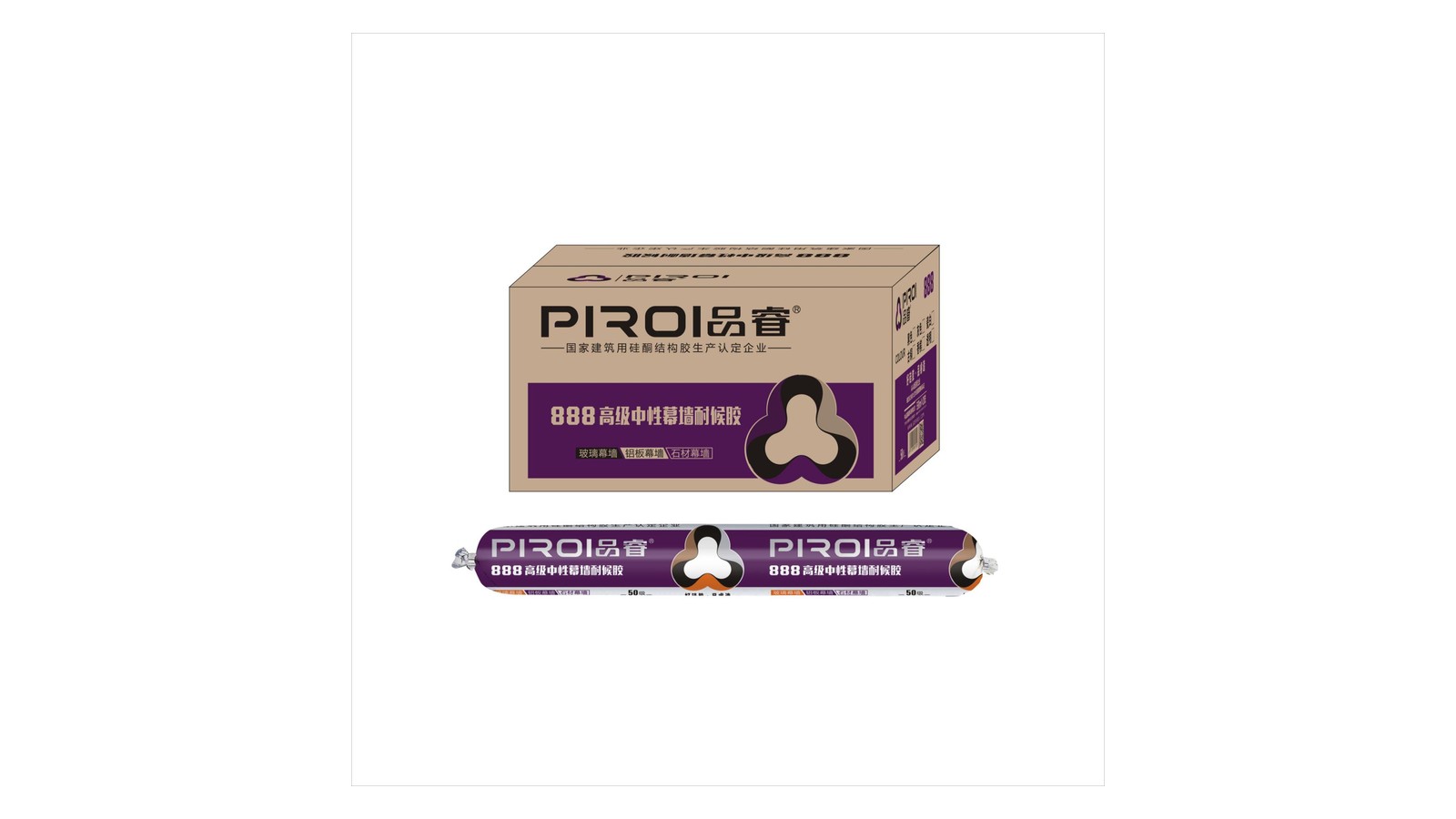
- Tensile modulus at 23 °C — low modulus means the bead moves with the joint; high modulus means it resists. Our PR-888 reports 0.9 MPa; PR-666 reports 0.6 MPa; PR-333 reports 0.7 MPa.
- Elastic recovery — how completely the bead returns to shape. PR-888 reports 92% against a Chinese minimum of 80%.
- Mass loss rate — how much the bead volatilises away. PR-888 reports 4.2% against a limit of 8%.
- Adhesion at maintained elongation, after water immersion and after cold-draw — all three reported as pass/fail. On PR-888 all three report no failure.
Those numbers mean the same thing in any system, because the underlying physical test is the same. A modulus figure, a recovery percentage and a mass loss percentage do not change meaning when the report is translated.
What to ask for when the standards differ
- Ask for the report, not the certificate. A certificate says a quality system exists; a report shows what a specific batch measured. Our guide to reading a silicone sealant test report sets out the fields that must be present.
- Ask which standard, and which grade within it. “GB/T 14683” alone is not an answer; the grade and the reported values are.
- Ask for the laboratory name. An accredited third-party laboratory (CNAS or CMA in China) carries more weight than an in-house summary.
- Ask for the same four figures above. They are comparable across systems, so they give you a way to check a claim without translating an entire standard.
- Ask for a batch CoA from a delivered shipment. Every batch we ship is coded, tested before release and archived for 18 months with its own Certificate of Analysis.
Where this matters commercially
Two quotes can look identical while testing to different standards, and the cheaper one usually wins on paper. The check that resolves it is not a debate about standards — it is asking for the four comparable figures and the report behind them. A supplier who cannot produce a mass loss figure or an elastic recovery percentage is quoting a category rather than a product.
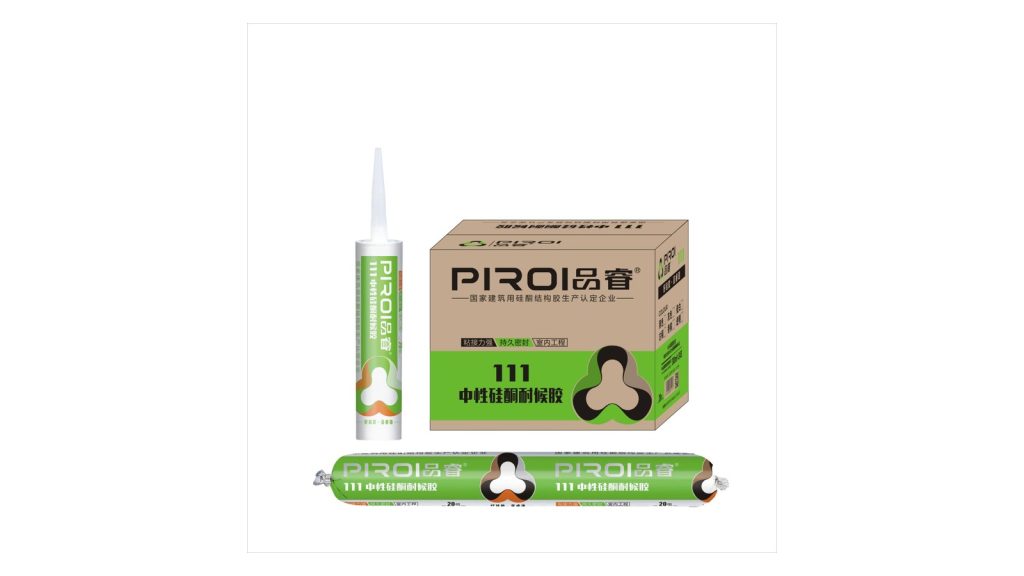
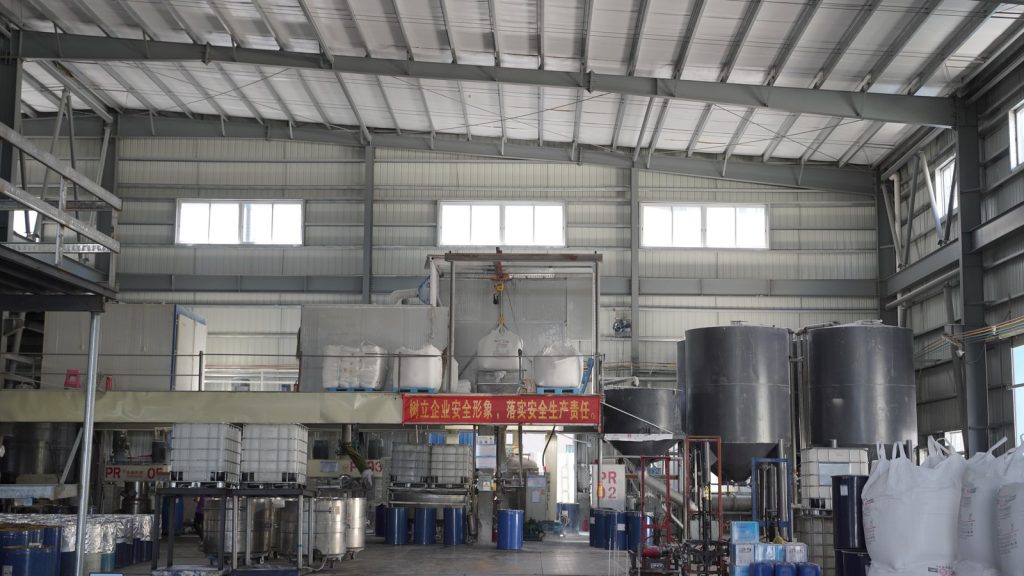
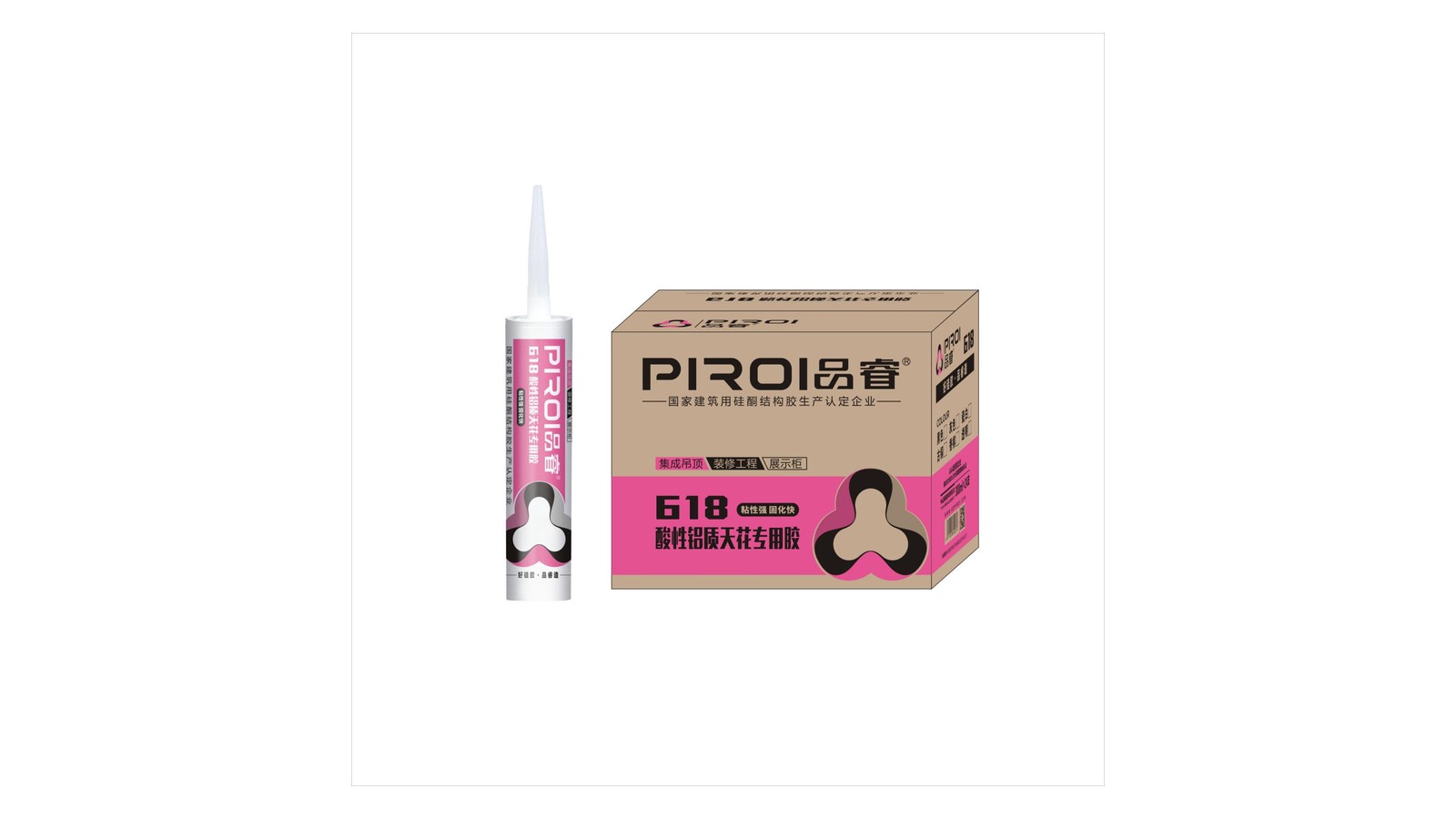
Our grades are tested to GB/T 14683-2017, GB 16776-2025, JC/T 485-2007 or JC/T 885-2016 depending on position, with values reported on the test report rather than summarised on a datasheet. The certificates and the scope of registration are on the certifications page, the plant is described on the factory page, and the full range is on the full silicone sealant range.
Ordering documentation with the sealant
- MOQ — 1,000 cartridges per model for private label, with mixed-model orders from 3,000.
- Lead time — typically 15 to 25 days after artwork approval.
- Samples — supplied before mass production, so the grade can be tested on your own substrate first.
- OEM and private label — formulation adjustment to the standard your market names, plus cartridge and label artwork handled in-house.
- Documentation — CoA per batch archived for 18 months, the test report behind each figure, and the usual export paperwork.
The commercial terms are set out in our guide to private label MOQ and lead time.
If your specification names ASTM or ISO and you need to know whether a Chinese-tested grade will satisfy it, send the specification clause and the joint detail and our technical team will confirm what can and cannot be shown on paper — or start from the PIROI site for the rest of the range.