Most first orders that run late do not run late in production. They run late in approval: an RFQ that did not specify the joint, a colour that was never signed off on a cured sample, or a sample that went to the buyer’s own customer and came back a month later.
This guide sets out what to put in an RFQ for silicone sealant, how formulation matching and sampling work, and the sequence from enquiry to container loading — so you can plan a launch date against something real.
What to put in the RFQ
A quotation is only comparable if the specification is. Include these eight points and you will get numbers you can put side by side:
- Application and substrate. What is being sealed, and against what — aluminium, uPVC, glass, concrete, stone, coated metal. This decides the chemistry before anything else.
- Joint dimensions. Width and depth in millimetres, and the run length. Consumption per metre equals joint width multiplied by joint depth, which gives millilitres per metre.
- Movement requirement. Whether the joint is static or moving, and by how much. This decides whether a Class 25 or Class 50 grade is needed.
- Chemistry preference or constraint. Neutral cure is required against aluminium, concrete, stone and mirror. Acetoxy is acceptable on interior glass where no metal or concrete is present.
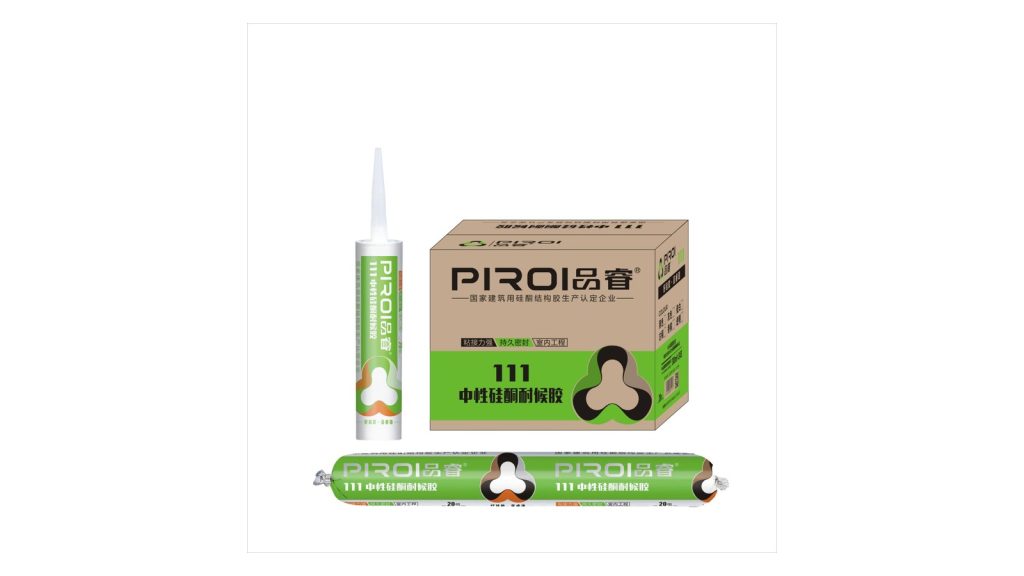
- Pack format. 300 mL cartridge, 590 mL foil sausage, or bulk drum — and which dispensing equipment your applicators use.
- Colour. Standard or matched, with a physical reference rather than a screen image.
- Branding. Whether you need your own label, and what artwork or regulatory text it carries.
- Volume and destination. Expected quantity, the port, and the consignee’s documentation requirements including whether FORM E is needed.
An RFQ that names the joint, the substrate and the format gets a usable quotation. An RFQ that asks for “the price of silicone sealant” gets a range that tells you nothing about your actual cost per metre.
The seven stages from enquiry to delivery
- RFQ and specification. You send the application, joint detail, format and volume.
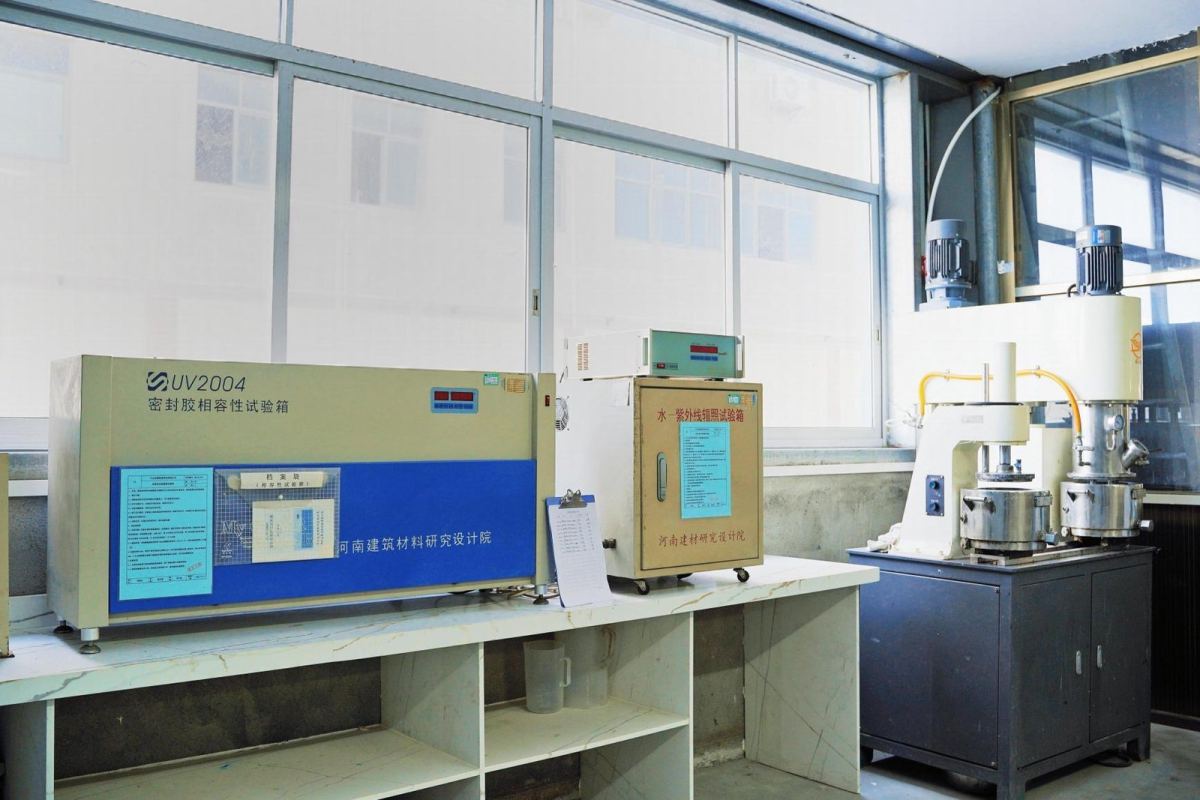
- Formulation matching. We match the requirement to a model in the range, or confirm that an existing formulation fits. Our in-house laboratory handles formulation matching rather than quoting whatever is closest on the shelf.
- Sampling. 2 to 4 free sample cartridges or sausages, plus a free substrate adhesion and staining test on your own material and finish.
- Sample approval. You confirm the formulation and the substrate test result. This is the stage that decides whether the order is on time.
- OEM artwork and colour approval. Cartridge artwork, label text and colour match signed off against a cured sample.
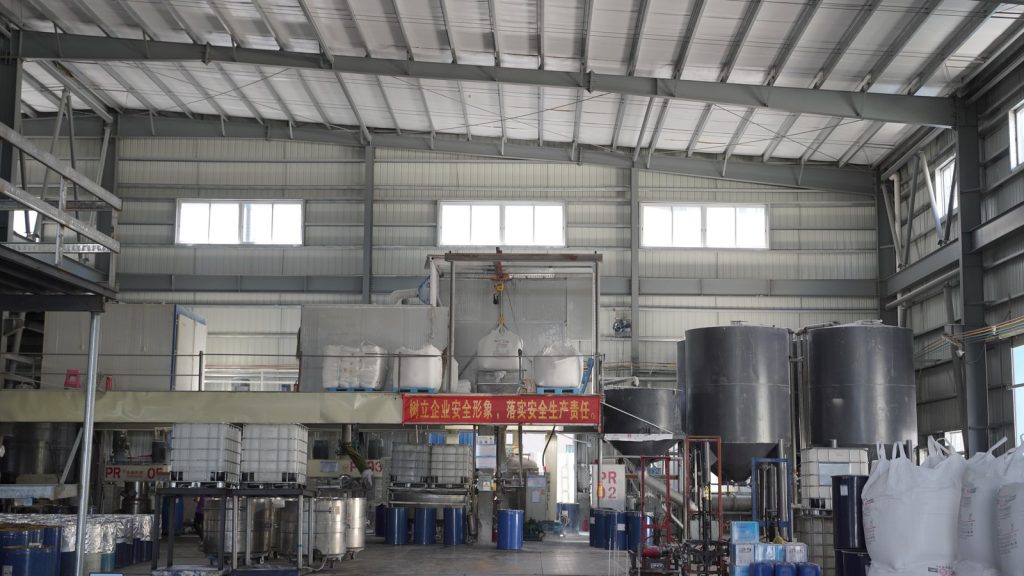
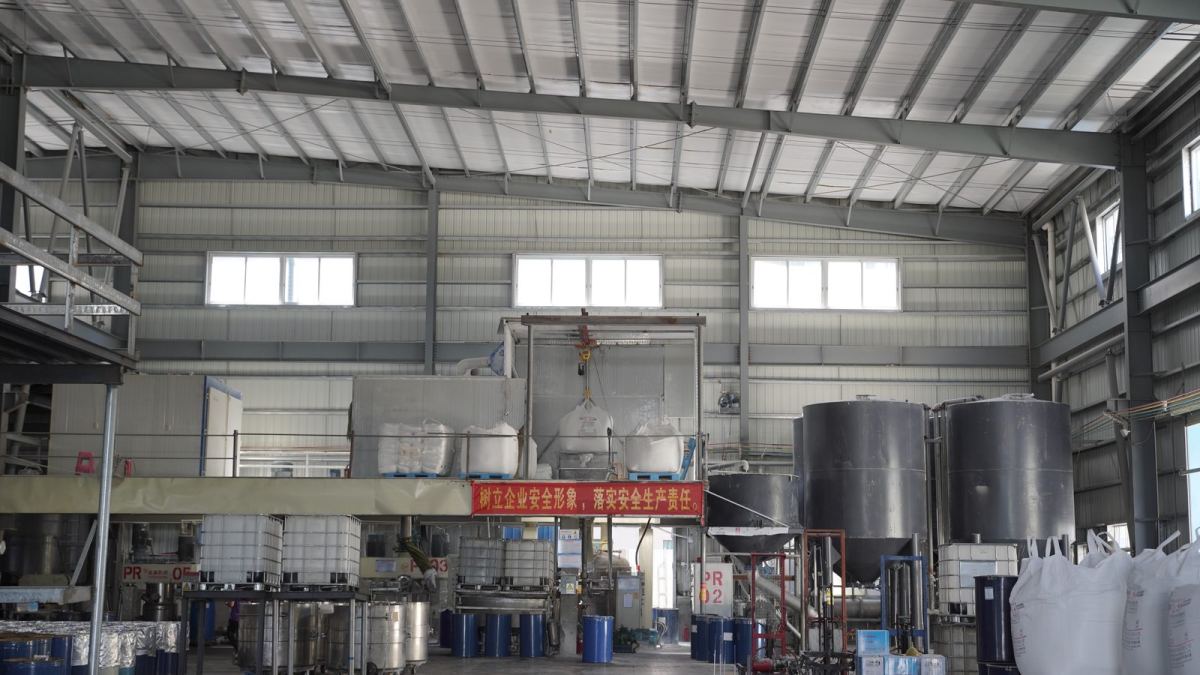
- Mass production. Typically 15–25 days after artwork and sample approval, on eight automated filling lines with in-process checks and batch testing.
- QC inspection, documents and container loading. Batch testing, Certificate of Analysis, FORM E, packing list and third-party test reports, prepared with the loading plan.

Formulation matching
Formulation matching is the step buyers skip when they are in a hurry, and the one that causes the most rework later. Two things are being checked:
- Does the chemistry suit the substrate? A neutral cure grade against aluminium, concrete, stone or mirror; an acetoxy grade only where none of those are present.
- Does the movement capability suit the joint? A joint that has to absorb thermal movement needs a defined movement class, not a general-purpose sealant.
If the answer is that no standard model fits, that is worth knowing at RFQ stage rather than after sampling. Our full silicone sealant range covers 17 models across four series, so most requirements map onto an existing formulation rather than a custom development.
Sampling
Samples are the cheapest part of the programme and the part most worth using properly.
- 2 to 4 free sample cartridges or sausages per model, so you can test more than one substrate or application.
- Free substrate adhesion and staining test on your own material and finish. Send the actual aluminium, stone or uPVC profile you will be sealing against, not a generic sample — adhesion is a property of the specific coating, not of the material category.
- Trial samples shipped to ASEAN ports within 7–15 days where a project needs material on site for a mock-up.
Test the sample the way the job will be done: same substrate, same joint geometry, same weather if you can. A sample that passes on a laboratory panel and fails on a powder-coated profile has told you something useful — but only if the profile was in the test. For window and door work, the silicone sealant for window and door frames covers the joint geometry the sample should be tested against.
What delays approval
In our experience, five things account for most of it:
- Artwork revisions. Each round of label changes pushes the line slot. Finalise the label before you finalise the order.
- Colour approval by screen. Colour has to be signed off on a cured physical sample. Approving from a monitor guarantees a mismatch.
- Sample testing through your own customer. If your customer has to approve the sample, that period sits inside your lead time. Start it early.
- Documentation requirements raised late. FORM E and legalised documents take time to arrange. Tell us the consignee requirements at RFQ stage.
- Peak season scheduling. Capacity is finite and shared across contract orders. Confirm dates before peak periods rather than during them.
Mass production and QC
Production lead time is typically 15–25 days after artwork and sample approval. For repeat contract orders on an established specification, standard lead time is around 15 days — the difference is approval, not capacity.
Every batch produced at our plant is coded, tested and archived for 18 months with its own Certificate of Analysis, and we can trace any cartridge back to its raw material lot. Every production batch is backed by third-party CNAS / CMA accredited laboratory reports covering tensile adhesion strength, elongation, sag resistance and heat ageing. The batch quality guide covers what those reports contain and how to use them.
Container loading and documents
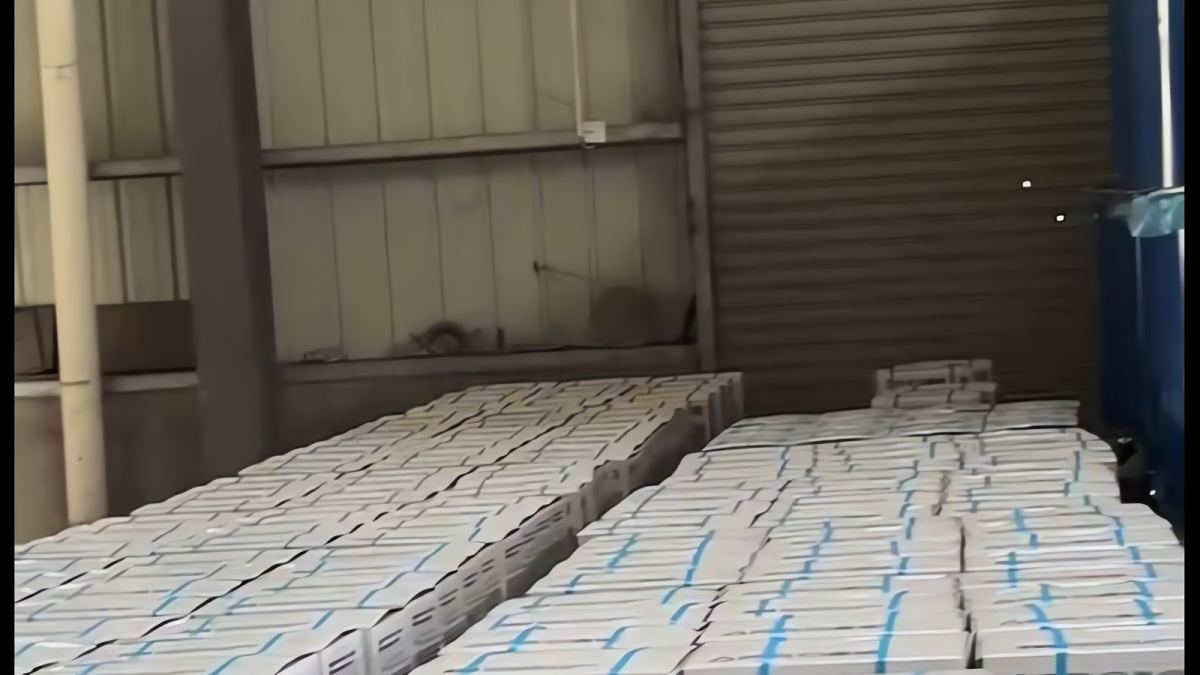
We ship from Shenzhen (Yantian / Shekou) and Nansha, with 7–15 days direct sea freight to Ho Chi Minh, Bangkok, Port Klang and Jakarta. Pallet configuration is planned for 20 ft and 40 ft containers against the format you order, and every shipment ships with FORM E, packing list, Certificate of Analysis and test reports.
So the honest total for a first order to a Southeast Asian port is: the approval period, plus 15–25 days production, plus 7–15 days transit, plus destination clearance. Buyers who plan against the production figure alone are usually two to three weeks optimistic by the time the goods are in their warehouse.
Sending an RFQ
We are a silicone sealant manufacturer selling direct to importers, distributors and private label brands, with full batch traceability from raw material lot to sealed carton at our Zhongshan factory. Our OEM and private label programme starts at 1,000 pcs per model (MOQ is per model, not per order), with mixed-model trial orders from 3,000 pcs total and stock items from 500 pcs.
Send the application, the joint detail, the pack format and the destination, and our technical team will respond with a recommendation rather than a catalogue. If you have a specification clause or a joint drawing you want checked against the product before sampling, include it in the RFQ — it is faster to resolve on paper than after the samples have been made.