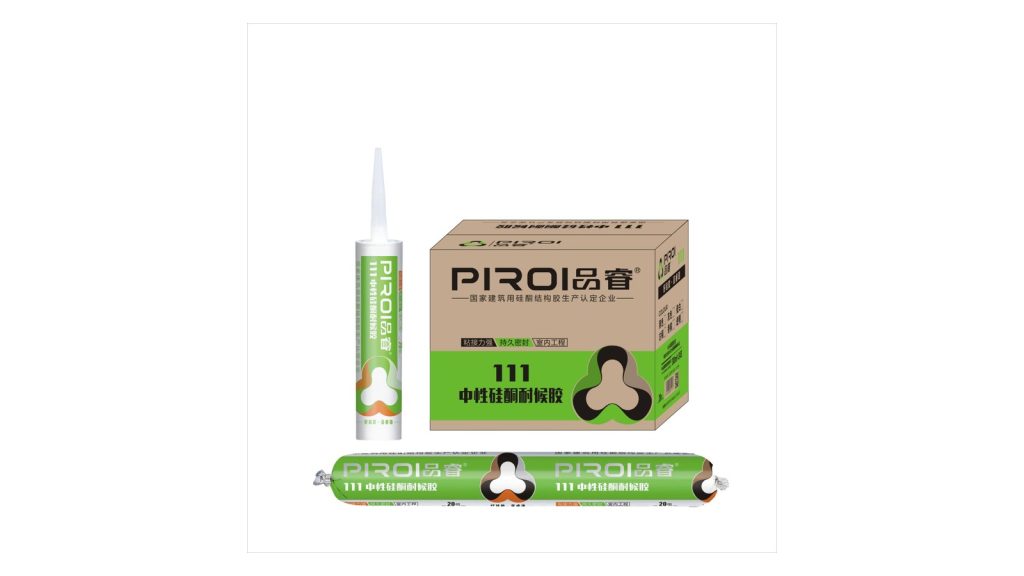
Batch consistency is the difference between a supplier you can build a product line around and one that works until it does not. A formulation that drifts between batches shows up as a callback, a colour mismatch or an adhesion failure — usually after the goods have been installed, which is the most expensive place to find it.
This guide covers what happens to every batch of silicone sealant at our plant, what the documentation actually proves, and how importers verify a batch on arrival.
What happens to every batch at the factory
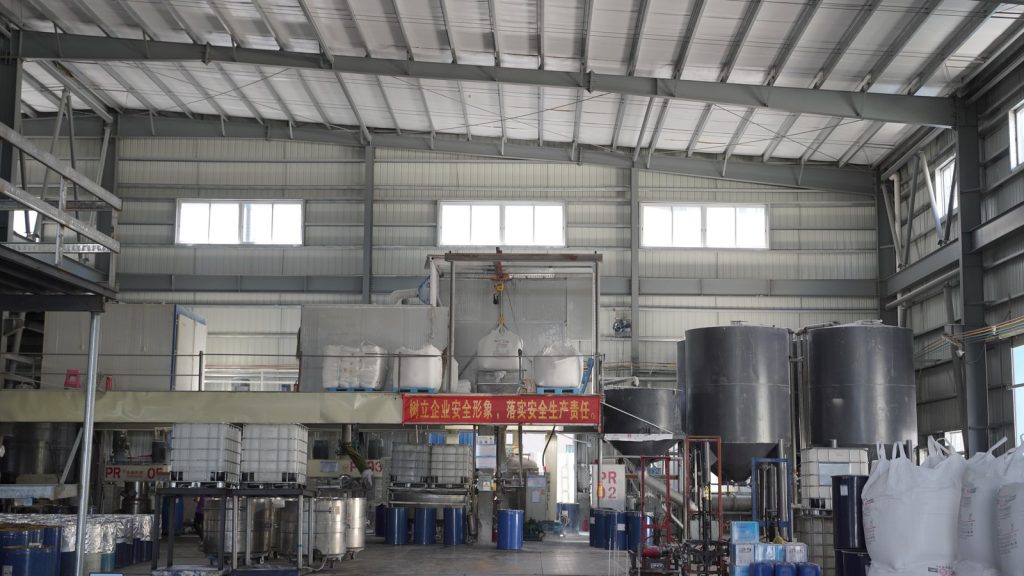
Eight automated filling lines run with in-process checks and batch testing. Every batch produced at our plant is coded, tested and archived for 18 months with its own Certificate of Analysis, and we can trace any cartridge back to its raw material lot.
The practical effect is that quality is a record rather than an assertion. When a batch is questioned, there is a document trail from raw material lot through production to the carton that shipped.
Batch coding and traceability
Batch coding is what makes shelf life manageable and complaints resolvable:
- Rotate stock by production date, not by delivery date. Two shipments landing a month apart can carry production dates in the opposite order.
- Confine a problem to a batch. If a joint fails, the batch code tells you whether you are dealing with one production run or a wider range — which decides whether it is a site issue or a recall conversation.
- Support a warranty claim. A claim without a batch code is an argument about installation. A claim with one is a technical question.
Ask for the production date on the proforma and require it on the packing list, so your warehouse can sort on arrival rather than after a stock count.

The Certificate of Analysis
Every batch ships with a Certificate of Analysis (COA). Treat it as the batch’s identity document: it ties the physical cartons to a production run and to the test results recorded for that run.
- Check the batch code matches the cartons. A COA for a different batch is not evidence about your goods.
- Check the production date against your rotation plan. This is where a container that sat in a yard is caught.
- Keep it with the stock. The COA is what makes a downstream claim possible months later.
Third-party laboratory reports
Every production batch is backed by third-party CNAS / CMA accredited laboratory reports covering tensile adhesion strength, elongation, sag resistance and heat ageing. For structural grades, PR-999 is tested to GB 16776-2025 with tensile adhesion strength of 0.85 MPa against a 0.60 MPa minimum, elongation at maximum tensile strength of 205%, and shear strength of 0.89 MPa.
The distinction that matters commercially: an in-house test result is a production control, while a third-party accredited report is evidence you can put in a submittal. Buyers specifying for a project usually need the second, and it is worth confirming at RFQ stage that the report set will be provided rather than promised. For the structural grade, see the structural silicone sealant page and the curtain wall test report guide.
Certifications to ask for
Certification is a screening question before it is a technical one. Our documentation set includes ISO 9001:2015, GB 16776-2025 for structural grades, GB/T 14683 for weatherproof grades, JC/T 885 for sanitary and mirror grades, plus RoHS and REACH compliance.
PR-999 is listed as No. 94 in the 2026 Annual Inspection Qualified Product Catalogue for Architectural Silicone Structural Sealants. Where a market has its own regime, tell us at enquiry stage so the right documentation set is prepared rather than assembled afterwards.
Incoming inspection at your warehouse
You do not need a laboratory to catch most batch problems. Four checks cover the common failures:
- Carton and label check. Batch code, production date, model and colour against the packing list.
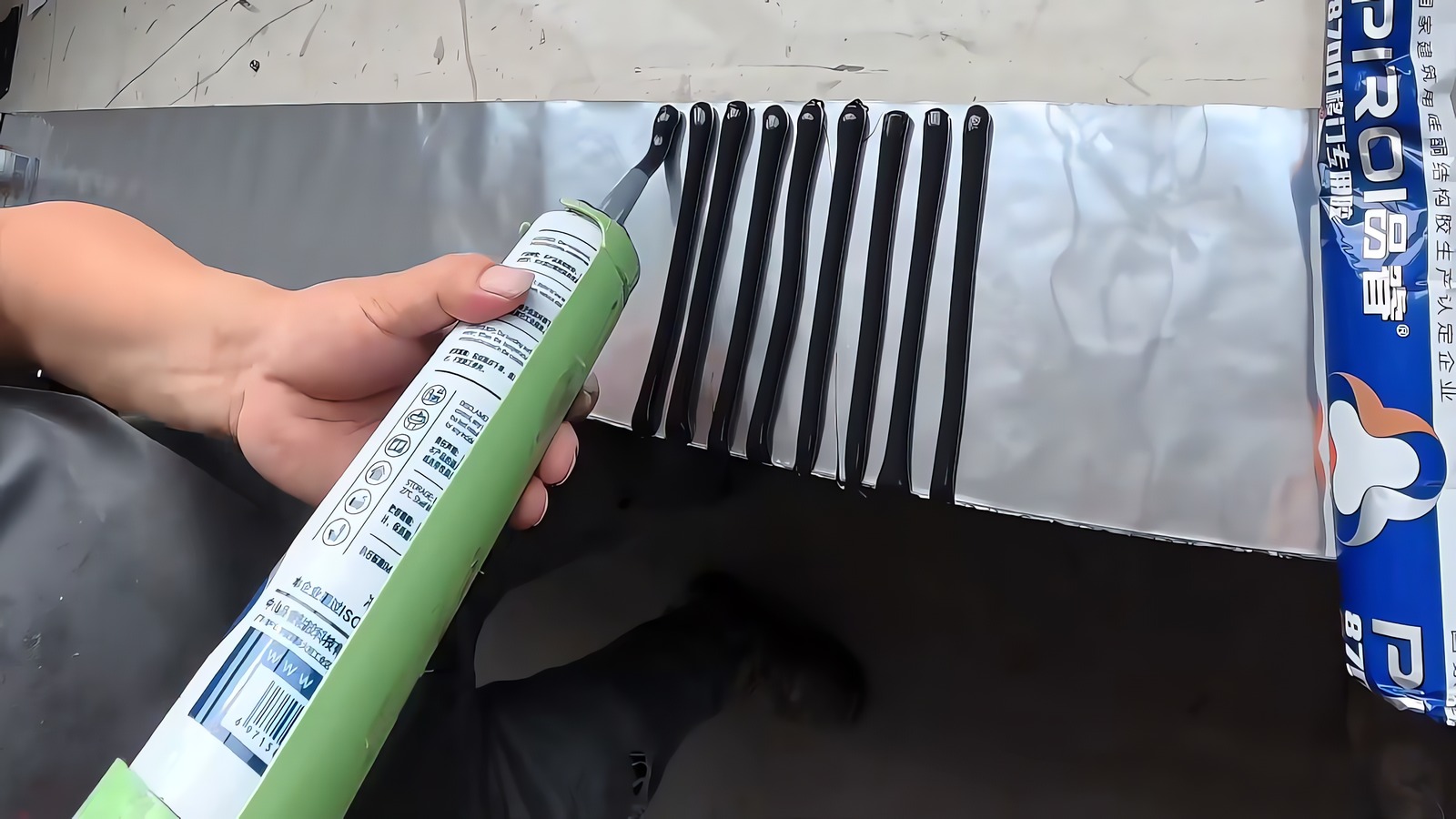
- Extrusion check. Gun a short bead from one pack per batch. A pack that is noticeably harder to extrude than the previous batch is telling you something.
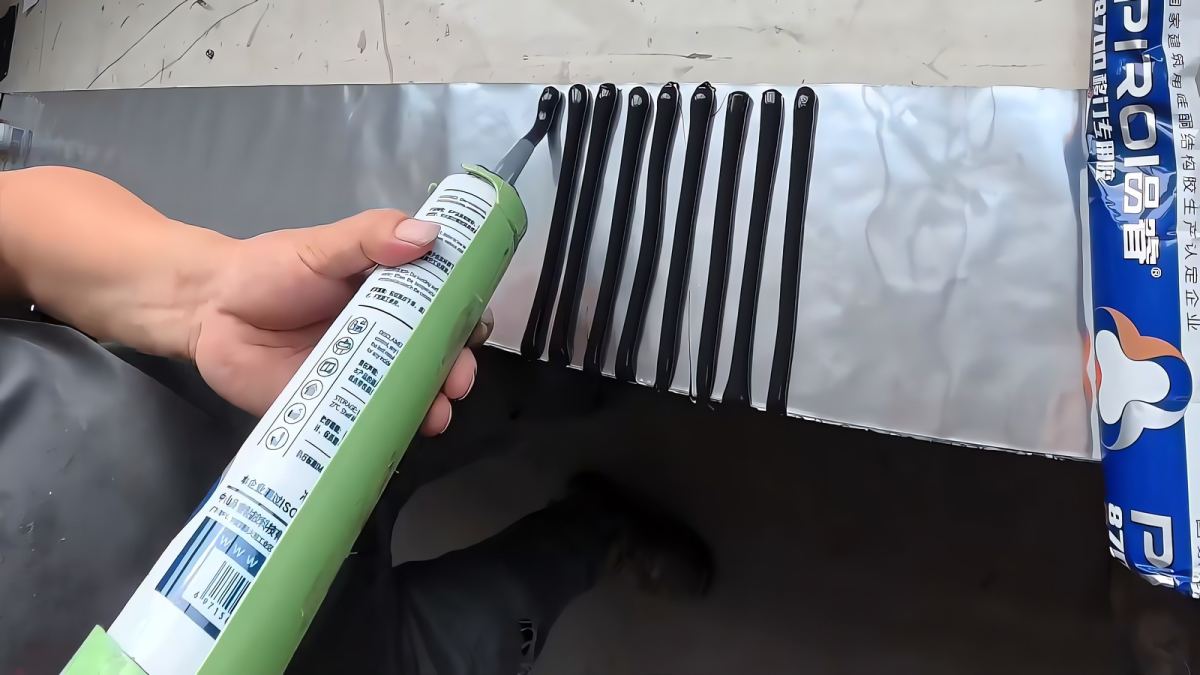
- Cure check. Gun a bead onto the actual substrate and leave it the full cure time. Full cure runs at roughly 2 to 4 mm per 24 hours from each exposed surface, so a wide bead needs days, not hours.
- Adhesion check. Only run a field adhesion test after the bead has fully cured. Testing early gives a false pass because the bead is still soft inside and peels away from the substrate.
Third-party inspection before shipment
For larger or first orders, an independent inspection before the container is sealed is cheaper than discovering a problem after clearance. If you appoint an inspector, tell us in advance so the goods, the batch records and the staff are available on the day.
We welcome buyer audits and third-party inspections. Contact us at least 5 working days in advance so we can arrange samples and staff — an inspection that has to be improvised on the day is not worth the fee.
What to do if a batch fails
- Stop using the batch and quarantine the remaining stock by batch code.
- Record the failure with the batch code, the substrate, the joint dimensions and the conditions.
- Send the batch code and the COA so the production record can be pulled and compared against the retained sample.
- Test the retained sample from the same batch against a fresh one. This distinguishes a batch fault from an application or substrate issue.
- Decide on the batch, not the relationship. A confirmed batch fault should be handled as a contained event; an unconfirmed one should be investigated before conclusions are drawn.
Ordering with batch control in mind
We are a silicone sealant manufacturer selling direct to importers, distributors and private label brands. Our OEM and private label programme starts at 1,000 pcs per model (MOQ is per model, not per order), with mixed-model trial orders from 3,000 pcs total and stock items from 500 pcs. Production lead time is typically 15–25 days after artwork and sample approval.
If you need a specific documentation set, a particular certification or a pre-shipment inspection window, raise it at RFQ stage. Every shipment ships with FORM E, packing list, Certificate of Analysis and test reports, and our Zhongshan plant runs full batch traceability from raw material lot to sealed carton.