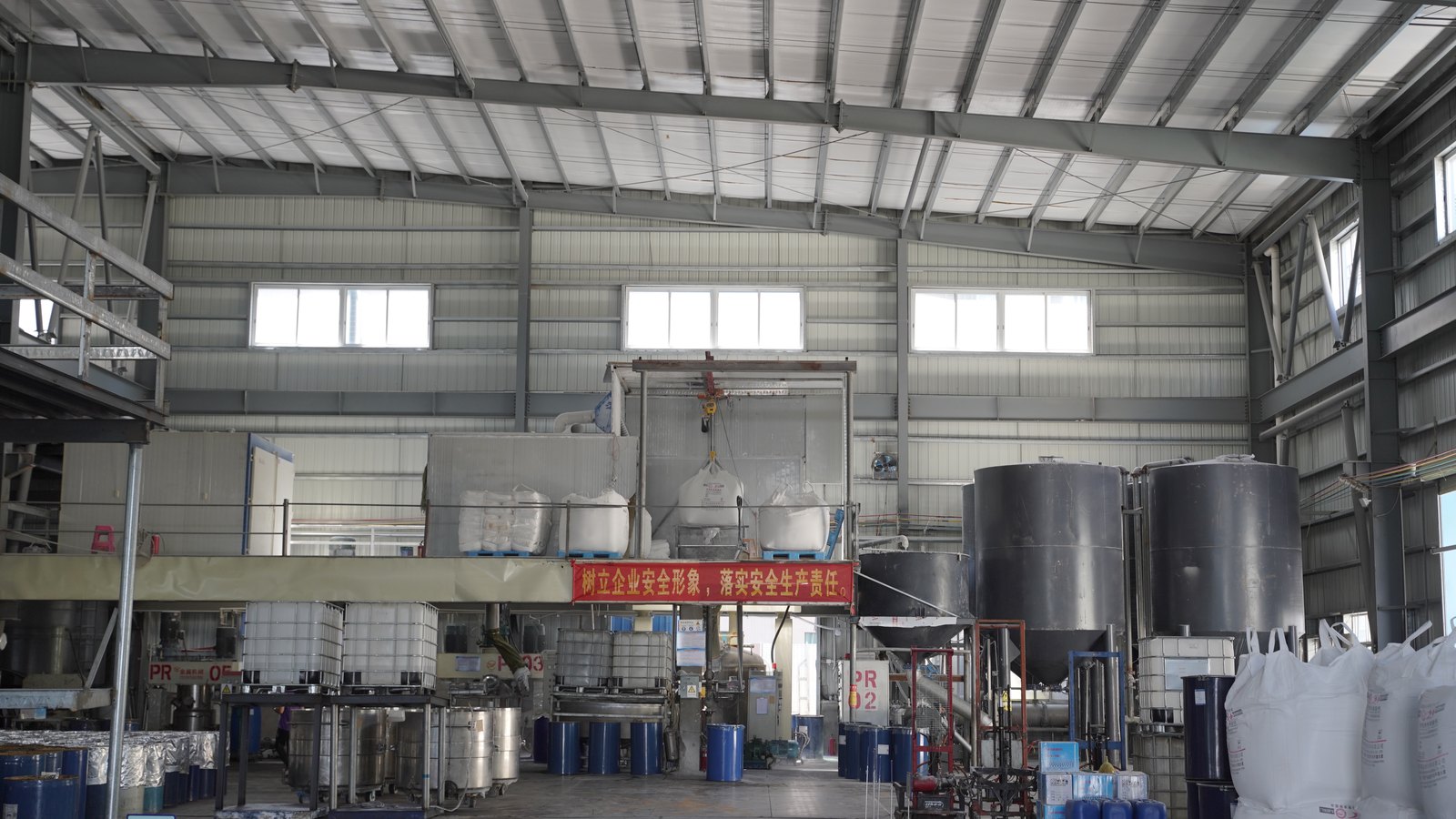
A factory audit is the step between shortlisting a silicone sealant supplier and placing a production order. A test report tells you a grade exists; an audit tells you the factory can make it to the same standard every time. For a first order from a new supplier in a new market, the audit is the lowest-cost proof that the mixing, filling and testing behind the report are real, not a sample built for one customer.
What an audit checks at a sealant factory
An audit walks the line from raw material to finished carton, and the checklist below is the one that separates a real plant from a trader. A silicone sealant plant has to show four things it cannot fake on a datasheet.
- Material traceability. The barrel of silicone base and the crosslinker on the floor match the batch card and the purchase record, so the mix is what the formula says.
- Filling control. The weighbridge, the filler settings and the in-line check are calibrated and logged per batch, not set once and left.
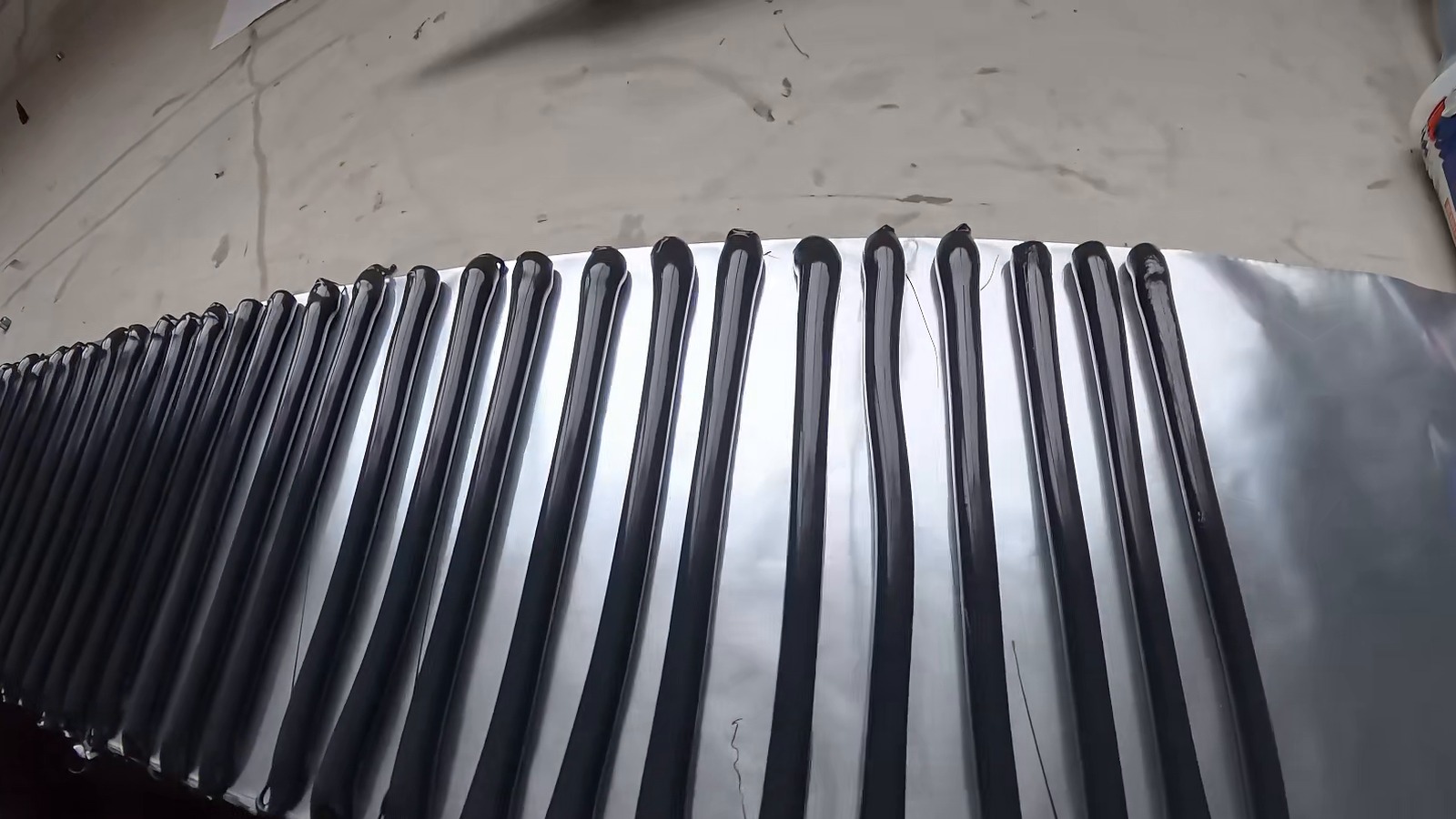
- Batch testing. The cure, the extrusion, the modulus and the recovery are tested per batch against the standard, and the result is kept with the batch.
- Quality file. The batch card, the test result, the packing record and the export documents line up to one lot number, end to end.
Audit distance: on site, by video, or by document
| Depth | What it proves | Cost |
|---|---|---|
| Document review | The paperwork exists and the names line up | Lowest |
| Live video walk | The line, the lab and the mixer are real and running | Low |
| On-site audit | Line speed, calibration and staff are checked live | Highest |
For a first order a live video walk usually settles the factory-versus-trader question; the deeper audit is saved for the supplier you intend to keep.
How to run the audit
- Ask for the batch record of a real lot, not a sample report, and check it matches the order number.
- Name the equipment on the line and ask for the calibration certificate behind it.
- Ask who owns the formula. A manufacturer can name its own formulation; a trader can only name the person who fills it.
- Confirm MOQ, lead time and OEM or private label scope before the audit is booked.
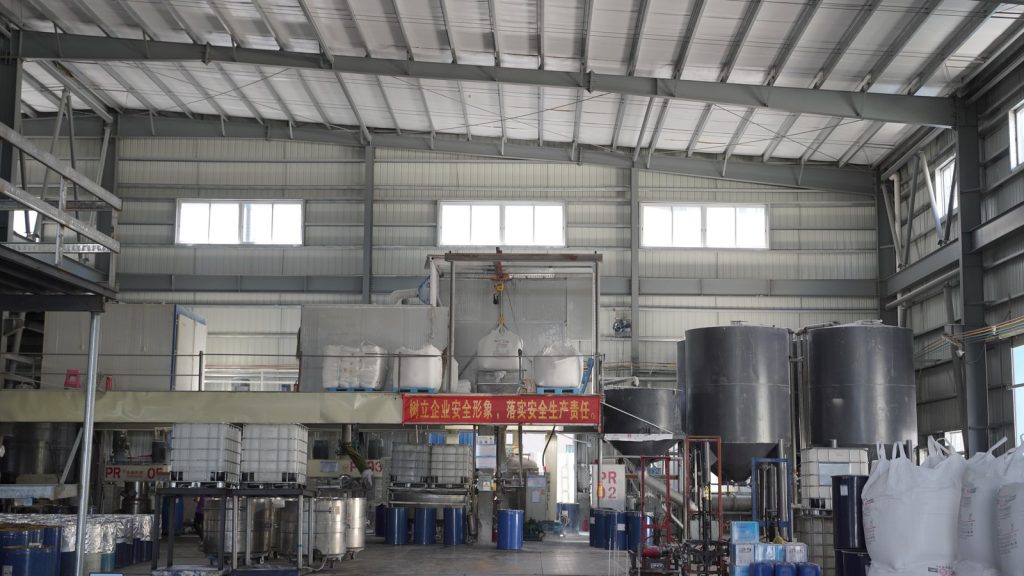
Our mixing, filling and batch testing run at our Zhongshan factory, and the batch card is kept per lot, so an audit can trace a carton back to its mix and its line. The factory direct supplier guide and the reliable supplier guide cover the steps before and after the audit.
Why the audit matters on a repeat order
The audit is not a one-time gate. On a repeat order the batch card has to line up with the one that passed the first audit, because a supplier that changes the filler settings or the base supplier between lots is changing the grade without telling you. The second silicone sealant order is where the audit earns its money, since it is the one that proves the factory is consistent, not lucky. Ask for the batch record of the previous lot alongside the new one so the two can be compared before the order is confirmed.