Finding a silicone sealant supplier in China is not hard — there are hundreds. Finding one that is actually a manufacturer, holds the test reports behind its claimed values, and can produce a batch record when you need it, is harder. The difference between the two is where most sourcing problems start.
This guide is the process we use with buyers who have met us at the Canton Fair or found us online: how to shortlist, what to ask, and what to verify before an order rather than after a failure.

Step 1 — Separate manufacturers from traders
The cheapest supplier at a trade fair or online is often not a manufacturer at all. It is a trading company that buys finished cartridges and re-labels them. That is not inherently wrong — but it changes what the supplier can guarantee:
| Manufacturer | Trader | |
|---|---|---|
| Formulation | Can adjust cure speed, modulus, colour | Sells what is already on the shelf |
| Batch record | Can trace a cartridge to its polymer lot | Cannot — the batch was made before they bought it |
| Test report | Holds reports under its own name | Forwards a report with someone else’s name on it |
| Filling line | Has its own line under its roof | Subcontracts the filling |
| Accountability | Answers for the grade it made | Answers for what it bought |
Two minutes of questions settle it. Ask which line the order runs on, whether the formulation can be changed, and who signs the Certificate of Analysis. A manufacturer answers all three; a trader cannot.
Step 2 — Ask for the report, not the datasheet
Every supplier has a datasheet. A datasheet is a summary; a test report is evidence. For a real silicone sealant manufacturer, the report carries the standard, the laboratory, the method and the measured values. Ask for the report behind each number on the datasheet — modulus, mass loss, elastic recovery, adhesion after water immersion. Our guide to reading a silicone sealant test report walks through every field that has to be there for the value to be traceable.
It is also worth confirming which standard the grade is tested to. The useful comparison is in Chinese national standards versus ASTM, because the two systems ask different questions and are not directly comparable line by line.
Step 3 — Verify a batch CoA, not a sample-batch report
A report can be produced for one carefully prepared batch. What protects you is a Certificate of Analysis that is traceable to the batch that actually shipped. Ask for a CoA from a batch that was delivered, and confirm the production date, the raw material lot and the test results for that specific batch. If the CoA cannot be matched to a production date, the supplier is repacking.
Step 4 — Bond a sample on your own substrate
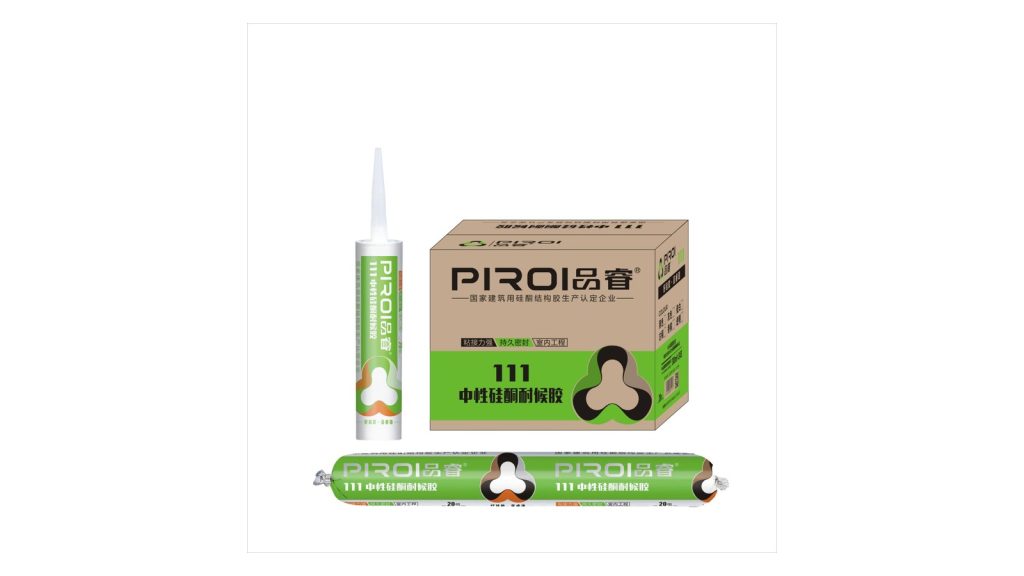
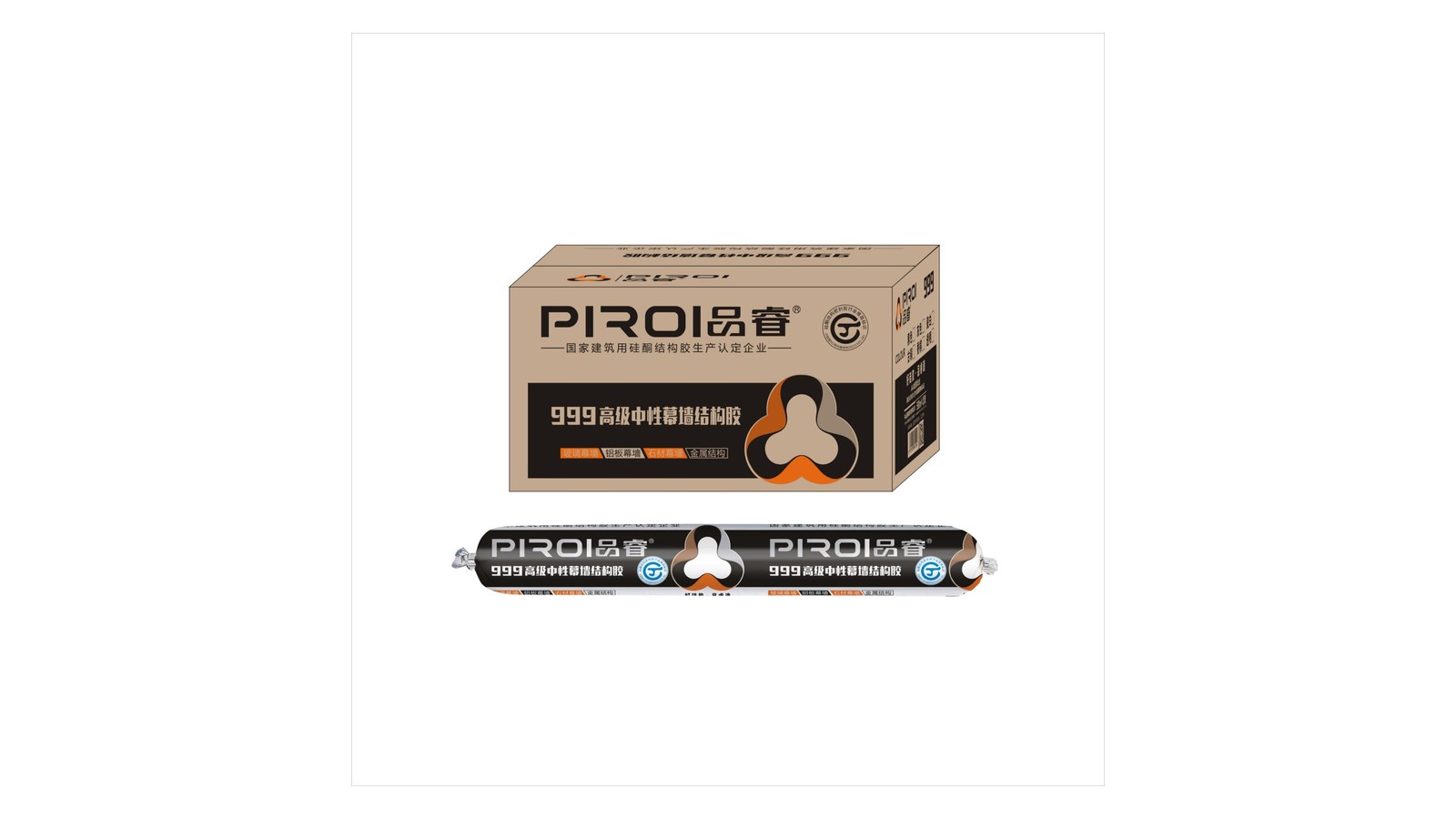
Adhesion is the property that matters most but is the least predictable from a datasheet. A bead that holds on a generic test plate can peel from an anodised aluminium frame or a coated panel. A real silicone sealant manufacturer will send a sample before the order — gun it on your actual substrate, in your own climate, and compare the result with the claimed adhesion. For the grades we manufacture, the PR-999 structural sealant and the PR-888 weatherproof sealant pages carry the reported values for the properties this guide has told you to check. Our guide to buying direct from a silicone sealant factory covers the factory-versus-trader decision in depth.
Step 5 — Confirm the commercial terms in writing
- MOQ — 1,000 cartridges per model for private label, mixed models from 3,000.
- Lead time — typically 15 to 25 days after artwork approval.
- Samples — supplied before mass production.
- OEM — formulation adjustment plus cartridge and label artwork handled in-house.
- Documentation — CoA per batch archived for 18 months, plus the export paperwork.
The same terms apply whether you source at the fair or online. Our private label MOQ and lead time guide sets them out in full.
What a factory visit tells you that nothing else can
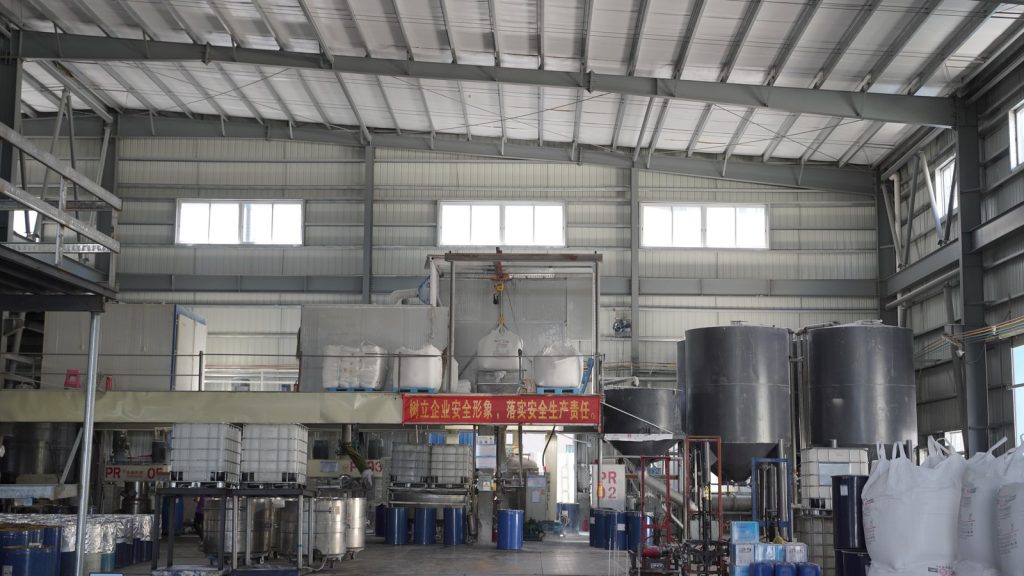
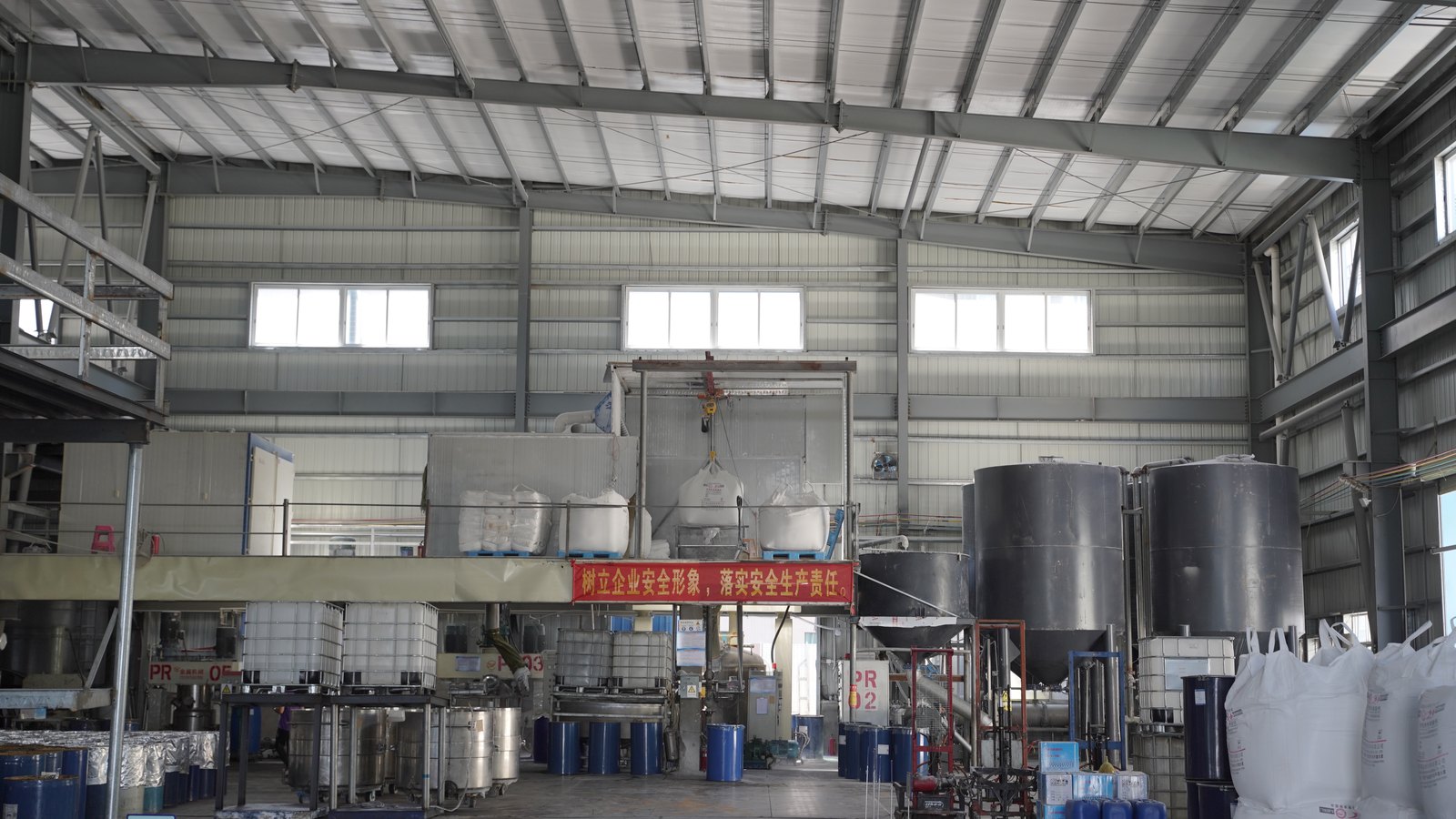
If the order is large enough to justify it, a visit settles in an afternoon what a month of calls cannot: the mixing hall, the stainless steel filling lines, the QC laboratory and the retained sample archive are all on the same site. Where a visit is not practical, ask for a video of the line and the lab, and confirm the address matches the one on the certificate. Our factory page shows the same details we would show a visitor.
Why market knowledge matters as much as the product
Buyers in different regions ask for different things. At the autumn Canton Fair, the buyers we met from Southeast Asia focused on mould resistance and customs paperwork, while Middle East buyers asked about UV stability and compliance. What we learned there is folded into the advice we give new buyers — see the Canton Fair notes and the GCC supply guide for the regional detail.
Send your market, the substrate and the joint detail, and we will confirm the grade and the documentation route — or start from the PIROI site for the full range.