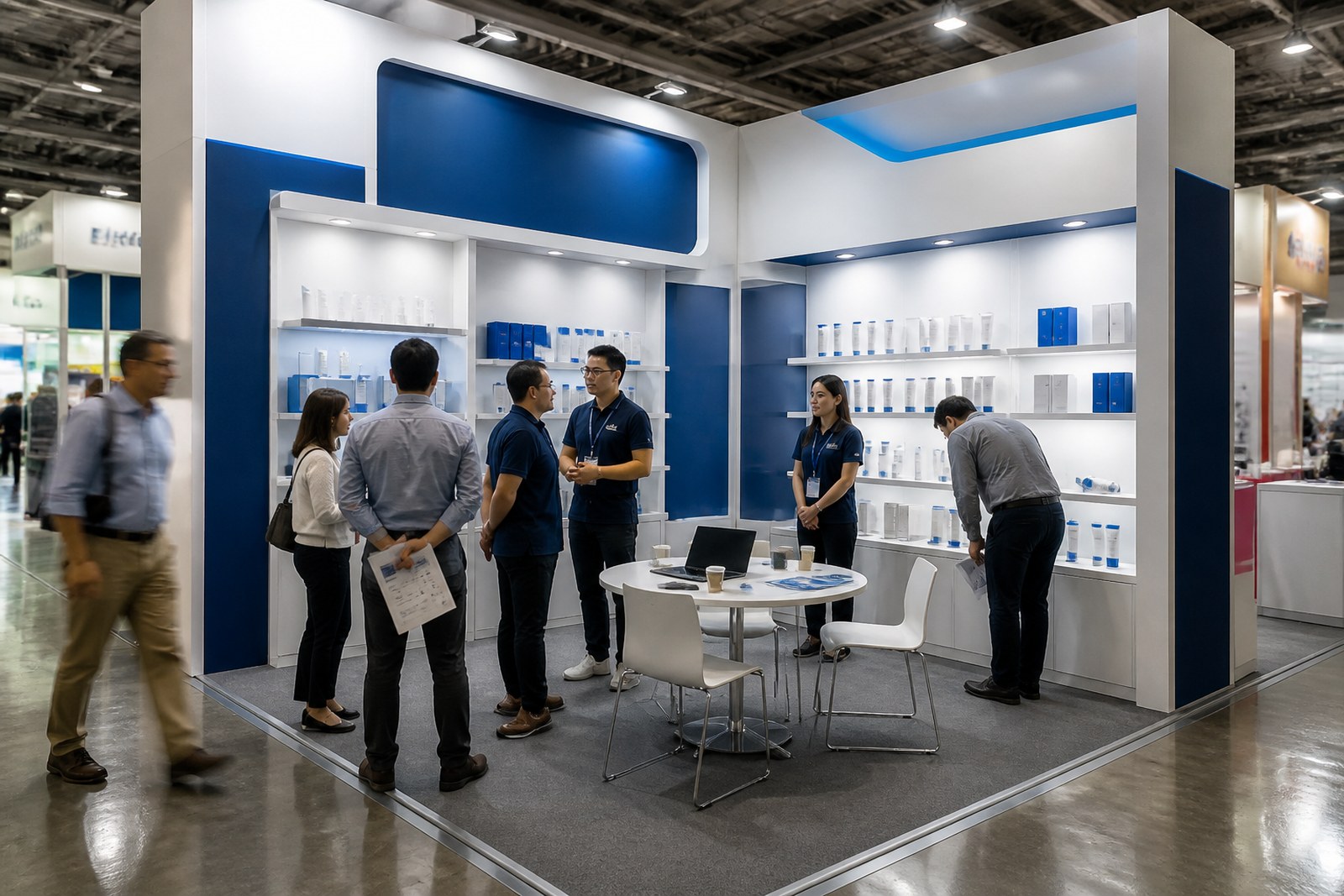
Our export team attended the autumn Canton Fair this year. We did not take a booth — we went to meet the distributors, importers and project buyers we already work with, and to gauge what the region’s construction market is asking for in the coming season. This note is about what we heard, and why it matters if you are sourcing silicone sealant from China. For a buyer searching for a canton fair silicone sealant supplier or asking whether a sealant factory canton fair visit is worth the trip, the answer is yes when you know what to ask.

Why we went to the fair rather than only trading online
Silicone sealant is specified by engineers and bought by people who often work offline. A product page tells a buyer the grade exists; a conversation tells us whether that grade matches what their market is actually building this year. The fair is where that conversation happens at scale — and it is where a supplier learns what to adjust for the next season.
The two markets we focused on
We concentrated on the two regions where our closed consumption of silicone sealant is strongest and where the requirement is most specific: Southeast Asia and the Middle East.
Southeast Asia
Fast urbanization across Indonesia, Vietnam, Thailand, Malaysia and the Philippines keeps demand for window and door glazing, curtain wall and sanitary sealant high. The recurring points from buyers in this region:
- Mould resistance on sanitary joints. In hot, humid climates the mould question comes up before price. Our PR-218 is tested to JC/T 885-2016 with Grade 0 mould resistance — no growth at 50× magnification after 28 days at over 90% RH.
- Duty and documentation. Importers in ASEAN ask about customs paperwork before they ask about the bead. Our guide to FORM E and duty clearance covers the certificate that removes the tariff for ASEAN buyers.
- Fast cure on production lines. Sliding door and window fabricators want a grade that can be handled the same shift.
Middle East
Gulf buyers ask about heat and UV before anything else, because a dark panel in direct sun runs well above ambient and the UV load is high for most of the year:
- UV stability and mass loss. The question is not whether silicone resists UV — it does — but how much the bead loses to ageing. PR-888 reports 4.2% mass loss against a limit of 8%, and 92% elastic recovery against a minimum of 80%.
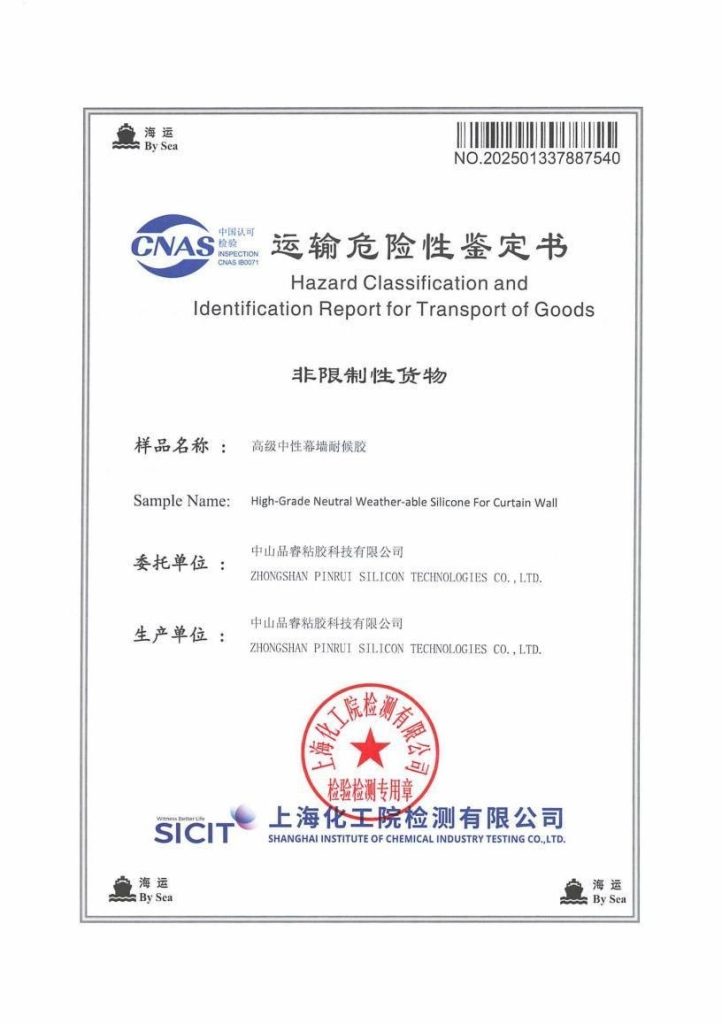
- Compliance. Saudi and GCC projects ask about documentation: our GCC supply guide sets out the certificate route, including SABER registration.
- Colour matching. Facade specifiers asked how closely a sealant can be matched to a panel finish; our colour matching guide covers what is realistic and what is not.
What this means if you are buying from China
Each of those conversations is a decision point about how you source. The pattern that matters most: buyers in the two regions value evidence over price. They ask, in order, for the grade, the standard, the test result and the batch record — and only then the price. That same sequence is what a reliable supplier should be able to produce on demand.
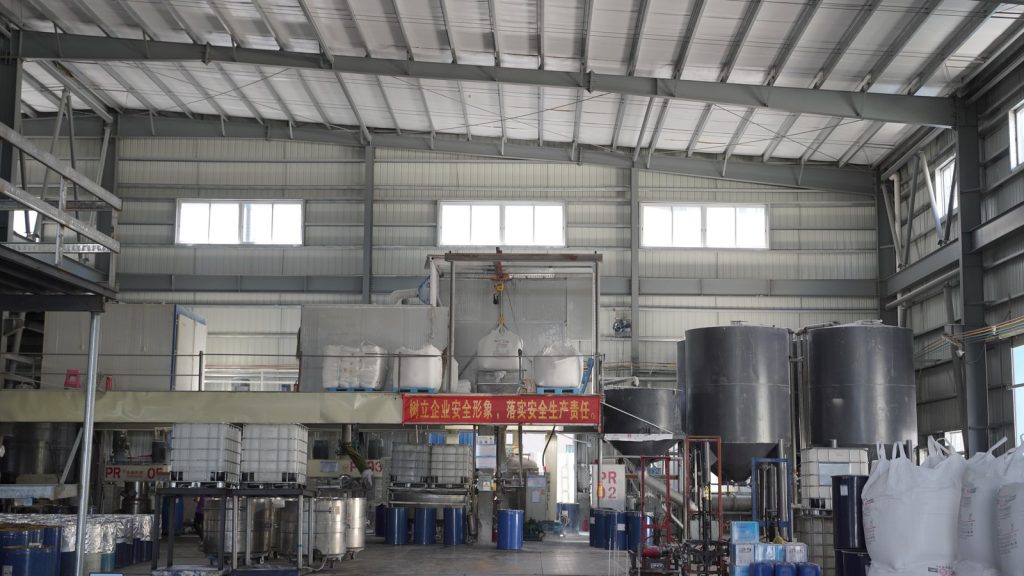
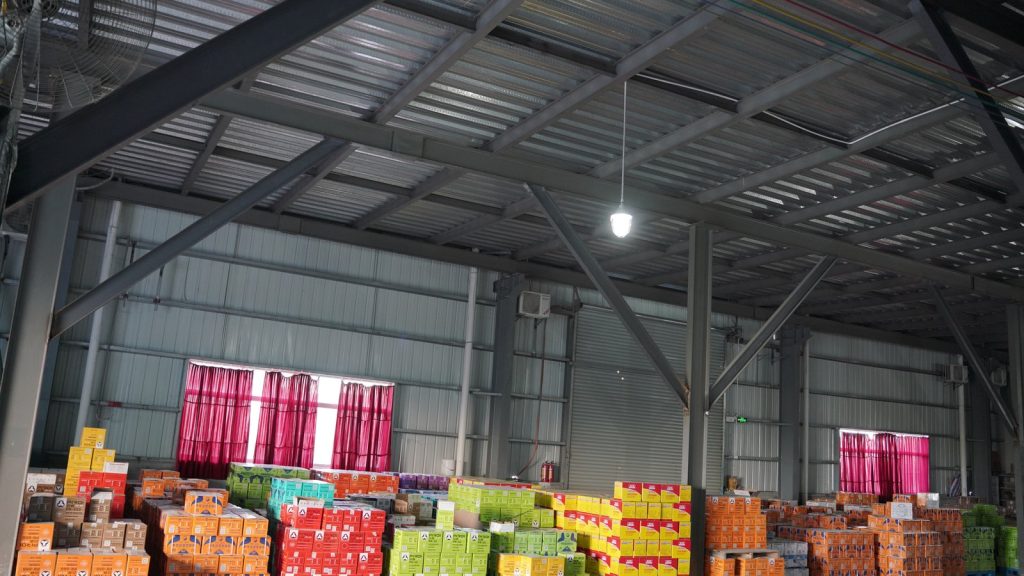
We supply directly from our own factory in Zhongshan, Guangdong See the curtain wall and facade application page for how these grades are specified on an elevation., so the batch records, the CoA and the export paperwork are all issued by the manufacturer rather than a trader. See the factory page for the production detail)Skip term or the certifications page for the certificates.
Buying silicone sealant from a factory, not a brochure
Whether you met us at the fair or found us online, the checks are the same: confirm the manufacturer holds the test reports, verify a batch CoA, and bond a sample on your own substrate. Our guide to vetting silicone sealant manufacturers in China takes a buyer through the full process, and the Chinese versus ASTM standard comparison explains how to read a report written to a standard you may not be used to.
Working with us
- MOQ — 1,000 cartridges per model for private label, mixed models from 3,000.
- Lead time — typically 15 to 25 days after artwork approval.
- Samples — supplied before mass production so the grade can be tested in your own climate.
- OEM — formulation adjustment to the standard your market names, plus cartridge and label artwork in-house.
Send your market, the substrate and the joint detail, and we will confirm the grade and the documentation route — or start from the PIROI site for the rest of the range.