A facade is designed as a whole surface, and the joint line is part of the design. That is why custom colour silicone sealant is a routine request rather than a niche one — and why the request so often disappoints when it meets the reality of production.
Colour matching a silicone sealant is not like matching paint. Paint is a thin film judged in daylight; a sealant bead is a thick, elastic body seen at an angle, and its apparent colour changes with the substrate it sits against, the light and its own surface texture. This guide is about what a factory can genuinely match, what it cannot, and how to approve a shade before a production run rather than after.

Why sealant colour is harder than it looks
- The bead is thick. A 10 mm bead holds far more pigment than a paint film, and pigment loading changes both colour and mechanical properties. A shade that matches perfectly on a thin drawdown can read differently on a full bead.
- Matte versus gloss. Silicone cures to a low-sheen surface. A gloss panel next to a matte bead will look different even when the colour values match, because the light reflects differently.
- Substrate influence. A light bead on a dark substrate reads lighter than the same bead on a light substrate, especially where the bead is thin at the edges.
- Batch variation. Pigments are dosed by weight and the acceptable tolerance is narrow, which is why a custom colour silicone sealant order should always reference a retained sample. Two batches of the same nominal shade can differ visibly if the pigment lot changes — which is why an approved reference sample matters.
- Ageing. All exterior sealants change slightly with UV and dirt pickup. A white bead will read dirtier after two seasons; a dark bead will chalk lighter. The specification should set that expectation, because it is not a defect.
What a factory can match
| Request | Realistic? | What it involves |
|---|---|---|
| Match a RAL or similar standard colour | ✅ Usually | Pigment dosing against a standard reference; the closest achievable shade is confirmed on a sample |
| Match a panel or powder-coat sample you send | ✅ Usually | Visual and instrumental match against the physical sample, approved on a cured bead |
| Match a metallic or pearlescent finish | ❌ Rarely | Metallic effects depend on flake orientation, which a cured silicone bead does not reproduce |
| Exact match under all lighting | ❌ No | Metamerism: two samples can match under one light source and differ under another |
| Multiple colours in one order | ✅ Yes | Each colour is a separate model for MOQ purposes |
| Colour change mid-run | 🟡 With notice | Requires a cleaning cycle on the line and a new sample approval |
The approval process that avoids arguments
The disputes that cost money are almost never about production quality — they are about what was agreed. A short approval sequence prevents most of them:
- Send the reference, not a photograph. A photograph carries white balance, screen calibration and lighting. Send the panel offcut, the powder-coat chip or the standard colour code.
- Approve on a cured bead, not a wet smear. Wet sealant is a different colour from cured sealant. The sample must be cured and viewed at the angle it will be seen on site.
- Approve in the light it will be seen in. North-facing facades and interiors read differently from direct sun. If the project has a specific viewing condition, state it.
- Sign off a retained reference. Both sides keep a cured sample of the approved shade. When a later batch is questioned, the comparison is against a physical reference rather than a memory.
- Write the tolerance into the order. State what variation is acceptable between batches, so a small difference does not become a rejected container.
How colour interacts with MOQ and lead time
Colour is a production variable, which means it interacts with the commercial terms in a way buyers do not always expect:
- Each colour counts as a model. OEM and private label MOQ is 1,000 cartridges per model; a project needing four colours is four models, not one.
- Standard shades can come from stock. Standard colours are available from 500 cartridges, which is useful for a first market test or a small repair order.
- Lead time starts after approval. The 15 to 25 days runs from artwork and shade approval, not from the enquiry. A late colour decision delays the whole order.
- Mixed-model orders are possible from 3,000 cartridges in total, which is how most multi-colour facade projects are actually ordered.
The terms are set out in our guide to private label MOQ and lead time.
Where colour sits against performance
A colour request must not override the technical requirement. Two practical points:
- Some pigments affect cure and ageing. Heavy pigment loading can slow cure and change the way a bead ages. Where the joint is exposed and long-lived, the grade and the movement class should be fixed first, then the colour matched within what the formulation allows.
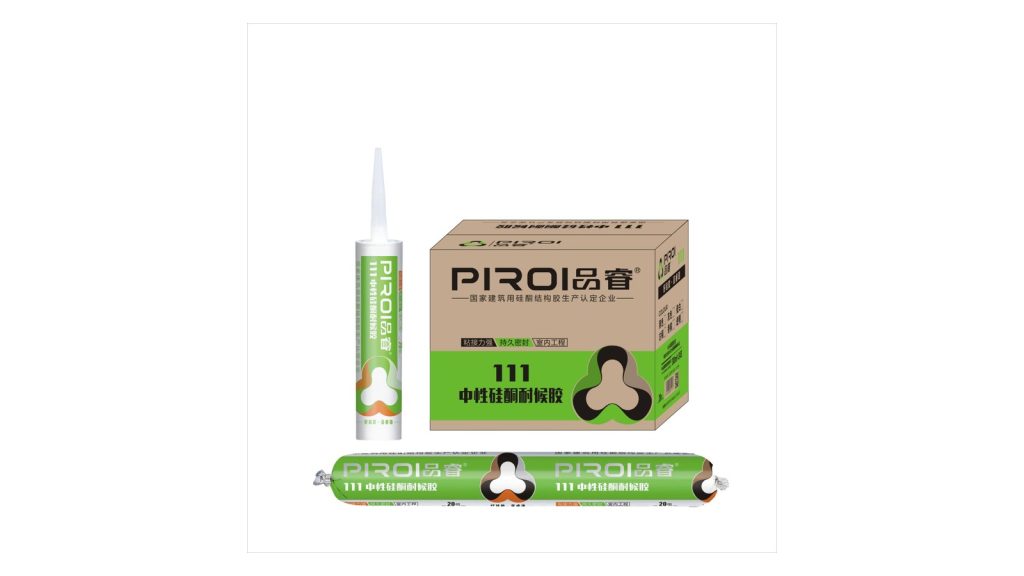
- Product pages for colour-matched grades. The two grades most often matched for facade work are PR-888 premium neutral weatherproof and PR-333 window and door weatherproof; both are neutral cure and both accept colour dosing within the formulation limits.
- Dark colours run hotter. A dark bead on a sun-exposed facade reaches a higher surface temperature than a light one, which increases the thermal movement the joint must absorb. On a dark facade, size the joint for the higher temperature rather than the standard range — our joint width calculator lets you enter the surface temperature directly.
Ordering a colour-matched grade
- MOQ — 1,000 cartridges per colour for private label; mixed-model orders from 3,000 in total.
- Stock shades — from 500 cartridges on standard colours.
- Lead time — typically 15 to 25 days after artwork and shade approval.
- Samples — a cured bead of the proposed shade is supplied for approval before the run.
- Documentation — CoA per batch archived for 18 months, so the batch behind a shade can be traced if a later delivery is questioned.
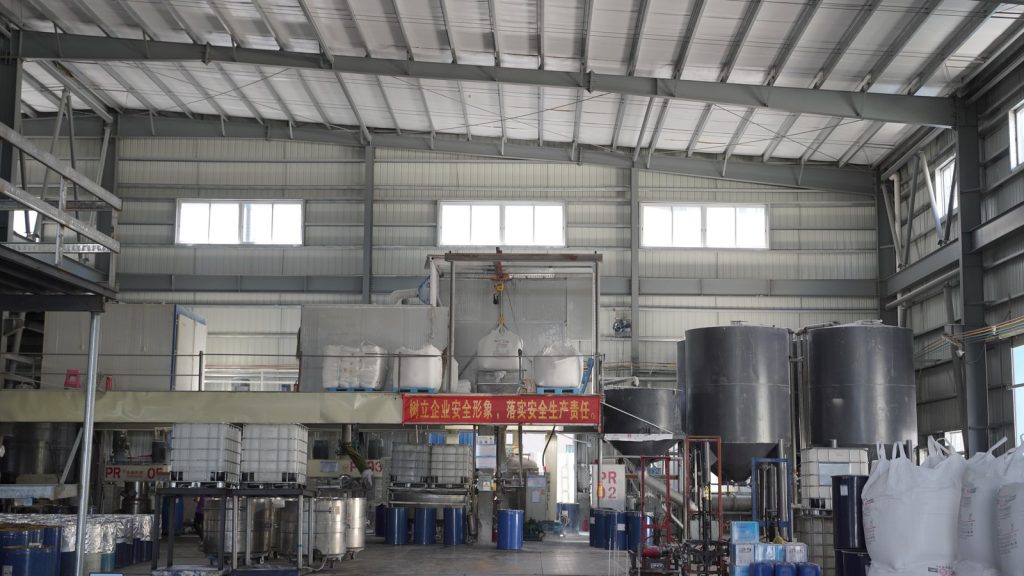
Our weatherproof grades — PR-888 to GB/T 14683-2017 and PR-333 to JC/T 485-2007 — are the ones most often colour-matched for facade work; see the weatherproof product series. Certificates are on the certifications page and the plant on the factory page.
Send the reference sample or colour code, the substrate, and the joint size, and we will confirm what can be matched and send a cured sample for approval — or start from the PIROI site for the full range.