What This Means for Curtain Wall Specifiers
- PIROI PR-999 neutral structural silicone sealant has been renewed in the 2026 Industry Recommended Catalogue for architectural silicone structural sealants.
- The listing is issued under the annual inspection programme administered by the China Building Metal Structure Association — the body that oversees structural sealant qualification for curtain wall applications in China.
- Structural sealant for curtain wall is a regulated product category in China. Annual renewal is not automatic; it follows re-testing of production against the applicable standard.
- PR-999 is tested to GB 16776-2025, the Chinese standard for structural silicone sealant for building.
- For specifiers, a current listing is verifiable evidence of ongoing compliance — not a one-off certificate from a past production run.
- PR-999 is used for structural glazing, curtain wall structural joints, and other architectural structural bonding where a neutral-cure structural silicone is specified.
1. What the Listing Is, and Why It Exists
In China, silicone structural sealant for curtain wall is not a product category that any manufacturer may self-declare into. It is regulated, and the regulation exists because of what structural glazing failure means in practice: the sealant in a structural curtain wall joint is the element holding the glass in place. It is not a weather seal. It is a structural component.
The China Building Metal Structure Association administers an annual inspection and listing programme for architectural silicone structural sealant manufacturers. Products that pass are listed in the association’s recommended catalogue for that year. The listing is renewed annually, and renewal depends on continued testing of production against the applicable standard — which is why a current-year listing carries more weight than a certificate from several years ago.
Why annual renewal matters
A structural sealant that passed testing in one year is not automatically a structural sealant in the next. Production drifts: raw material sources change, equipment is serviced and re-calibrated, formulation adjustments are made for cost or performance reasons. Annual re-testing is the mechanism that catches drift before it reaches a curtain wall.
For a specifier or facade contractor, a supplier with a current listing is a supplier whose production was verified recently. A supplier presenting only historical certificates is asking you to assume continuity that has not been demonstrated.
2. About PR-999
| Property | Detail |
|---|---|
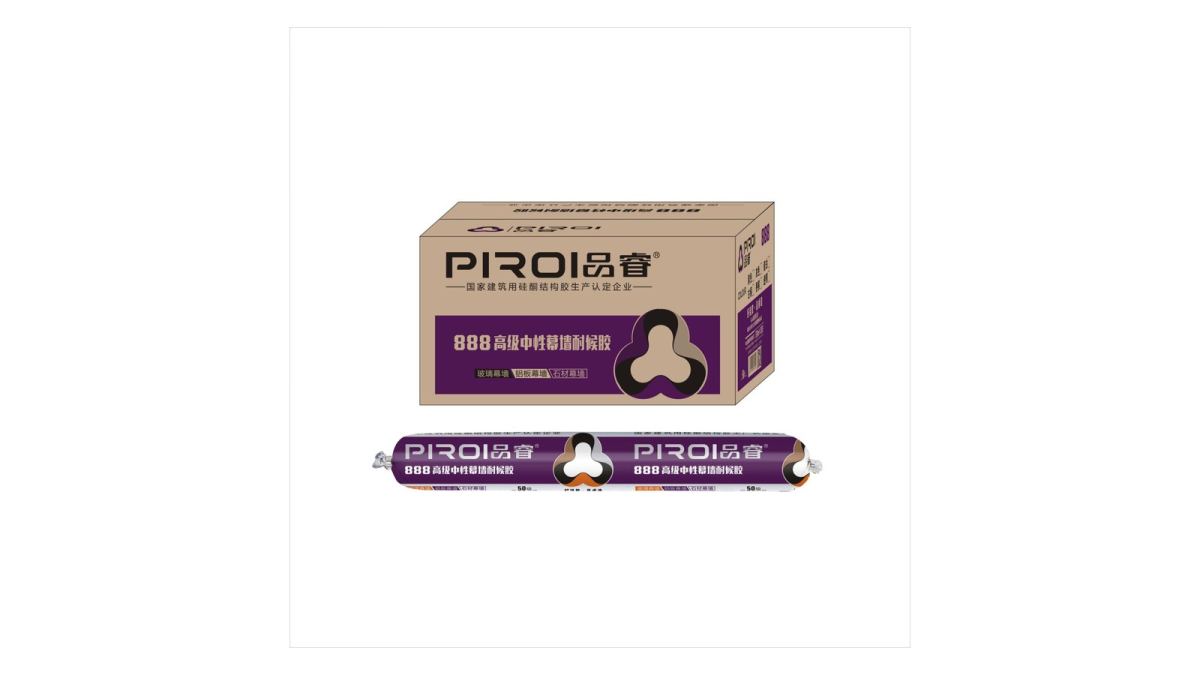
| Product | PR-999 Neutral Structural Silicone Sealant |
| Primary application | Structural glazing and curtain wall structural joints |
| Cure system | One-component, neutral cure |
| Applicable standard | GB 16776-2025 (Structural silicone sealant for building) |
| Packaging | 590 mL foil sausage (standard for structural application) |
| 2026 status | Renewed in the Industry Recommended Catalogue |
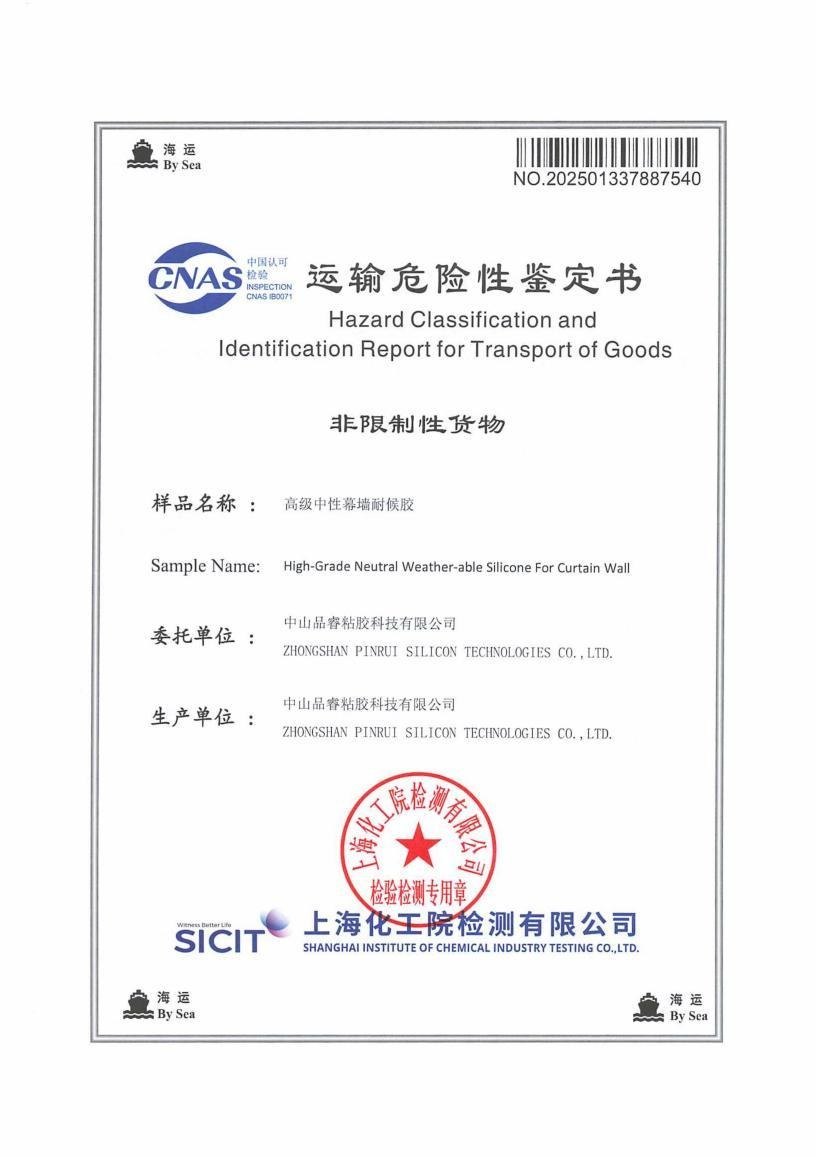
| Test report | Available on request — report number and issuing laboratory supplied with quotation |
Neutral cure chemistry is not optional for structural glazing on metal frames. The byproducts of an acetoxy cure attack aluminum and other metals, which is why structural curtain wall specifications universally call for neutral cure. PR-999 is formulated for that requirement.
Typical structural applications include:
- Four-sided structural glazing where the glass is bonded directly to the frame
- Two-sided structural glazing with a mechanically retained top and bottom edge
- Structural joints in aluminum composite panel and terracotta panel curtain walls
- Structural bonding of glass to metal in architectural canopies and skylights
- Weatherseal and structural applications in the same curtain wall assembly where a single compatible product is preferred
3. What a Specifier Should Verify
Whether you are evaluating PR-999 or any other structural sealant, the verification set is the same. Request these four documents:
-
01
The test report, with report number and issuing laboratory
Not a certificate image, and not a marketing datasheet. A test report names the laboratory, carries a report number and a date, and lists the individual test results against each clause of the standard. Cross-check the report number against the batch number on the material you are actually receiving.
-
02
Current-year listing or qualification status
For the Chinese market, confirm the product’s current status in the annual inspection listing. A listing from three years ago does not evidence current production compliance.
-
03
Compatibility and adhesion test data for your specific substrates
Structural sealant performance depends on adhesion to your actual glass and frame material, and on compatibility with any other sealants in the assembly. Where the project specifies it, arrange project-specific adhesion and compatibility testing on representative samples of your substrates.
-
04
Manufacturer’s structural calculation support
Structural glazing joint dimensions are not a rule-of-thumb matter. The joint width and bite must be calculated from the design wind load, the glass dimensions and the sealant’s certified design strength. A manufacturer who will not support that calculation is not a structural sealant supplier in any meaningful sense.
4. Quality Management Behind the Listing
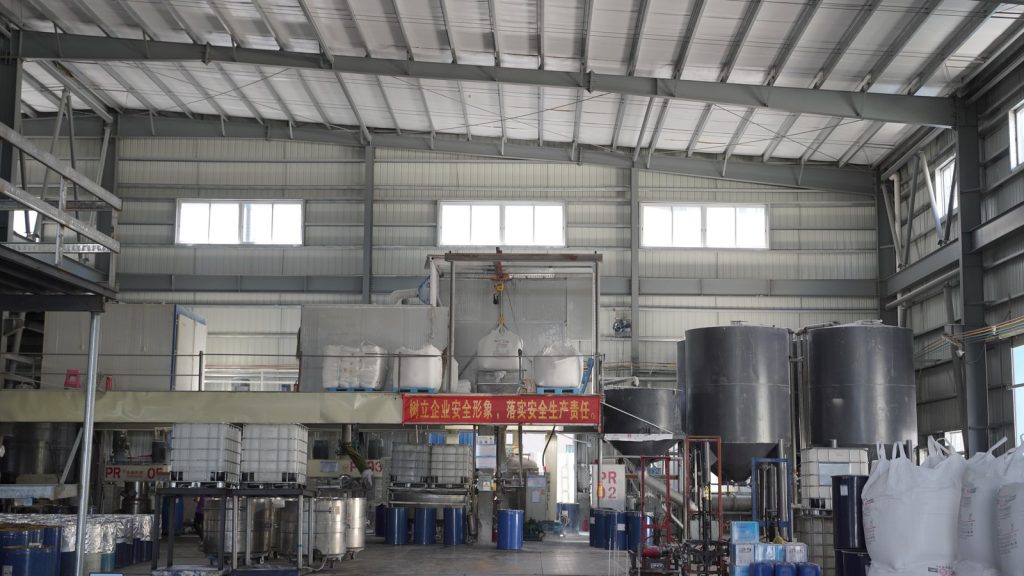
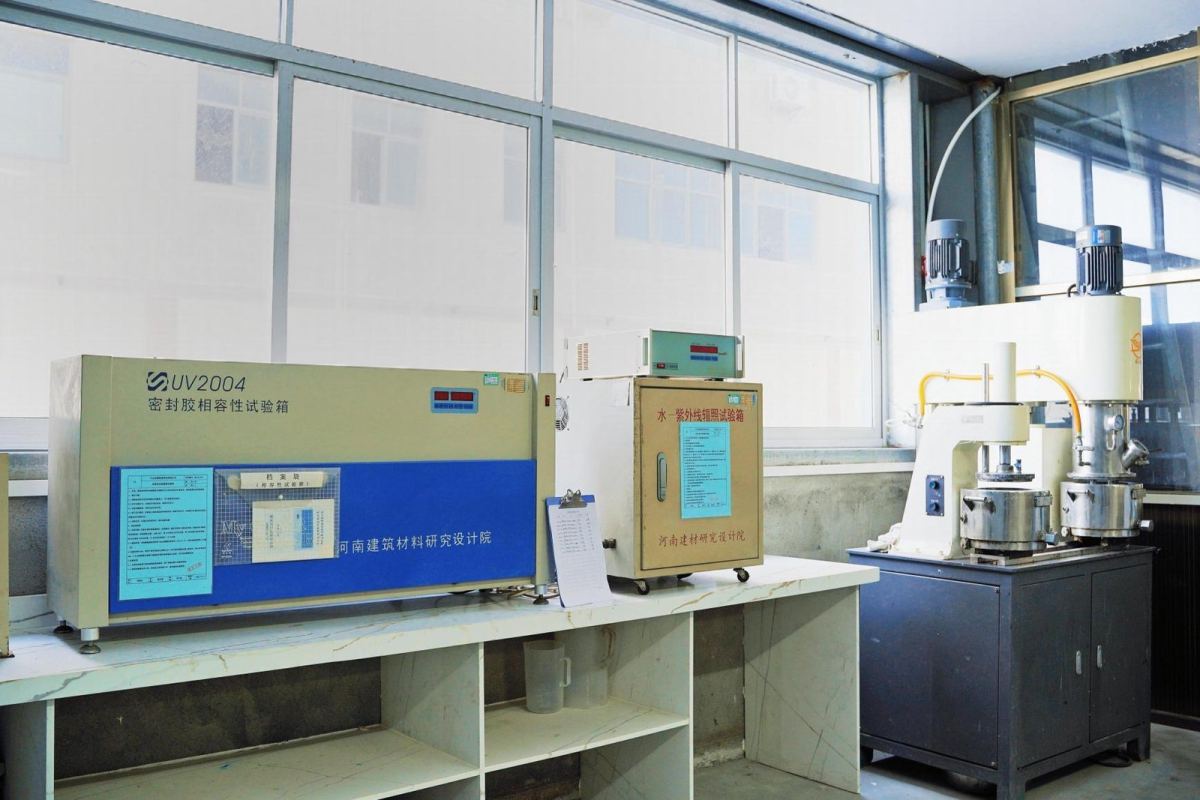
Annual inspection results do not appear by accident. They reflect the quality system that runs between inspections. PIROI operates under an ISO 9001 quality management system covering incoming raw material inspection, in-process control during production, and finished goods testing before dispatch.
For structural grades, batch traceability matters more than for general-purpose products. Each production batch should be traceable to its raw material inputs and to the test data covering that production period — which is exactly what the annual inspection programme is designed to verify.
5. Frequently Asked Questions
6. Conclusion
Structural sealant is one of the few building products where the specification genuinely cannot be treated as a commodity decision. The annual inspection and listing programme exists because the consequences of getting it wrong are structural. A current-year listing, a traceable test report and a manufacturer willing to support the joint calculation are the three things that separate a structural sealant supplier from a general sealant supplier.
PR-999 has been renewed in the 2026 Industry Recommended Catalogue, and PIROI continues to test production against GB 16776-2025. For project submittals, contact our engineering team with your curtain wall specification — we will supply the current test documentation and support the structural joint sizing for your assembly.
PR-999 Substrates, Test Data and Ordering Reference
The catalogue listing rests on the test data behind PR-999, not on the listing itself. These are the numbers a specifying engineer can put into a submittal, together with the substrates the grade is cleared for and the terms an OEM buyer needs.
Substrates and joints this applies to
| Substrate | Suitability | What to watch |
|---|---|---|
| Glass (structural joint) | Specified grade | Load-bearing; must be engineered, not field-substituted |
| Anodised aluminium mullions | Suitable — neutral cure | No acetic acid, so the anodised layer is not etched |
| Concrete and precast panels | Suitable — neutral cure | Acid cure would attack the alkaline substrate |
| Natural stone and marble | Suitable — neutral cure | No staining at the bond line |
| Stainless steel | Suitable — confirm coating | Adhesion test on the actual finish is still required |
| UPVC and PVC profiles | Suitable — neutral cure | Protects the steel reinforcement in the chamber |
| Ceramic and glazed tile | Suitable | Check joint movement before specifying Class 25 or 50 |
| Timber and board | Not a structural substrate | Use a weatherproof grade sized for the movement |
Performance data you can quote in a submittal
| Property | Tested value | Requirement |
|---|---|---|
| Tensile adhesion strength (23 °C) | 0.85 MPa | Minimum 0.60 MPa |
| Tensile adhesion strength (90 °C) | 0.71 MPa | Minimum 0.45 MPa |
| Tensile adhesion strength (−30 °C) | 1.44 MPa | Minimum 0.45 MPa |
| After water / UV exposure | 0.93 MPa | Minimum 0.45 MPa |
| Elongation at max. tensile strength | 205% | Minimum 100% |
| Shear strength | 0.89 MPa | Minimum 0.60 MPa |
| Heat ageing — mass loss | 4.3% | Maximum 6.0% |
| Heat ageing — cracking / chalking | None | No cracking or chalking |
| Alkane plasticizer | Not detected | Must not be detected |
| Sag resistance (vertical) | 0 mm | Maximum 3 mm |
| Tack-free time | 1.0 h | Maximum 3 h |
What the cure chemistry does inside the joint
A neutral-cure silicone is a one-component RTV system: it crosslinks by reacting with atmospheric moisture, starting at the surface and working inward. The by-product is an alcohol or an oxime rather than acetic acid, which is why neutral grades can be used against concrete, mortar, natural stone, marble, anodised aluminium and the metal reinforcement inside a PVC profile without etching or staining the substrate. Cure depth is roughly 2–4 mm in the first 24 hours at 23 °C and 50% RH; a 6 mm joint therefore needs several days before it carries load, and a joint that is sealed and immediately loaded will fail at the interface rather than in the sealant.
Standards and documentation
PR-999 is tested to GB 16776-2025 — the Chinese structural silicone sealant standard — and the reports are issued by CTC Suzhou. The factory holds ISO 9001:2015 (valid to 2029-01-25) and the 2026 annual inspection listing from the China Building Metal Structure Association. We do not claim ASTM C920 certification for this grade; if your specification calls for ASTM, tell us at enquiry stage.
Ordering reference
| Commercial term | What PIROI offers |
|---|---|
| MOQ | OEM & private label from 1,000 pcs per model |
| Trial order | Mixed-model trial orders from 3,000 pcs total; stock items from 500 pcs |
| Lead time | Typically 15–25 days after artwork and sample approval |
| Packaging | 300 mL cartridges and 590 mL foil sausage packs |
| Private label | Custom cartridge artwork and colour matching supported |
| Sample | Free substrate adhesion and staining test on your own sample |