Key Takeaways for OEM & Private Label Buyers
- PIROI has commissioned two additional automated silicone adhesive filling lines at its Zhongshan plant, bringing the total to eight lines running in parallel.
- The new lines cover both 300 mL cartridge and 590 mL foil sausage formats, which are the two packaging types most ASEAN buyers specify.
- Added capacity is concentrated on the neutral-cure series used for window, door and curtain wall sealing — the highest-demand category from Southeast Asian importers.
- The practical effect for buyers is a shorter queue: standard lead time from confirmed order to container loading is held at 7 to 15 days for regular sea freight schedules.
- Automated filling improves batch-to-batch consistency, which matters most for buyers running private label programmes where every carton carries their own brand.
- OEM and private label services include formulation adjustment, packaging configuration, colour matching and bilingual labeling.
1. Why Capacity Is a Buyer’s Problem
When importers evaluate a silicone sealant supplier, the conversation usually starts with price and specification. It rarely starts with capacity. That is a mistake, because capacity is what determines whether the specification you agreed in March is still being met in September.
The failure pattern is familiar to anyone who has scaled a private label programme:
- The trial order arrives on time and the quality is good.
- The first volume order arrives late, because the factory is queuing behind a larger customer.
- The second volume order arrives on time but the colour is slightly off, because it was produced on a different line with a different batch of pigment.
- By the fourth order, your customer has noticed the inconsistency and is asking questions.
None of these are formulation problems. They are capacity and process-control problems. The remedy is a supplier whose filling capacity is sufficient that your order is not competing for a slot, and whose lines are automated enough that batch variation stays inside a narrow band.
2. What Was Added
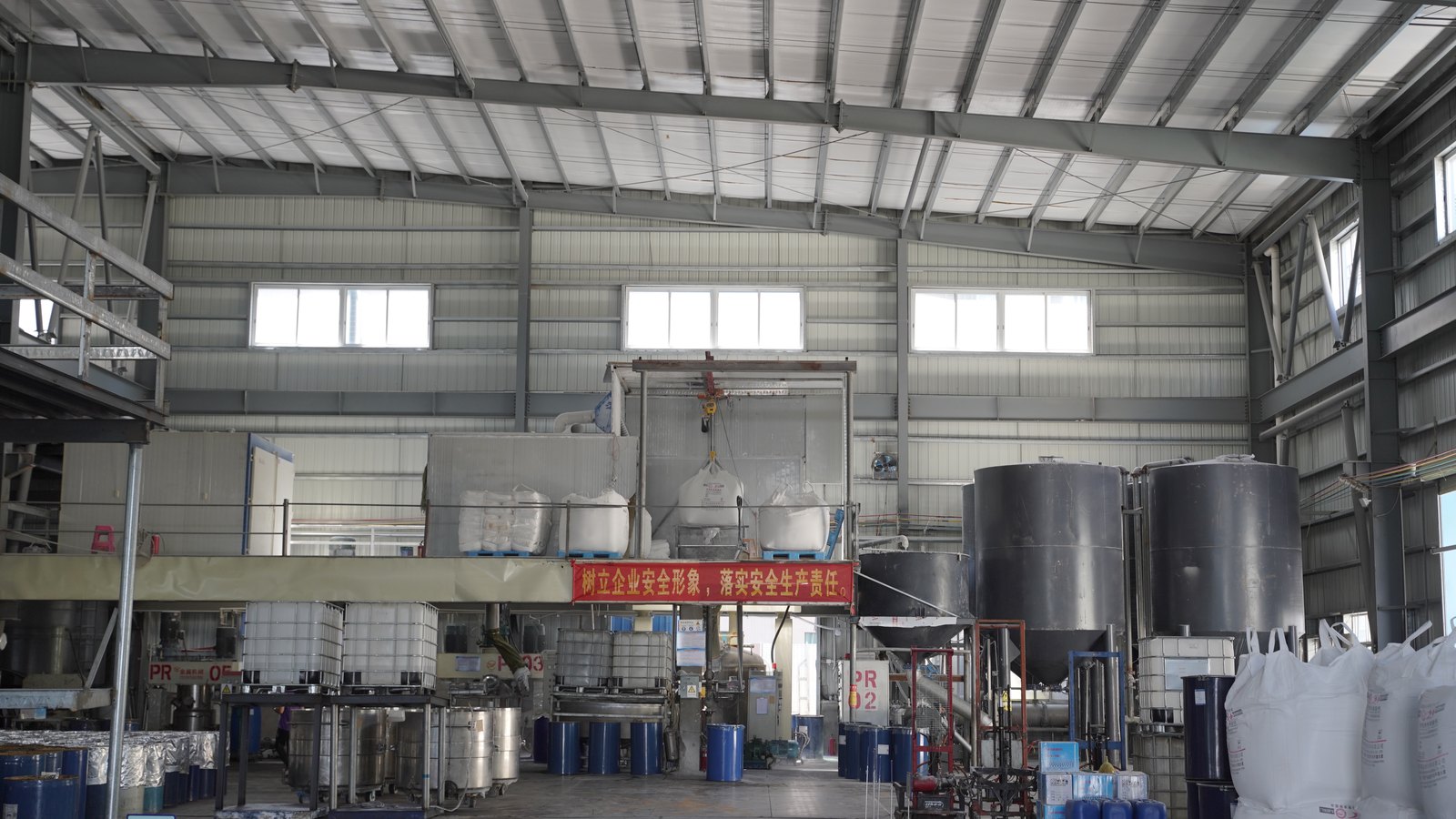
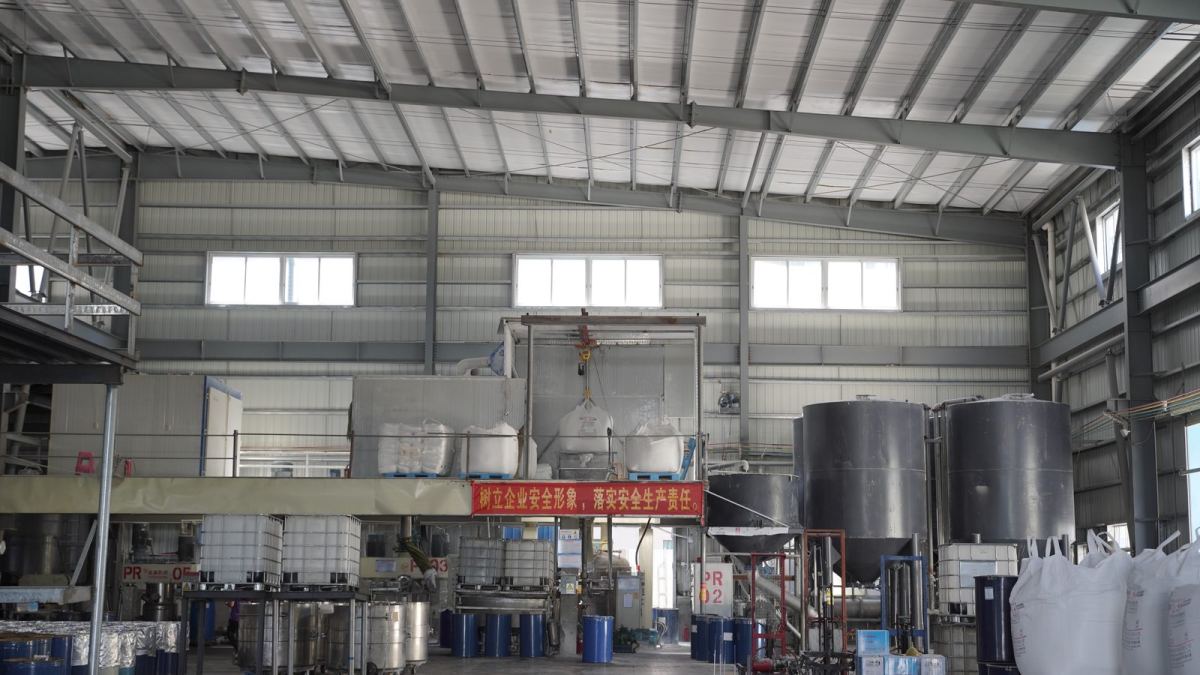
PIROI has commissioned two additional automated silicone adhesive filling lines at the manufacturing base in Huangpu Town, Zhongshan. Combined with the existing equipment, the plant now runs eight filling lines in parallel.
| Item | Before | After | What it means for buyers |
|---|---|---|---|
| Automated filling lines | Six | Eight | More orders in production simultaneously; less queueing at peak season |
| Packaging formats covered | Cartridge and sausage | Cartridge and sausage, with dedicated line assignment | Mixed-format orders can be scheduled without one format blocking the other |
| Primary focus of new capacity | — | Neutral-cure series | Matches the dominant demand from ASEAN window, door and curtain wall buyers |
| Standard lead time | 7–15 days | 7–15 days (held, not extended) | Lead time commitment maintained despite growing order volume |
Plant area remains approximately 20,000 m², with monthly silicone sealant output in the region of 500 tonnes. The new lines increase throughput without requiring additional floor space, because they replace manual handling steps in the filling and cartoning stages rather than adding parallel floor area.
3. Why Automation Matters More Than Raw Speed
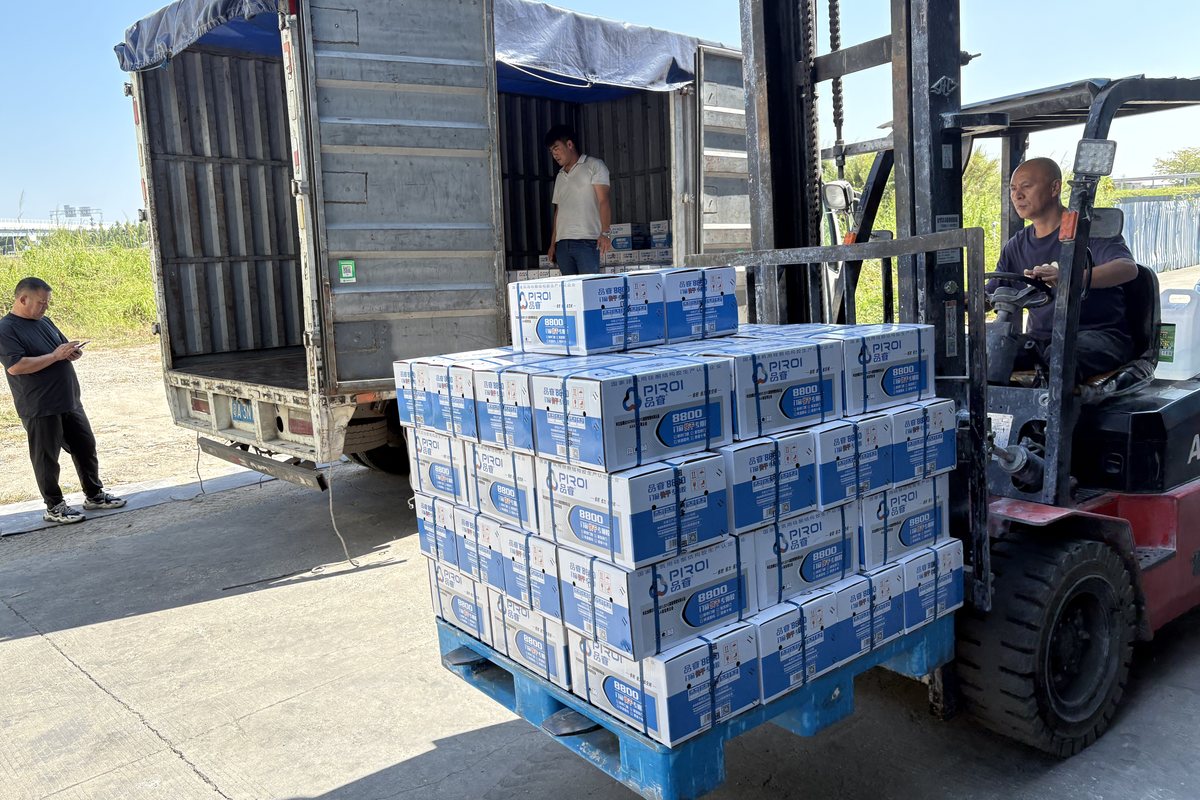
The obvious benefit of an automated filling line is speed. The less obvious — and for OEM buyers, more important — benefit is repeatability.
On a manual or semi-manual line, the fill weight of a 300 mL cartridge depends on the operator’s technique. That variation shows up downstream in ways that matter to an importer:
- Weight claims. If your cartons are marked with a net weight, variation outside tolerance is a compliance problem in markets that enforce labeling accuracy.
- Coverage expectations. A contractor who buys on the basis that one cartridge covers a certain number of meters will notice if some cartridges are short-filled.
- Private label consistency. When the product carries your brand, every variation is your customer’s complaint, not the factory’s.
Automated filling with in-line weight control keeps the fill volume inside a narrow tolerance band across the whole production run. For a buyer running a private label programme, that consistency is the product.
4. What This Changes for OEM Buyers
-
01
Shorter, more predictable lead times in peak season
Construction demand in Southeast Asia peaks around the dry season, and silicone sealant orders follow. Additional line capacity means a peak-season order is less likely to sit in a queue behind a larger customer. Standard lead time from confirmed order to container loading is held at 7 to 15 days.
-
02
Better batch consistency for private label
Automated filling with in-line control reduces fill-weight variation and improves the consistency of colour and cartridge appearance between batches. That directly reduces the rate of customer complaints on your own branded product.
-
03
Mixed-format orders scheduled in parallel
Buyers frequently need both 300 mL cartridges and 590 mL sausages in the same shipment. With dedicated line assignment for each format, one format no longer has to wait for the other to finish before production can begin.
-
04
Room for custom formulation runs
Custom formulations and colour matching consume line time that would otherwise be used for standard production. Additional capacity makes smaller custom runs more practical, which matters to buyers who need a formulation adjusted for their specific climate or substrate.
5. What PIROI’s OEM Service Covers
| Service | What it includes | Typical buyer requirement |
|---|---|---|
| Custom formulation | Adjustment of cure chemistry, movement class, tack-free time and other properties within the silicone system | Different climate conditions, different substrates, different specification standards |
| Private label | Your brand name and artwork on cartridge, sausage and carton | Distributors and importers building their own brand rather than reselling PIROI |
| Colour matching | Colour matched to a supplied sample or to a specified reference | Markets where the sealant must match a specific frame or stone colour |
| Packaging configuration | Cartridge, sausage, carton count, pallet configuration | Local retail or trade packaging conventions |
| Bilingual labeling | English plus local language product text and safety information | Markets with local-language labeling requirements |
| Export documentation | Commercial invoice, packing list, test reports, and coordination on FORM E application | Buyers clearing goods through ASEAN customs |
For exact MOQ figures on a custom formulation or private label run, contact PIROI with your target product and packaging specification — MOQ depends on the formulation and the packaging format, so a general figure would be misleading.
6. Quality Control Behind the Capacity
Additional capacity is only useful if the quality system scales with it. PIROI operates under an ISO 9001 quality management system and tests production against the applicable national standards for each product grade — GB/T 14683-2017 for general purpose sealants, GB 16776-2025 for structural grades, and GB/T 24267-2009 for fire-rated products.
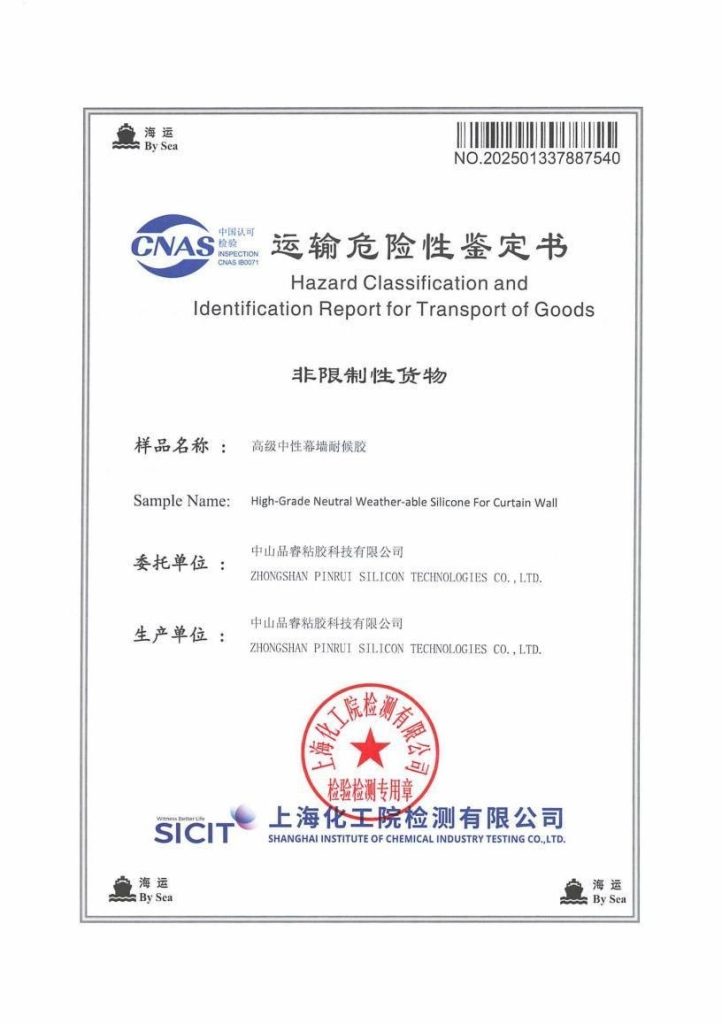
Third-party test reports are available for buyers who need documented evidence for a project submittal or a customs conformity check. Where your market requires it, we can arrange testing against an alternative standard through an accredited laboratory.
7. Frequently Asked Questions
8. Conclusion
Capacity and process control are not glamorous topics, but they are what determine whether a supply relationship survives its second year. Two additional automated filling lines, eight lines in parallel and dedicated format assignment give PIROI the ability to absorb growing ASEAN order volume without stretching lead times or loosening batch consistency.
If you are planning a private label programme or scaling an existing one, contact our export team with your target specification, packaging format and annual volume. We will confirm the applicable MOQ, lead time and documentation set for your market.
Substrate Coverage, Line Capability and Ordering Reference
The two automated filling lines commissioned in 2026 change what is practical to order as well as how fast it ships. This section sets out what the lines can fill, which substrates the range covers, and the commercial terms that go with a first ASEAN order.
Substrates and joints this applies to
| Substrate | Suitability | What to watch |
|---|---|---|
| Glass and glazing | All grades | Acetoxy or neutral depending on whether the joint carries load |
| Anodised aluminium | Neutral cure only | Acetic acid from acetoxy grades etches the anodised layer |
| Concrete and mortar | Neutral cure only | Acid attacks the alkaline surface and leaves a chalky edge |
| Natural stone and marble | Neutral cure only | Acid reacts with calcium carbonate and stains the face |
| UPVC and PVC window profiles | Neutral cure only | Steel reinforcement inside the chamber must not see acid |
| Stainless steel and coated metal | Neutral cure preferred | Confirm adhesion on the actual coating, not on bare metal |
| Ceramic and sanitary ware | Anti-mould sanitary grade | Wet-area joints need a Grade 0 mould result |
| Timber and engineered board | Neutral cure | Movement is large; size the joint from the board length |
Performance data you can quote in a submittal
| Property | Tested value | Requirement |
|---|---|---|
| Automated filling lines | 8 lines running in parallel | Cartridge and 590 mL foil sausage |
| Filling formats | 300 mL cartridge / 590 mL sausage | Both available from the same batch |
| Batch traceability | Retained sample archived 18 months | With Certificate of Analysis per batch |
| Extrusion rate (PR-666) | 516 mL/min | Minimum 150 mL/min |
| Tack-free time (PR-666) | 1.2 h | Maximum 3 h |
| Shelf life | 12 months from production date | Printed on every carton |
What the cure chemistry does inside the joint
A neutral-cure silicone is a one-component RTV system: it crosslinks by reacting with atmospheric moisture, starting at the surface and working inward. The by-product is an alcohol or an oxime rather than acetic acid, which is why neutral grades can be used against concrete, mortar, natural stone, marble, anodised aluminium and the metal reinforcement inside a PVC profile without etching or staining the substrate. Cure depth is roughly 2–4 mm in the first 24 hours at 23 °C and 50% RH; a 6 mm joint therefore needs several days before it carries load, and a joint that is sealed and immediately loaded will fail at the interface rather than in the sealant.
Standards and documentation
The range is manufactured to GB/T 14683-2017 for weatherproof grades and GB 16776-2025 for the structural grade, under an ISO 9001:2015 quality management system valid to 2029-01-25. Every batch is coded, tested and archived for 18 months with its own Certificate of Analysis. Export documents supplied as standard: FORM E, packing list, COA and third-party test reports.
Ordering reference
| Commercial term | What PIROI offers |
|---|---|
| MOQ | OEM & private label from 1,000 pcs per model |
| Trial order | Mixed-model trial orders from 3,000 pcs total; stock items from 500 pcs |
| Lead time | Typically 15–25 days after artwork and sample approval |
| Packaging | 300 mL cartridges and 590 mL foil sausage packs |
| Private label | Custom cartridge artwork and colour matching supported |
| Sample | Free substrate adhesion and staining test on your own sample |