Buyers searching for silicone sealant manufacturers in Saudi Arabia usually find two kinds of result: local distributors holding stock in Dammam or Jeddah, and overseas factories that ship directly. Both are legitimate, and the right choice depends less on price than on how the joint will behave in Gulf conditions — which are harder on a sealant than almost anywhere else.
This guide is about what changes when a sealant is specified for Saudi Arabia and the wider GCC, and what a buyer should verify before a container leaves the factory.

Why Gulf conditions are harder on a sealant
A facade in Riyadh or Dubai sees a combination that most sealants were never tested against:
- Surface temperature well above air temperature. A dark aluminium or glass panel in direct sun runs 40–50 °C above ambient. At 45 °C air temperature the panel surface can reach 90 °C, so the joint moves through a range that climate tables based on air temperature will understate.
- UV intensity. Clear skies and low humidity mean little atmospheric filtering. A sealant that ages slowly in a temperate climate ages visibly faster here. Our high-UV selection guide covers the four report values that predict this.
- Airborne sand and dust. Sand abrades the exposed bead surface and settles into joints, and it also contaminates substrates before sealing. Surface preparation is not a formality in this market.
- Salt in coastal cities. Jeddah, Dammam, Dubai and Muscat combine UV with chloride exposure, which attacks frames and fixings around the joint even where the silicone itself is sound.
- Large diurnal swing. Desert nights drop steeply. A joint that is sized only for the daytime maximum will be undersized, because it has to accommodate movement in both directions.
What that means for the grade
| Requirement | Why it matters here | What to ask for |
|---|---|---|
| Neutral cure | Acid cure attacks metals, stone and concrete — the three substrates that dominate Gulf facades | Oxime or alkoxy system named in writing |
| Mass loss rate | The bead must not shrink away from the joint under sustained heat | Report value against the standard limit |
| Elastic recovery | Daily thermal cycling is severe; a bead that stops recovering opens the joint | Recovery figure, ideally above 90% |
| Adhesion after water immersion | Rain is rare but intense, and cleaning water is common | Reported result, not a claim |
| Movement class | Sized from the real surface temperature range, not the air temperature | A joint calculation, not a rule of thumb |
Our PR-888 reports mass loss 4.2% against a limit of 8%, elastic recovery 92% against a minimum of 80%, and no failure on adhesion after water immersion or cold-draw. Those are the figures that matter in this climate — see the premium weatherproof sealant.
Compliance: what a Saudi or GCC buyer actually needs
Documentation is often the step that delays a shipment, so it is worth settling early:
- SABER / SASO. Imports into Saudi Arabia are registered through SABER, with a Product Certificate of Conformity and a Shipment Certificate per consignment. Confirm with your supplier who holds the product certificate and what the registration covers before ordering.
- Gulf standard marking. Where a project specification names a Gulf or international standard, the supplier should be able to show a test report against it rather than a general conformity statement.
- Certificate of origin. Needed for duty treatment. We issue the usual export documents in-house, including FORM E where it applies to the destination.
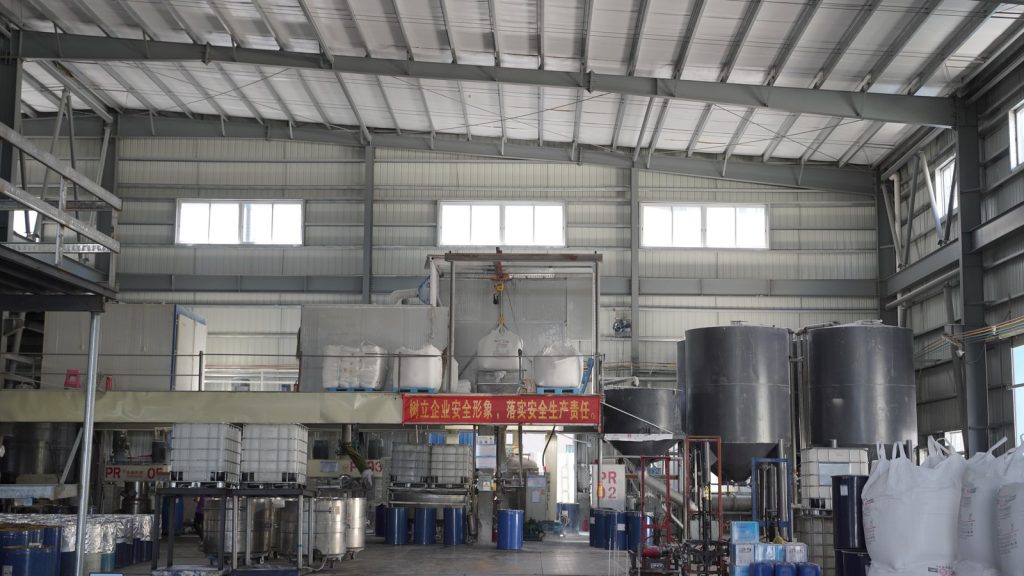
- Batch CoA. Every batch is coded, tested before release and archived for 18 months with its own Certificate of Analysis, so a consignment can be traced to its polymer lot after arrival.
Requirements change, and the exact registration route depends on the product and the importer of record. Confirm the current requirement with your customs broker before the order is placed rather than after — that is the single most common cause of a delayed first shipment.
Local distributor or direct factory supply?
Both models work, and the choice is usually about volume and support rather than principle. It is worth knowing which one you are talking to: some silicone sealant manufacturers in Saudi Arabia are actually importers holding stock, while others are factories shipping directly.
| Local distributor | Direct from factory | |
|---|---|---|
| Lead time | Days, from stock | 15–25 days production plus sea freight |
| Price | Higher — carries local stock and margin | Lower at volume |
| Technical support | Local, in your language and time zone | Remote, but direct to the people who formulate |
| Private label | Usually not available | Available from 1,000 pcs per model |
| Documentation | Depends on the distributor’s paperwork | Issued by the manufacturer |
Most first orders in the region go through a distributor because the buyer wants stock quickly and a local contact. Direct supply becomes attractive once volumes justify a container and the buyer wants their own brand on the cartridge.
Ordering from a factory outside the region
Most silicone sealant manufacturers in Saudi Arabia and the wider GCC do not produce the polymer themselves — they import, re-label and distribute. That is not a problem in itself, but it changes what you can ask for: a re-labeller cannot adjust cure speed or modulus, and cannot show you the raw material lot behind a finished batch.
- MOQ — 1,000 cartridges per model for private label, mixed models from 3,000.
- Lead time — typically 15–25 days after artwork approval, plus sea freight. Our plant ships from Shenzhen, Nansha and Yantian.
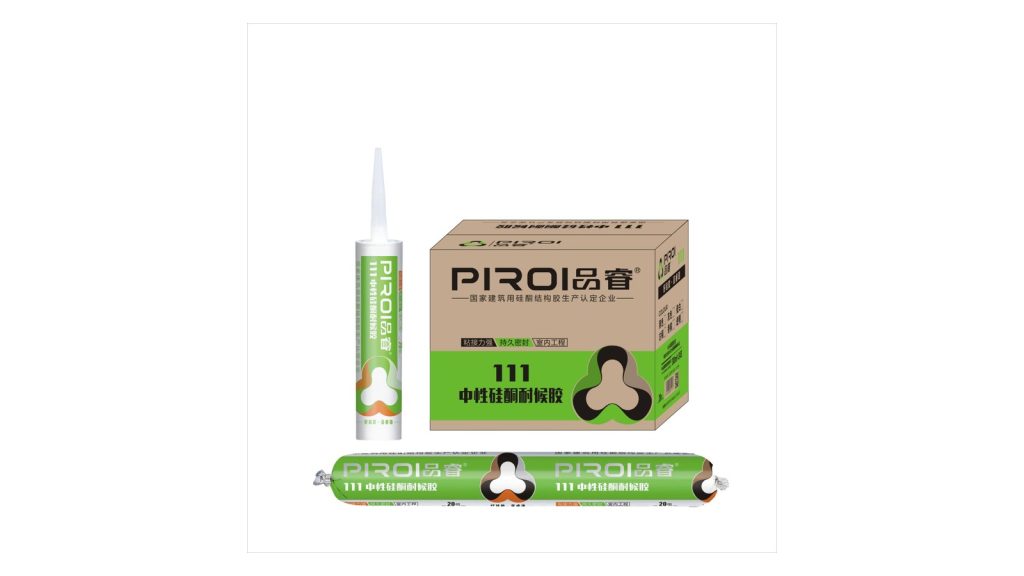
- Formats — 300 mL cartridges and 590 mL sausages, both non-hazardous for transport.
- Samples — supplied before mass production so the bead can be tested in Gulf conditions rather than in a temperate laboratory.
- OEM — formulation adjustment to the standard your project names, plus cartridge and label artwork.
The commercial terms are set out in our guide to private label MOQ and lead time. Certificates are on the certifications page, production detail on the factory page, and the exterior grades under the weatherproof product series.
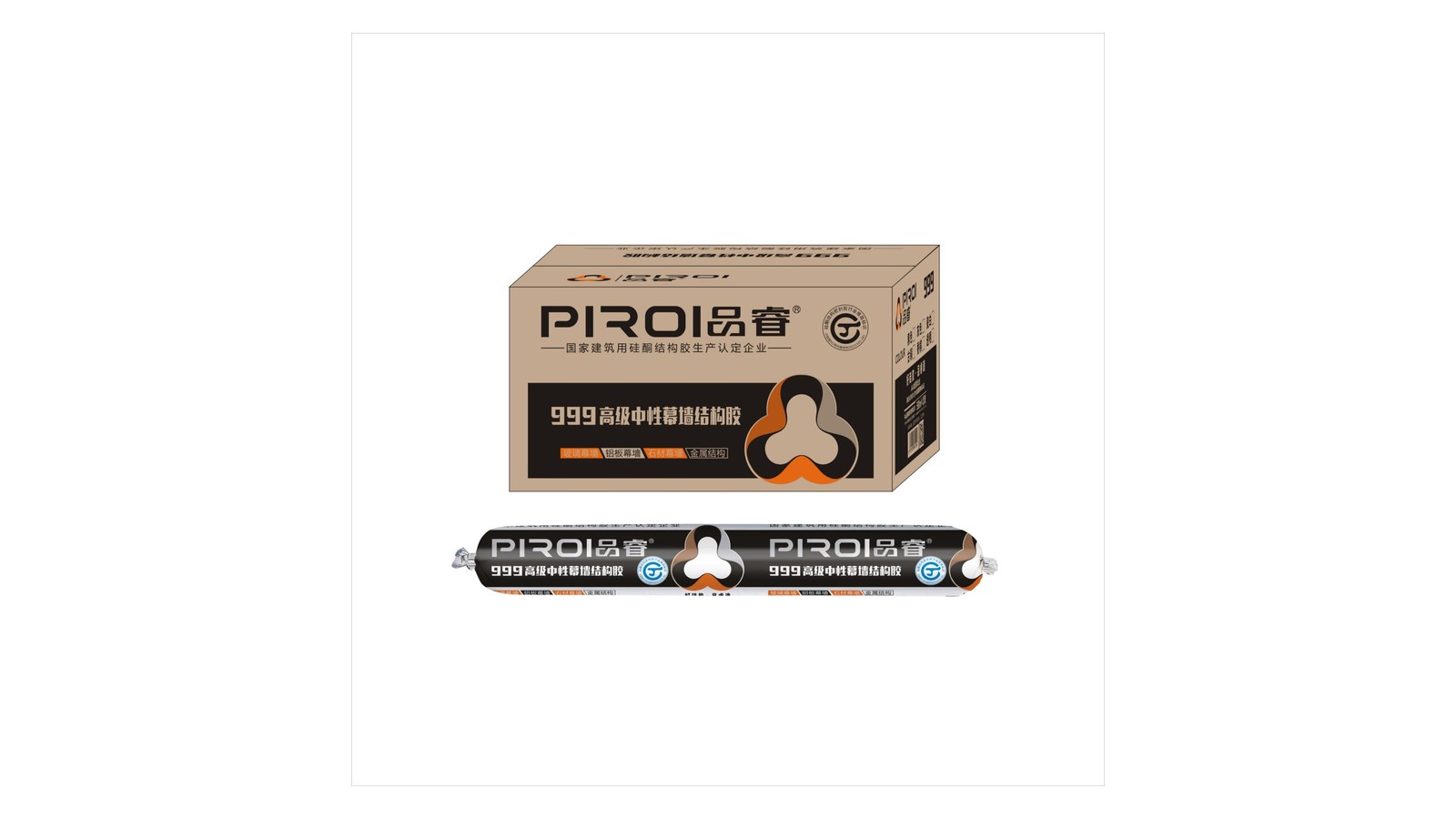
Send the project location, the substrate and the joint size, and our technical team will confirm the grade and the documentation route before pricing — or start from the PIROI site for the full range.