“Factory direct” is the most overused phrase in sealant sourcing. Every trading company claims it, and the claim costs nothing to make. The difference between a real factory direct silicone sealant supplier and a trader is not the price list — it is what happens when a batch fails, when a document is missing at customs, or when a customer asks to visit the line that made their order.
This guide sets out what factory direct silicone sealant supply should mean in practice, and what to verify before the first container.
What factory direct should actually mean
Four things separate direct silicone sealant supply from a reseller chain. Each one is verifiable, and each one fails in a predictable way when it is missing:
- The line that made your batch is the line you can inspect. Not a showroom, not a partner plant — the actual filling line.
- The batch code resolves to a raw material lot. A reseller can quote a batch number they did not generate.
- The document set is issued by the party that tested the batch. Not forwarded from a third party.
- Changes to formulation or artwork are decided in one place. A trader has to relay the request and hope it lands correctly.
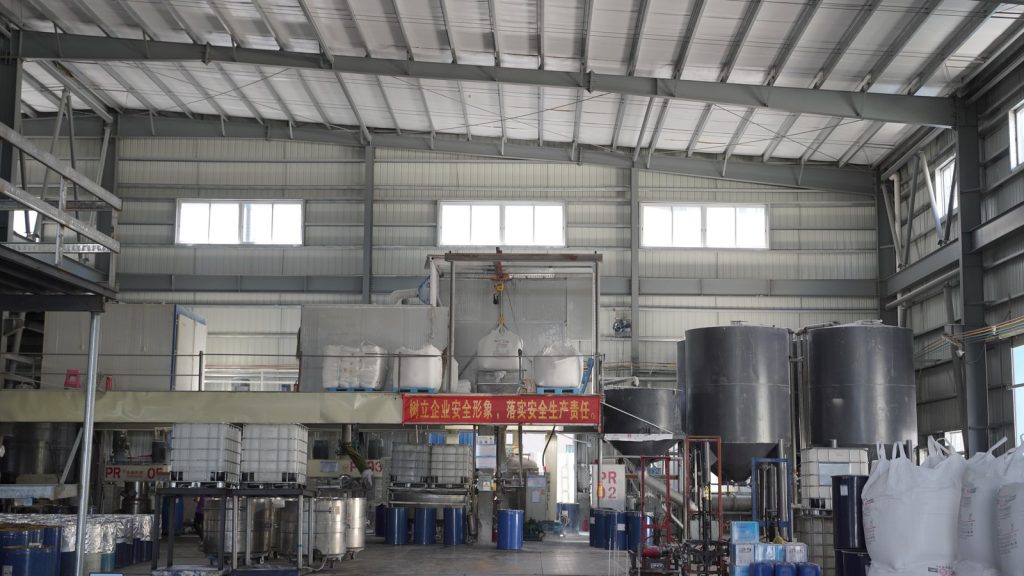
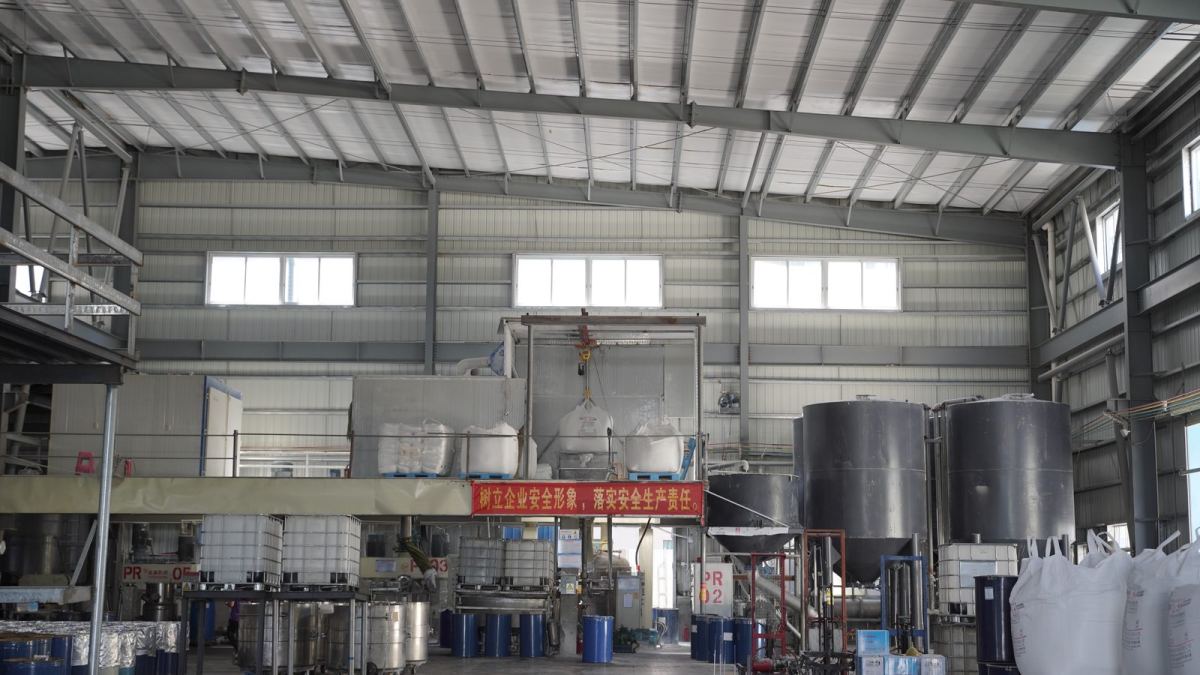
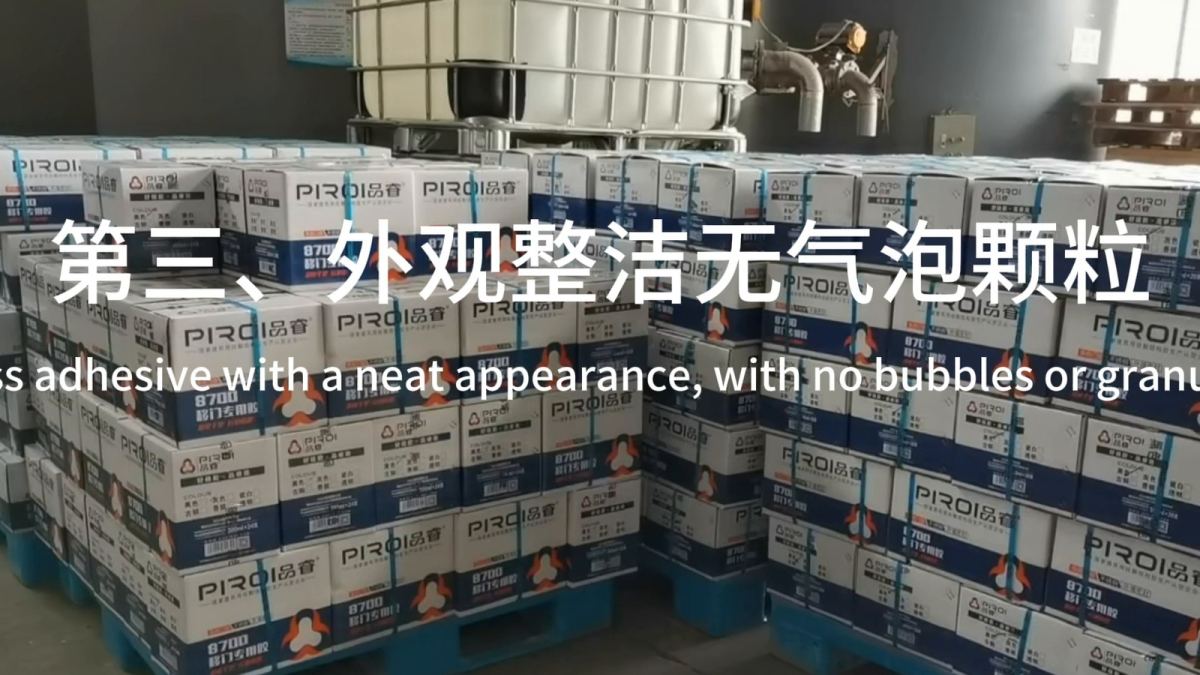
We manufacture silicone sealant in Zhongshan, Guangdong, on a 20,000 m² base with 8 automated filling lines and an in-house R&D laboratory. The production and QC setup is documented on the factory page with unretouched site photos, and the finished range is listed on the full silicone sealant range.
What the factory itself must show you
Before a purchase order, ask for three things that a reseller cannot produce:
- A live or recorded walkthrough of the filling line for the format you are buying — cartridge, sausage, or bulk.
- The QC laboratory and the test equipment used on your batch: tensile, adhesion, extrusion rate.
- The retained sample archive — where the batch sample physically sits for its retention period.
Our batch records are archived for 18 months with a retained sample and a Certificate of Analysis per batch, and every batch is tested before release. That is the part of direct silicone sealant supply that never appears on a quotation.
MOQ and lead time on a direct order
Direct supply changes the commercial terms as well as the technical ones. The minimum depends on order type, not on a single headline figure:
- OEM and private label — from 1,000 pcs per model, with your brand, artwork, colour and formulation.
- Mixed-model trial order — from 3,000 pcs in total, testing several models or formats in one shipment.
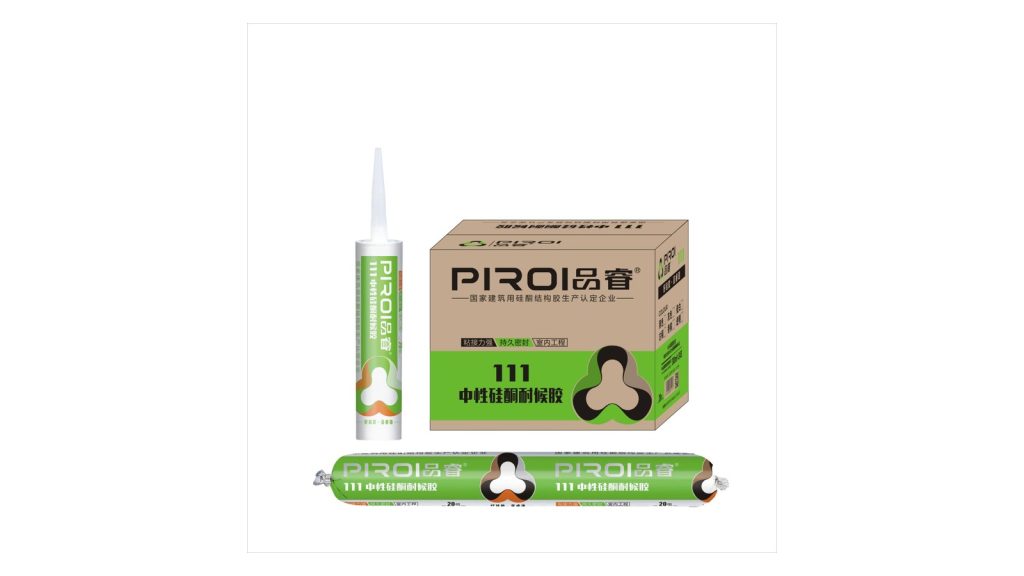
- Stock items — from 500 pcs, standard PR-series packaging, no artwork change.
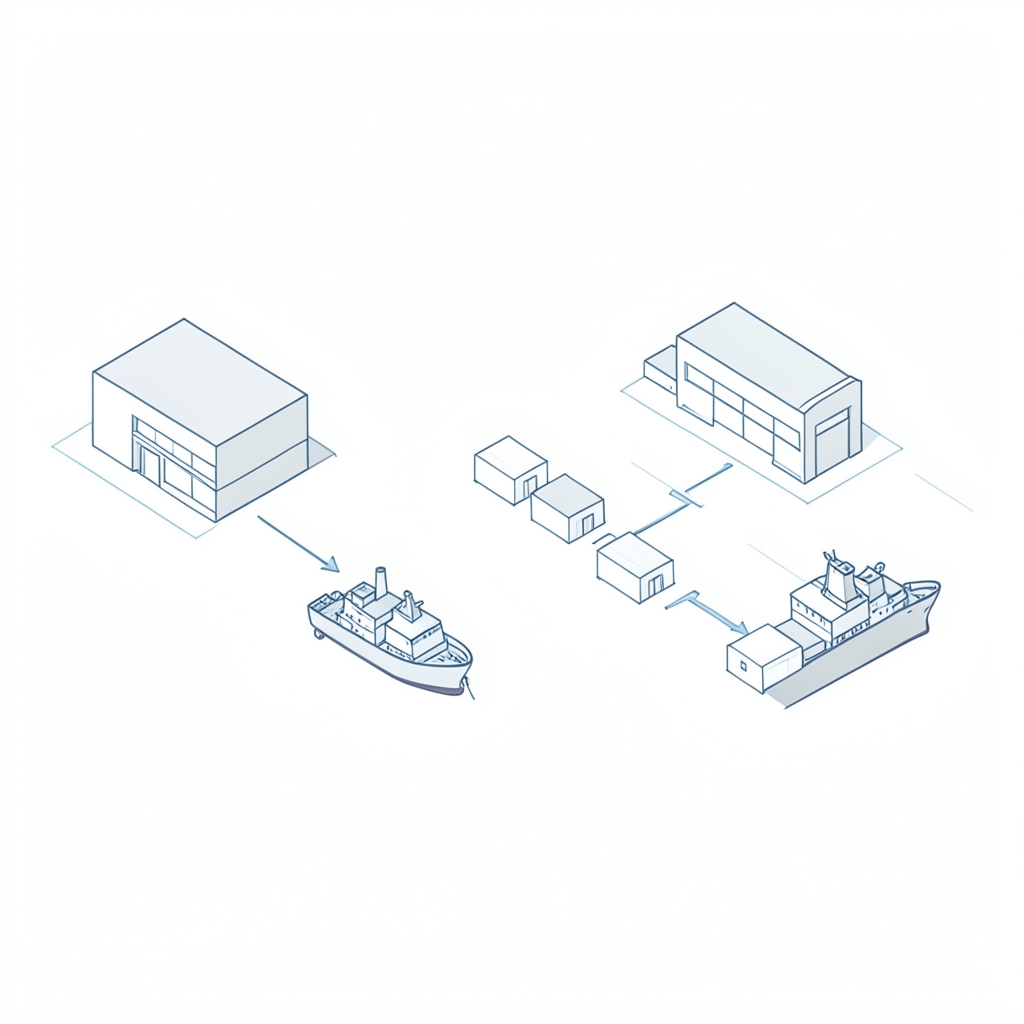
Production lead time is typically 15–25 days after artwork and sample approval, with repeat contract orders on an established specification around 15 days. Sea freight from Shenzhen (Yantian / Shekou) and Nansha runs 7–15 days to Ho Chi Minh, Bangkok, Port Klang and Jakarta. The full terms are set out in the private label MOQ and lead time guide.
Batch traceability and the document set
A direct shipment should arrive with documents generated for that batch, not templates:
- Test report against the standard named on the product — GB 16776-2025 for structural, GB/T 14683 for weatherproof, JC/T 485 for window and door.
- Certificate of Analysis for the batch supplied, not a sample batch.
- Safety data sheet for the destination market.
- FORM E where the importer is claiming ASEAN preferential duty.
How to read the report side of this is covered in the buyer’s guide to lab reports, and the accredited reports behind our range are listed on the certifications page.

Factory direct vs trading company: the real difference
The price difference between a factory and a trader is usually small and sometimes negative. The differences that matter show up later:
| Question | Factory direct | Trading company |
|---|---|---|
| Who made the batch? | The party you contracted | A third party, often unnamed |
| Formulation change request | Decided and tested in-house | Relayed, outcome uncertain |
| Batch failure | Root cause traced to the raw material lot | Replaced from someone else’s stock |
| Factory visit | The line that made your order | A partner plant, if any |
| Document set | Issued by the testing party | Forwarded copies |
Neither model is dishonest — the problem is that a trader cannot answer a technical question about a batch they did not make, and the buyer only discovers this during a complaint. For a structural position, that gap is expensive: the grade has to match the standard, and the structural silicone sealant used on a load-bearing joint is specified against GB 16776-2025, not chosen from a catalogue.
How to verify before the first order
- Ask for the line walkthrough in your format, not a stock video.
- Ask for a batch CoA from a recent shipment and check the report number resolves.
- Ask who issues the test report — the factory or a forwarder.
- Ask for the retained-sample policy in months.
- Request a sample and confirm the batch documentation arrives with it.
We sell direct from the Zhongshan factory to importers, distributors and private label brands, with the MOQ terms above and the full document set on every shipment. Send the joint detail and the destination market, and our technical team will confirm whether the specified grade fits the substrate and the movement before the order is placed. The PIROI range covers 17 models across four series, so most first orders can be built from one supplier.