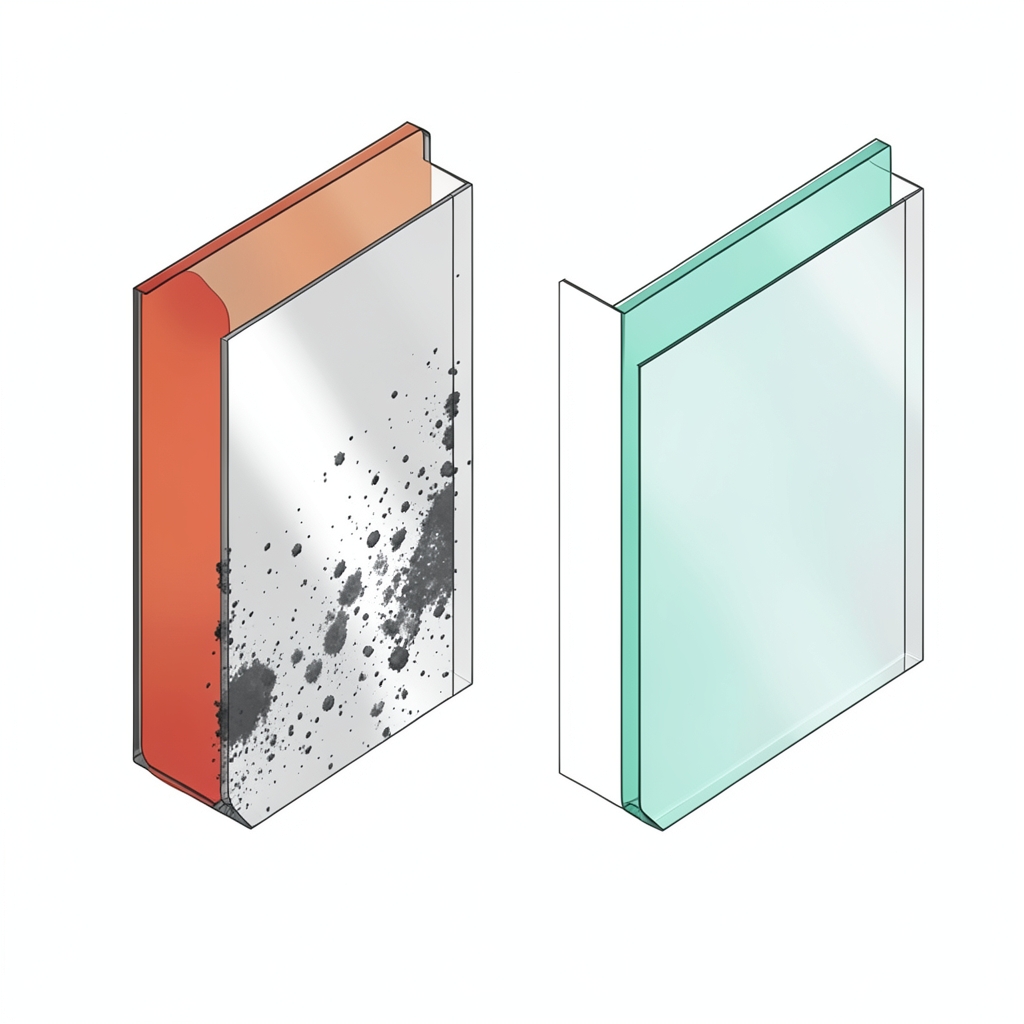
Mirror failures are almost never a mould problem, and they are almost never a bad batch. They are a chemistry problem: the wrong cure system attacks the silvering from behind, and the damage is irreversible by the time it shows on the surface. That single fact decides how a mirror silicone sealant manufacturer should be qualified.
This guide explains why the cure system matters more than any other property on a mirror joint, and what to verify before adding a mirror grade to your range.

Why the cure system decides a mirror joint
Silicone sealant cures by releasing a by-product. The by-product is what touches the substrate while the sealant is still wet, and on a mirror it is what destroys the product:
| Cure system | By-product released | Effect on mirror backing |
|---|---|---|
| Acetoxy (acidic) | Acetic acid | Attacks the silvering and the protective backing — irreversible |
| Neutral (oxime / alkoxy) | Non-corrosive alcohols / oximes | No attack on the silvering |
This is why a mirror joint is a neutral-cure-only position. The failure does not appear at installation: the mirror looks correct for weeks, then the black edge and the spotting begin at the bond line. The mechanism is set out in detail in the mirror backing guide, and the chemistry behind both neutral systems in the cure chemistry guide.
What a mirror grade has to do beyond not corroding
Neutral cure is necessary but not sufficient. A mirror sealant also has to survive the environment the mirror lives in:
- Stay flexible. Mirrors are bonded to walls, doors and cabinet frames that move; a rigid bond transfers stress into the glass.
- Resist moisture without supporting mould. Bathroom and wet-area mirrors sit in constant humidity, which is where anti-mould performance becomes a selection criterion rather than a marketing line.
- Hold without a mechanical fixing where the joint is doing the bonding, not just the sealing.
- Not stain the edge. Any interaction with the backing shows as a dark border.
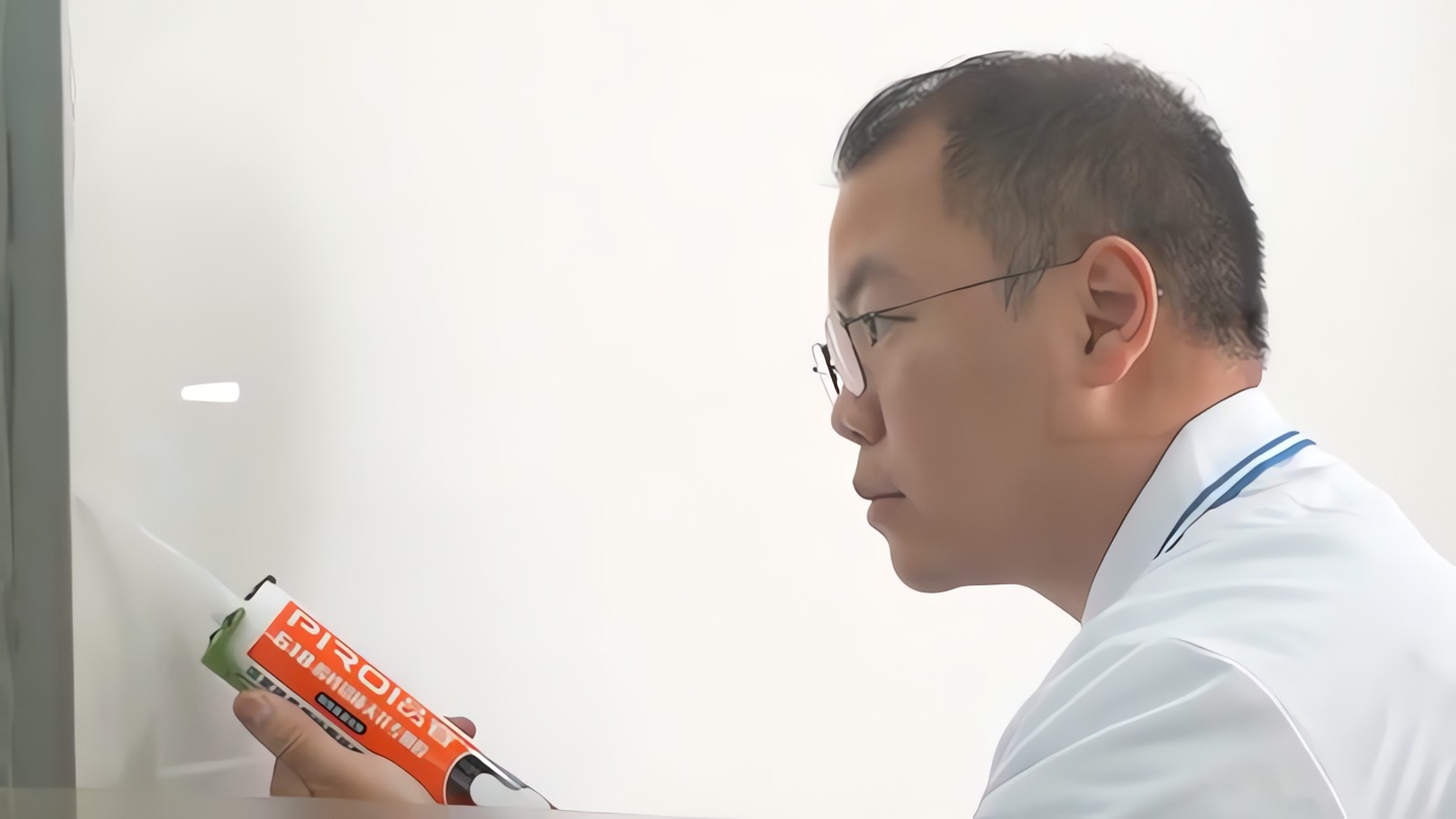
Our mirror grade, PR-228, is a one-component neutral cure silicone supplied in 300 mL cartridges with a 12-month shelf life from the production date. Full model details are on the mirror silicone sealant page, and the wider sanitary and home decoration series is on the full silicone sealant range.
Where mirror joints sit in a range
For a distributor, the mirror grade is usually a low-volume but high-margin line: it is specified by the fabricator rather than chosen off a shelf, and a fabricator who has had one silvering failure will not switch suppliers on price. That makes the mirror grade a retention product rather than a traffic product — it is sold with the technical answer attached.
The practical pairing is a mirror grade plus an anti-mould sanitary grade for the same wet-area projects. The sanitary series is covered on the sanitary sealant for bathroom and kitchen, and the anti-mould standard is explained on the certifications page.
What to verify before buying a mirror grade
- The cure system, stated in writing. “Neutral” alone is not enough — ask which neutral system, oxime or alkoxy.
- A test report for the batch supplied, not a datasheet extract.
- Anti-mould performance where the joint is in a wet area — Grade 0 against JC/T 885 is the reference.
- Batch traceability — every batch coded, tested and archived for 18 months with a retained sample and Certificate of Analysis.
- The failure story. Ask the supplier what happens when a mirror joint fails; a manufacturer who makes the grade can explain the mechanism, a trader usually cannot.
How to read the report side is covered in the buyer’s guide to lab reports.
MOQ, lead time and OEM terms
Mirror grades are usually ordered in smaller volumes than facade products, so the terms matter:
- OEM and private label — from 1,000 pcs per model, with your brand and artwork.
- Mixed-model trial order — from 3,000 pcs in total across models and formats.
- Stock items — from 500 pcs in standard PR-series packaging.
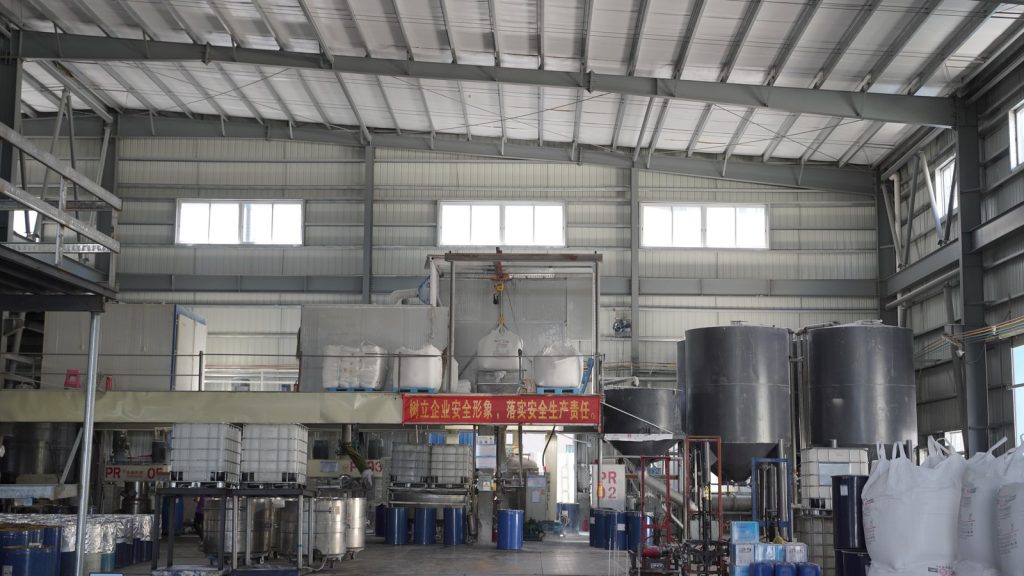
Production lead time is typically 15–25 days after artwork and sample approval, and the sample ships with its batch documentation so the cure system can be verified before the order. We manufacture on a 20,000 m² base in Zhongshan with 8 automated filling lines — the setup is documented on the factory page.
How to qualify a mirror sealant manufacturer
- Ask for the neutral system in writing — oxime or alkoxy, not just “neutral”.
- Ask for a batch CoA from a recent shipment.
- Ask for the anti-mould classification if the joint is in a wet area.
- Ask who makes the grade — the manufacturer or a reseller.
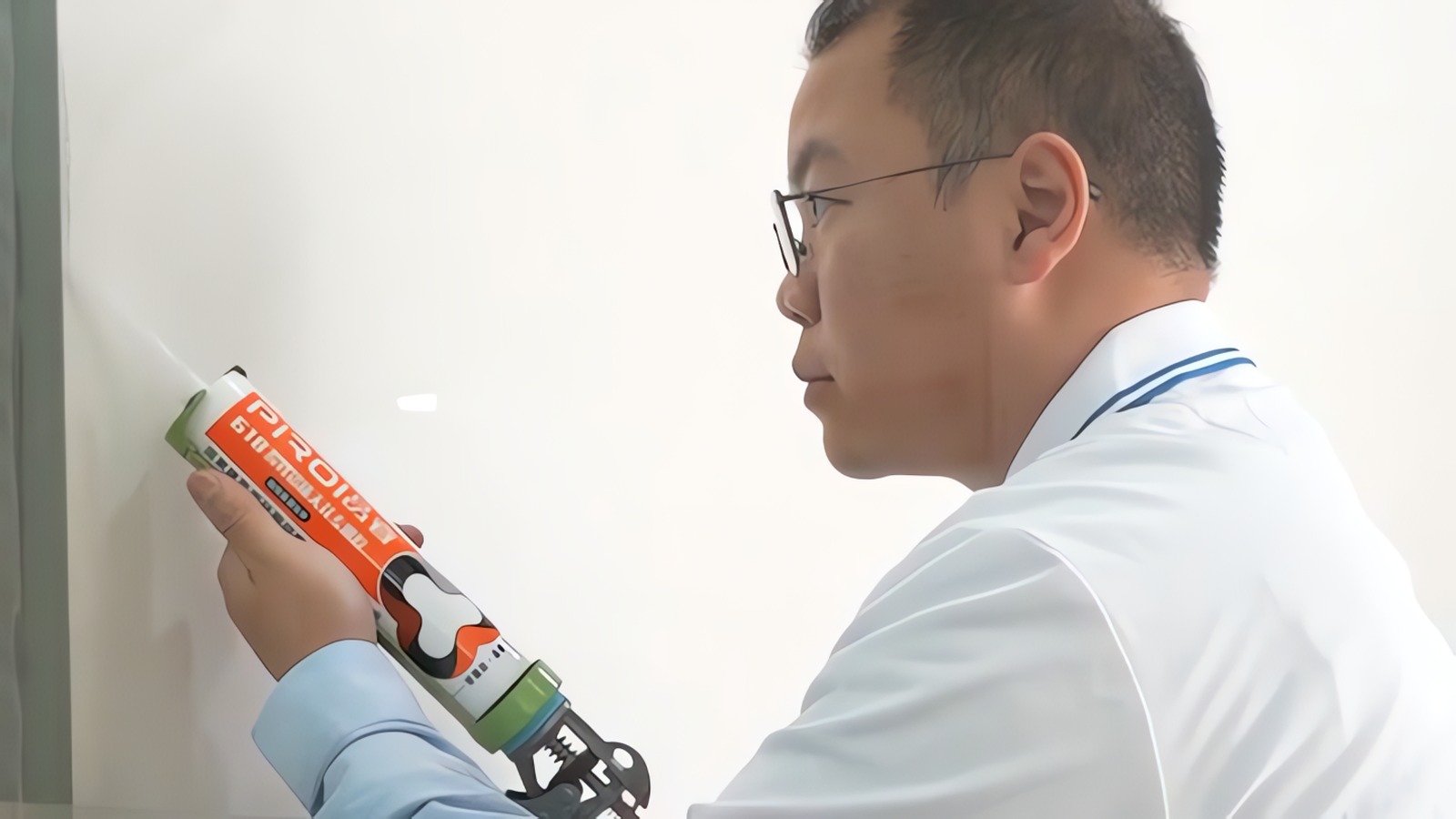
- Order a sample and bond a test mirror; the failure mode appears at the bond line within weeks if the chemistry is wrong.
We supply the mirror grade direct from the Zhongshan factory, with the batch documentation and the cure system stated on the product sheet. Send the mirror construction and the substrate behind it, and our technical team will confirm whether the grade fits before the order is placed — the full range is on the PIROI site.