Joints between precast concrete panels are one of the few positions where the sealant is asked to do three difficult things at once: bond to an alkaline, porous and dusty substrate, follow movement that is larger than the thermal calculation suggests, and do it for decades without being accessible for repair.
Most failures in this position are not caused by a bad cartridge. They are caused by a silicone sealant chosen for the wrong substrate, or a joint sized from the gap on site rather than from the movement the panel will actually see.

Why concrete is a different substrate
Three properties of concrete rule out most general-purpose sealants before movement is even considered:
- It is alkaline. Acetoxy (acid cure) sealants release acetic acid as they cure, and that acid reacts with the calcium compounds in concrete and mortar. The result is surface etching and a permanent stain that no amount of cleaning removes. On precast panels the stain follows the joint line and is visible from the ground, which is why a neutral cure grade is mandatory rather than preferred.
- It is porous and dusty. Panel faces carry release agent, laitance and site dust. Adhesion to concrete depends on preparation far more than on the sealant — mechanical cleaning, then a primer where the specification calls for one.
- It keeps moving. Concrete does not simply expand and contract with temperature. It absorbs and releases moisture over years, producing a slow irreversible expansion that a joint sized only for thermal movement will not accommodate.
Sizing the joint: two movements, not one
A precast joint has to absorb both thermal movement and moisture movement, and the second is the one that gets forgotten. This is why a sealant for precast concrete cannot simply be the grade left over from a window job — the movement budget is larger.
| Movement | Driven by | How it is handled |
|---|---|---|
| Thermal | Daily and seasonal temperature range at the panel surface | Calculated from panel length, coefficient of expansion and the real surface temperature range |
| Moisture | Long-term wetting and drying of the concrete | Accommodated through a higher movement class and a wider joint than thermal alone would require |
| Structural | Inter-storey drift, wind racking | Sized by the structural engineer, not by the sealant supplier |
The surface temperature point is where most calculations go wrong. A dark panel in direct sun runs 40–50 °C above ambient air temperature, so a calculation that uses the air temperature range underestimates movement by a third or more. Our joint width calculator runs the thermal part from panel material, panel length and surface temperature range, and shows the coverage in metres per cartridge at the same time.
Joint geometry: the part that decides whether the bead survives
A correctly specified silicone sealant still fails in a badly shaped joint. Two rules matter on precast:
- Width-to-depth ratio. Roughly 2:1 for joints up to about 12 mm, moving toward 1:1 as the joint widens. A bead that is too deep concentrates strain at the bond line; one that is too shallow has insufficient volume to absorb movement.
- Backer rod. Sized about 25% larger than the joint width so it compresses into place. It sets the bead depth and prevents three-sided adhesion — a bead bonded to the panel faces and the joint base cannot flex into the required hourglass shape and tears internally within one or two seasonal cycles.
On precast panels the joint is often deeper than it looks, because the panel edge has a rebate. That rebate is exactly where three-sided adhesion happens if no backer is used, and it is the detail most often missed when a sealant for precast concrete is applied by a team used to window joints.
Which grade fits a precast joint
The requirement is a neutral cure silicone sealant with enough movement capability for the combined thermal and moisture movement, and adhesion that survives an alkaline substrate:
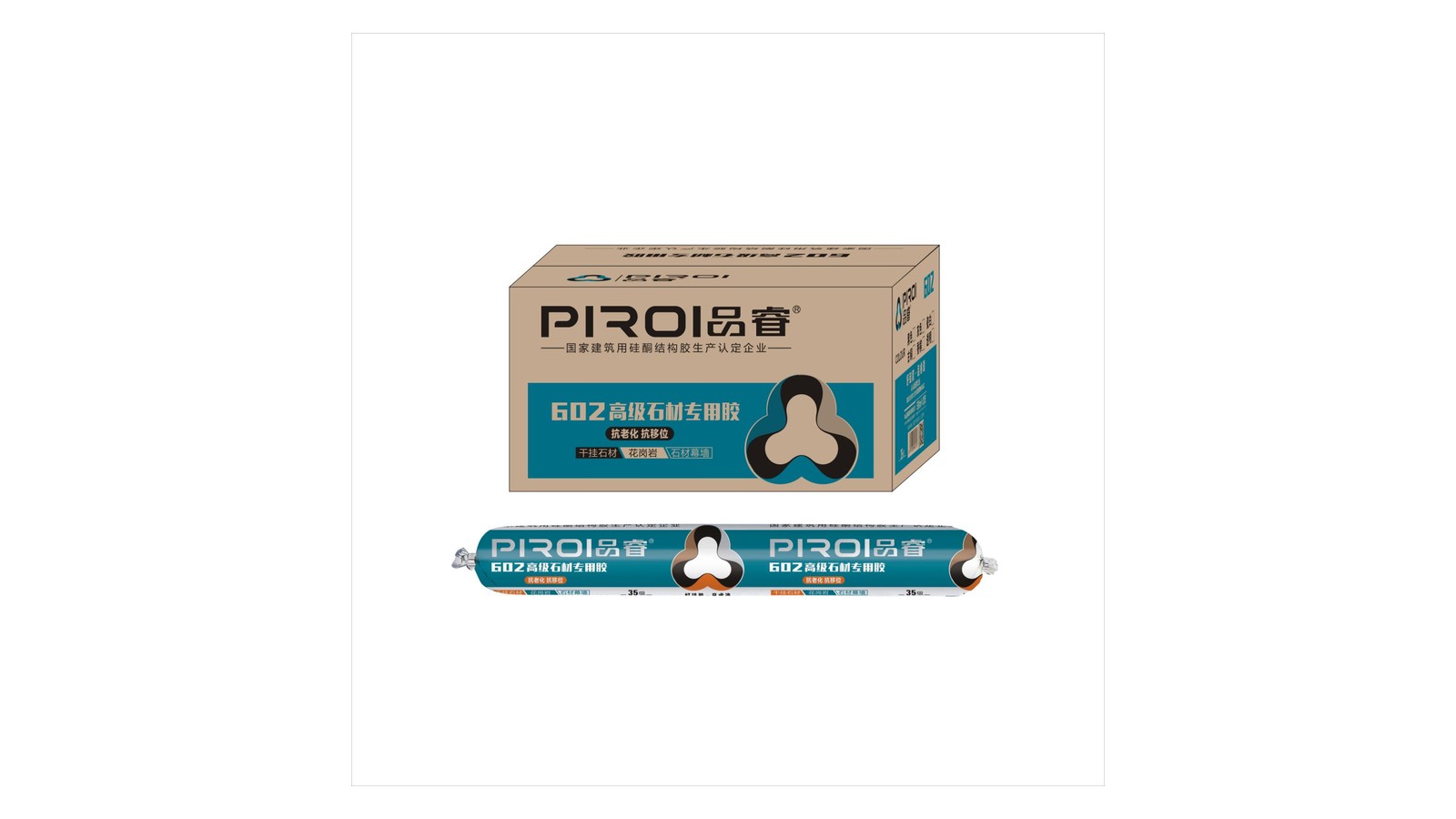
- PR-602 Premium Stone Silicone Sealant — neutral cure, GB/T 14683-2017, tensile modulus 0.7 MPa, sag resistance 0 mm vertical and no deformation horizontal. Formulated for porous and alkaline substrates including stone and concrete. See the stone sealant.
- PR-888 — where the joint also faces full weather exposure, the premium weatherproof grade adds adhesion results after water immersion and cold-draw. See the premium weatherproof sealant.
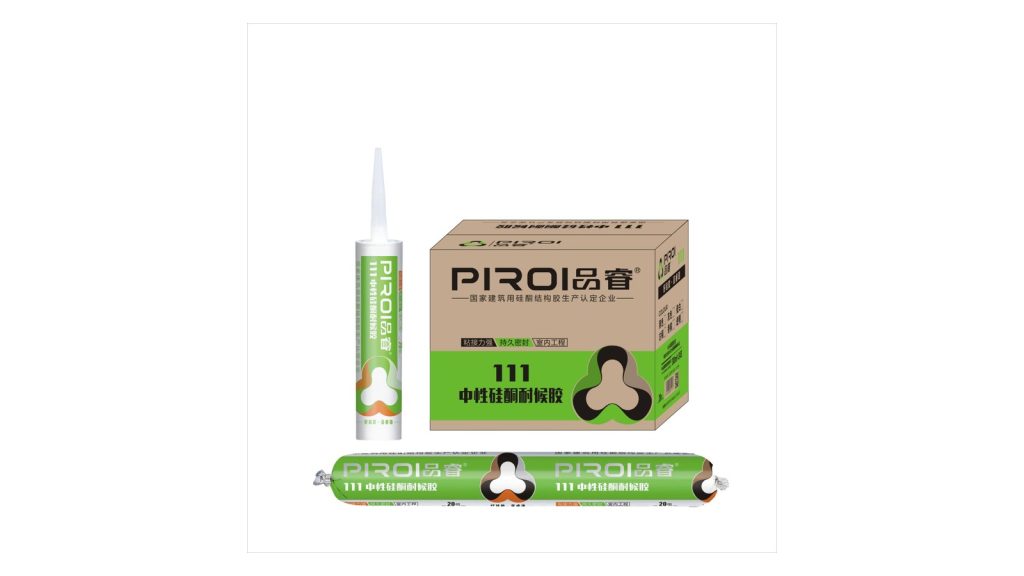
Both are supplied in 300 mL cartridges or 590 mL sausages with a 12-month shelf life from production date. The silicone sealant for precast concrete sets out the engineering challenge in more detail.
Buying for a precast project
- MOQ — 1,000 cartridges per model for private label, mixed models from 3,000.
- Lead time — typically 15–25 days after artwork approval.
- Samples — supplied before mass production, and worth bonding to an offcut of the actual panel rather than a generic test block.
- Documentation — CoA per batch, archived for 18 months, plus the test report behind each figure.
- OEM — formulation adjustment to the standard your project names, with cartridge and label artwork handled in-house.
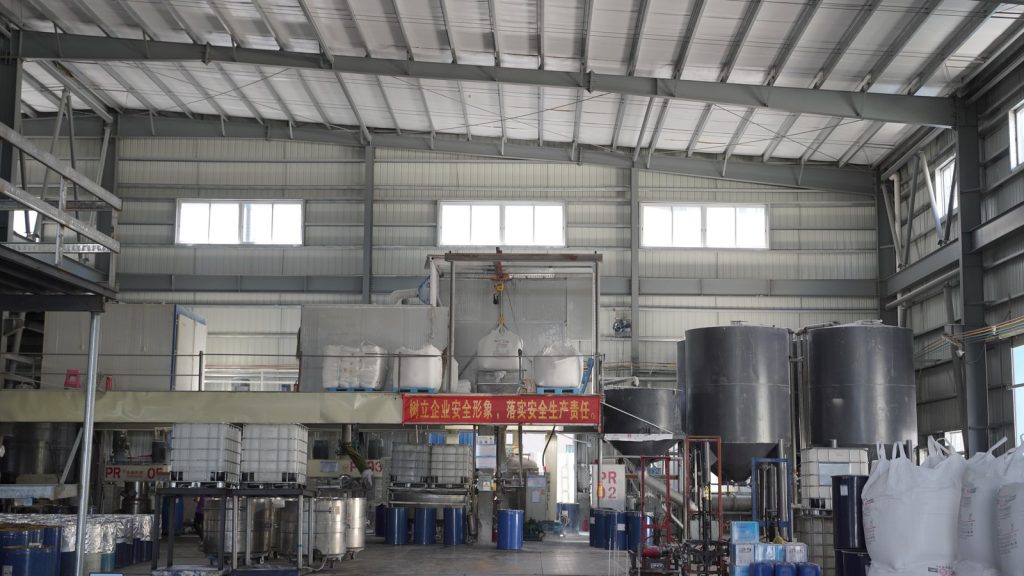
Commercial terms are in our guide to private label MOQ and lead time, production detail on the factory page, and certificates on the certifications page.
Send the panel dimensions, the joint detail and the climate the project sits in, and our technical team will confirm the grade and the joint width before pricing — or start from the PIROI site for the full range.