Two sealants carry almost every glazed facade, and they do opposite jobs. Specifying one where the other belongs is the most expensive mistake in facade work, because the failure does not appear until the joint is loaded.
This guide sets out what separates a structural silicone sealant from a weatherseal, why the two must be chemically compatible, and what to put in the specification for each position.
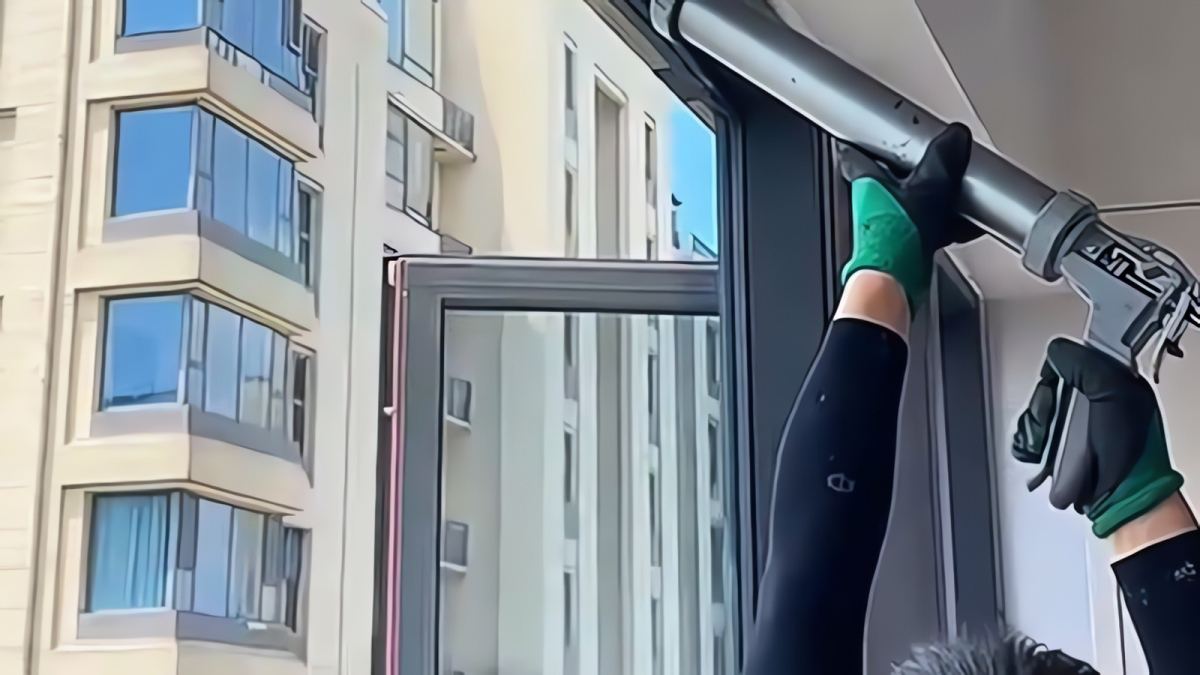
The two positions do different work
Structural silicone transfers wind load from the glass into the frame. It is a component of the structural design, which means it has to be specified, tested and documented as one — not chosen on site from whatever is in the van.
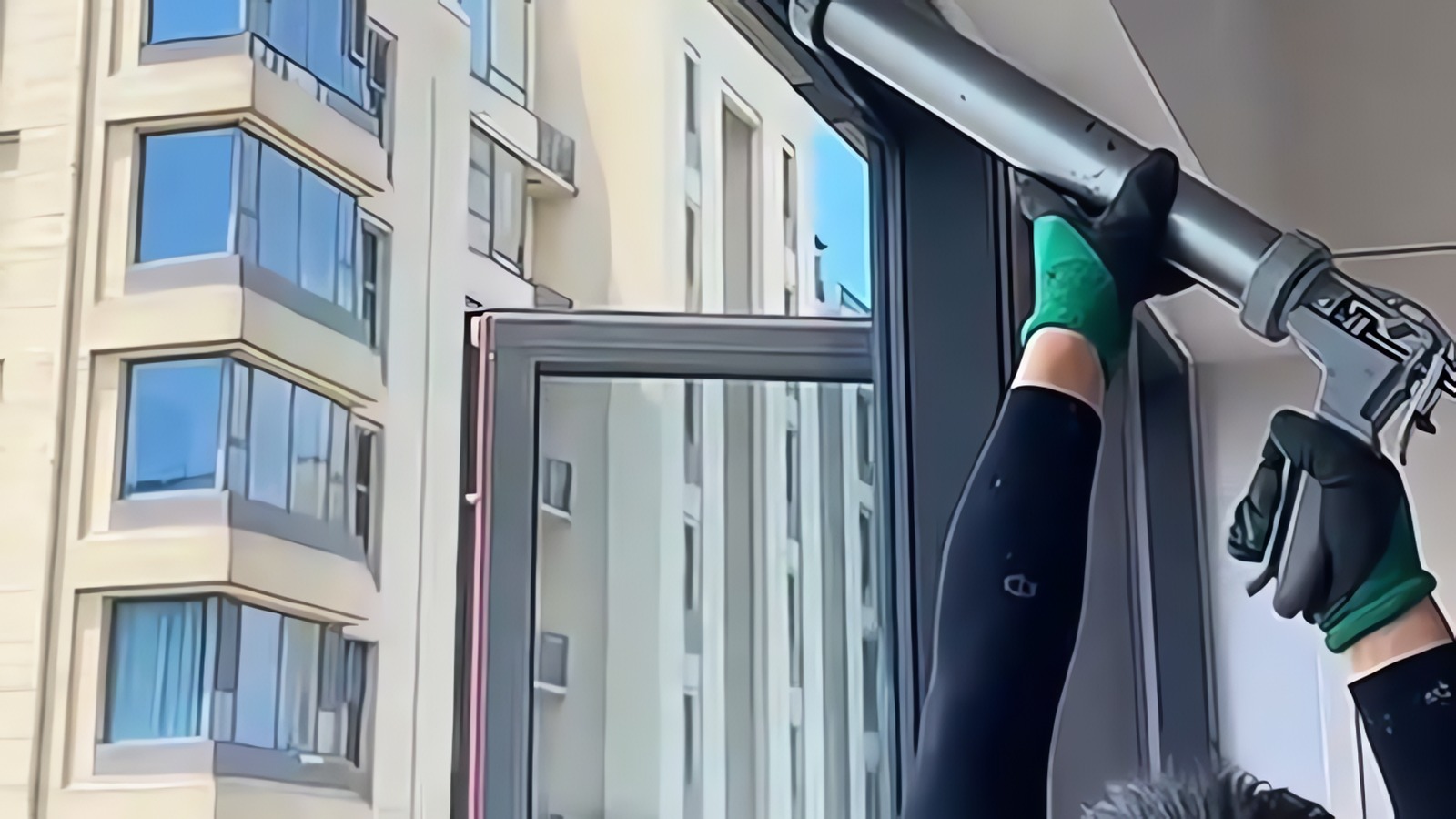
Weatherseal silicone keeps water out of the perimeter joint. It carries no load. Its job is to stay bonded and flexible while the facade moves, and to keep rain and air out of a joint that is not designed to take structural force.
| Structural silicone | Weatherseal silicone | |
|---|---|---|
| Job | Transfers wind load from glass to frame | Keeps water and air out of the perimeter joint |
| Load | Load-bearing | Carries no load |
| Specified by | Engineer, inside an engineered system | Joint design and movement class |
| Typical grade | GB 16776-2025 structural | Weatherproof grade to GB/T 14683 |
| Movement class | Defined by the structural calculation | Class 25 or Class 50 |
Why the two must be chemically compatible
A curtain wall usually uses both products in one system, in adjacent positions. If the two chemistries are not compatible, the weatherseal can soften or contaminate the structural joint, and the failure shows up as loss of adhesion rather than as a leak.
That is why we supply matched pairs rather than single products: when a facade needs a structural grade and a weatherseal in the same project, the two are specified together so they stay compatible. Buying them from two different suppliers is where this usually goes wrong.
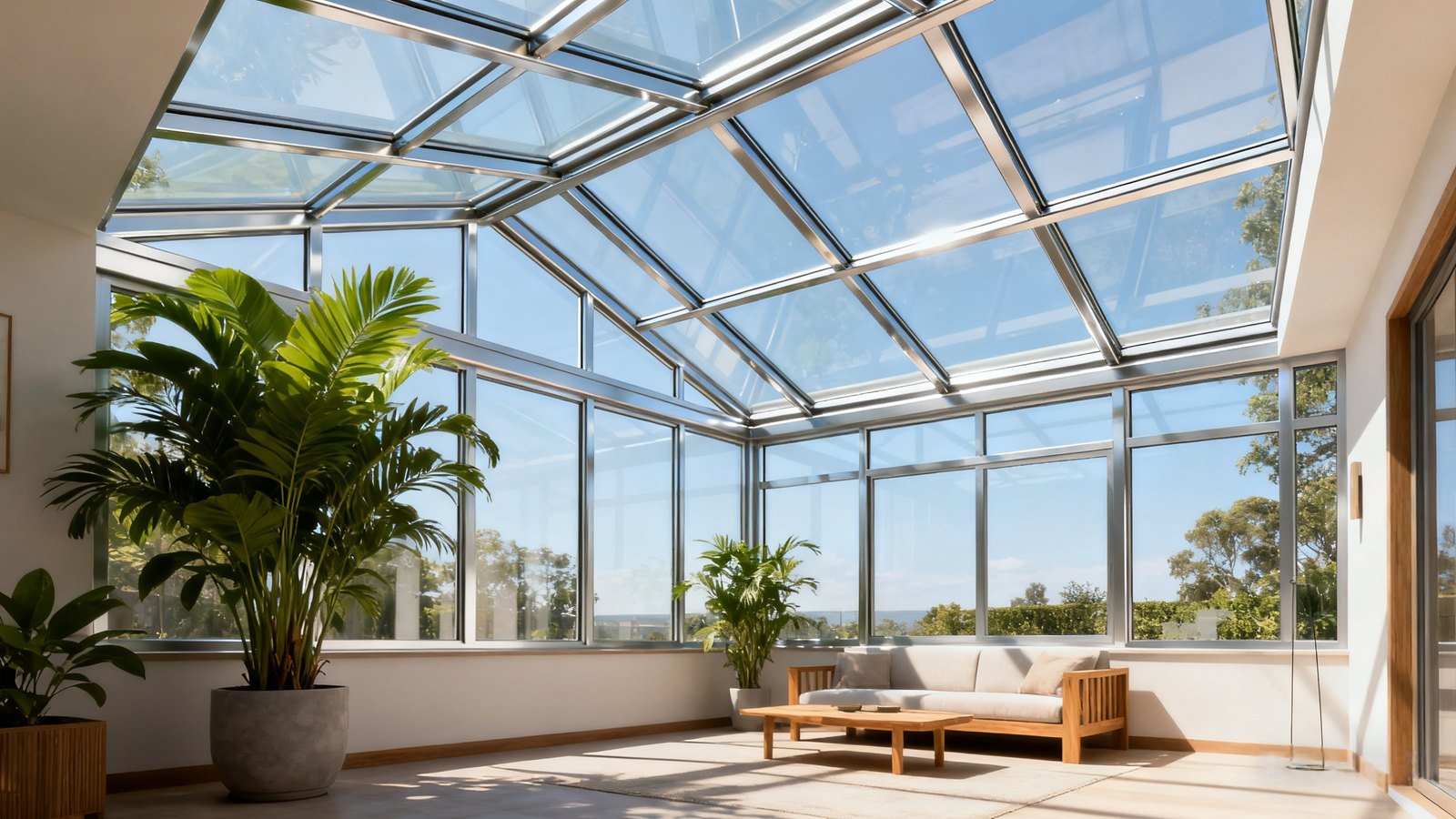
Chemistry: neutral cure in both positions
Structural joints are load-bearing, so the cure chemistry has to be non-aggressive. Neutral cure systems release non-corrosive byproducts, so they will not etch anodised aluminium mullions or attack laminated glass interlayers. Acetoxy sealants must never be used for structural load-bearing joints.
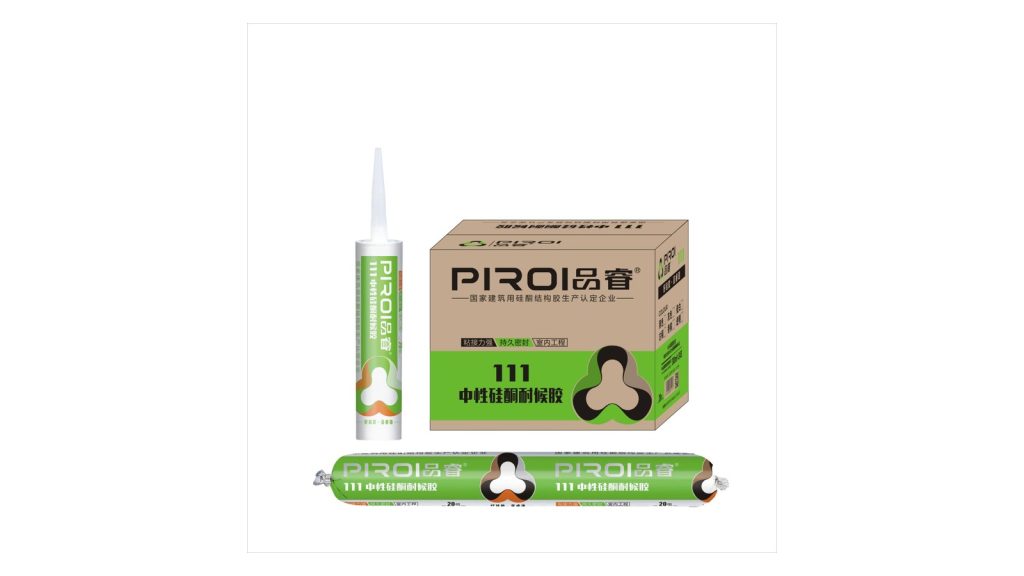
Our structural grade, PR-999, is a one-component neutral cure structural silicone manufactured to GB 16776-2025:
- Tensile adhesion strength: 0.85 MPa against a 0.60 MPa minimum
- Elongation at maximum tensile strength: 205%
- Shear strength: 0.89 MPa
Full data is on the structural silicone sealant page, the test report is covered in the curtain wall test report guide, and the weatherseal side is on the neutral weatherproof silicone sealant page. Certification and the full document set are listed at certifications.
Movement: the weatherseal is where the class matters
In the perimeter position, the joint has to absorb thermal movement and inter-storey drift without tearing. The movement class says how much it can take:
- Class 25 — absorbs ±25% of the joint width. Sufficient for smaller panels and stable openings.
- Class 50 — absorbs ±50%. Used where panel size and temperature swing are larger.
Size the joint from the calculated movement divided by the movement capability, not from what the last project used. Our joint width and coverage calculator returns the width from panel material, panel length and temperature range.
What to put in the specification
- Name the position for each joint — structural or weatherseal. A facade drawing that says “silicone sealant” without saying which is not a specification.
- State the standard — GB 16776-2025 for the structural position, GB/T 14683 for the weatherproof grade.
- State the movement class for the weatherseal joint.
- Require chemical compatibility between the two products if both are used.
- Require the test report — not a datasheet extract. Our GB 16776-2025 report is CTC Suzhou No. 2025ML009 and ships with the submittal package.
Ordering both positions from one supplier
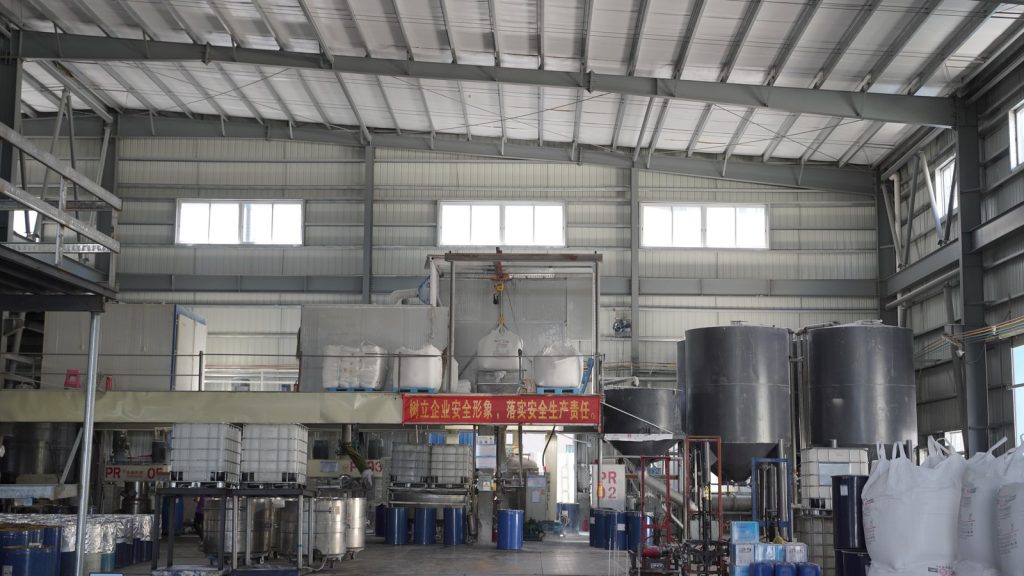
We are a silicone sealant manufacturer selling direct to importers, distributors and private label brands, with no trading company between you and the production line. The range is 17 models across four series, with structural and weatherproof grades in Series 1, filled at our Zhongshan factory.
- MOQ — OEM and private label from 1,000 pcs per model; mixed-model trial orders from 3,000 pcs total; stock items from 500 pcs.
- Lead time — typically 15–25 days after artwork and sample approval.
- Samples — 2 to 4 free sample cartridges or sausages, plus a free substrate adhesion and staining test on your own material.
- Documentation — test reports, Certificate of Analysis per batch, FORM E and packing list with every shipment.
Tell us the facade drawing with the two positions marked and we will confirm which grade goes where before you commit — that is a five-minute conversation that prevents the most expensive error in facade sealing. For the position detail itself, see the curtain wall and facade application page.
Modulus: the number that separates the two positions
If one figure had to explain the difference between a structural position and a weatherseal position, it would be tensile modulus — how much stress the cured bead develops for a given amount of stretch.
| Structural position | Weatherseal position | |
|---|---|---|
| Modulus | Higher — the bead is part of the load path | Lower — the bead must move freely |
| What it carries | Wind load, dead load of the glass | Only weather and movement |
| Governing standard | GB 16776 for structural glazing | GB/T 14683 or JC/T 485 |
| Failure if swapped | A soft bead creeps and the panel shifts | A stiff bead tears at the bond line |
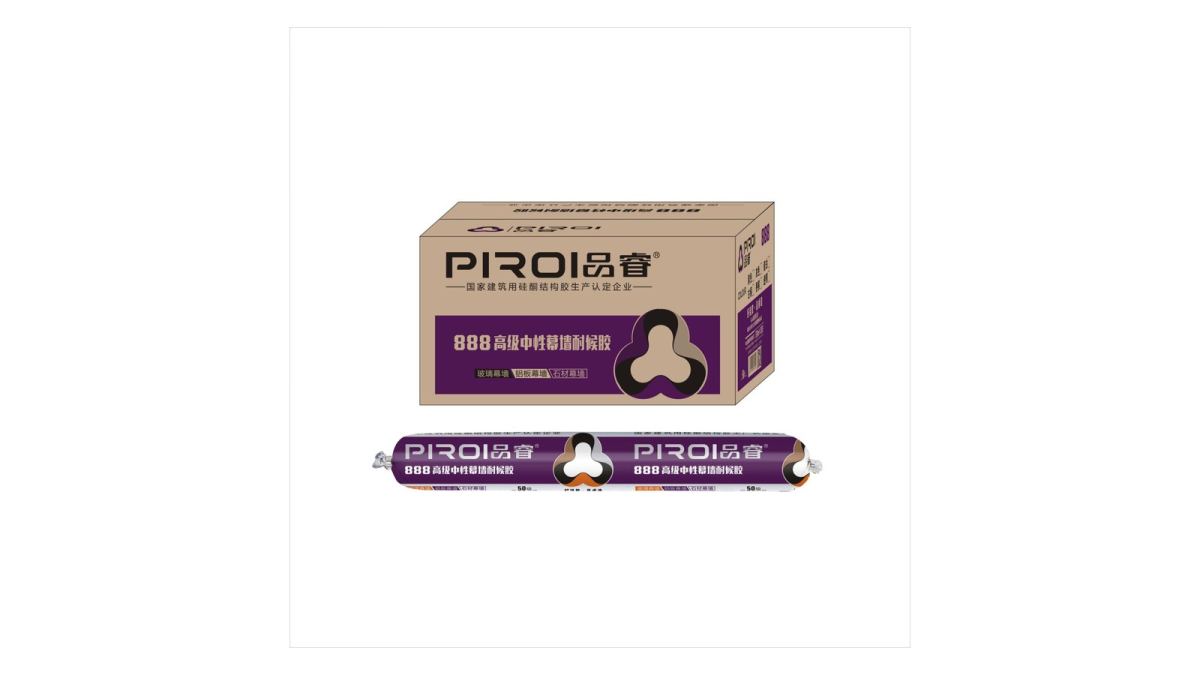
The practical consequence is that the two positions cannot share one grade, even on the same facade. Our structural grade PR-999 reports 0.85 MPa tensile adhesion and is specified to GB 16776; the weatherseal grade PR-888 reports 0.9 MPa modulus with 92% elastic recovery and is tested to GB/T 14683-2017. Those numbers look close, but they are measured under different tests and answer different questions — the structural figure is about holding, the weatherseal figure is about recovering.
Where a specification asks for “structural silicone” across a whole elevation, it is worth checking whether the weatherseal joints have been included by mistake. Using a structural grade in a moving weatherseal joint is a common and expensive error.