An acrylic sealant is the right product for a narrow set of positions and the wrong one for almost every exterior joint, where a silicone sealant has to take over. It is paintable, cheap and easy to tool, which makes it the default choice on interior decoration work — and that default is exactly why acrylic beads appear on exterior facades where they crack within two seasons.
This guide is about the boundary: where acrylic belongs, where silicone has to take over, and what to write in a specification so the boundary is not left to whoever is holding the gun.

What acrylic sealant actually is
Acrylic sealants are water-based emulsions that cure by water evaporation rather than by a chemical crosslinking reaction. That single fact explains almost all of their behaviour:
- They shrink as they cure. Water leaving the bead reduces its volume, so a deep joint will show a concave depression. Silicone cures by crosslinking and does not shrink the same way.
- They are paintable. Because the cured film is a paint-compatible polymer, emulsion paint adheres to it. This is the main reason acrylic is specified at all.
- They have limited movement capability. Typically around ±10% to ±15% of joint width, against ±25% to ±50% for a classified silicone. On a joint that moves, that is not enough.
- They are not UV stable in the way silicone is. Exterior acrylic beads chalk and crack; some exterior grades are formulated better than others, but none behaves like silicone.
- They are easier to clean up — water, before cure — which is why decorators prefer them.
The boundary, by position
| Position | Acrylic | Silicone | Why |
|---|---|---|---|
| Skirting to wall, architrave to plaster | ✅ | ❌ | Will be painted; movement is small; silicone cannot be overcoated |
| Ceiling line, cornice, internal trim | ✅ | ❌ | Painted finish, no water, minimal movement |
| Interior window reveal (painted) | ✅ | 🟡 | Acrylic if painted; silicone only if the joint sees condensation |
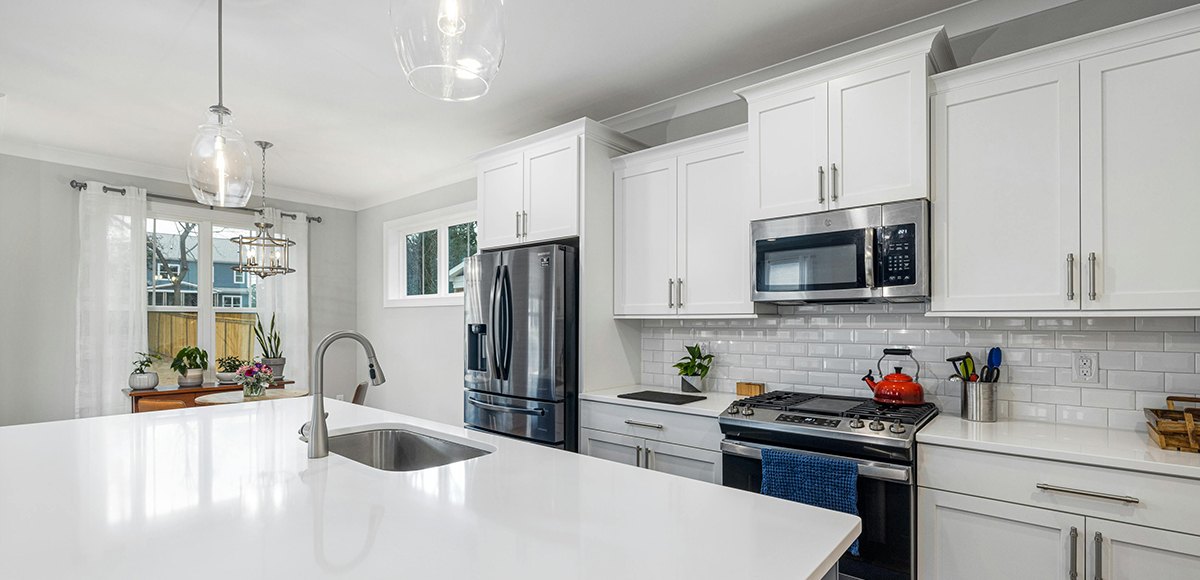
| Bathroom and kitchen wet joints | ❌ | ✅ | Water and mould; acrylic softens and grows mould |
| Shower, bath, basin, splashback | ❌ | ✅ | Continuous water exposure |
| Exterior facade and curtain wall | ❌ | ✅ | UV plus movement plus no maintenance access |
| Exterior window and door frames | ❌ | ✅ | UV, thermal cycling, rain |
| Movement and expansion joints | ❌ | ✅ | Acrylic cannot accommodate the movement |
| Floor joints | ❌ | 🟡 | Polyurethane is usually better; acrylic wears through |
The pattern is simple: acrylic belongs where the joint will be painted and does not move much or get wet. Any position outside that set belongs to silicone or polyurethane.
Why acrylic on an exterior facade fails
Three mechanisms act at once, and any one of them is enough:
- UV degradation. The acrylic film breaks down under sunlight. It chalks first, then cracks along the bead, and water enters through the cracks.
- Movement. A facade joint moves daily. An acrylic bead rated around ±10% cannot follow a joint that needs ±25%, so it tears at the bond line or splits down the middle.
- Shrinkage and water. As the bead shrinks and cracks, rain enters, and the cycle accelerates. By the time it is visible from the ground, the joint has been leaking for a season.
Repairing it is worse than doing it right the first time, because the failed acrylic must be cut out completely before a silicone sealant can be installed — silicone will not bond over a contaminated or acrylic residue surface.
Where silicone takes over
For the positions acrylic cannot hold, the choice within silicone is about cure system and grade:
- Bathroom and kitchen joints — neutral cure, Grade 0 mould resistance. PR-218 is tested to JC/T 885-2016 with Grade 0, meaning no growth at 50× magnification after 28 days at over 90% RH. See the sanitary anti-mold sealant.
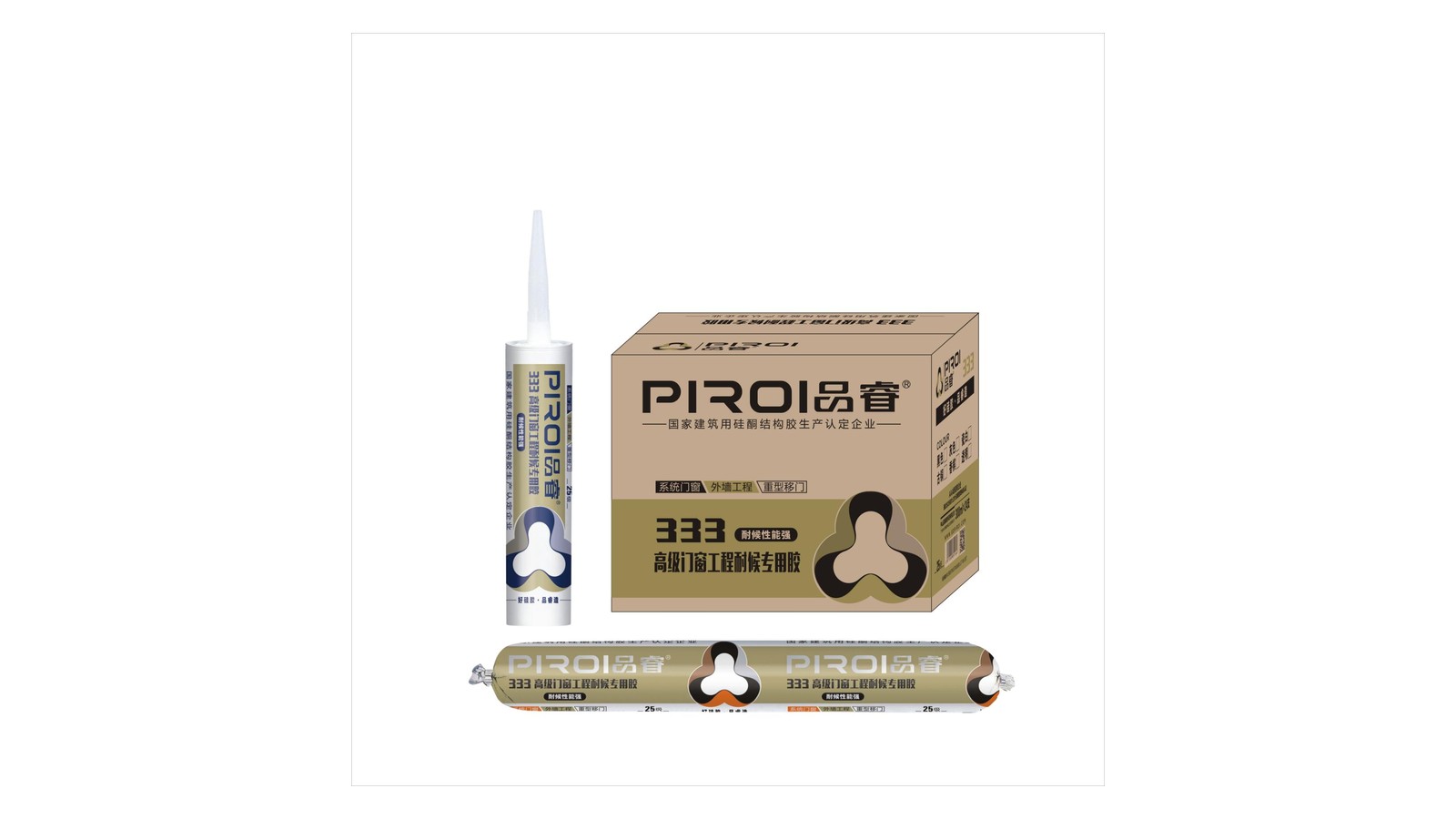
- Exterior window and door frames — PR-333, JC/T 485-2007, elastic recovery 92%, modulus 0.7 MPa. See the window and door sealant.
- Exposed facade joints — PR-888, GB/T 14683-2017, mass loss 4.2%, elastic recovery 92%, adhesion intact after water immersion. See the premium weatherproof sealant.
- Where the joint will be painted and silicone is still needed — there is no perfect answer. Silicone cannot be painted, so either the joint is detailed as a visible line, or the painted finish stops at the bead. Deciding this at specification stage avoids an argument on site.
What to write in the specification
- Name the material per position, not per building. A single line saying “sealant: acrylic” or “sealant: silicone” will be applied to the wrong joint somewhere.
- State whether the joint will be painted. This single fact decides acrylic versus silicone more often than any technical property.
- State the movement class required. An acrylic bead cannot meet a ±25% requirement, and no amount of careful application changes that.
- State the exposure. Interior, exterior, wet area, or continuously immersed — each narrows the list.
- State the mould requirement in wet areas. Grade 0 resistance to a named standard, not “anti-mould” as a marketing word.
Our guide to writing a silicone sealant specification expands this into a full clause structure, and the silicone versus polyurethane comparison covers the third material that appears on the same schedule.
Buying the silicone side of the schedule
- MOQ — 1,000 cartridges per model for private label, mixed models from 3,000.
- Lead time — typically 15 to 25 days after artwork approval.
- Samples — supplied before mass production so the bead can be tested on your own substrates.
- Documentation — CoA per batch archived for 18 months, plus the test report behind each reported value.
- OEM — formulation adjustment to the standard your market names, with artwork handled in-house.
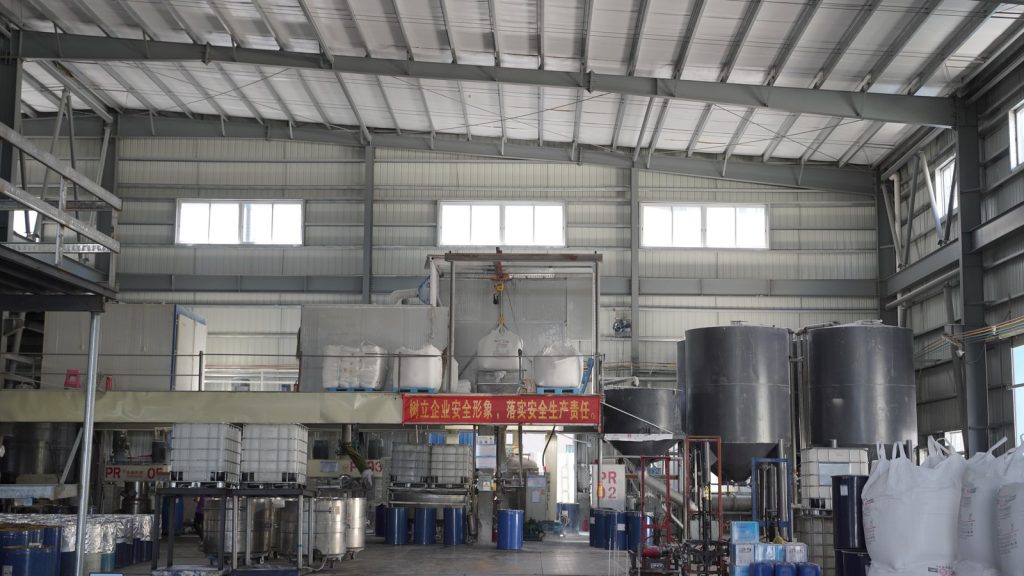
The commercial terms are in our guide to private label MOQ and lead time. Certificates are on the certifications page, the plant on the factory page, and the full range on the full silicone sealant range.
Send the joint schedule with the painted and unpainted positions marked, and our technical team will say which joints should be acrylic and which must be silicone — or start from the PIROI site for the rest of the range.