Silicone and polyurethane are both high-performance sealants, and both are sold as silicone sealant alternatives in different markets, but they earn their place on different joints. The habit of choosing one by habit — “we always use polyurethane on site” — is exactly what causes the expensive failures. This guide sets out the differences that decide a specification, and it sticks to silicone on our side of the comparison because we manufacture silicone sealant, not polyurethane.
What each chemistry is good at
| Property | Silicone sealant | Polyurethane sealant |
|---|---|---|
| UV and weathering resistance | Excellent — long outdoor life | Moderate — can chalk and degrade on UV exposure |
| Temperature range | Wide (cold and hot joints) | Good, but less tolerant at the extremes |
| Movement accommodation | High elasticity, high recovery | Good elasticity, lower recovery |
| Adhesion breadth | Broad on glass, metal, coated profiles | Strong on concrete, masonry, wood |
| Paintability | Not paintable | Paintable |
| Chemical resistance | Good against water and weathering | Good against solvents and chemicals |
The practical reading of this table is not that one is better — it is that the two belong to different jobs. Silicone is the outdoor, movement, glass-and-metal joint product. Polyurethane is the concrete, masonry and painted-surface product.

Which joints call for silicone
- Facade and curtain wall perimeters — UV exposure and movement both present; silicone’s weathering life wins.
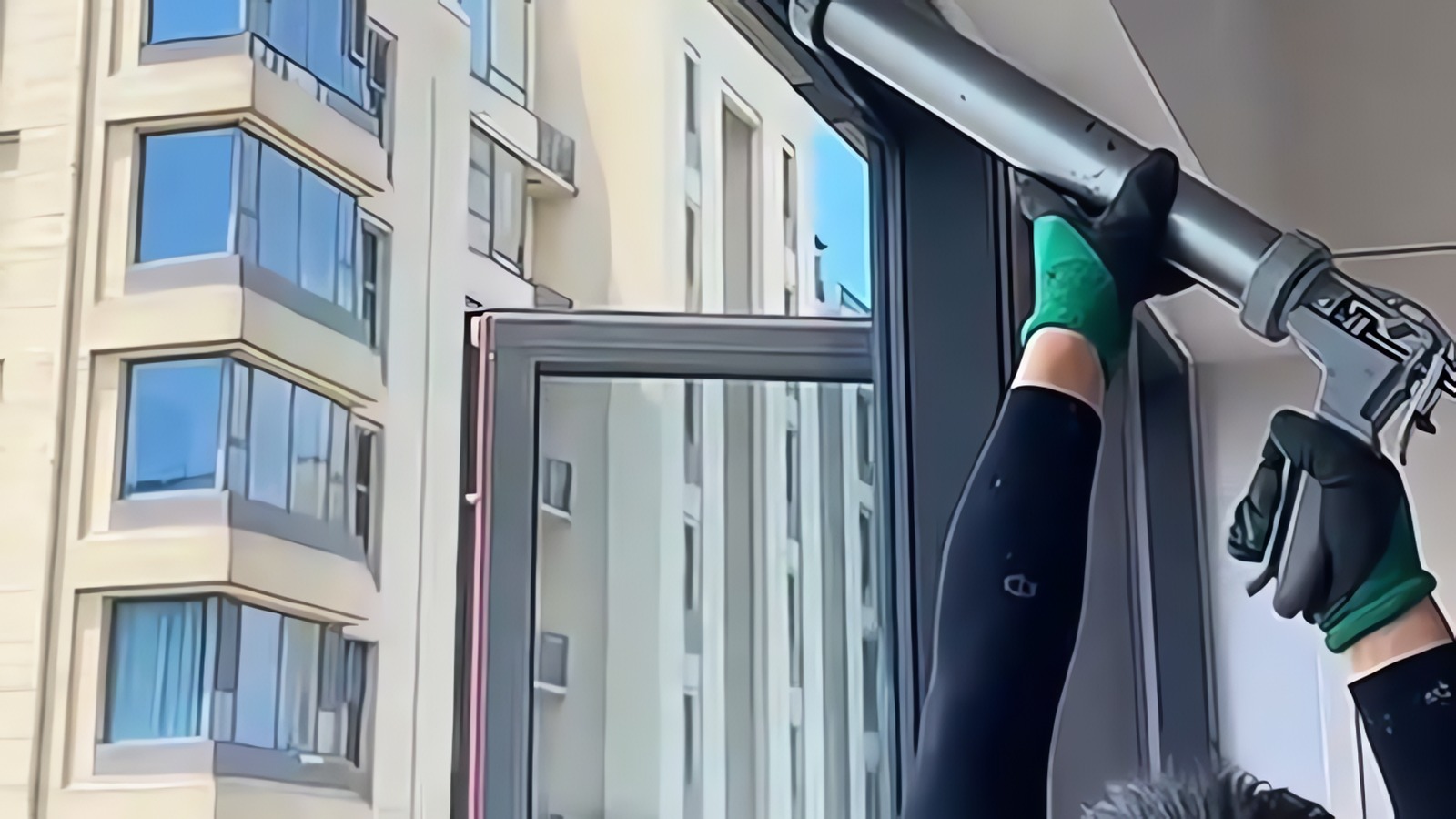
- Window and door perimeter joints — aluminium, uPVC and coated frames; silicone adheres without the surface degradation issues of some other chemistries.
- Structural glazing — a load-bearing position where the silicone is specified as part of the structural design (GB 16776-2025).
- Roofing and exterior joints — where the joint will see years of sun and rain without recoating.
The standards our range is built to are the ones a specifier will recognise: structural silicone to GB 16776-2025, weatherproof grades to GB/T 14683-2017, and window and door grades to JC/T 485-2007. The movement class is stated per product — Class 25 and Class 50 appear across the weatherproof series.
Which joints call for polyurethane
Polyurethane is the better answer where the joint is painted, sits on concrete or masonry, or sees solvent exposure — for example, on-site repair joints on painted panels or movement joints in industrial concrete floors. We do not manufacture polyurethane, so the honest position here is: if the joint is painted concrete or masonry, a polyurethane product from a specialist maker is the right call, and our team will say so rather than sell the wrong grade.
Why the substrate decides, not the habit
The most common specification error is using a polyurethane habit on a joint that is actually glass-to-metal with UV exposure, or using silicone on a joint that will be painted over. Both fail for reasons that have nothing to do with product quality. The fix is a short checklist:
- Will the joint be painted? If yes, silicone is not the answer.
- Is the joint glass, metal or coated profile? If yes, silicone is the natural fit.
- Is the joint concrete or masonry? Polyurethane is the stronger option; if the joint is also painted, polyurethane wins.
- Is UV exposure for years part of the service? Silicone’s outdoor life is the deciding factor.
What to specify once the joint is decided
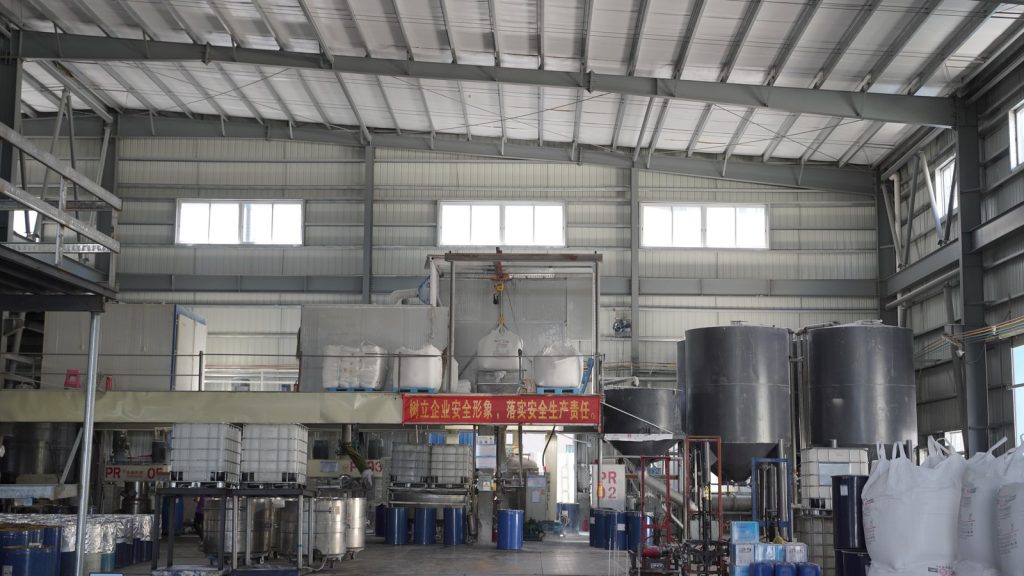
For silicone positions, the specification should name the standard and the movement class: structural positions to GB 16776-2025 with the batch report, weatherproof perimeters to GB/T 14683 with Class 25 or Class 50, and window and door perimeters to JC/T 485. For polyurethane positions, name the standard and the paint compatibility, and require the same batch documentation. The full document set (test reports, CoA, SDS) travels with every shipment from the Zhongshan factory, and the certifications page lists the accredited reports behind our range.
Choosing between silicone and polyurethane is a joint decision, not a brand decision. If the joint detail is shared with our technical team, we will confirm whether a silicone grade fits the substrate and movement — and say so when it does not.
If the joint detail points to silicone, we can supply it on your terms: stock items at a 500 pcs MOQ, OEM and private label at a 1,000 pcs MOQ per model, mixed-model trial orders from 3,000 pcs, and production lead times of 15–25 days after sample approval. The sample comes with the batch documentation, so the choice between silicone and polyurethane is verified against real reports before the first container, not after.
The facade case: why silicone usually wins the exposed joint
On a facade the choice is narrower than the general comparison suggests, for three reasons that all point the same way:
- UV. A facade joint is permanently exposed. Polyurethane chalks and hardens under sustained UV unless it is topcoated or a UV-stable grade is specified; silicone’s Si–O backbone is not broken by sunlight in the same way. Our high-UV selection guide covers what to check.
- Movement. A curtain wall panel joint moves daily. Silicone keeps its elastic recovery across that cycle — PR-888 reports 92% — while polyurethane tends to stiffen as it ages, which shortens the number of cycles it can absorb.
- Painting. Polyurethane is paintable and silicone is not. On a facade that is rarely the deciding factor, because the joint is meant to read as a line rather than a painted surface.
Where polyurethane still wins on a facade is the concealed detail: a joint that will be covered, a substrate that silicone will not bond to without a primer, or a project where abrasion resistance matters more than UV. The decision is per joint, not per building — which is why the specification should name the position rather than the material. Our curtain wall and facade page sets out the two positions on a typical elevation.