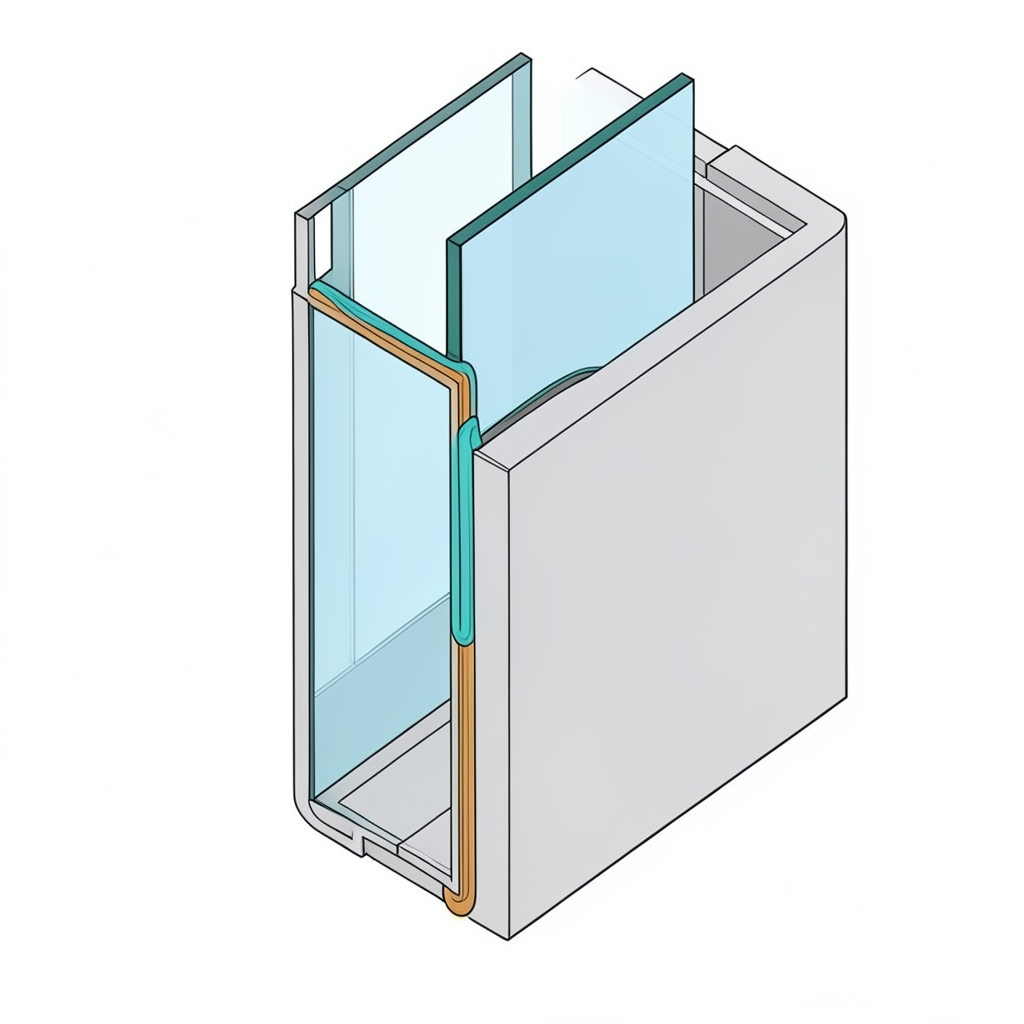
Dry glazing and wet glazing are two ways to hold glass in a facade, and the sealant plays a different role in each. Dry glazing holds the glass with gaskets and mechanical pressure. Wet glazing bonds the glass to the frame with a silicone sealant that carries the load or seals the joint. Choosing the wrong method for the frame is a structural decision, not a colour choice.
Dry glazing: gaskets hold the glass
In a dry glazing system the glass sits between rubber gaskets and is held by pressure plates. No sealant carries the load: the silicone sealant in this system is only a secondary weather seal at the perimeter. The method is fast on site and the glass can be replaced without cutting sealant. It works where the frame design accepts a mechanical hold.
Wet glazing: sealant holds the glass
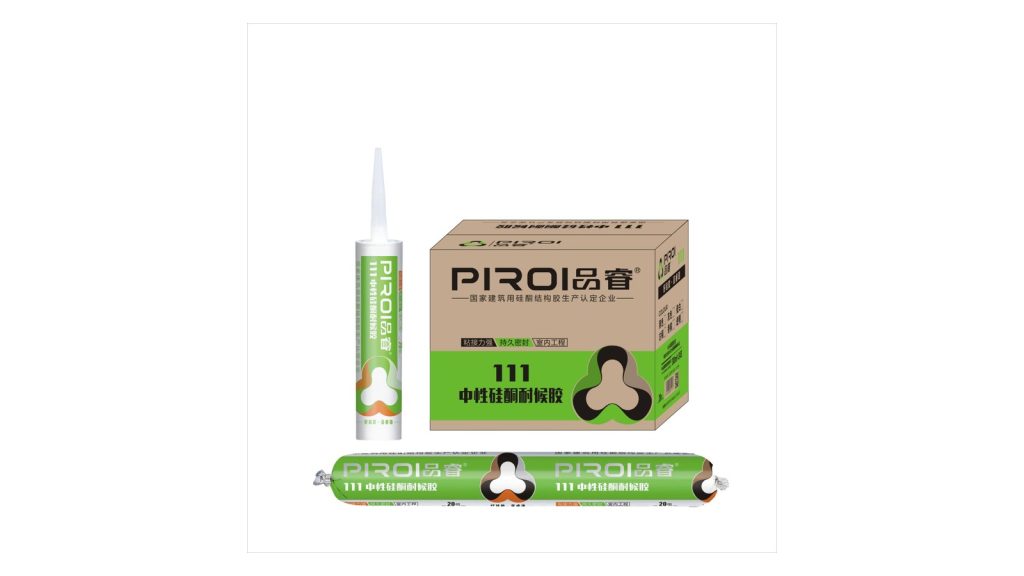
In a wet glazing system the glass is bonded to the frame with a structural silicone sealant. The sealant carries the wind load and keeps the panel in place, so the grade, the adhesive surface and the cure state are all structural decisions. This is the position PIROI manufactures for: neutral cure structural grades tested to the standards a facade has to meet.
Dry glazing vs wet glazing: the differences
| Point | Dry glazing | Wet glazing |
|---|---|---|
| What holds the glass | Gaskets and pressure plates | Silicone sealant bond |
| Sealant role | Secondary weather seal | Structural bond plus weather seal |
| Glass replacement | Unbolt and lift out | Cut the sealant out of the joint |
| Frame tolerance | Needs a frame that takes pressure | Needs a clean, bonded edge |
The two methods are not mixed in one joint: a wet glazing position bonded with a weatherseal grade, or a dry glazing frame sealed with a structural grade, both miss the point of the system.
What to specify if your facade is wet glazed
- Confirm the glass edge is clean and the coating does not need a primer, from the glass supplier rather than assumed.
- Specify a structural silicone sealant tested to the structural standard, not a weatherseal grade.
- Check the adhesive cure time against the site programme, because a bonded unit cannot be loaded until the sealant has built strength.
- Ask for the test report behind the bond value, and confirm MOQ, lead time and OEM or private label options.
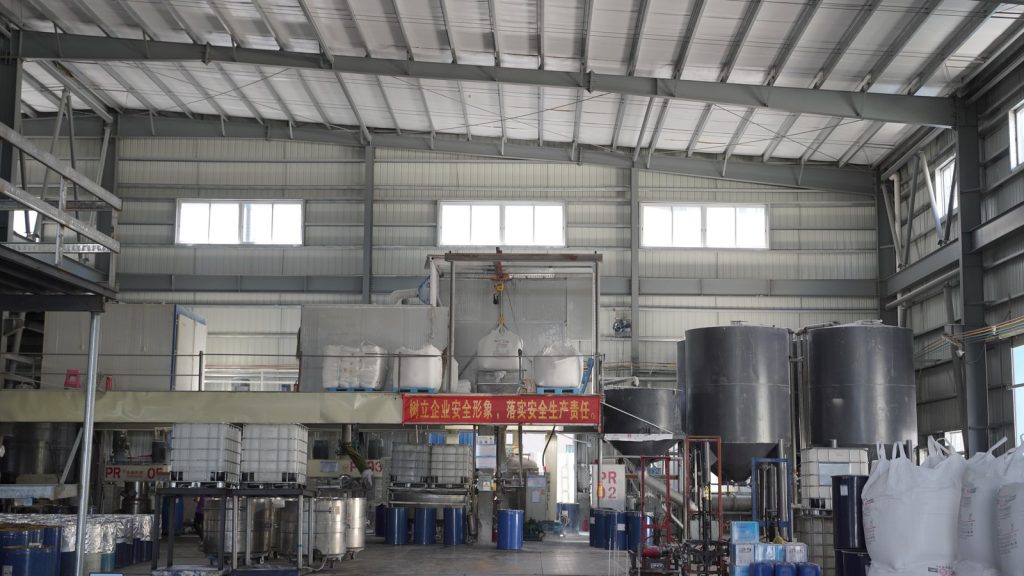
We manufacture neutral cure structural and weatherproof silicone sealant grades for wet glazed facades at our Zhongshan factory, and every batch is tested before release. A sample is available so the bond to your glass and frame can be checked before a full order. See the structural glazing application page and the structural silicone sealant grade.
Test standards behind each method
A wet glazing position is tested as a structural or weatherseal bond: GB 16776 or ASTM C1184 for the structural grade that carries the load, GB/T 14683 for the perimeter weather seal. A dry glazing system has its own frame and gasket requirements, and the sealant in it is only a secondary seal, so a structural report does not apply to that position. Reading the report against the position, not against the product name, is how the two methods stay comparable across suppliers.
Common mistakes when the two systems are mixed
The most common mistake is specifying a wet glazing sealant for a frame designed to take gaskets, or a gasket frame on a bonded design, because the load path then has neither the bond nor the pressure it needs. The second mistake is sealing a dry glazing perimeter with a structural grade, which puts an expensive structural report on a position that only has to stop water. The third mistake is loading the bonded unit before the silicone sealant has built strength, which moves the glass while the bond is still green. Check the frame drawing, the position and the cure time before the order goes in.