A silicone sealant on a coastal facade has to survive three things at once: salt in the air, direct UV and a wet-dry cycle that drives salt into the joint. Inland grades pass an inland test and then fail at the coast because the exposure is not the same. This guide covers what a silicone sealant needs for a salt spray exposure and how to verify the grade before a coastal project is sealed.
What salt does to a sealant joint
Salt does not attack cured silicone sealant the way it attacks metal, but it changes the joint around it. Three effects stack on a coastal exposure:
- Salt crystal growth. Salt water that enters a not fully tooled joint dries and leaves crystals that push at the sealant edge.
- UV and wet-dry cycling. The surface chalks while the joint keeps moving, so the skin thins where the movement concentrates.
- Metal corrosion at the interface. On an aluminium or steel frame the corrosion products sit under the bead and release the bond over time.
What the grade needs on a coastal project
| Property | Why it matters at the coast |
|---|---|
| Neutral cure | No acid released at the metal interface, so no corrosion film under the bead |
| Elastic recovery | The joint reseals after the wet-dry cycle instead of staying open |
| UV stability | The surface keeps the skin that keeps the water out |
| Adhesion to the frame | The bond holds where the salt film would release a weak bead |
A neutral cure grade is the usual choice for a coastal metal frame, and the test report should show the recovery and the adhesion on the actual substrate.
Coastal building vs marine vessel: same word, different job
A coastal facade joint and a vessel seam both face salt, but the duty is different: the facade joint weathers, the vessel seam is submerged. A building silicone sealant is specified for the exposure class of the facade, not for immersion. For a vessel or a wet dock the grade is chosen against the marine requirement instead. Naming the position keeps the specification honest.
How to verify a coastal grade
- Ask for the test report behind the recovery and the UV exposure, not only a datasheet summary.
- Ask for the batch record of the lot you order, so the grade can be traced to its raw material.
- Confirm the cure system is neutral cure where the bead touches a metal frame.
- Order a sample and run a test bead on the actual frame and glass before the full order.
- Confirm MOQ, lead time and whether OEM or private label is available for the project.
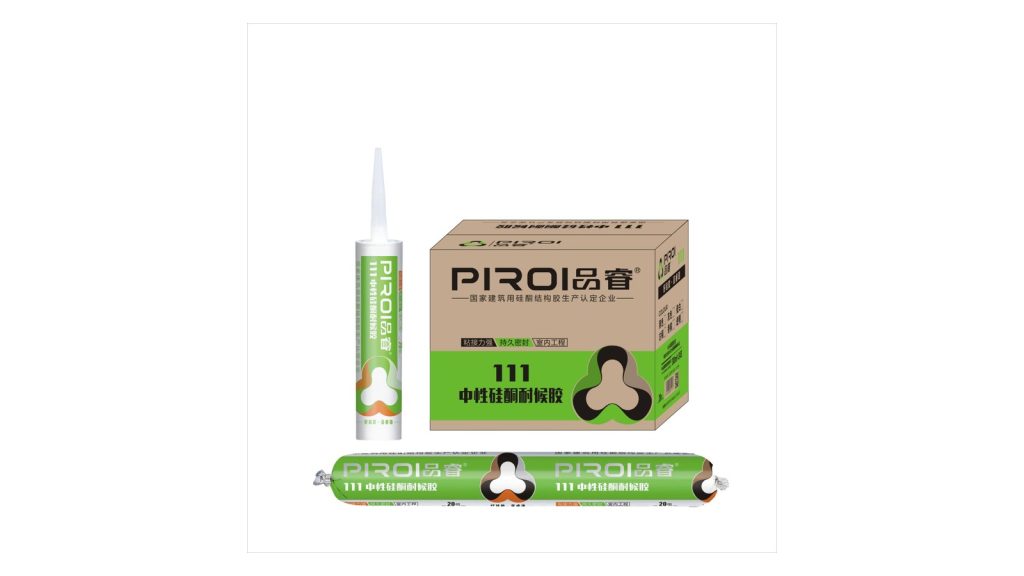
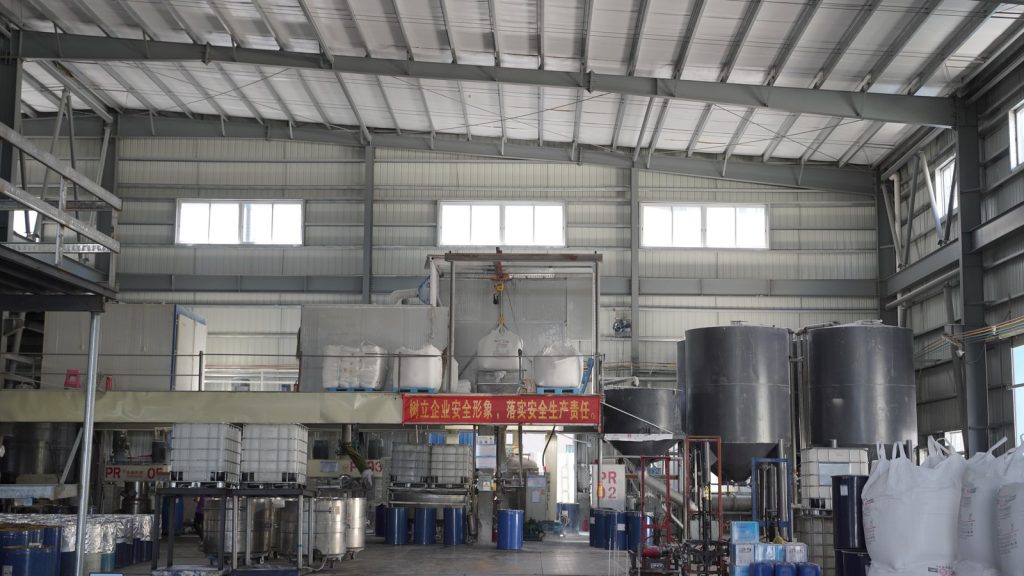
Our neutral cure silicone sealant grades are mixed, filled and batch tested at our Zhongshan factory, and a sample is available so the bond and the recovery can be checked on the actual coastal substrate. The marine and boat building application page shows the wet exposure grades, and the curtain wall facade page shows the building exposure positions.
Test standards behind a coastal grade
The exposure a coastal silicone sealant is tested against is written on the report: GB/T 14683 for a weatherseal grade on a facade, with the UV and water cycles the grade was run through and the recovery measured after those cycles. A report that only lists the initial adhesion does not describe the joint after a season at the coast, so the recovery and the weathering change are the two numbers to ask for.
Common mistakes on a coastal project
The most common mistake is reusing an inland specification at the coast, because the exposure class is different and the sealant surface takes the UV and the salt together. The second mistake is an acetoxy grade on an aluminium frame: the acid by-product sits under the bead where the salt film already attacks the metal. The third mistake is sealing a joint that has not dried out after a rain or a wash, which traps water behind the silicone sealant and delays the cure at the bond line. The fourth mistake is judging the grade by the pack instead of by the weathering and recovery data on the report.