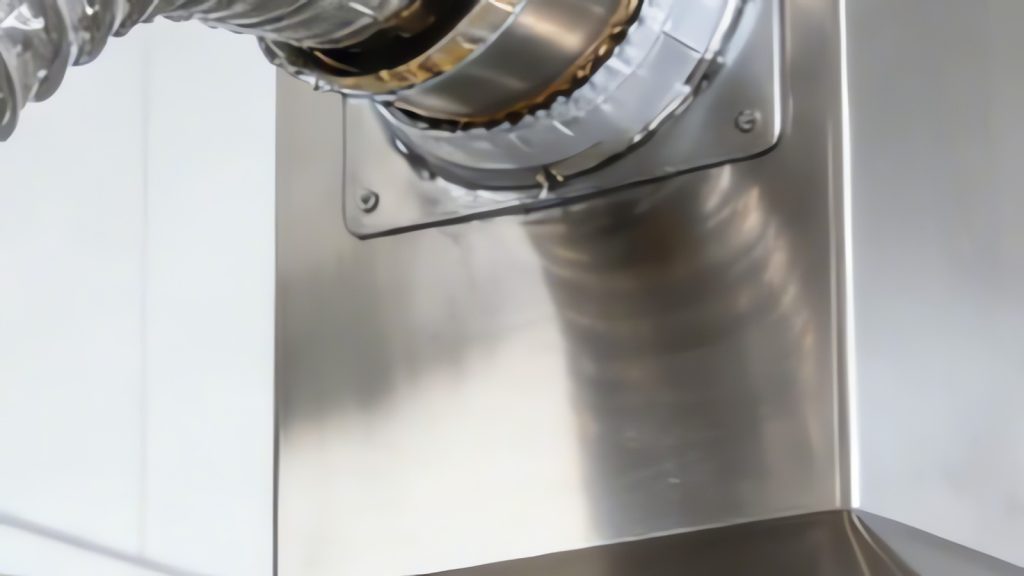
Fire-Rated Silicone Sealant: How to Read the Rating and Where It Is Required
Key Takeaways for Specifiers and Buyers A fire-rated sealant is not a firestop system. The sealant resists burning and maintains its seal in a fire; the…
Read More →
Engineering guides on silicone sealant selection, application and testing.
Key Takeaways for Specifiers and Buyers A fire-rated sealant is not a firestop system. The sealant resists burning and maintains its seal in a fire; the…
Read More →
Key Takeaways for Specifiers and Buyers Structural silicone carries load. A weatherseal accommodates movement; a structural sealant transfers wind load from the glass or panel into…
Read More →
Key Takeaways for Specifiers and Buyers A sealant (密封胶) is designed to move. An adhesive (胶粘剂) is designed to hold. The same silicone chemistry can be…
Read More →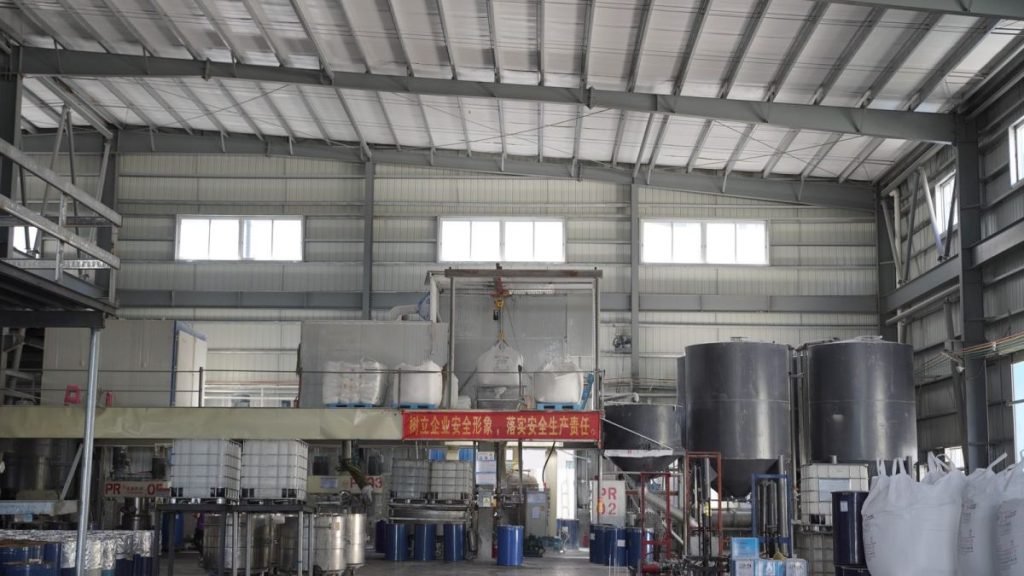
Key Takeaways for Silicone Sealant Buyers In China, the word manufacturer (厂家) is used by three very different businesses: real factories, trading companies with a workshop…
Read More →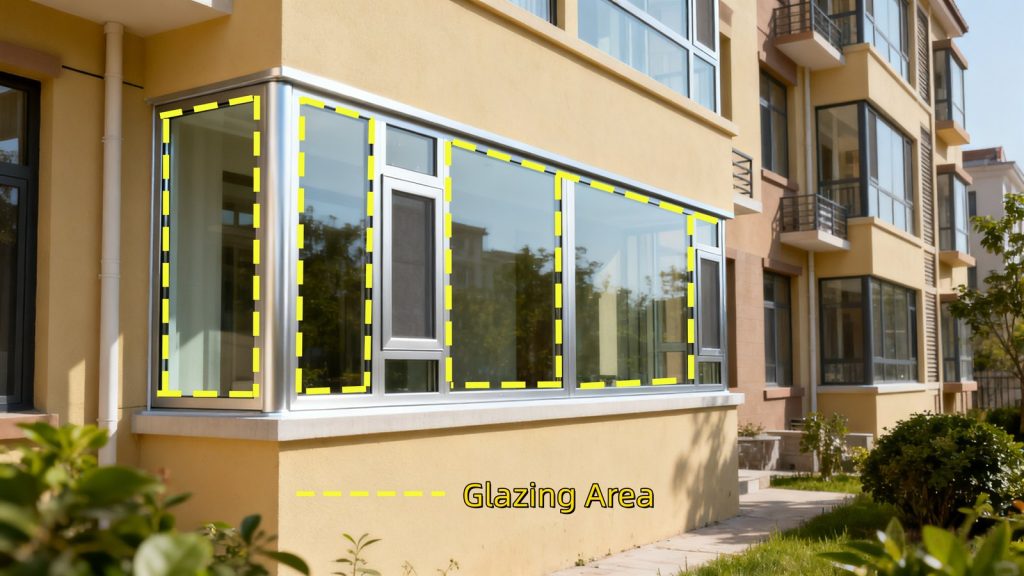
Key Takeaways for Sealant Buyers A Chinese test report (检验报告) is issued by a third-party laboratory and carries legal weight. A technical data sheet (TDS) is…
Read More →
Comprehensive engineering guide for architectural silicone sealant selection under extreme 85%+ humidity, monsoon rainfall, and intense UV conditions across Southeast Asia.
Read More →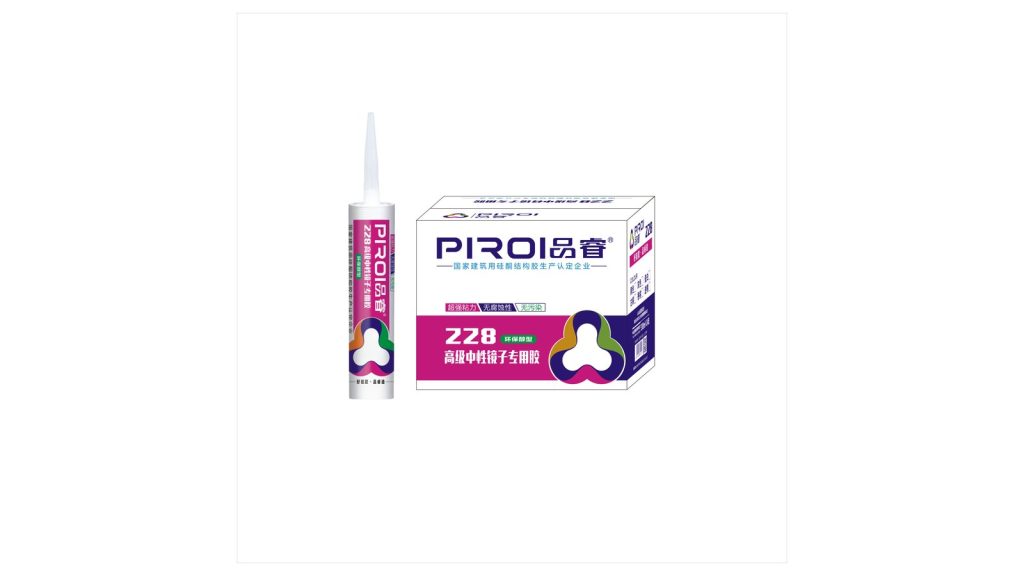
Key Takeaways for Contractors and Specifiers Mirror glass is a four-layer composite. The protective back paint is the weakest layer, and it is the one that…
Read More →
Contractor field instructions detailing the 2:1 width-to-depth calculation, polyethylene backing rod insertion, and primerless substrate adhesion.
Read More →
Technical overview of JC/T 885 Grade-0 fungicidal additives, non-corrosive mirror mounting safety, and sanitary joint life expectancy in monsoon climates.
Read More →