The short answer is that a cured silicone sealant is water resistant, and whether it is waterproof depends on the joint and the grade. Once a neutral cure bead has fully reacted it will keep out driven rain, standing water and the moisture that moves through a facade. But the joint is where a waterproof claim is actually tested, not the tube, and the movement capability and the depth are what decide whether that water stays out for the life of the build.
Water resistant is not the same as waterproof
The two words are used as if they were the same and they are not. Water resistant means the cured bead holds back rain and splashing for the duration of the exposure. Waterproof means the sealed assembly keeps out water under a stated pressure and for a stated time, which is a tested number, not a feeling. On a facade the joint is waterproof when the silicone sealant is tooled to the right depth and width based on the movement the building will see, because a bead that is too thin or too deep can fail even when the chemistry is a good one.
How silicone sealant becomes water tight
A neutral cure silicone sealant reacts with moisture in the air to form a solid rubber. That rubber is hydrophobic: it repels water rather than absorbing it, and it stays flexible from freezing to high summer, which is why it keeps a joint sealed as the frame moves. The water tightness holds as long as three conditions are met:
- The joint is cleaned. A greasy or dusty bond face leaks at the edge no matter how good the rubber is.
- The depth is set. A shallow bead with no backer rod sits in a pocket that holds water instead of shedding it.
- The cure is complete. A bead hit by rain before it skins over can carry water to the bond line and slow or spoil the cure.
Cure time and when the bead is water tight
A silicone sealant skins over quickly and cures through slowly. The skin forms within the first hour or two at standard conditions, and that skin is enough to shed light rain. The full cure to depth takes longer, often a day or more depending on the bead size, the temperature and the humidity. The practical rule is that the bead is water tight once the skin has formed and the joint has been kept dry while it cures. On a heavy job, tool the bead and keep the face dry until the skin has set.
How to verify the waterproof claim
- Ask for the water test on the report, not only the adhesion number. A grade that is asked to keep water out needs a water or moisture test behind it.
- Check the movement class. A silicone sealant that cannot move with the joint will crack and let water in, whatever the label says.
- Confirm the toughness class. A weatherproof grade is built for facade exposure; a sanitary grade is not intended to stay wet or under pressure.
- Order a sample. Run a bead and wet it before the full order, and confirm MOQ, lead time and OEM or private label options with the factory.
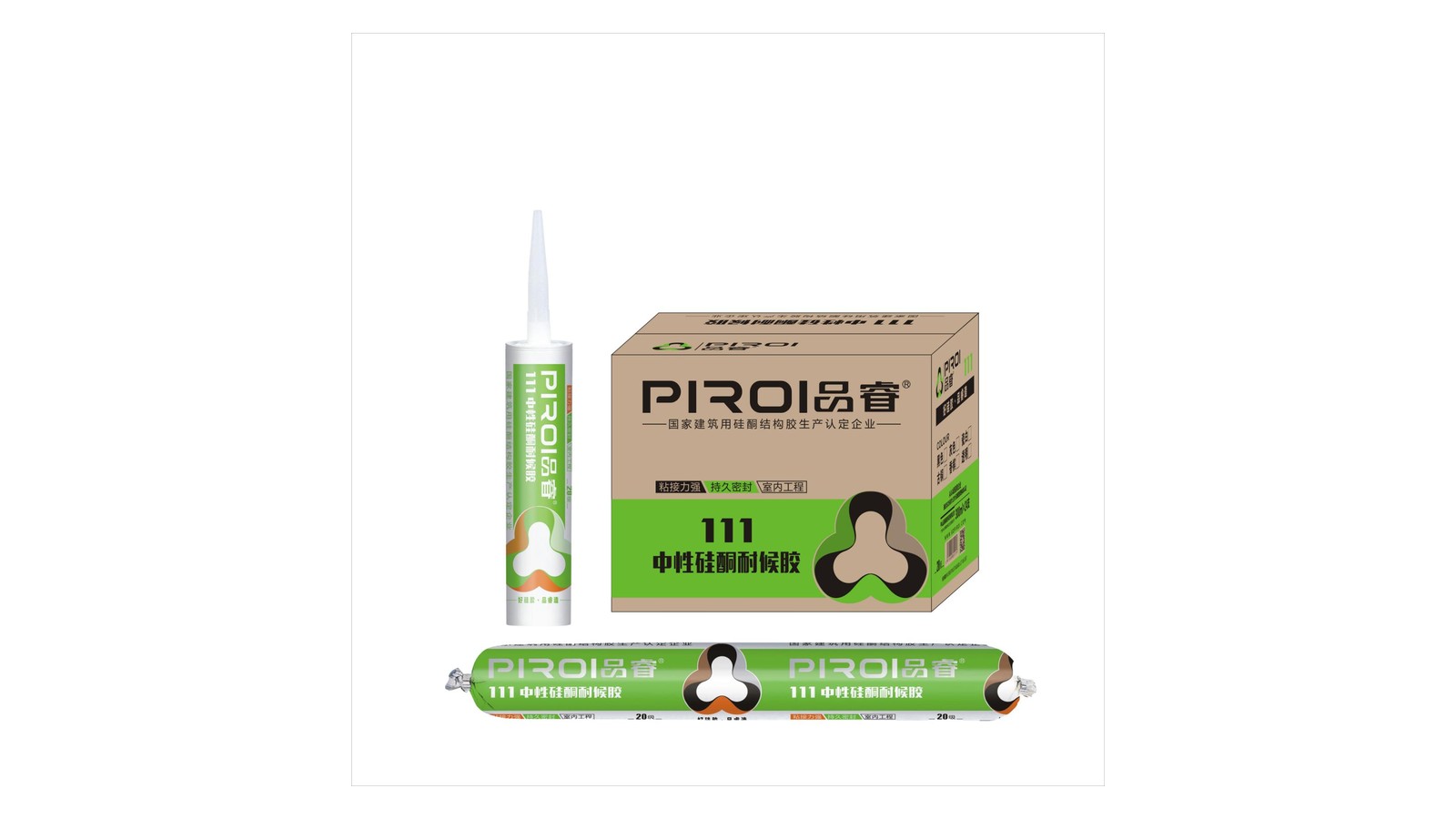
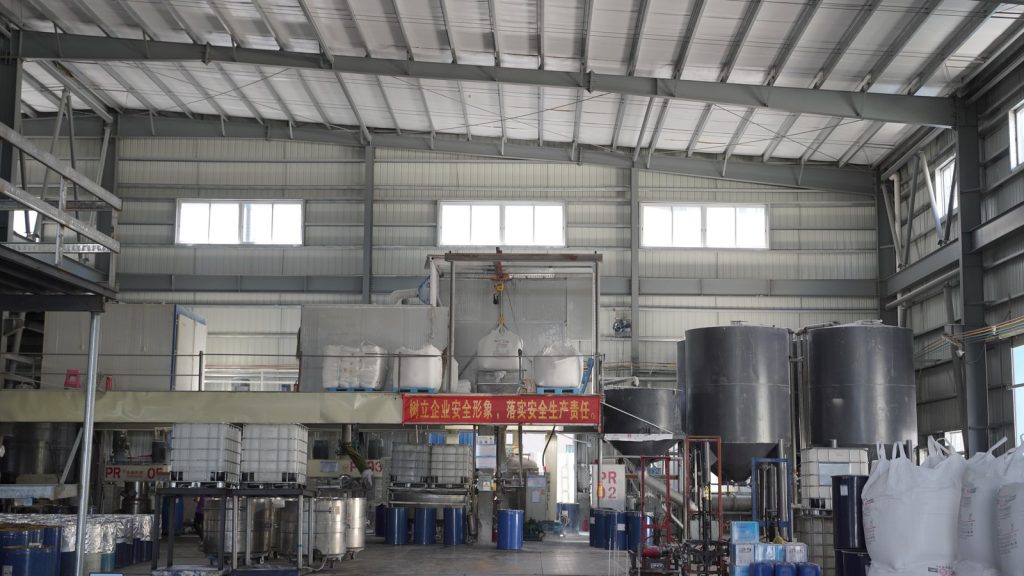
Our weatherproof silicone sealant grades are mixed, filled and batch tested at our Zhongshan factory, and a sample is available so the water resistance and the movement can be checked on the actual joint. The window and door sealing page and the weatherproof silicone sealant series show the grades behind this guide.