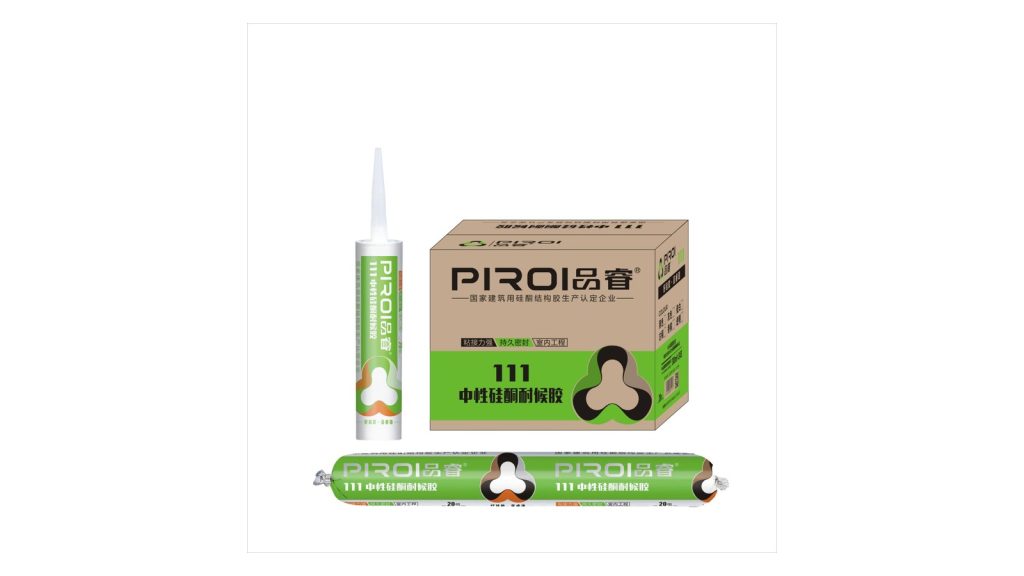

Silicone glue and silicone sealant are often the same chemistry in different packaging, and the name on the tube tells you more about the joint than about the product. A tube sold as glue is made to stick two parts together. A tube sold as sealant is made to close a joint that moves. Buying by the wrong name is how a bead ends up doing a job it was never formulated for, so it pays to know what each name promises before you order.
The difference is the job, not the chemistry
Both tubes can be the same neutral cure silicone sealant base. What changes is the balance of the formula and the claim on the pack:
- Silicone glue is formulated for adhesion: it is asked to hold two parts together, so the pack claims bond strength on named materials and little joint movement.
- Silicone sealant is formulated for a moving joint: it is asked to stretch and recover as the joint opens and closes, so the pack claims movement capability and adhesion to the joint faces.
- Silicone adhesive sealant sits in the middle: it bonds and seals at once, which is what most construction joints actually need.
Silicone glue vs silicone sealant: what the pack should tell you
| On the pack | Glue claim | Sealant claim |
|---|---|---|
| Main promise | Bond strength | Movement capability |
| Tested to | Adhesion on named substrates | GB/T 14683 weatherseal method |
| Joint design | Thin glue line between parts | Joint with width, depth and backer rod |
| Typical use | Fixed parts, small repairs | Windows, facades, sanitary and expansion joints |
The table is the fastest way to see the real silicone glue vs silicone sealant difference: a glue line has almost no width to move in, while a sealant joint is designed around movement from the start.
Why the same factory sells both
One production line can fill both tubes because the raw silicone base is shared. What changes between a glue grade and a sealant grade is the filler balance, the adhesion promoter package and the test that backs the claim. A factory that runs batch tests can state which grades pass the movement method and which only carry an adhesion claim, and that statement is worth more than the word glue or sealant on the front of the tube.
How to buy the right one
- Name the joint first. If the joint moves, you want a silicone sealant with a stated movement class; if the parts are fixed, a glue claim is enough.
- Read the test method, not the name. A pack that names GB/T 14683 and a movement class describes a sealant; a pack that only names bond strength describes a glue.
- Check the cure system. Neutral cure near metal and coated glass; the full reasoning is in our silicone sealant vs adhesive guide.
- Order a sample. Run a bead on the actual substrate before the full order, and confirm MOQ, lead time and OEM or private label options with the factory.
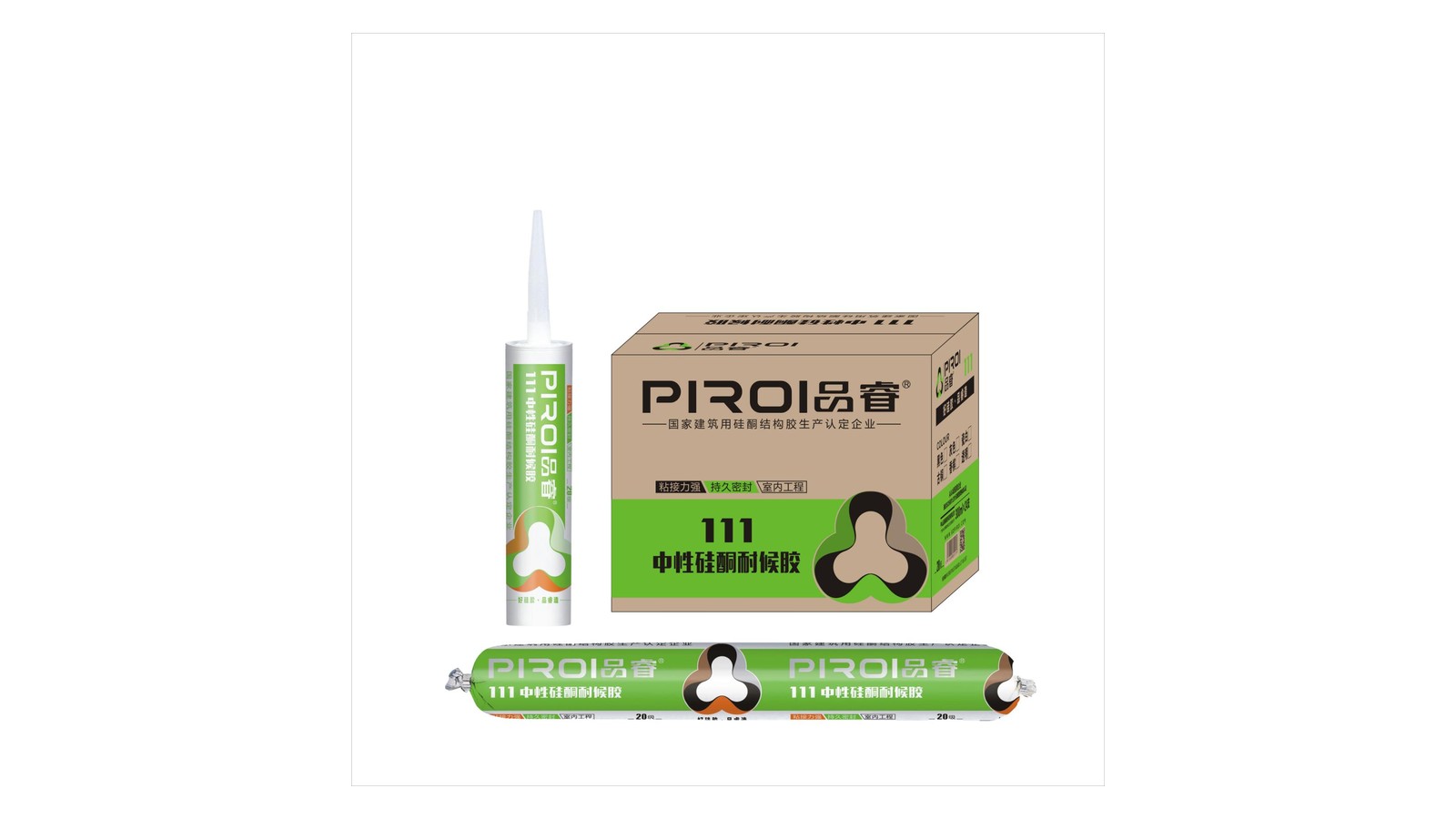
Our weatherproof range is filled and batch tested as sealant grades at our Zhongshan factory, which means every grade carries a movement claim and a batch report, not only an adhesion claim. See the weatherproof silicone sealant series for the grades behind this guide.

Common mistakes when the two names are mixed
The most common mistake is buying a glue for a moving joint: the bond holds until the frame moves for a season, then the glue line peels because it was never asked to stretch. The second mistake is the reverse, sealing a fixed bond with a soft sealant grade, which creeps under constant load. The third mistake is comparing tubes by tube size or price instead of by the claim, because a cheap glue and a tested sealant grade can cost the same and do completely different jobs.