A third party inspection is the point where a buyer turns a test report into an order. The report proves a grade; the inspection proves that the batch on the line is that grade. On a silicone sealant order from a new supplier, the inspection is also the cheapest way to find out whether the factory will stay honest on the next batch. This guide covers what a third party inspector actually checks at a silicone sealant factory and how to use the report to release the order.
What the inspector checks before loading
- Batch identity. The label on the barrel and the batch number on the report match the batch card in the mixing log.
- Filled units. Cartridges or sausages are weighed against the declared net, and a sample is skimmed for a skin that is not supposed to be there yet.
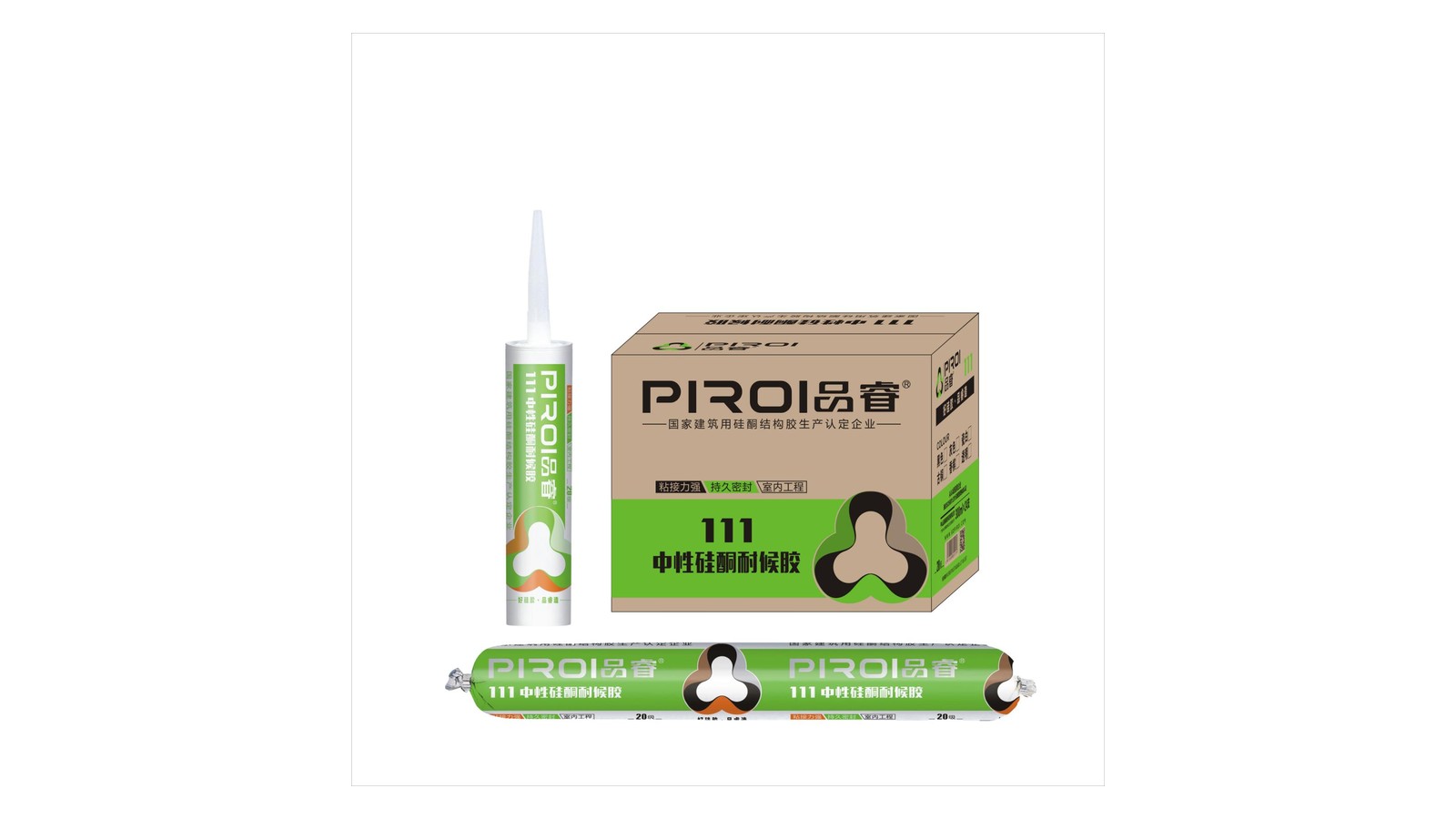
- Label and artwork. The print on the pack matches the artwork approved at sample stage, including the language, the safety line and the batch stamp.
- Cure and extrusion. A small batch is squeezed to confirm the flow and the tack free time are inside the datasheet window.
- Packaging and stacking. The carton strength, the pallet wrap and the stack height do not damage the cartridge during a sea voyage.
How to choose the inspection point
| Point | What it proves | When to use it |
|---|---|---|
| During production (DUPRO) | The batch card, filler settings and cure in process | First order with a new factory |
| Before loading (PSI) | Finished goods meet the report and the pack | Repeat orders, higher value |
| Random sample | The whole lot is checked against the report, not one tube | Any lot where the batch card matters |
What to put in the inspection instruction
- Name the grade and the batch number so the inspector works against the report in your hand.
- Name the acceptance criteria. Weight, viscosity, cure, label and count as numbers, not as a feeling.
- Name the sample size and the method straight from the rating or from the standard the order is written to.
- Confirm the MOQ, the lead time and whether OEM or private label is in scope before the inspection is booked.
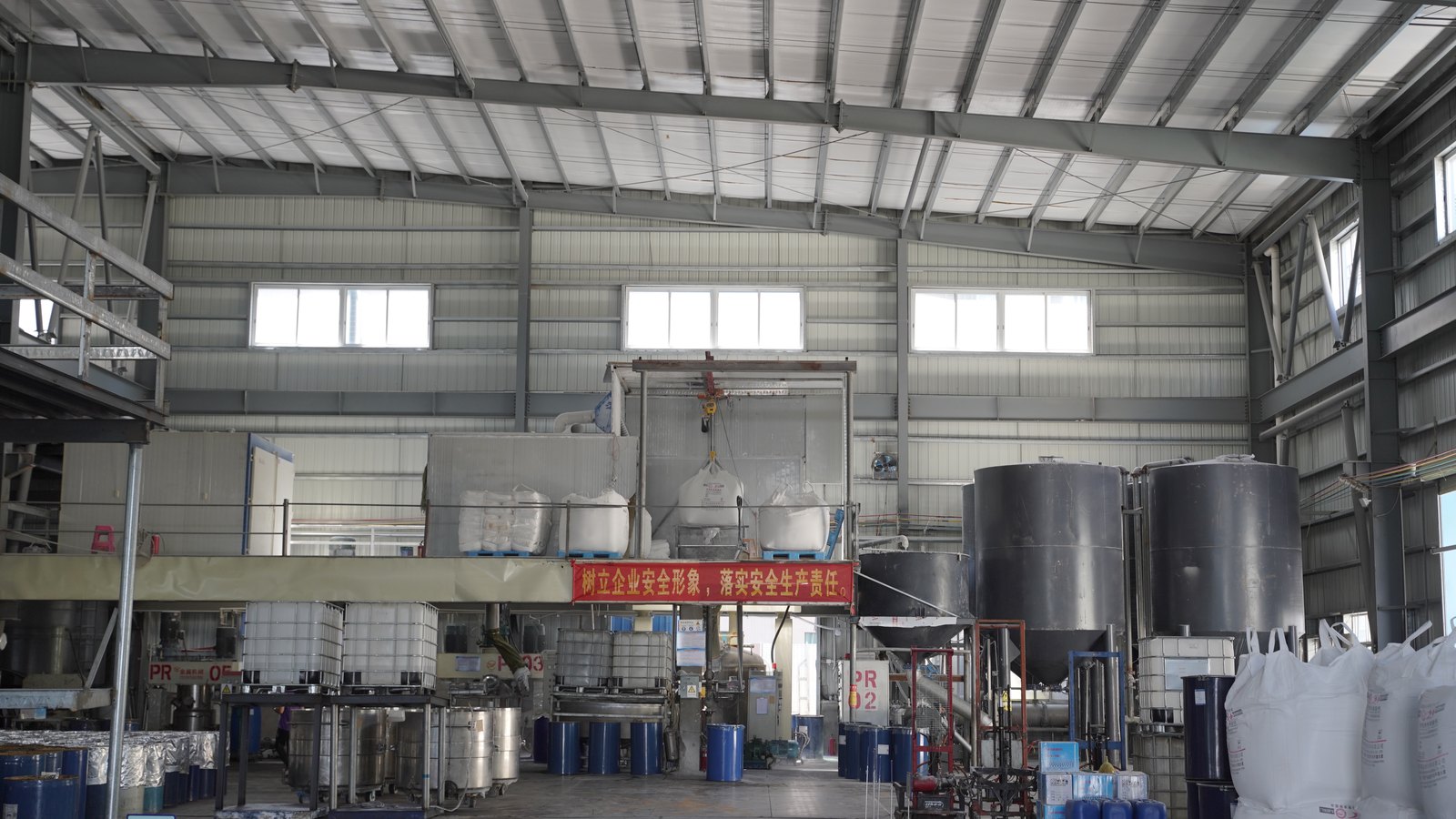
Our silicone sealant batch record is kept per lot at our Zhongshan factory, so a third party inspector can trace a carton back to its mix and its fill line. See the batch quality control guide and the factory page for the testing and the line behind the inspection.
What the inspection report has to show
The report the third party inspector returns is what releases the order, so the four numbers on it have to match the grade you bought. The first is the batch number, proving the lot tested is the lot shipped. The second is the weight or the volume of the filled unit, proving the pack holds what the label says. The third is the cure state at the time of loading, which has to sit inside the datasheet window rather than outside it. The fourth is the count on the pallet, because a shortage on a sea order costs more to fix than the inspection itself. A silicone sealant report that carries all four is a release document; one that carries only the grade name is a marketing sheet.