Almost every exterior grade is sold as “weatherproof”, and the word is doing very little work: it is not a test, not a grade, and not a class. What actually decides whether a bead survives ten years on a facade is a small set of durability results, and a weatherproof silicone sealant supplier who cannot produce them is selling a colour, not a grade.
This guide sets out which durability results matter, how the standard should be matched to the application, and what to demand before an exterior range is stocked.

What “weatherproof” has to mean in numbers
Exterior joints fail in four ways: the bond releases after long wet exposure, the bead tears when the joint moves cold, the polymer degrades and loses mass under UV and heat, and the bead stops recovering after repeated movement. Each of those has a test, and each test has a number attached to it.
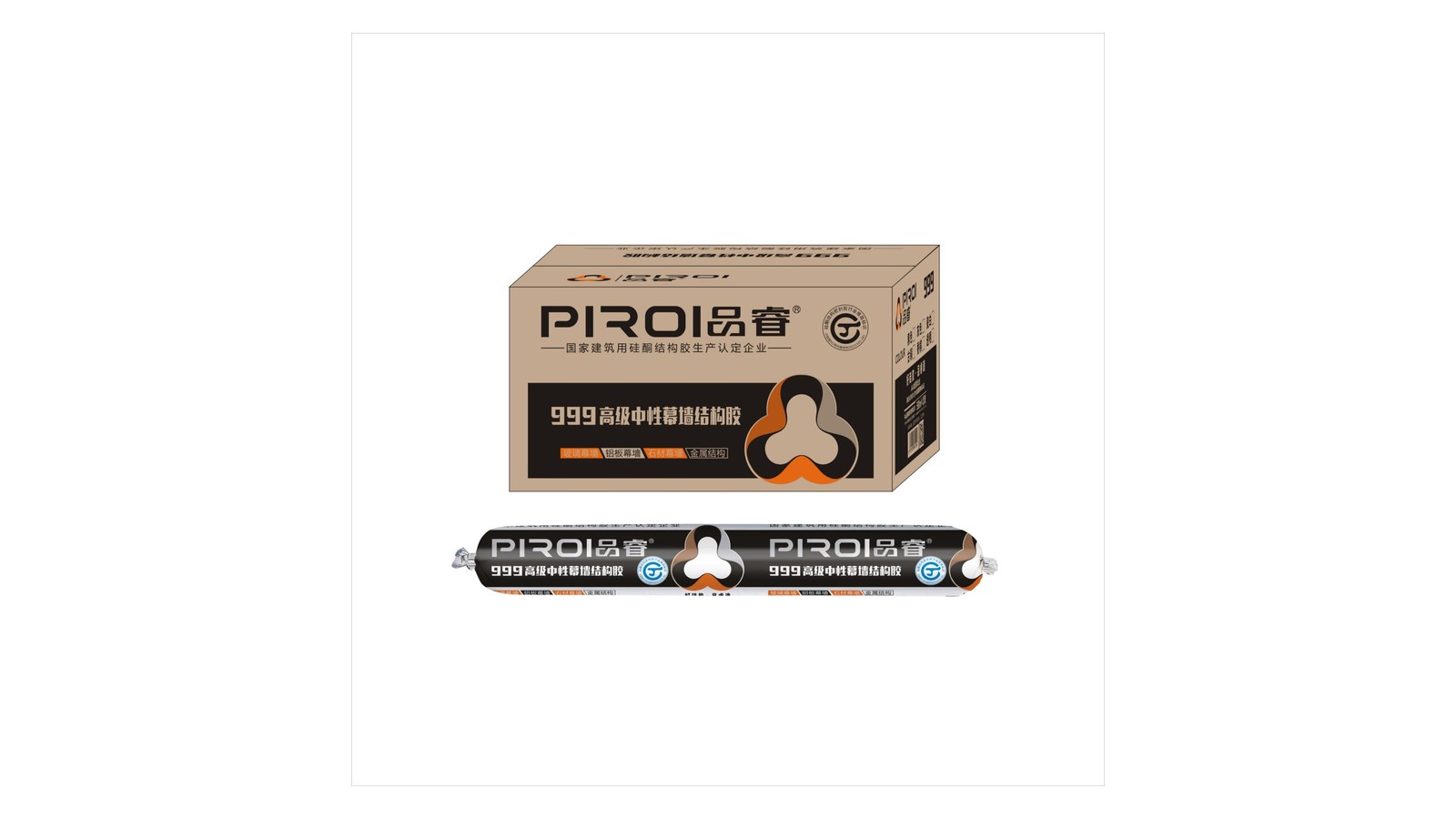
Our premium exterior grade, PR-888, is tested to GB/T 14683-2017 and reports on all four:
| Failure mode | Test result | What it predicts on a facade |
|---|---|---|
| Bond release after wet exposure | Adhesion after water immersion — no failure | The joint holds through rain seasons and standing water in horizontal rebates |
| Tearing under cold movement | Adhesion after cold-draw — no failure | The bead does not crack on winter mornings when the frame contracts |
| Polymer degradation | Mass loss rate 4.2% (limit 8) | Less of the sealant volatilises away, so the bead keeps its section and its elasticity |
| Loss of recovery | Elastic recovery 92% (min 80) | The joint returns to shape after thermal cycling instead of sagging open |
Two further values complete the picture: tensile modulus at 23°C of 0.9 MPa, which sets how much movement the bead accommodates rather than fights, and adhesion at maintained elongation with no failure, which is the closest laboratory equivalent of a joint held open by thermal expansion for months.
What each of these tests actually predicts, and where the limits come from, is covered in our article on weatherproof silicone sealant durability tests.
Match the standard to the application, not to the brochure
Exterior sealing is not one market. A window and door range and a curtain wall range are tested against different standards, and a supplier who quotes one standard for every exterior product is telling you the range was not designed application by application.
| Application | Grade and standard | Distinguishing result |
|---|---|---|
| Window and door frames (uPVC, aluminium) | PR-333 — JC/T 485-2007 | Elastic recovery 92%, tensile modulus 0.7 MPa, sag 0 mm vertical and horizontal |
| Curtain wall and facade panels | PR-888 — GB/T 14683-2017 | Adhesion after water immersion and cold-draw, mass loss 4.2% |
| General construction joints | PR-666 — GB/T 14683-2017 | Extrusion 516 mL/min, modulus 0.6 MPa, tack-free 1.2 h |
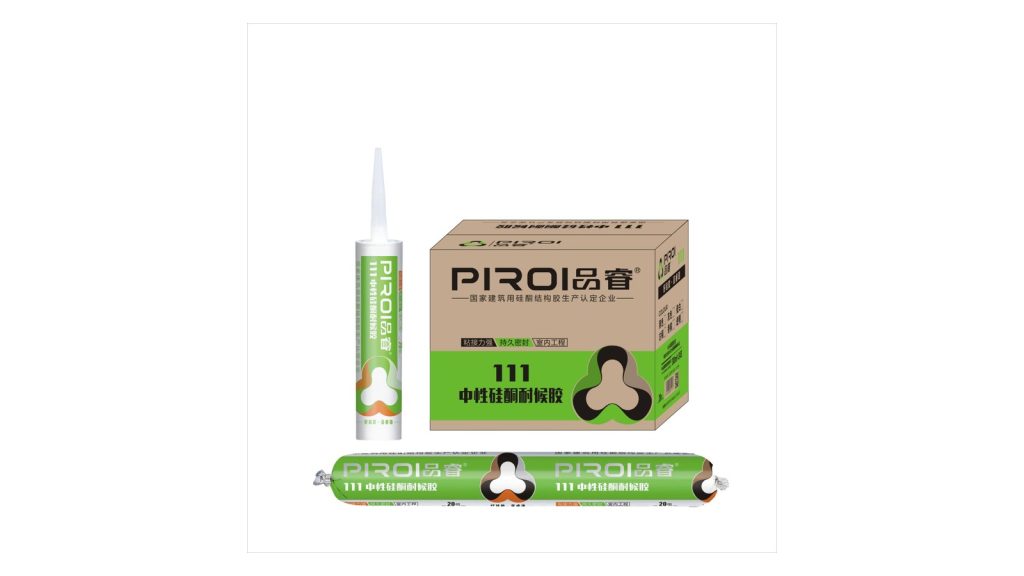
The window and door grade is deliberately different from the facade grade: frames move more and the joint is smaller, so a lower modulus and a high recovery rate matter more than raw tensile strength. A weatherproof silicone sealant sold for both jobs is usually a compromise on one of them. The product pages carry the full values — PR-333 window and door sealant, premium weatherproof sealant and PR-666 neutral weatherproof — with the family grouped under the weatherproof product series.

Substrates decide the primer question
A weatherproof grade is only weatherproof on the substrates it bonds to without a primer. Aluminium, glass, ceramic and uPVC are routine; concrete, stone and some coated panels are not, and the answer differs between an oxime and an alkoxy system.
- Aluminium and uPVC frames — routine bond, no primer on clean surfaces.
- Glass and glazing — neutral cure is mandatory where the bead touches coated or reflective glass edges.
- Concrete and stone — alkoxy neutral is the safer chemistry; acid cure stains and etches.
- Coated and powder-coated panels — adhesion must be proven on the actual coating, not on bare metal.
Where the substrate is unusual, the specification should name the primer and the adhesion test, rather than assume the grade covers it. Our cure chemistry guide explains the difference between the neutral systems on porous and sensitive substrates.
What a supplier has to document
- A test report per grade, not per range — the standard, the laboratory, the limits and the measured values.
- A batch CoA from a delivered shipment — every batch is coded, tested before release and archived for 18 months with its own Certificate of Analysis.
- Adhesion data on your substrate — a sample bonded to your actual profile or panel, not to a generic aluminium plate.
- The shelf life in writing — 12 months from production date on both cartridge and sausage formats, which sets how much stock a distributor can hold.
- Export documentation — commercial invoice, packing list and certificate of origin prepared against the label you registered.
Our guide to reading a silicone sealant test report lists the fields that must be present for any of these numbers to be traceable.
Commercial terms for an exterior range
- MOQ — 1,000 cartridges per model for private label, with mixed-model orders from 3,000 cartridges.
- Stock colours — from 500 cartridges on standard shades.
- Lead time — typically 15 to 25 days after artwork approval.
- Samples — supplied before mass production so the bead can be gunned on your own frames and in your own climate.
- OEM support — formula adjustment to your market’s standard, cartridge and label artwork, export paperwork in-house.
The full terms are set out in our guide to private label MOQ and lead time.
Verify the factory, not only the sample
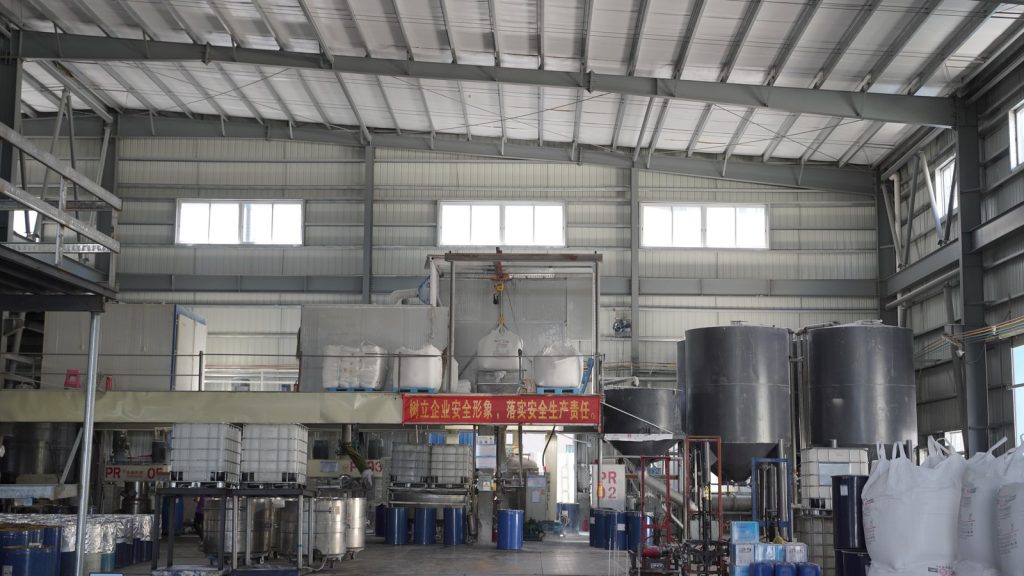
Durability results come from a laboratory; consistency of those results comes from the plant. Our production base in Zhongshan, Guangdong covers 20,000 m² with 8 automated filling lines, an in-house R&D laboratory and 100% batch testing before release, under ISO 9001:2015 — the same batch records the CoA on your container will be drawn from.
Certificates and scope of registration are on the certifications page, production detail on the factory page, and the full grade list on the full silicone sealant range.
Send the substrate, the joint dimensions, the movement expected and the market standard to be met, and our technical team will confirm which exterior grade fits before pricing — or start from the PIROI site for the rest of the range.