MS polymer — also written as SMP or silane-modified polymer, and marketed as “hybrid” sealant — has taken a large share of the European construction market and is spreading through the Gulf and Southeast Asia. Buyers who have used it once often ask why a supplier still quotes silicone. The answer is that MS polymer and silicone are good at different things, and the joint decides which one is correct.
This guide sets out the trade-off without overselling either. We manufacture silicone sealant, so it is in our interest to be clear about where MS polymer is the better choice — a buyer who discovers the limitation after installation does not come back.

What MS polymer actually is
MS polymer is a polyether backbone terminated with silane groups. That hybrid structure is the source of its character: the silane ends cure like silicone, while the polyether backbone behaves more like a polyurethane. The result is a product that cures without releasing acetic acid, bonds to a wide range of substrates including slightly damp ones, and accepts paint.
The comparison that matters
| Property | MS polymer | Silicone |
|---|---|---|
| Paintable | ✅ Yes | ❌ No |
| Odour during cure | ✅ Very low | 🟡 Neutral cure is low; acetoxy is sharp |
| Bond to damp substrate | ✅ Yes | 🟡 Needs dry substrate, often a primer |
| UV stability (long-term exposed) | 🟡 Good but not equal to silicone | ✅ Inherent — Si–O backbone |
| Elastic recovery over decades | 🟡 Declines | ✅ Retained — PR-888 reports 92% |
| Movement capability | 🟡 Typically ±20–25% | ✅ Up to ±50% available |
| Bond to non-porous substrates | 🟡 Good, sometimes needs primer | ✅ Excellent on glass, aluminium, glazed surfaces |
| Over-paintability of adjacent surfaces | ✅ Painter-friendly | ❌ Silicone contamination resists paint |
| Cost per litre | 🟡 Higher than silicone in most markets | ✅ Lower at volume |
| Suitable for structural glazing | ❌ No | ✅ Yes — GB 16776 / ASTM C1184 |
Where MS polymer is the better choice
- Joints that will be painted. This is the strongest argument. A bead that can be overcoated lets a painted facade, a coloured panel or an interior trim line be finished flush. A silicone sealant cannot be painted, so the joint stays visible.
- Interior work where odour matters. Hospitals, schools, occupied buildings — an odourless cure is worth paying for.
- Slightly damp substrates. Renovation and repair work where the substrate cannot be fully dried.
- Mixed-material joints where a primer would be awkward. MS polymer tolerates a wider substrate range without priming.
- Natural stone and sensitive metals — the neutral, non-migrating cure avoids the staining that some sealants cause.
Where silicone remains the right answer
- Exposed facade and curtain wall joints. Permanent UV plus daily thermal cycling plus no maintenance access. Silicone’s Si–O backbone is inherently UV stable; MS polymer is good but not equivalent. Our high-UV selection guide covers what to check.
- Structural glazing. The load-bearing position is specified to GB 16776 or ASTM C1184, and MS polymer is not part of that specification.
- Joints needing high movement class. Where the calculation calls for ±35% or ±50%, silicone is the practical route.
- Glass, glazed surfaces and anodised aluminium. Silicone bonds to these without primer and keeps that bond through water immersion — PR-888 reports no failure after immersion and after cold-draw.
- Sanitary and wet areas. Grade 0 mould resistance to JC/T 885-2016 is a silicone grade specification — our PR-218 reports no growth at 50× magnification after 28 days at over 90% RH.
- Where cost per litre matters at volume. Silicone is generally cheaper per litre in bulk, which matters on large linear metres.

Why the market conversation is confused
Two things drive the confusion. First, “hybrid” is a marketing word rather than a chemical one — and a buyer comparing a silicone sealant with a “hybrid” product is often comparing a specified grade against an unspecified one — it does not tell you which silane-terminated polymer is inside, and performance varies widely between grades. Second, MS polymer is often presented as a universal replacement, which it is not: it is a strong general-purpose product that loses specifically on the two properties that matter most on an exposed facade.
The practical approach is to keep both materials on the schedule and assign them by position, exactly as one would with polyurethane. Our polyurethane comparison sets out the same logic for the third common material.
What to put in the specification
- Name the material per position. One material for a whole building guarantees a wrong joint somewhere.
- State whether the joint will be painted. This is the single fact that most often decides MS polymer over silicone.
- State the movement class required — and check that the proposed product can actually meet it, not just that the datasheet mentions movement.
- State the exposure — exposed facade, sheltered, interior, wet area.
- For MS polymer, ask which polymer. “Hybrid” alone is not a specification; the silane-terminated polymer type and its tested movement class are.
Our guide to writing a sealant specification expands this into a full clause structure.
Buying the silicone side
- MOQ — 1,000 cartridges per model for private label, mixed models from 3,000.
- Lead time — typically 15 to 25 days after artwork approval.
- Samples — supplied before mass production so the grade can be tested on your own substrates and climate.
- Documentation — CoA per batch archived for 18 months, plus the test report behind each reported value.
- OEM — formulation adjustment to the standard your market names, with artwork handled in-house.
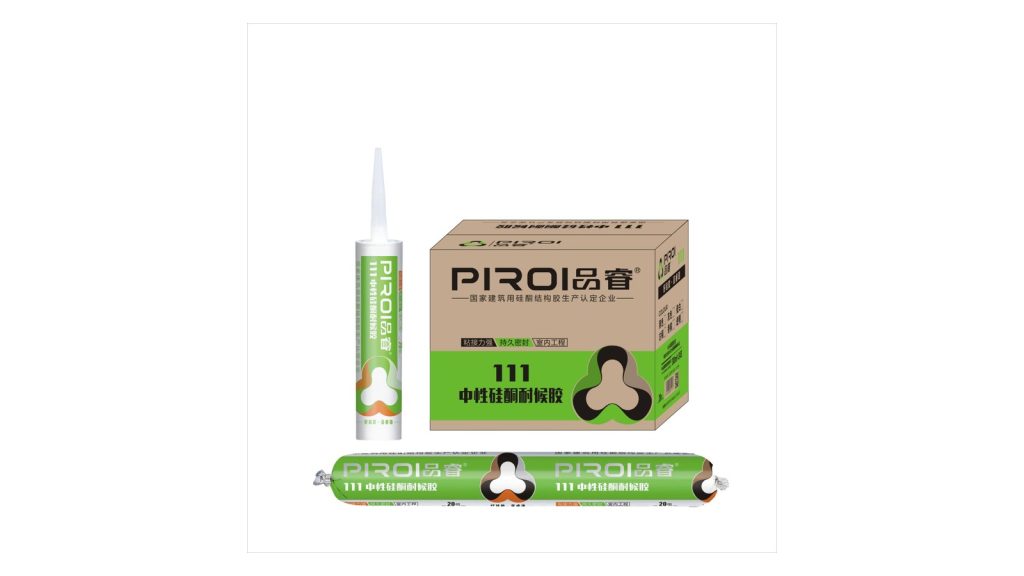
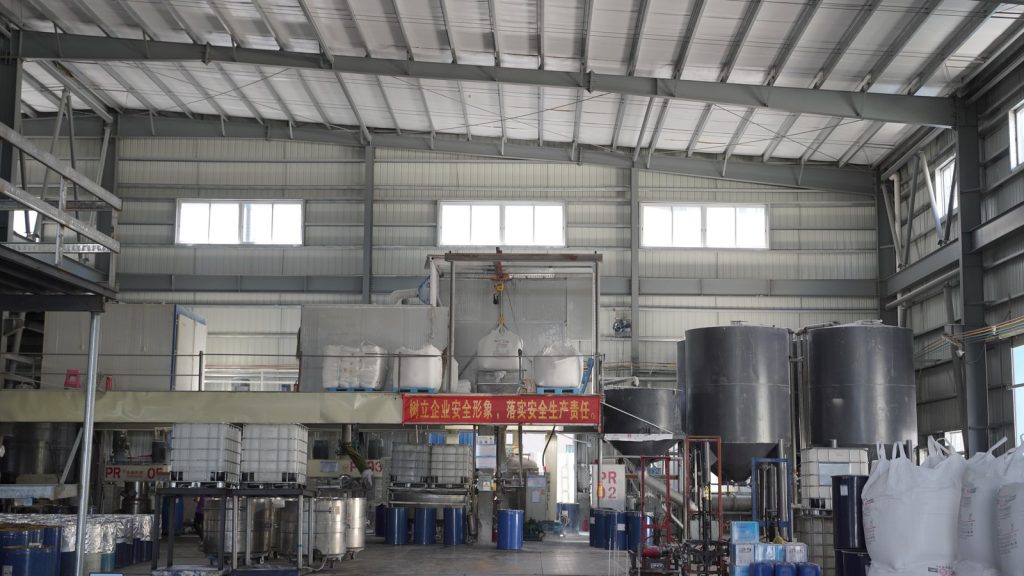
Our range covers the positions where silicone is the specification, all filled at our own factory in Zhongshan: PR-999 structural, PR-888 weatherproof, PR-333 window and door and PR-218 sanitary. Terms are in our guide to private label MOQ and lead time.
Send the joint schedule with painted and unpainted positions marked, and our technical team will say which joints should be MS polymer and which must be silicone — or start from the PIROI site for the full range.
Silane modified polymer vs silicone: the same question, two names
Buyers comparing silane modified polymer vs silicone are asking the same question as buyers comparing MS polymer or “hybrid” sealant with silicone — the terms describe one product family. Silane-modified polymer (SMP), MS polymer and hybrid sealant all refer to a polyether backbone terminated with silane groups, and the performance differences between them come from the polymer type and the filler package, not from the name on the cartridge.
That matters when comparing quotes: a datasheet that says “hybrid” tells you nothing about the silane-terminated polymer inside, and two hybrid products can differ more from each other than either differs from a specified silicone grade. The comparison that means something is the tested movement class, the elastic recovery figure and the UV-ageing evidence — not the category name.
For the position-by-position decision, see the table earlier in this guide and the polyurethane comparison, which covers the third material that commonly appears on the same schedule.