A polyurethane sealant is often the right answer and often the wrong one, and the difference is decided by the joint rather than by the material. Polyurethane outperforms silicone on two things that matter a great deal in some positions — paintability and abrasion resistance — and loses on two others that matter in most exterior positions: UV stability and long-term elastic recovery.
This guide is about the trade-off, because a specification that names one material for a whole building usually gets one of the positions wrong. It is not a case of a polyurethane sealant replacing a silicone sealant or the reverse — it is a case of matching each position to the chemistry that survives it.

What polyurethane is good at
- Paintability. This is the decisive advantage. Polyurethane sealant accepts paint, so a joint on a rendered wall, a painted facade or a coloured panel can be finished flush with the surrounding surface. Silicone cannot be painted — paint will not adhere to it, and any coating applied over a silicone bead will flake within a season.
- Abrasion and tear resistance. Polyurethane is tougher. On a floor joint, a loading bay, a trafficable deck or any position where the bead is physically worn, polyurethane lasts longer than silicone.
- Adhesion breadth. Polyurethane bonds to a wide range of substrates including damp concrete, which is why it is common in civil and below-grade work.
- Lower cost per litre in many markets, which matters on large linear metres of concealed joint.
What polyurethane is bad at
- UV stability. Polyurethane degrades under sustained sunlight: the surface chalks, then the bead hardens and loses elasticity. In an exposed facade joint it needs either a UV-stable grade or a protective coating. Our high-UV selection guide sets out the four report values that predict this.
- Elastic recovery over time. Polyurethane tends to stiffen as it ages. A joint that moves daily — a curtain wall panel, a large glazed opening — will eventually exceed what a stiffened bead can follow. Silicone keeps its recovery: our PR-888 reports 92% against a minimum of 80%.
- Colour stability. Polyurethane discolours and chalks in a way that is visible on a light-coloured facade; silicone holds colour better, though it too will show dirt over years.
- Moisture during cure. Some polyurethane systems are sensitive to substrate moisture and to application in damp conditions, which constrains the installation window.
The comparison that actually decides it
| Property | Polyurethane | Silicone |
|---|---|---|
| Paintable | ✅ Yes | ❌ No |
| UV stability (exposed) | 🟡 Needs UV-stable grade or coating | ✅ Inherent |
| Elastic recovery over years | 🟡 Declines as it stiffens | ✅ Retained |
| Abrasion / tear resistance | ✅ Higher | 🟡 Lower |
| Movement capability | 🟡 Typically ±25% | ✅ Up to ±50% available |
| Bond to damp concrete | ✅ Good | 🟡 Needs dry substrate and often a primer |
| Colour stability | 🟡 Chalks and discolours | ✅ Better |
| Cost per litre | ✅ Usually lower | 🟡 Higher |
Deciding per joint, not per building
The practical rule is to classify each joint by what it has to survive, then pick the material:
- Exposed facade and curtain wall joints → silicone. Permanent UV, daily thermal cycling, not maintainable. A polyurethane bead here will chalk and stiffen.
- Joints that will be painted → polyurethane. A silicone bead cannot be overcoated, and painting around it leaves a visible line that no decorator can hide.
- Floor, trafficable and loading joints → polyurethane for abrasion, unless the joint is also UV-exposed and unpainted.
- Below-grade and damp concrete → polyurethane, because the substrate is often not dry enough for a silicone bond without primer and drying time.
- Structural glazing → silicone, without exception. The load-bearing position is specified to GB 16776 or ASTM C1184 and is not a polyurethane application.
- Sanitary and wet-area joints → neutral cure silicone, because the mould resistance and the non-corrosive cure are what the position needs.
On a typical building that means both materials appear on the same elevation: silicone on the exposed facade, polyurethane on the painted plinth and the floor joints. A specification that names only one is usually the result of buying convenience rather than joint analysis.
Where silicone is the position we supply
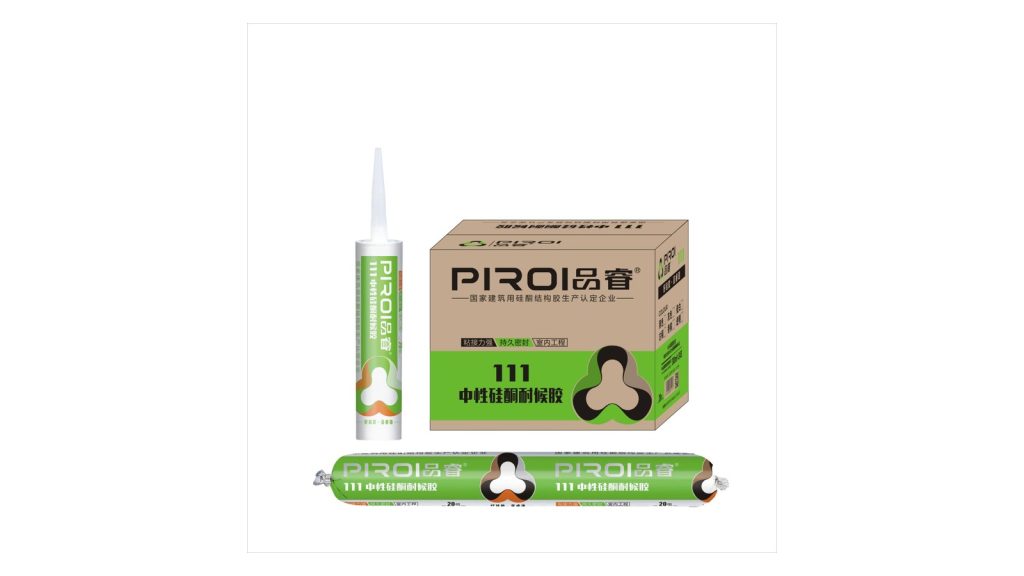
We manufacture silicone sealant, not polyurethane, so it is worth being direct about what we can and cannot quote:
- Exposed weatherseal and facade joints — PR-888, GB/T 14683-2017, mass loss 4.2%, elastic recovery 92%, adhesion intact after water immersion and cold-draw. See the premium weatherproof sealant.
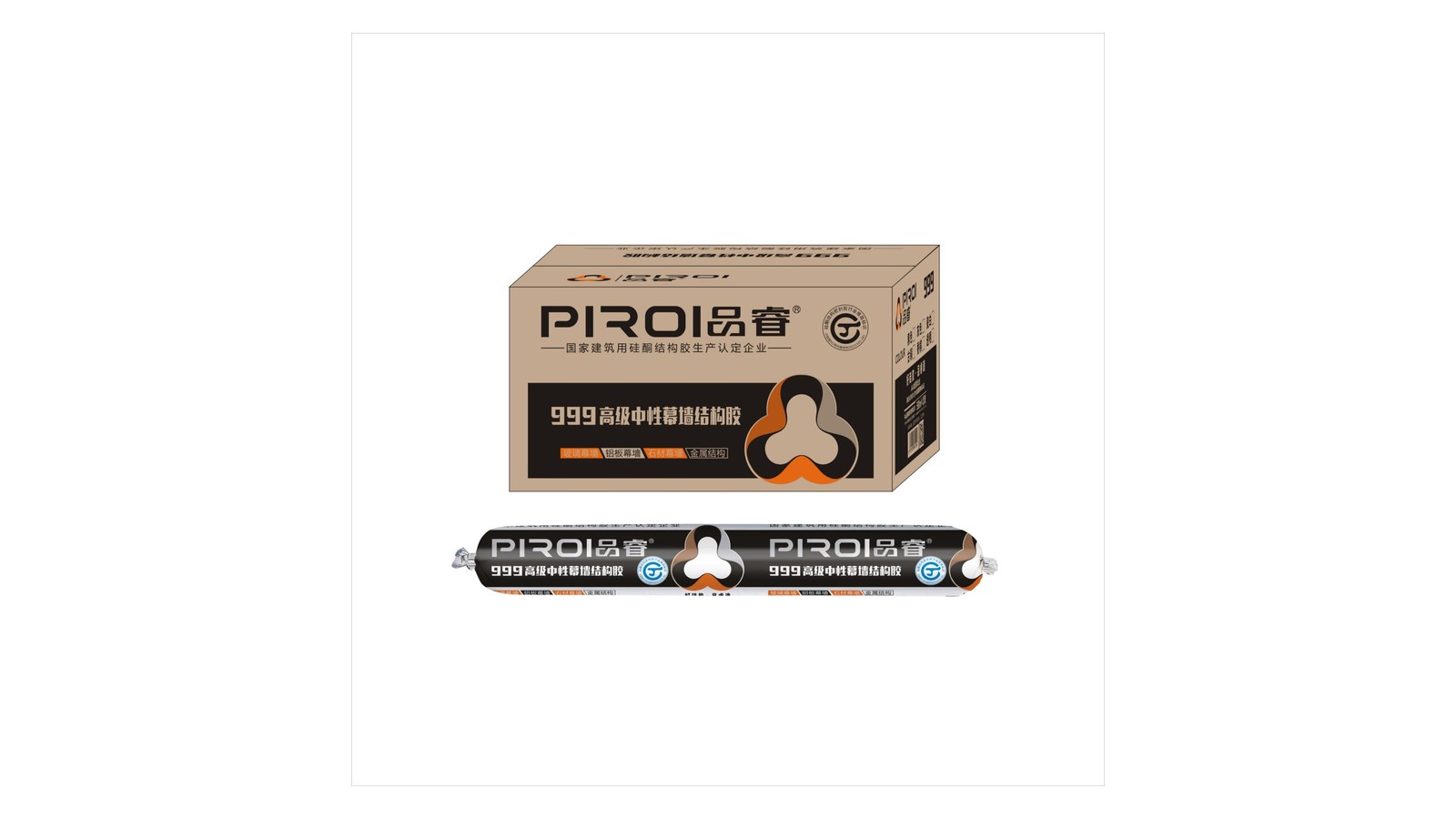
- Structural glazing — PR-999, GB 16776-2025, tensile adhesion 0.85 MPa, elongation at maximum tensile strength 205%. See the structural sealant.
- Window and door frames — PR-333, JC/T 485-2007, elastic recovery 92%, modulus 0.7 MPa. See the window and door sealant.
- Sanitary and wet areas — PR-218, JC/T 885-2016, Grade 0 mould resistance. See the sanitary anti-mold sealant.
Where a project genuinely needs polyurethane, we will say so rather than substitute — a joint specified for the wrong material fails in a way that reflects on the supplier, not only on the material.
Buying either material
- MOQ — 1,000 cartridges per model for private label on our silicone range, mixed models from 3,000.
- Lead time — typically 15 to 25 days after artwork approval.
- Samples — supplied before mass production so the grade can be tested on your own substrate and in your own climate.
- Documentation — CoA per batch, archived for 18 months, plus the test report behind each reported value.
- OEM — formulation adjustment to the standard your market names, with cartridge and label artwork handled in-house.
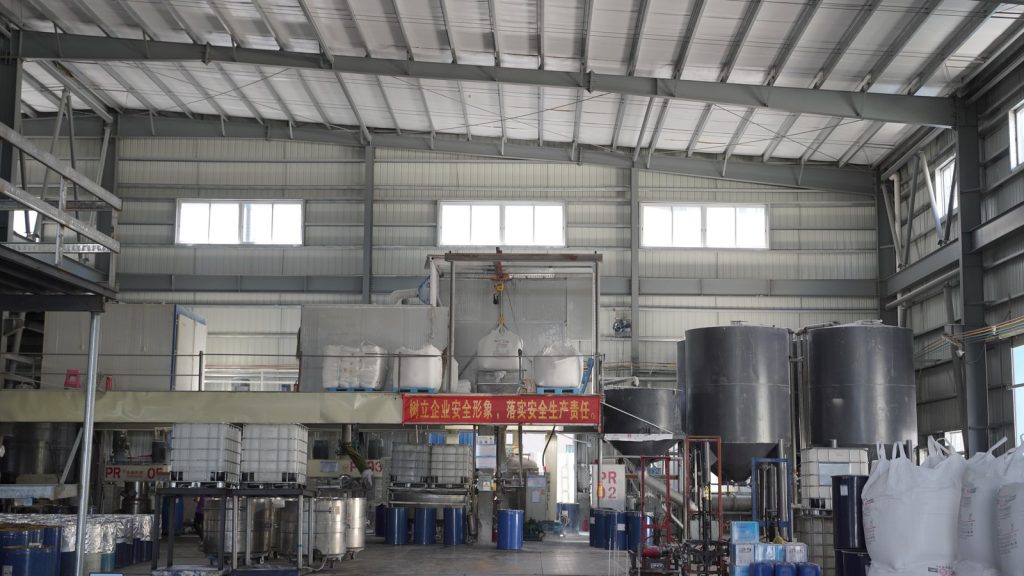
The terms are set out in our guide to private label MOQ and lead time, and the comparison of chemistries continues in silicone sealant vs polyurethane. Certificates are on the certifications page and the plant on the factory page.
Send the joint schedule — position, substrate, whether it will be painted and whether it is exposed — and our technical team will say which positions should be silicone and which should not — or start from the PIROI site for the full range.