Fire-rated sealant is bought under a spec, not under a brand. Most trade enquiries arrive as “fire rated silicone sealant”, but the classifier, the report number and the tested assembly are what the inspector asks for — and a silicone sealant supplier that can only produce a catalogue will lose the order the first time a project calls for the underlying test.
This guide covers what a fire-rated silicone sealant supplier in China should show you: the classification itself, what the fire rating does and does not prove, and the terms behind the quotation.

Ask for the classification, not the claim
“Fire rated” on a datasheet means nothing without a standard behind it. PR-238 is classified SR FV-0 (3.0 mm) 7.5P to GB/T 24267-2009, with a total flame time of 0 seconds across five specimens against a 50-second maximum, and 0 seconds afterflame against a 30-second maximum. The report number is 2022MJ007 and we send it with the order.
Look for three things on any fire-rated silicone sealant supplier’s documents:
- The standard and classification — SR FV-0 to a named standard, not just the phrase “fire rated”.
- The report number — a report that exists is a report that can be checked; a claim without one is not.
- The tested assembly — substrate, joint dimensions, backing material and sealant together.

What a fire rating does not prove
A fire rating belongs to a tested assembly. Using a rated sealant in an untested joint detail is one of the most common compliance failures on site, and it is caught the moment the inspector asks for the assembly reference rather than the product datasheet.
Two related mistakes that turn up in specification work:
- Confusing fire rating with high temperature resistance. A high-temperature sealant keeps working at service temperature — ovens, flues, exhausts — and is not tested for flame spread. A fire-rated sealant is tested to stop flame through a joint for a rated period. Different tests, different products.
- Assuming a fire-rated sealant is enough on its own. The rating covers the whole detail, not the bead. The fire stopping application page sets out where the assembly, not the product, carries the requirement, and the guide to reading a fire rating covers how to interpret the document.

Why the joint must keep moving after a fire
A fire-rated sealant that is rigid after exposure cracks on the first thermal cycle of the building, which is how a compartment seal fails without anyone noticing. PR-238 recovers 88% of its deformation after fire testing — 73% elongation at break, 62% after water immersion, all well above the 25% minimum — so the joint absorbs movement rather than opening. Rigid firestop mortars do not do this, which is why they crack in moving joints.
| Property | PR-238 | Minimum |
|---|---|---|
| Total flame time | 0 s (5 specimens) | 50 s |
| Afterflame | 0 s | 30 s |
| Fire test classification | SR FV-0 (3.0 mm) 7.5P | GB/T 24267-2009 |
| Elastic recovery after fire | 88% | 25% |
| Elongation at break | 73% | 25% |
Where fire-rated sealant is specified
The positions that carry a fire requirement differ in substrate and movement, and each needs the assembly tested against it:
- Curtain wall inter-story fire barriers — movement plus fire, and the joint has to keep moving after the event.
- Cable and pipe penetration fire sealing — the most common specification point in commercial buildings.
- Fire door and window perimeters — perimeter joint with a rated frame behind it.
- Building compartment firestop systems — the rated assembly where the classification matters most.
Our fire stopping application page has the per-position detail.
Batch control and certification
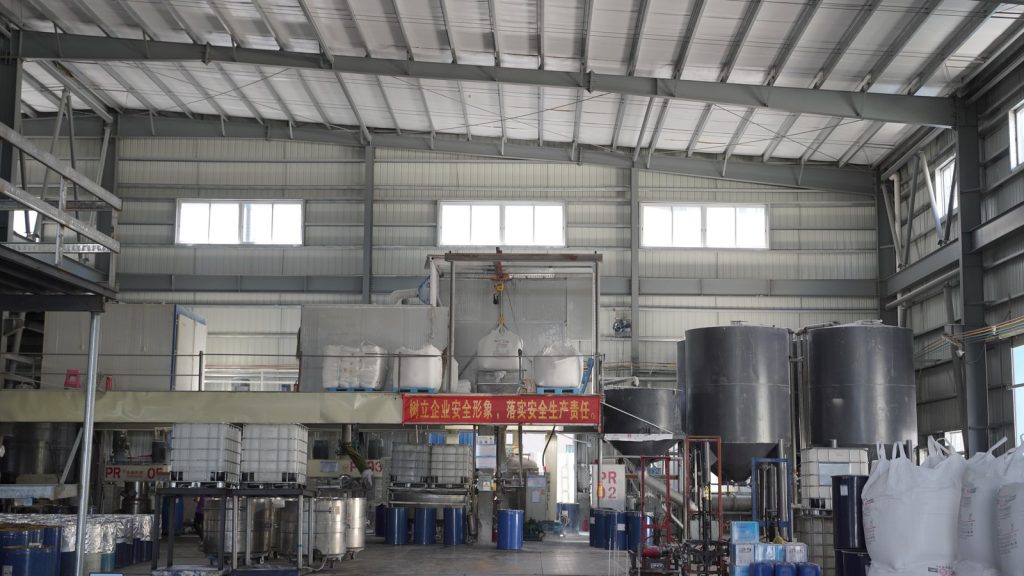
Fire stopping is one of the two places in a building where a batch fault has legal consequences. Every batch at our plant is coded, tested and archived for 18 months with its own Certificate of Analysis, and retained samples sit alongside the batch records. Certification set: ISO 9001:2015, GB/T 24267-2009 for fire-rated grades, plus RoHS and REACH. Full document set at certifications.
MOQ, lead time and wholesale terms
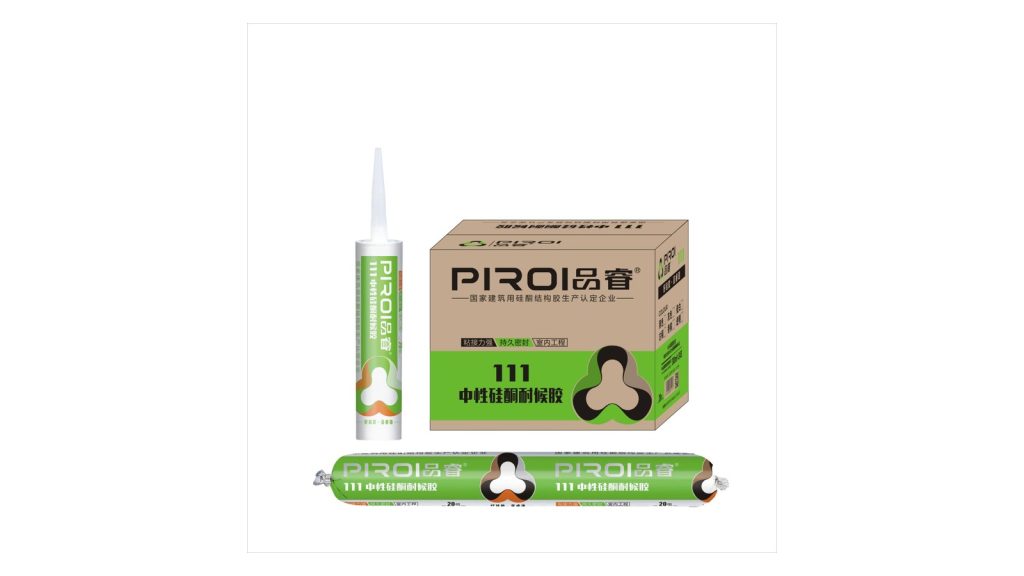
- MOQ — OEM and private label from 1,000 pcs per model; mixed-model trial orders from 3,000 pcs total; stock items from 500 pcs.
- Lead time — typically 15–25 days after artwork and sample approval.
- Sea freight — 7–15 days from Shenzhen (Yantian / Shekou) and Nansha to Southeast Asian ports.
- Samples — 2 to 4 free sample cartridges or sausages, plus a free substrate adhesion and staining test on your own substrate.
- Private label — artwork, label text and colour matching handled in-house at the Zhongshan factory.
Full ordering sequence and what delays approval are covered in the private label MOQ and lead time guide. Batch-level traceability is covered in the batch quality guide.
Sending an enquiry
We are a silicone sealant manufacturer and supplier selling direct to importers, distributors and private label brands, with no trading company between you and the production line. Send the assembly detail — substrate, joint dimensions, backing material — and the required classification, and our technical team will confirm whether PR-238 fits before you commit rather than after.
Where the project carries a third-party inspection window, tell us at enquiry stage so the batch records and retained samples are available on the day. Contact us at /contact/.