Construction sealant is specified once and installed once, so a bad supplier choice does not announce itself until the joint fails on site. The distinction that matters is between a company that can produce the specification and one that can only resell it — and a construction sealant supplier in China should be able to answer that before the order, not after the inspection.
This guide covers where silicone sealant for construction is actually specified, what certification to ask for, and how to compare suppliers on terms rather than on claims.
Where construction sealant is specified
The category spans four quite different positions, each with its own substrate and movement requirement:
- Window and door perimeters — the highest-volume joint type, sized from the built opening rather than the drawing.
- Precast concrete and masonry — alkaline substrate; neutral cure is required, and sizing must include the irreversible moisture expansion concrete shows over its service life.
- Curtain wall and facade — a defined movement class in the weatherseal position, plus structural silicone where the joint carries wind load.
- Interior wet areas and sanitary — anti-mould grade, non-staining on chrome and acrylic.
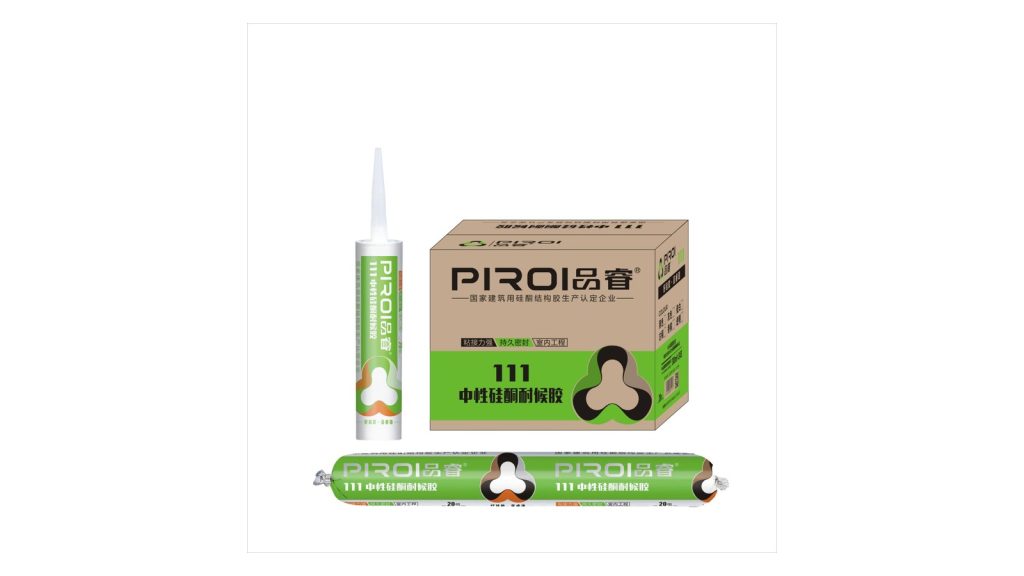
Our window and door sealing, silicone sealant for precast concrete, curtain wall and facade and silicone sealant for ACP cladding pages carry the per-position detail. The production range is 17 models across four series: weatherproof and structural, sanitary and home, industrial and new energy, and acetoxy.
Neutral cure is required on most substrates
Concrete, mortar, stone and render are alkaline. An acetoxy grade releases acetic acid during cure, and the acid reacts with the calcium compounds in the substrate, leaving etching around the joint that cannot be cleaned off. On anodised aluminium and powder-coated frames the same acid attacks the finish.
The rule is simple: neutral cure on everything alkaline or coated, acetoxy only on interior glass and sanitary positions with no metal or concrete contact. Our neutral weatherproof silicone sealant covers the common construction positions.

Movement capability: Class 25 or Class 50
Construction joints move. Thermal movement, structural deflection and (on concrete) moisture expansion all have to be absorbed by the sealant, and the movement class is what says how much:
| Class | Movement capability | Typical position |
|---|---|---|
| Class 25 | ±25% of joint width | Stable openings, smaller frames, controlled conditions |
| Class 50 | ±50% of joint width | Large panels, high thermal swing, facade movement |
Width comes from the calculated movement divided by the movement capability, not from what the last project used. Our joint width and coverage calculator returns the width from panel material, panel length and temperature range. Joint design and depth ratio are covered in the window and door construction sealant joint guide.

Certification and test reports
- ISO 9001:2015 — process control. Ask for the certificate, not the claim.
- GB 16776-2025 — structural grade performance: tensile adhesion 0.85 MPa against a 0.60 MPa minimum.
- GB/T 14683 — weatherproof grade for building joints.
- RoHS / REACH — restricted substances for regulated destination markets.
- Third-party CNAS / CMA reports — tensile adhesion, elongation, sag resistance and heat ageing on the actual batch, not a catalogue sample.
A supplier that sends a report without being asked once is usually a supplier that will still send it when asked twice. Documentation set listed at certifications.
Batch traceability and quality control
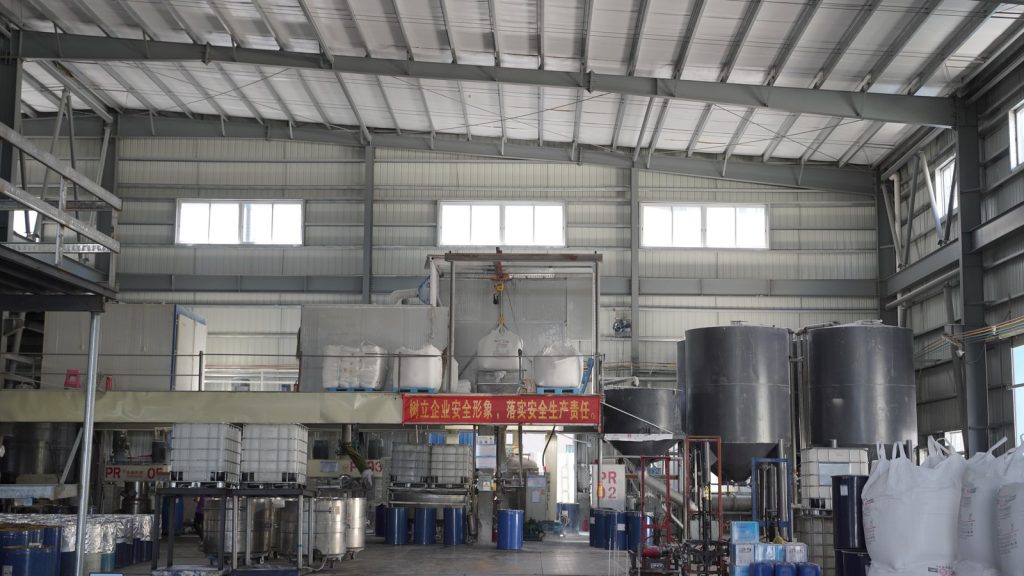
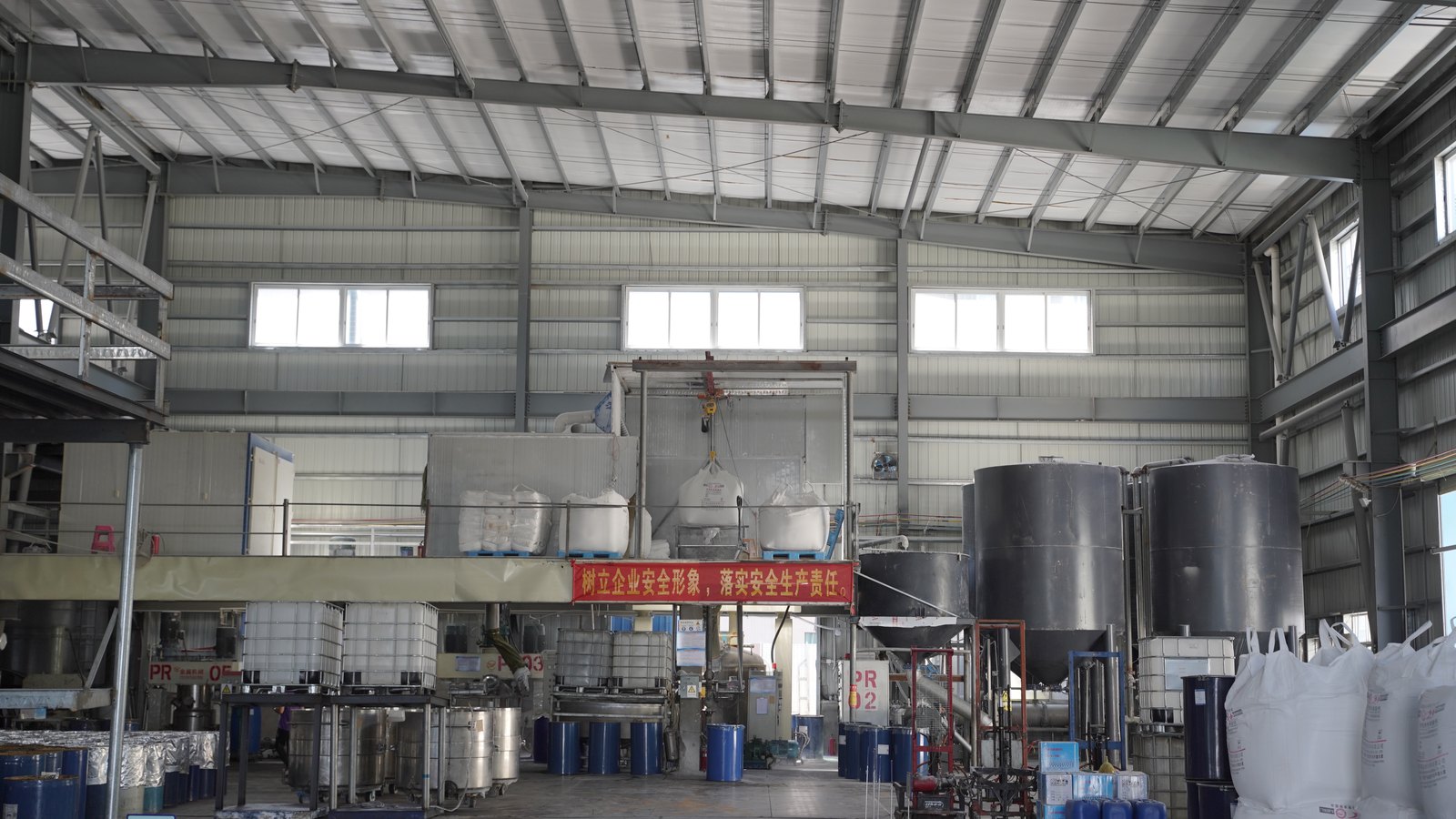
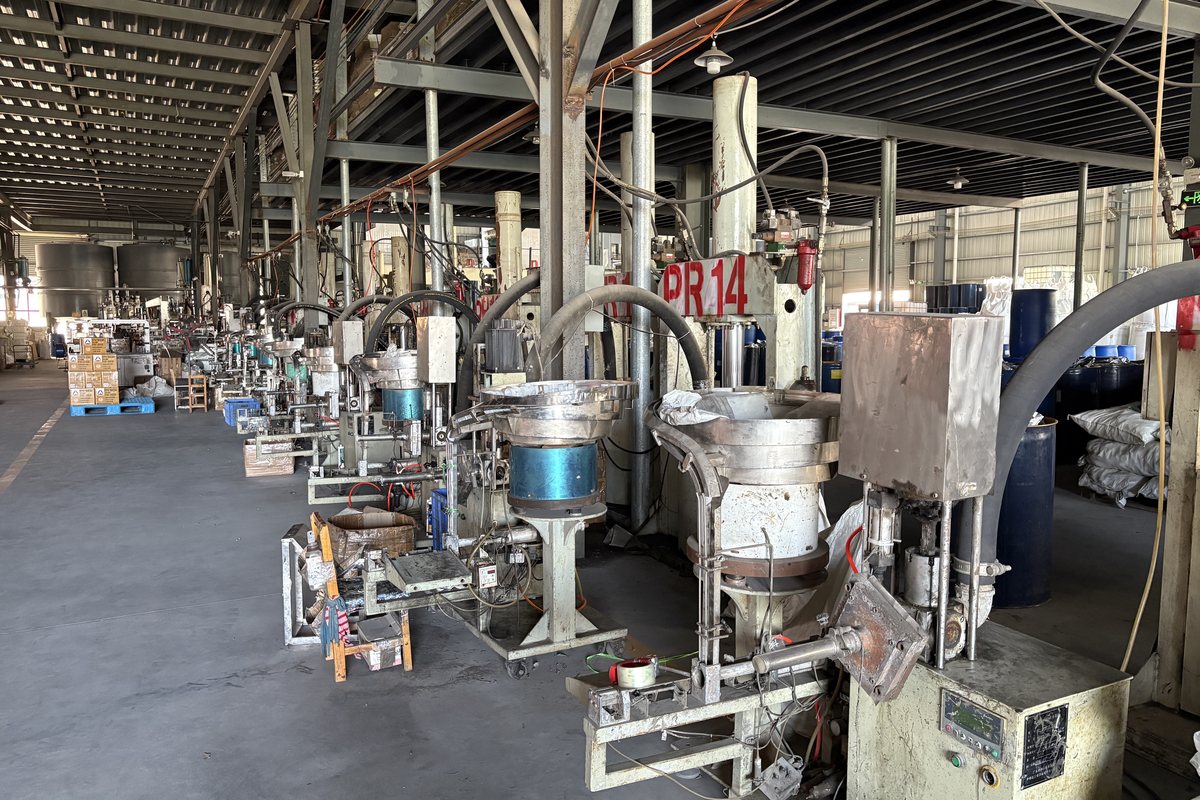
Batch consistency is the difference between a supplier you can build a product line around and one that works until it does not. Every batch at our plant is coded, tested and archived for 18 months with its own Certificate of Analysis, and any cartridge traces back to its raw material lot. Eight automated filling lines run with in-process checks and batch testing.
Ask three questions: what the batch code on the carton refers to, whether the retained sample is archived with the COA, and how a trace is done when a project calls one in. The batch quality guide covers what those documents should contain.
MOQ, lead time and wholesale terms
- MOQ — 1,000 pcs per model for OEM and private label; mixed-model trial orders from 3,000 pcs total; stock items from 500 pcs.
- Lead time — typically 15–25 days after artwork and sample approval; repeat contract orders on an established specification around 15 days.
- Sea freight — 7–15 days from Shenzhen (Yantian / Shekou) and Nansha to Southeast Asian ports.
- Samples — 2 to 4 free sample cartridges or sausages, plus a free substrate adhesion and staining test on your own substrate.
- Private label — artwork, label text and colour matching handled in-house at the Zhongshan factory. Eight automated filling lines with in-process checks and batch testing.
Full ordering sequence, sample approval workflow and what delays approval are covered in the private label MOQ and lead time guide.
Questions to ask before ordering
- Is the MOQ per model or per order? Ours is per model.
- Does the quoted lead time start from enquiry or from artwork approval? Ours starts from artwork and sample approval.
- Can they run an adhesion and staining test on your actual substrate before you commit? Ours does, free.
- Can they trace a carton to its raw material lot? Ours retains the sample for 18 months with a COA.
- What third-party reports ship with the order, and which ones have to be requested?
Sending an RFQ
We are a silicone sealant manufacturer selling direct to importers, distributors and private label brands, with no trading company between you and the production line. Send the joint detail, the substrate and the volume, and our technical team will respond with a recommendation rather than a catalogue. Contact us at /contact/ and we will reply within 24 hours.
Wholesale, distributor or project supply — three different buying models
Buyers searching for a construction sealant supplier usually want one of three things, and the terms are not interchangeable. Getting this wrong at the enquiry stage is the most common reason a quote takes an extra week:
| Model | What you are buying | Typical order |
|---|---|---|
| Wholesale / bulk | Cartridges in your own artwork, priced per pallet or per container | From 1,000 pcs per model; mixed models from 3,000 pcs |
| Distributor | A territory arrangement plus stock holding and technical support | Recurring containers, forecast-based |
| Project supply | A defined quantity against a specification and delivery schedule | One-off, matched to the site programme |
For bulk orders the price moves with packaging format, not just volume: a 590 mL sausage holds roughly twice the volume of a 300 mL cartridge and is cheaper per litre, but it needs a bulk gun on site. If your buyers are contractors, sausage usually wins; if they are retail-facing, cartridge does. We quote both formats so you can see the difference rather than guess it.
For distributor arrangements we ask for a forecast rather than a single order, because the production schedule is built from forecasts and a one-off container takes the same 15 to 25 days as a repeat one. Where a distributor needs stock held for fast replenishment, standard colours can be supplied from 500 pcs.