Most distributor ranges fail in one of two ways: too few models to cover the local demand, or too many models competing with each other on the same shelf. Both are selection problems, and both are avoidable before the first order is placed.
This guide is written for importers, building-material distributors and hardware chains building a silicone sealant range for their own market. It covers how to size the range, what actually drives cost, and the stock questions that decide whether the range pays for itself.
Start from the applications your market has
The right question is not “which models should I stock” but “which joints does my market seal”. A range built around real applications covers more demand with fewer SKUs than one built around a price ladder.
- Window and door installation — the highest-volume category in most markets, and the one that anchors the range.
- Interior sanitary and wet areas — bathrooms, kitchens, sanitary ware. Moves fast, needs an anti-mould grade.
- Glass and glazing — interior glazing takes an acetoxy grade; anything load-bearing needs a structural grade.
- Facade and curtain wall — weatherseal and structural positions, usually specified by an engineer rather than chosen on site.
- Specialist — fire-rated, solar PV, appliance and industrial positions, where the buyer is a project or a factory rather than a consumer.
If you cannot name the application each SKU is for, the SKU is probably not earning its shelf space.

What our range covers
Our production range is 17 models across four series, which maps closely onto the application list above:
| Series | Models | Covers |
|---|---|---|
| Series 1 — Weatherproof & Structural | 8 | Window and door perimeter, facade weatherseal, structural glazing, curtain wall |
| Series 2 — Sanitary & Home Decoration | 3 | Bathroom, kitchen, mirror and interior decorative joints |
| Series 3 — Industrial & New Energy | 3 | Solar PV, appliance and industrial assembly |
| Series 4 — Acetoxy | 3 | Interior glass and glazing, sanitary work without metal or concrete contact |
Series 1 carries the volume in most markets, so it is usually the correct starting point. The weatherproof models in this series, including the neutral weatherproof silicone sealant, cover most first range launches. Series 2 and 4 are the fast movers in retail-facing ranges. Series 3 tends to be project-driven rather than shelf-driven.
How many SKUs to launch with
A range that is too wide for your market ties up working capital and creates slow-moving stock with a shelf life running down. A practical launch structure:
- Three to five models covering window and door, sanitary, interior glazing and facade weatherseal.
- Two colours in the volume models — typically clear and white, plus black or grey where the market specifies it.
- One pack format per model at launch, chosen against the dispensing equipment your customers already own.
- Add models on evidence, not on completeness. The mixed-model trial route exists for exactly this: test several models in one shipment before committing shelf space to any of them.
What drives the cost
Distributors are usually quoted a unit price without the structure behind it. Understanding the cost drivers is what makes a quotation comparable:
- Chemistry. Neutral cure costs more to formulate than acetoxy, which is why a neutral weatherseal and an interior acetoxy grade sit at different price points for the same pack size.
- Raw material grade. Polymer and filler quality move with the silicone market, so pricing on any sealant has a commodity component that changes over time.
- Pack format. Cost per litre is the number to compare, not cost per pack. A larger pack usually costs less per litre but leaves more capital in each unit of stock.
- Volume and order structure. Pricing steps with container fill rather than sliding smoothly. A full pallet and a mixed-model container are different price points.
- Certification and documentation. Test reports, FORM E and batch-level documentation are part of the delivered cost, not a separate favour.
- Private label setup. Artwork, colour matching and label changes are one-off costs spread across the order quantity.
We do not publish a price list, because the correct price depends on the specification, the format and the order structure. Ask for a quotation against a defined specification and you will get a comparable number; ask for “the price of silicone sealant” and you will get a range that tells you nothing.

Packaging format affects your shelf and your margin
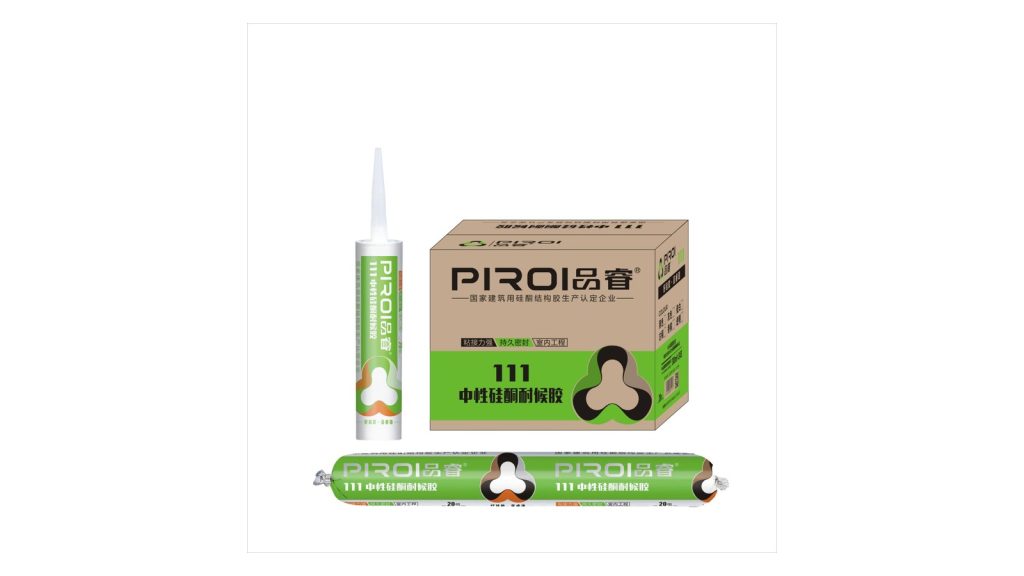
Pack format is a commercial decision, not a detail. Standard formats are 300 mL cartridges, 590 mL sausage packs (foil), and 600 mL / 25 kg bulk drums for automated lines.
- Cartridges are the retail and site default, and the format most hardware and building-material distributors carry.
- Sausages suit contractor accounts where consumption is high and waste matters.
- Drums serve factory accounts, not shelves.
Carrying one format across the range keeps your warehouse simple. Carrying two is justified when you have both retail and contractor customers, and the packaging decision guide covers how to choose between them.
Stock rotation and shelf life
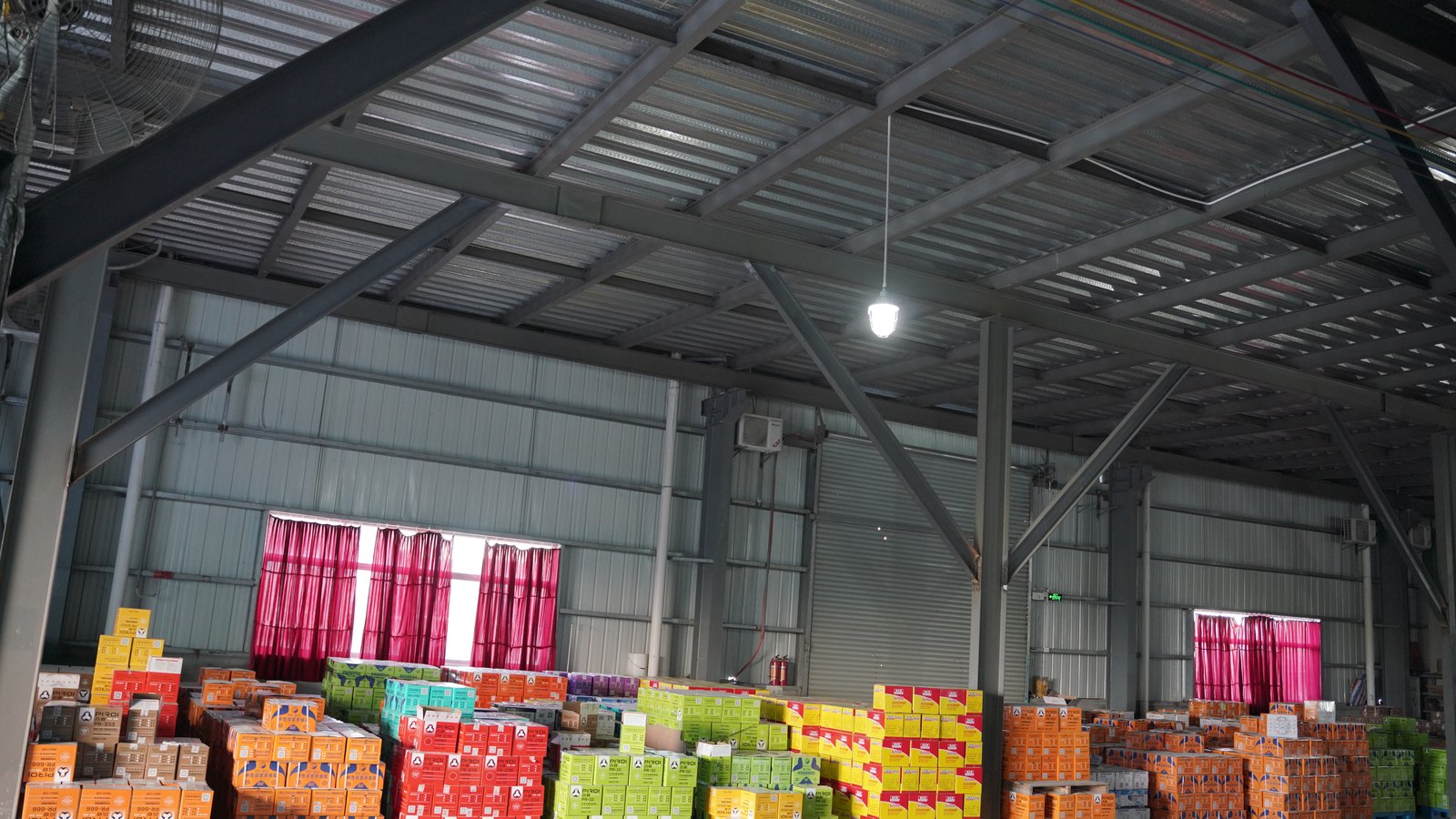
Shelf life is the constraint that most distributor ranges underestimate. Neutral cure cartridges and sausages carry an official 12-month shelf life from the date of manufacture; acetoxy formulations carry 9 months.
- Rotate first in, first out by production date, not by arrival date.
- Match order quantity to turnover. A container you cannot move inside the shelf life is a write-off waiting to happen, whatever the freight rate.
- Ask for the production date on the proforma and require it on the packing list so your warehouse can sort on arrival.
- Keep stock between 5°C and 27°C, out of direct sun, and off the container floor once it clears.
The shelf life and storage guide covers the storage conditions and rotation planning in more detail.
What to ask a manufacturer before committing
- Is the MOQ per model or per order? Ours is per model: 1,000 pcs for OEM and private label, with mixed-model trial orders from 3,000 pcs total and stock items from 500 pcs.
- Is the lead time quoted from enquiry or from artwork approval? Ours is typically 15–25 days after artwork and sample approval.
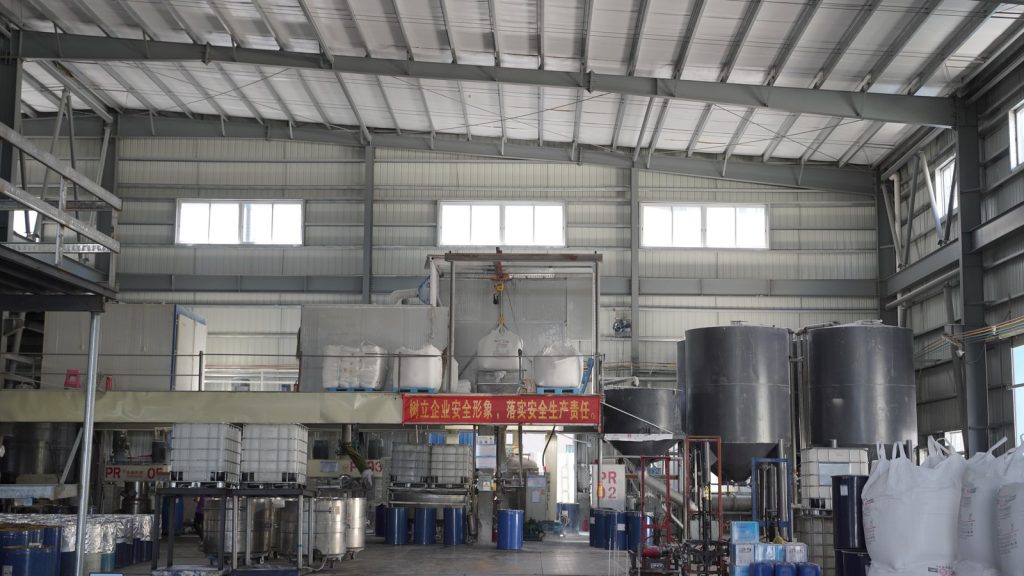
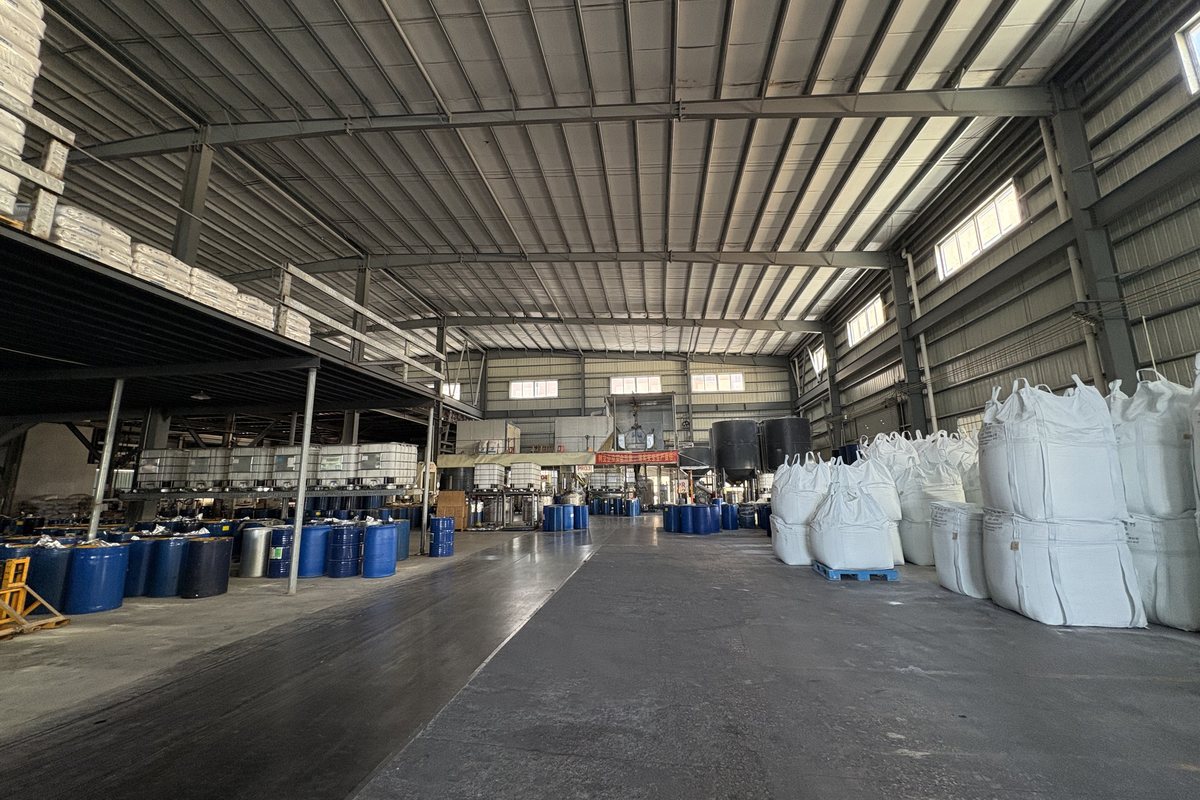
- Can they match a colour? Colour matching, label printing and cartridge artwork are handled in-house at our Zhongshan plant.
- What documentation comes with the shipment? Every shipment ships with FORM E, packing list, Certificate of Analysis and third-party test reports.
- What happens if a batch fails? Every batch is coded, tested and archived for 18 months, so a failure can be traced back to a production run rather than argued about.
Ordering a distributor range
We are a silicone sealant manufacturer selling direct to importers, distributors and private label brands, with no trading company between you and the production line. Our OEM and private label programme starts at 1,000 pcs per model, mixed-model trial orders from 3,000 pcs total, and stock items in standard PR-series packaging from 500 pcs.
Send us the applications your market actually has, the pack format your customers use and the volume you expect to turn over in a quarter, and we will recommend a launch range rather than a full catalogue. Samples — 2 to 4 free cartridges or sausages — are the cheapest way to test the selection before you commit shelf space to it.