The packaging format you choose decides three things before a single bead is gunned: how much you pay per litre of sealant, how much waste you leave in the pack, and what dispensing equipment your site has to own. Buyers who choose on unit price alone usually discover the real cost difference on site, not on the quotation.
This guide covers the four formats we fill, the four questions that actually decide between them, and how to work out how much silicone sealant you need for a given joint.
The four formats we fill
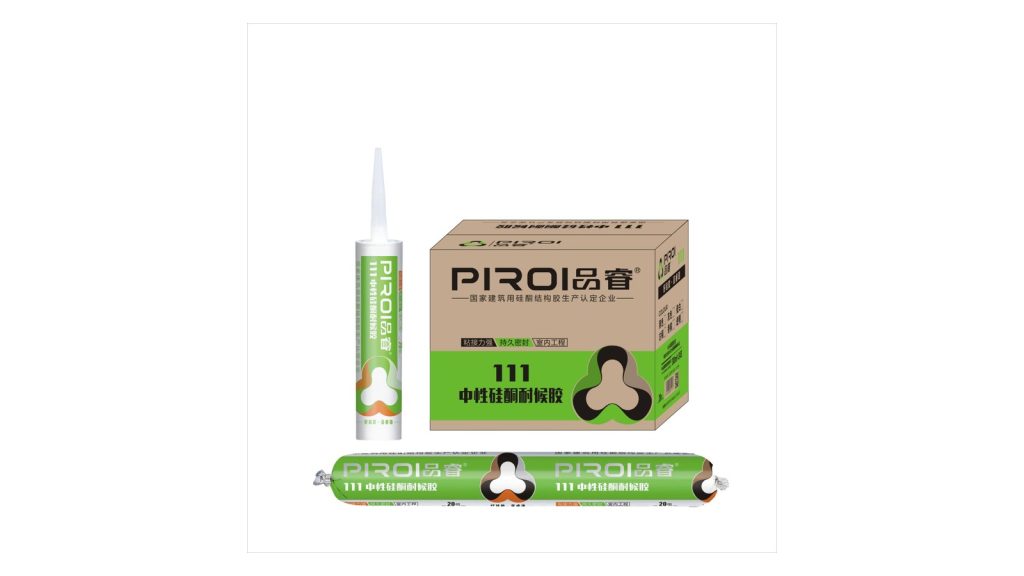
Standard formats are 300 mL cartridges, 590 mL sausage packs (foil), and 600 mL / 25 kg bulk drums for automated lines. Each exists for a different job, and none of them is a general-purpose answer when you are buying silicone sealant in volume.
- 300 mL cartridge — the default for site work and for distribution. Fits any standard skeleton gun, needs no special equipment, and is the format most hardware and building-material distributors carry.
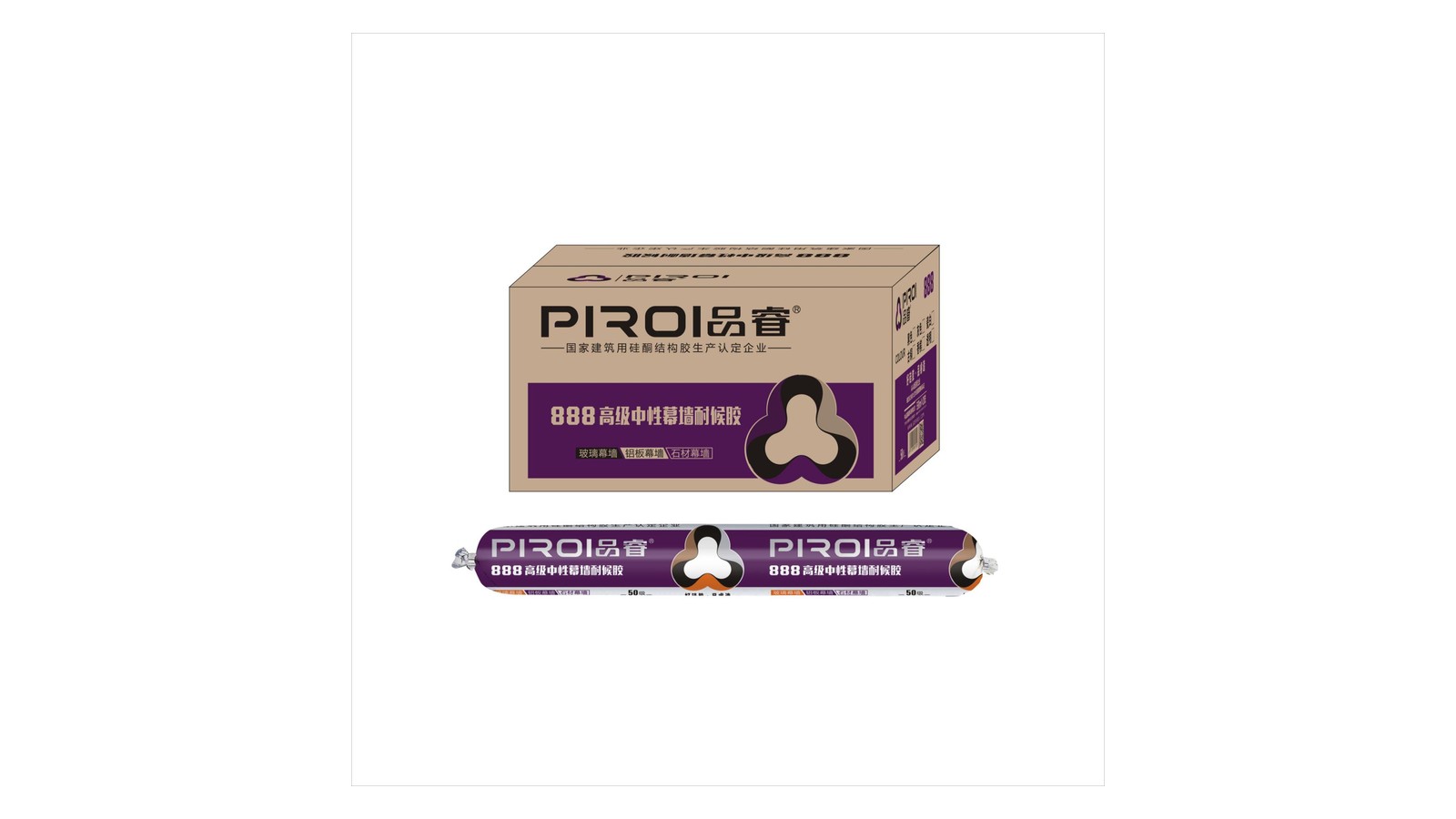
- 590 mL foil sausage — roughly double the volume of a cartridge in a pack that produces far less waste. Needs a sausage or bulk gun rather than a skeleton gun.
- 600 mL bulk drum — for automated lines and high-consumption static equipment.
- 25 kg drum — for dispensing systems that pump from bulk, typically on a production line rather than a site.
The decision comes down to four things
Work through these in order. The first two usually settle it.
- Project size. A single window reveal and a 40-storey facade do not want the same pack. Volume per pack sets how often someone has to stop and reload.
- Dispensing equipment. This is the constraint buyers most often overlook. A cartridge runs in a skeleton gun; a sausage needs a different gun; a drum needs a pump. If the equipment is not on site, the cheaper format is not cheaper.
- Cost per litre, not cost per pack. Compare formats on cost per litre of usable sealant, after allowing for the residual left in the pack.
- Waste and labour. Foil sausage packaging results in materially less residual waste than a rigid cartridge, and reload frequency affects labour hours across a large run.
Format comparison
| Format | Typical use | Dispensing equipment | Waste at end of pack | Best for |
|---|---|---|---|---|
| 300 mL cartridge | Site work, distribution, retail | Standard skeleton gun | Higher residual | Small to medium site jobs, distributor stock |
| 590 mL foil sausage | Contractors, larger runs | Sausage / bulk gun | Lower residual | High-consumption site work |
| 600 mL bulk drum | Automated lines | Dispensing pump | Lowest residual | Factory production lines |
| 25 kg drum | Bulk dispensing systems | Bulk pump system | Lowest residual | High-volume manufacturing |
If you are specifying for a project rather than a production line, the choice is normally between cartridge and sausage, and it turns on the gun your applicators already own.
Working out how much you need
Coverage is a volume calculation, not a guess. Consumption per metre equals joint width multiplied by joint depth in millimetres, which gives millilitres per metre.
- A 590 mL foil sausage therefore covers about 5.9 m of a 10 × 10 mm joint.
- Allow 5–10% extra for site conditions, waste and tooling losses.
- A 300 mL cartridge covers proportionally less, so a run that needs 100 m of 10 × 10 mm joint takes roughly 17 sausages or 34 cartridges.
Our joint width and coverage calculator does this from panel material, panel length and temperature range, and returns the metres one cartridge or sausage will cover. Use it before you order rather than after.
Private label, artwork and colour
Packaging is also where your brand sits. Private label printing, custom colour matching and custom cartridge artwork are all handled in-house at our Zhongshan factory, so the label, the colour of the sealant and the pack format are decided together rather than in three separate conversations.
Custom colour matching matters more than buyers expect on visible facade and sanitary work: a sealant that cures to a slightly different tone than the specified colour is a callback, not a cosmetic issue. Send the reference and we will match against it.
Container loading and pallet plans
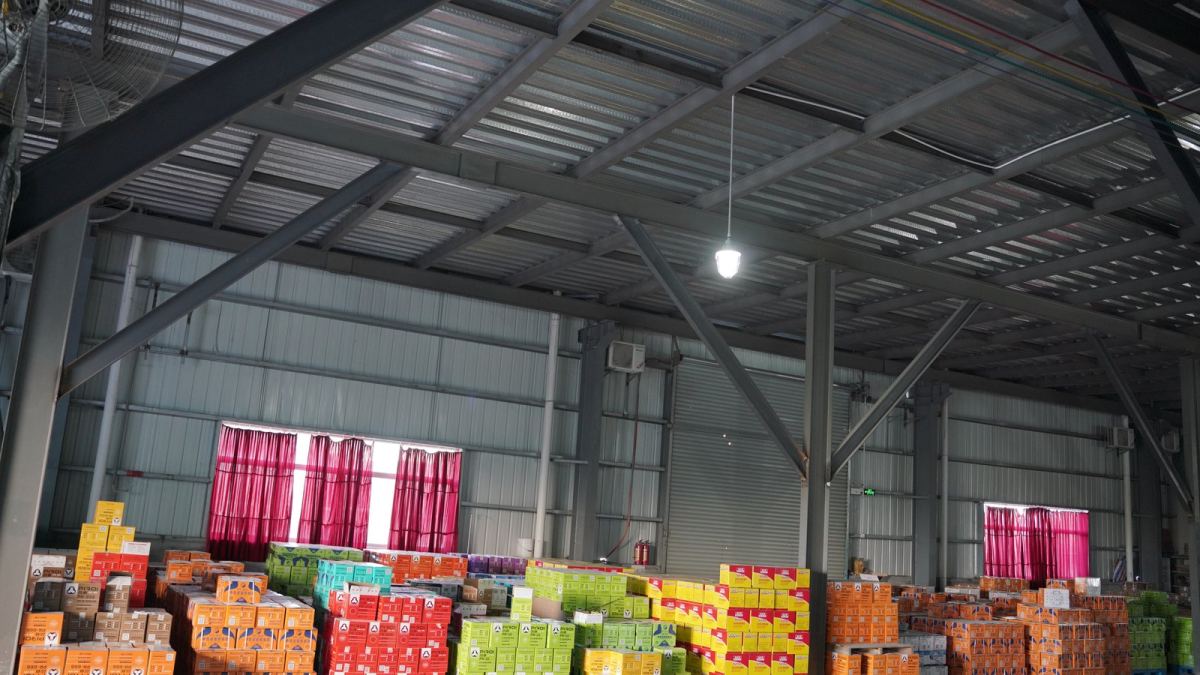
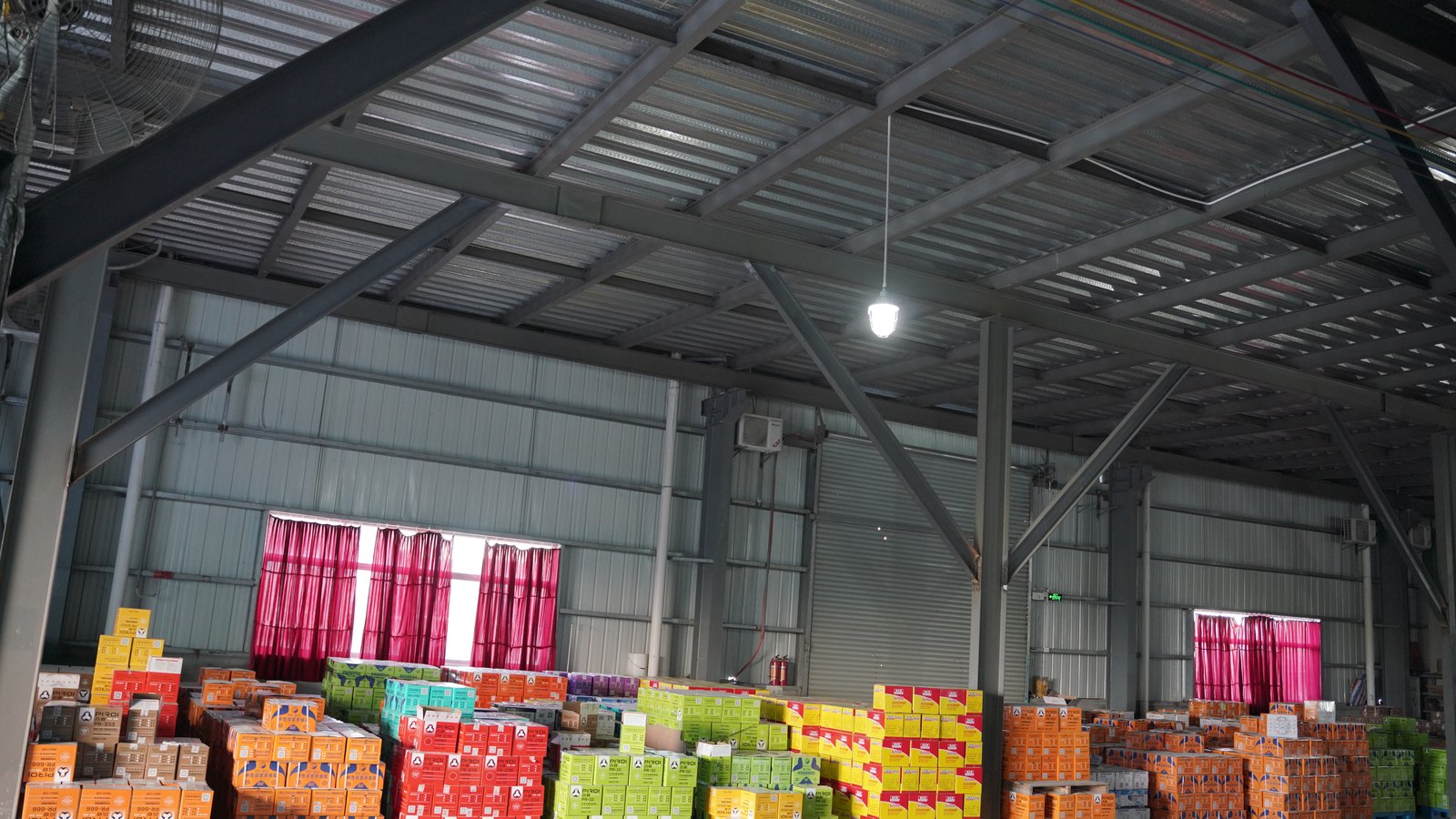
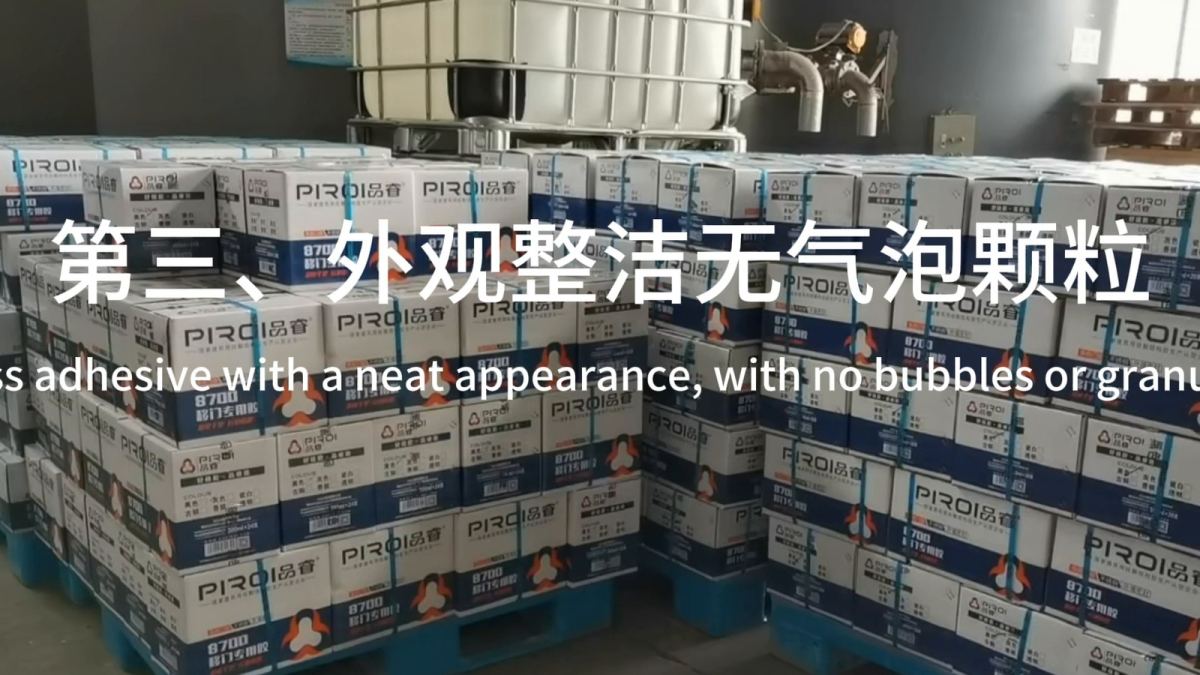
Pack format changes how a container fills, and therefore what you actually pay in freight per unit. Pallet configuration is planned for 20 ft and 40 ft containers against the format you order, so the loading plan is part of the quotation rather than an afterthought at the port.
Cartridge and 590 mL foil sausage lines run in parallel at our plant, which means a mixed-format order is filled on one schedule instead of being split across two production runs. Cartons, pallets and the full document set — FORM E, packing list, Certificate of Analysis and third-party test reports — are prepared to match the consignee requirements.
MOQ by format
- OEM and private label: standard MOQ is 1,000 pcs per model.
- Mixed-model trial orders: from 3,000 pcs in total, which is how most buyers test several formats or colours in one shipment.
- Stock items: standard full silicone sealant range can ship from 500 pcs.
- Lead time: typically 15–25 days after artwork and sample approval.
- Samples: 2 to 4 free sample cartridges or sausages, and a free substrate adhesion and staining test on your own sample.
We are a silicone sealant manufacturer rather than a trading intermediary, so the format and grade you approve at sampling is what ships. If you tell us the joint size, the run length and the gun your applicators use, we will recommend the format that costs least per metre rather than the one that is easiest to quote.
For project work, the format decision usually sits alongside the joint design itself. Our window and door sealing pages cover the joint geometry side, and the calculator returns the pack count from the same inputs.