Shelf life is one of the few specification points that changes the economics of an import order after the goods have landed. A container of silicone sealant that sits in a hot port yard for six weeks has a shorter usable window than the same container moved straight into a ventilated warehouse, and the difference is not recoverable.
This guide sets out how long our silicone sealant keeps, what storage actually does to that figure, and how importers should plan stock rotation.
Shelf life depends on the cure chemistry
There is no single shelf life for silicone sealant, because the two cure chemistries behave differently in the pack.
| Chemistry | Shelf life from date of manufacture | Typical positions |
|---|---|---|
| Neutral cure | 12 months | Architectural aluminium, concrete, stone, mirror, IGU secondary seal, structural glazing |
| Acetoxy (acid cure) | 9 months | Interior glass and glazing, sanitary work where no metal or concrete is present |
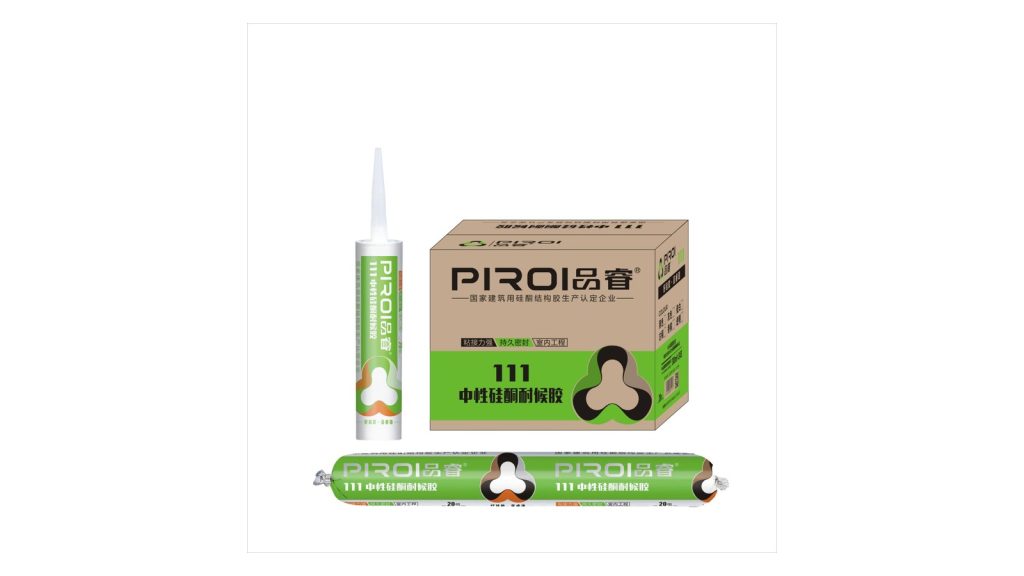
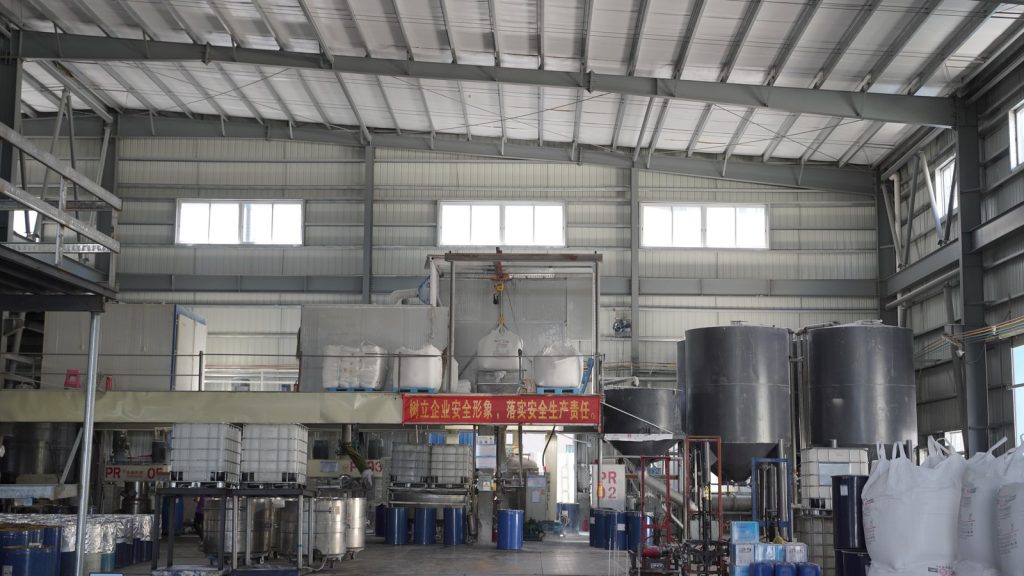
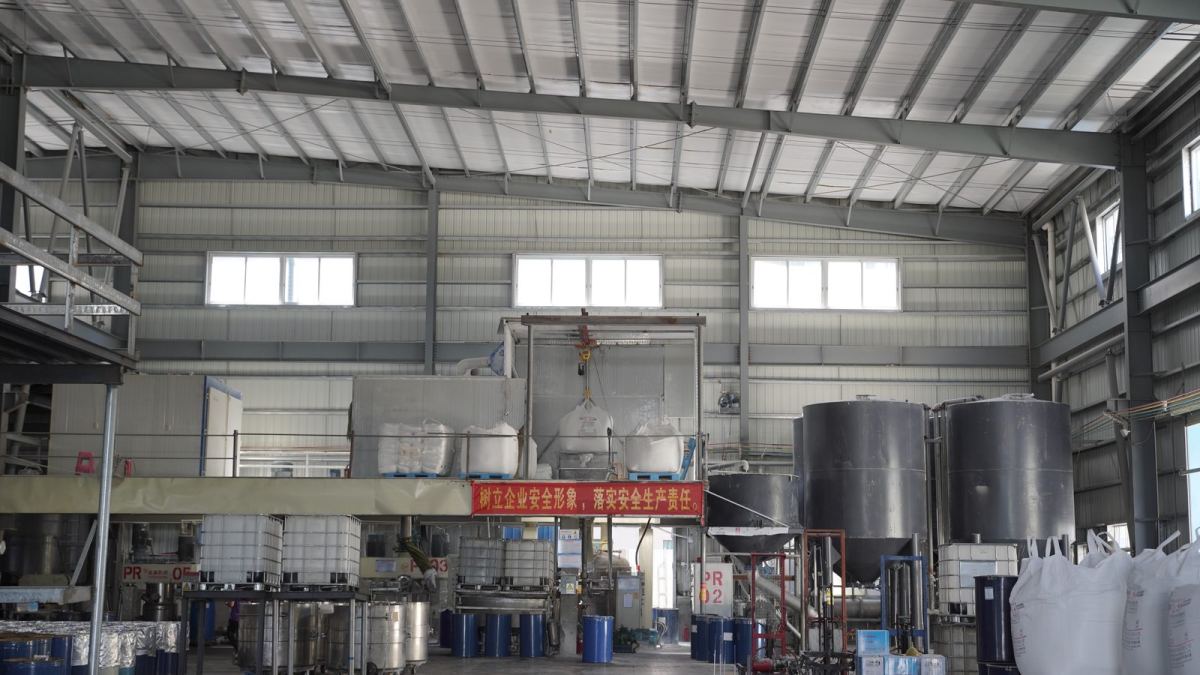
Neutral cure cartridges and sausages carry an official 12-month shelf life from the date of manufacture. Acetoxy formulations carry a 9-month shelf life. Both are filled on the same lines at our Zhongshan plant, so the difference is chemistry, not production quality.
Why acetoxy has the shorter window
Acetoxy sealants cure by releasing acetic acid as they crosslink, and that reaction is sensitive to moisture ingress through the pack over time. A cartridge that has taken on atmospheric moisture through the seal cures unevenly when it is finally used: the outer layer skins, the core stays soft, and the bead does not develop the properties the datasheet promises.
Neutral cure systems are less affected by that particular mechanism, which is why the same factory can offer 12 months on one chemistry and 9 months on the other. It is a property of the chemistry, not a difference in production quality. For the neutral cure range see our neutral weatherproof silicone sealant; the acetoxy fast cure grade is the 9-month case.
Storage conditions that actually matter
The shelf life figure assumes the pack has been stored properly. Four conditions do most of the work:
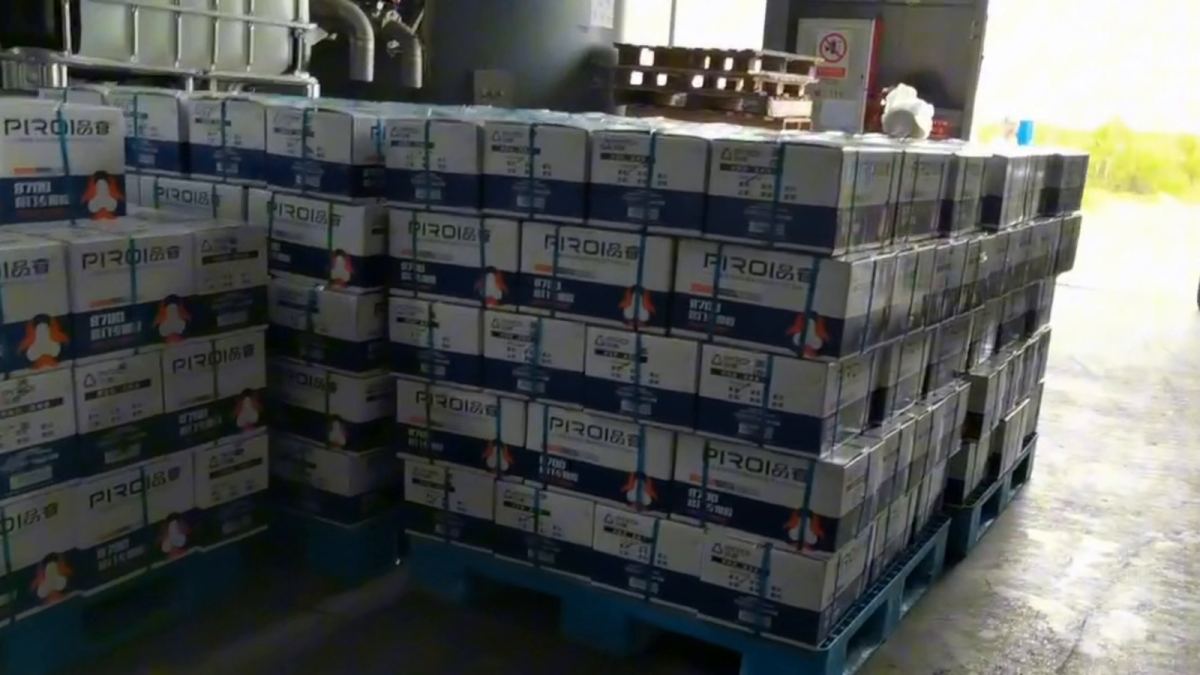
- Temperature. Store between 5°C and 27°C. Cartridges should be kept upright in a shaded, ventilated warehouse.
- Direct sun. Avoid prolonged storage under direct equatorial sun. This is the single most common cause of premature stiffening in tropical markets.
- Container heat. Do not leave stock in uninsulated metal shipping containers on site where internal temperatures exceed 32°C.
- Orientation and stacking. Keep cartridges upright so the seal stays above the product, and avoid stacking that crushes the cartridge shoulders.
None of these require special equipment. They require the warehouse to be a warehouse rather than a yard.
The container heat problem
An uninsulated steel container sitting in the sun will run well above ambient air temperature, and the interior of a stacked pallet can be hotter still. For an importer this is a predictable risk with a predictable fix:
- Move stock into covered storage as soon as it clears, rather than leaving it at the port or on site in the container.
- Where a project genuinely has to store on site, keep the stock off the ground, out of direct sun and under cover.
- Plan the order quantity against your realistic turnover rather than against the best freight rate. A larger order that sits for four months consumes shelf life you have already paid for.
What happens after the shelf life date
We do not certify product beyond its stated shelf life, and we do not recommend using it on a warranted joint. What you can do is establish whether a specific pack is still serviceable:
- Extrusion check. A pack past its window usually becomes noticeably harder to extrude before it fails in any other way. Compare against a fresh pack from the same model.
- Skin and lump check. Cut the pack open and look for partial cure, gel particles or a thickened skin.
- Cure test. Gun a bead onto the actual substrate and leave it the full cure time. If it does not develop a rubbery, elastic skin and bond to the surface, do not use the batch on the project.
- Never use aged stock on a structural or load-bearing joint, whatever the test result.
For anything other than non-critical work, treat the expiry date as the end of the warranted window and plan accordingly.
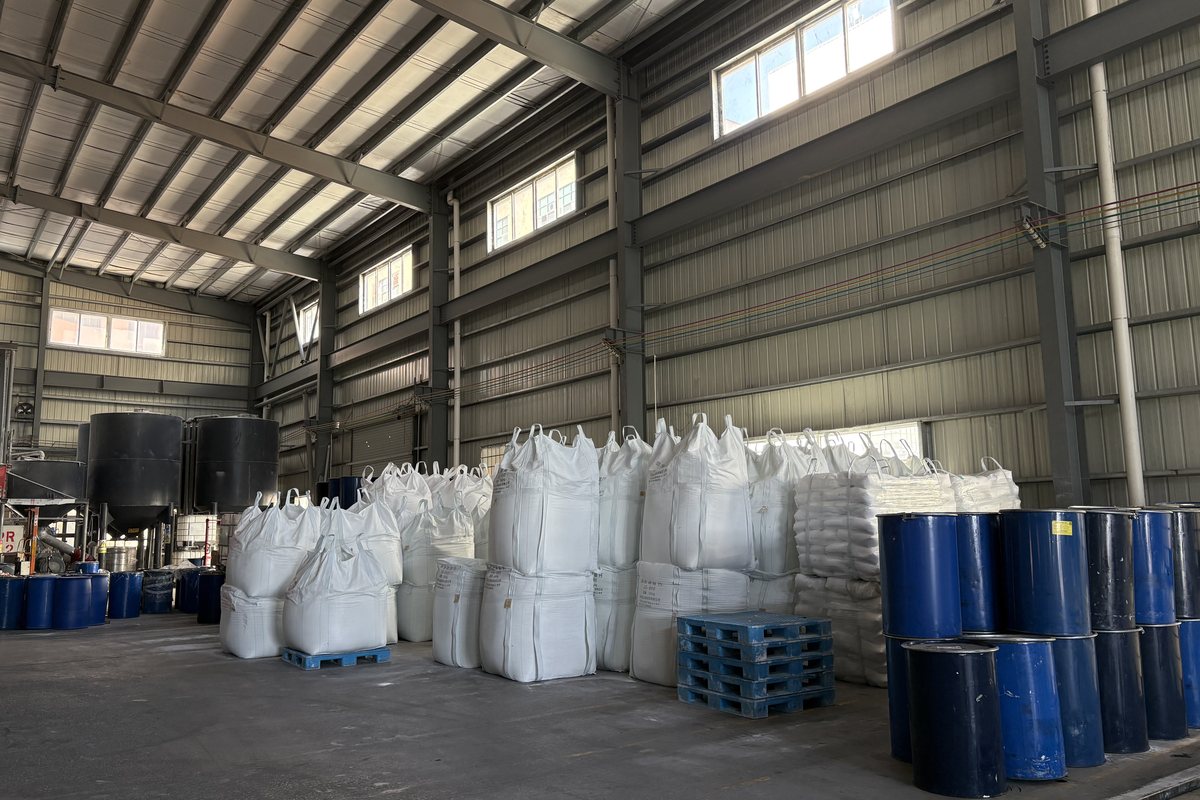
Batch coding, COA and traceability
Shelf life is only manageable if you can tell one batch from another, so every production batch is coded, tested and archived for 18 months with its own Certificate of Analysis. We can trace any cartridge back to its raw material lot.
That matters for importers in two practical ways. First, it lets you rotate stock by production date rather than by delivery date. Second, if a joint does fail, the batch code tells you whether the problem is confined to one production run or affects a wider range — which decides whether you are dealing with a single site issue or a recall conversation. Full batch records and third-party CNAS / CMA accredited laboratory reports are available with the order.
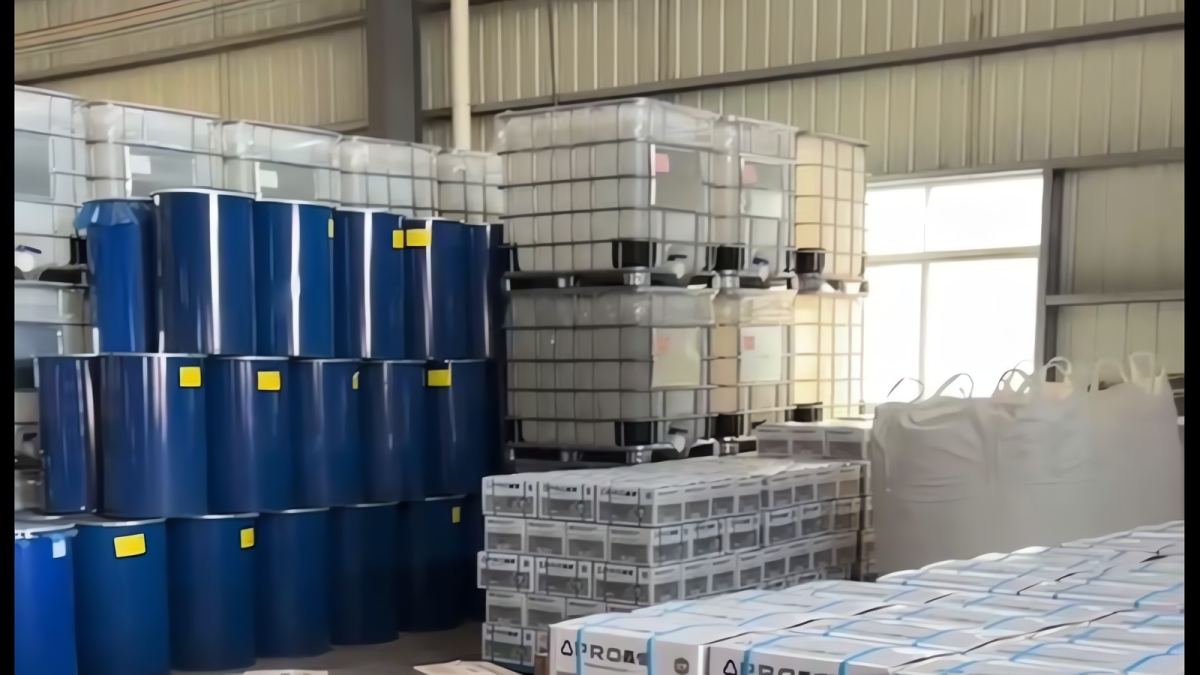
Planning stock rotation
Once shelf life is a known number rather than an assumption, rotation becomes arithmetic:
- Rotate first in, first out by production date, not by arrival date. Two shipments landing a month apart can carry production dates in the opposite order.
- Match order quantity to turnover. If your market consumes a container in eight weeks, a 12-month shelf life is comfortable. If it takes five months, the same order leaves very little margin.
- Ask for the production date on the proforma, and require it on the packing list so your warehouse can sort on arrival.
- Treat acetoxy stock as the priority to move when you carry both chemistries, because its window is three months shorter.
Ordering silicone sealant with shelf life in mind
- MOQ: OEM and private label from 1,000 pcs per model; mixed-model trial orders from 3,000 pcs total; stock items from 500 pcs.
- Lead time: typically 15–25 days after artwork and sample approval, plus sea freight of 7–15 days from Shenzhen and Nansha to Southeast Asian ports.
- Samples: 2 to 4 free sample cartridges or sausages, with a free substrate adhesion and staining test on your own sample.
- Documentation: Certificate of Analysis per batch, FORM E, packing list and third-party test reports.
- Stock items: standard full silicone sealant range from 500 pcs, which is the usual route for importers testing rotation on a single fast-moving model.
If you tell us your expected monthly turnover and the climate the stock will sit in, we will advise on order size and on which chemistry fits your rotation. Buying the volume that earns the best freight rate is only the right decision if you can move it inside the shelf life.