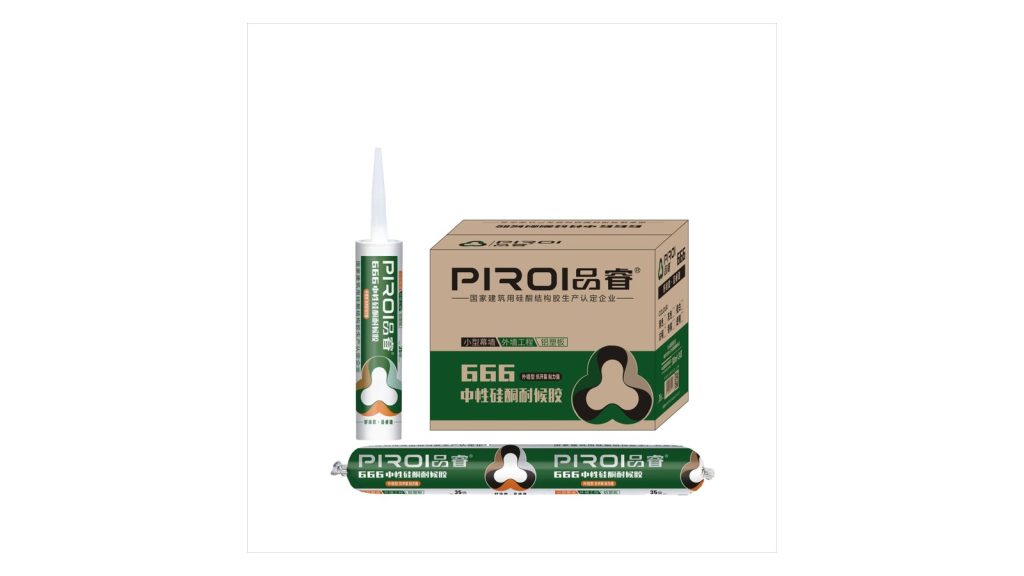
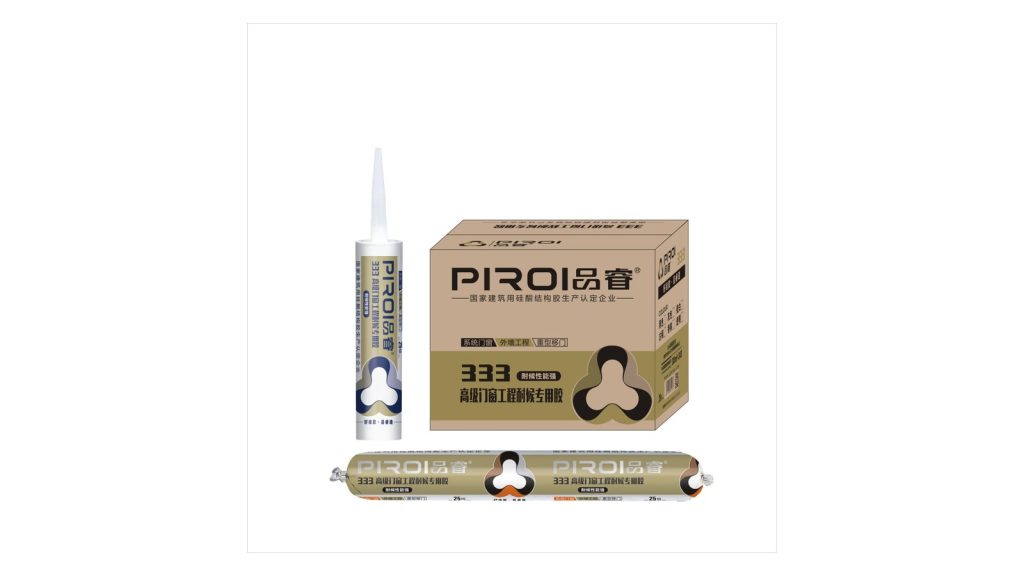
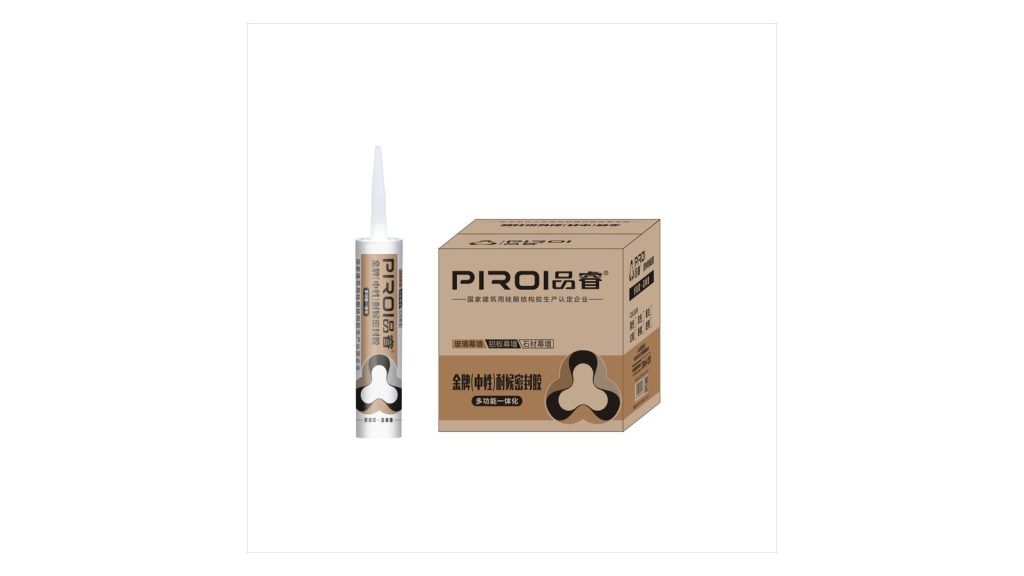
Mastic is not a chemistry — it is a trade word for any thick, paste-like jointing compound. Silicone sealant is one specific chemistry that happens to be sold as a mastic. That distinction matters because “mastic” on a purchase order can be filled with acrylic, polyurethane, butyl or silicone, and those four behave very differently once the joint is exposed to weather. If the joint is external and moving, the term you want on the specification is silicone sealant, followed by the standard it was tested to.
What “mastic” actually covers
The word reaches back to mastiche, the resin chewed as gum, and in construction it kept the sense of “a thick spreadable paste”. Suppliers use it for sealants, adhesives, tile bedding and even flooring compounds. Nothing in the word tells you the polymer inside.
- Acrylic mastic — water-based, shrinks on cure, paintable, cheap. Interior trim and gaps.
- Butyl mastic — solvent or non-curing, permanently tacky, low movement. Roof flashing laps and vapour seams.
- Polyurethane mastic — moisture-curing, tough and abrasion-resistant. Concrete joints and traffic areas.
- Silicone mastic (silicone sealant) — moisture-curing siloxane, high movement, UV and temperature stable. Exposed facade, glazing and sanitary joints.
So the honest answer to “what is the difference between mastic and silicone sealant” is that they sit at different levels: mastic is the shelf, silicone sealant is one of the products on it.
Where silicone sealant sits in that family
Silicone sealants cure by reacting with atmospheric moisture rather than by drying, so they do not shrink into the joint the way a water-based acrylic mastic does. The cured siloxane network stays elastic across a wide temperature band, which is why the same cartridge can be specified on a facade that swings from below freezing to summer sun.
Within silicone there are two cure systems you will meet on a specification: acetoxy (releases acetic acid, faster on glass, never on bare aluminium, concrete or mirror backing) and neutral (alkoxy or oxime, non-corrosive, the default for building substrates). The curing chemistry is a separate question from the mastic-versus-silicone one, and we cover it in our neutral vs acetoxy guide.
How the chemistry changes joint behaviour
These are typical property envelopes by chemistry family, not values for a specific product — always read the actual test report for the grade you are buying.
| Property | Silicone sealant | Acrylic mastic | Polyurethane mastic | Butyl mastic |
|---|---|---|---|---|
| Movement capability | High (±25–50%) | Low (±10%) | Medium to high | Low |
| UV / weather resistance | Excellent, does not chalk away | Poor outdoors | Good, may need coating | Fair, softens in heat |
| Paintable | Usually not | Yes | Yes | Usually not |
| Cure mechanism | Moisture reaction | Water evaporation | Moisture reaction | Solvent loss or non-curing |
| Typical joint | Exposed facade, glazing, sanitary | Interior trim and gaps | Concrete, traffic areas | Flashing laps, vapour seams |
The failure pattern follows the table. An acrylic mastic used on an exposed moving joint dries, shrinks and cracks; that is not a bad product, it is the wrong shelf. A butyl mastic pressed into a joint that needs ±25% movement will simply not hold the movement. Specifying by chemistry rather than by the word “mastic” is what stops that mismatch before the container ships.
Which term belongs on a purchase order
The practical rule we give buyers is to write the chemistry first and the standard second:
- Say the chemistry — “neutral cure silicone sealant”, not “mastic”.
- Name the standard it must pass — GB 16776 for structural, GB/T 14683 for building sealants, JC/T 885 for mould resistance, GB/T 24267 for fire retardancy.
- State the movement and the joint — width, depth and expected movement decide the grade more than the colour does.
- State the climate — tropical humidity and monsoon UV push formulation choices in ways a temperate datasheet does not show.
Written that way, the quotation you get back is comparable between suppliers, and a cheaper offer is visibly cheaper because of something specific rather than because a different polymer arrived.
Where our range fits
We manufacture silicone sealant — the silicone branch of the mastic family — and nothing else. 17 models across four series, produced in our own factory in Zhongshan: a 20,000 m² site with eight automated filling lines and an in-house laboratory.
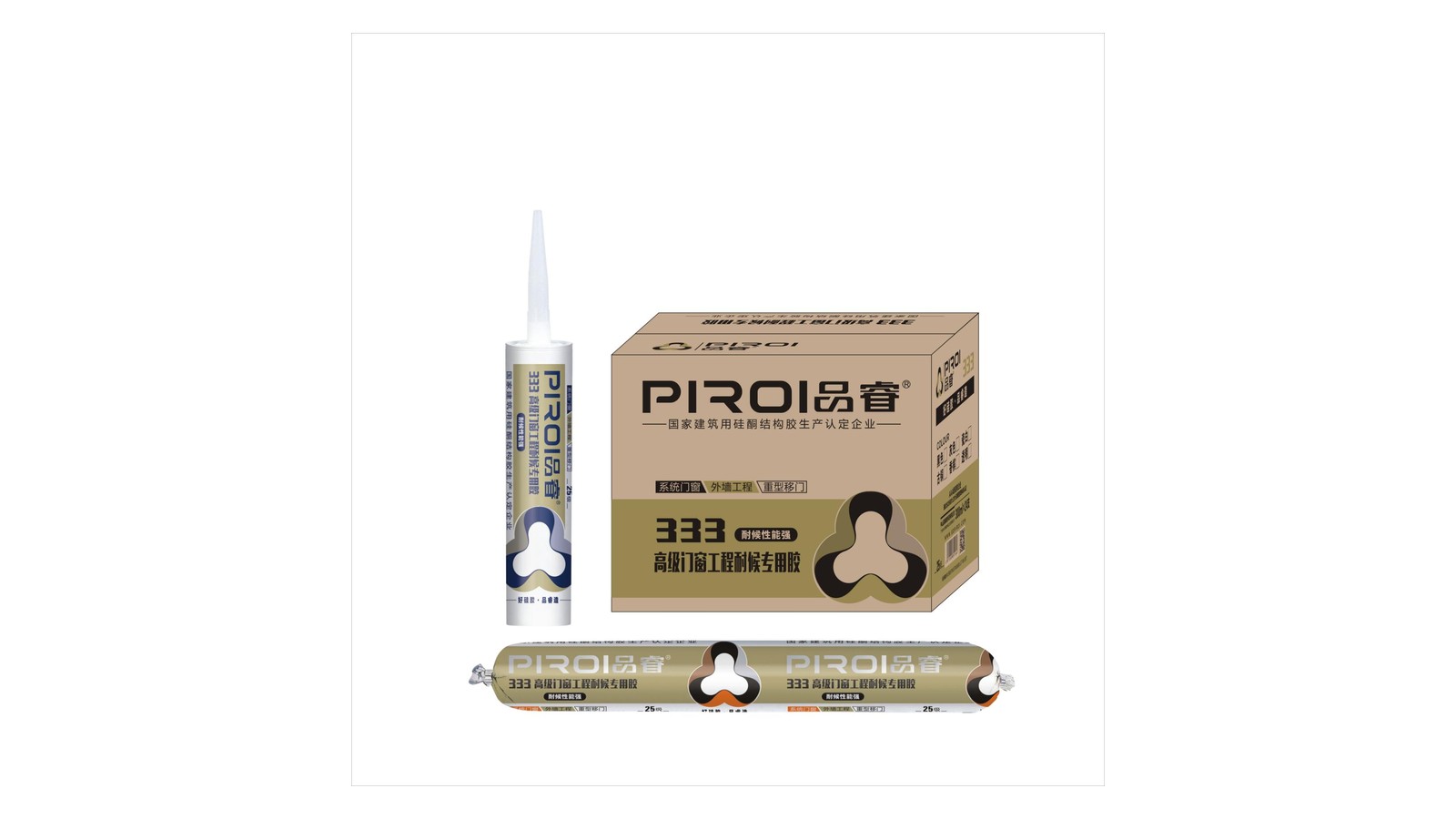
Structural work is covered by PR-999, tested to GB 16776-2025 with a CTC Suzhou report. Weatherproof facades and window lines use PR-333, PR-666, PR-888, PR-638 and PR-520 to GB/T 14683-2017. Fire-rated joints use PR-238, classified SR FV-0 (3.0 mm) 7.5P to GB/T 24267-2009. Mould-resistant sanitary joints use PR-218 to JC/T 885-2016 Grade 0. The full property table for all 17 models is on our specifications page.
What to send us for a quotation
- MOQ — 1,000 pcs per model for cartridges; mixed-model trial orders from 3,000 pcs total; 500 pcs for stock items.
- Lead time — 12 to 15 days for 20 ft / 40 ft container contracts.
- Samples — 2 to 4 free cartridges or sausages for qualified buyers, courier cost credited against the first order.
- OEM and private label — your artwork, colour, barcode and language printed in-house, from 1,000 pcs per model.
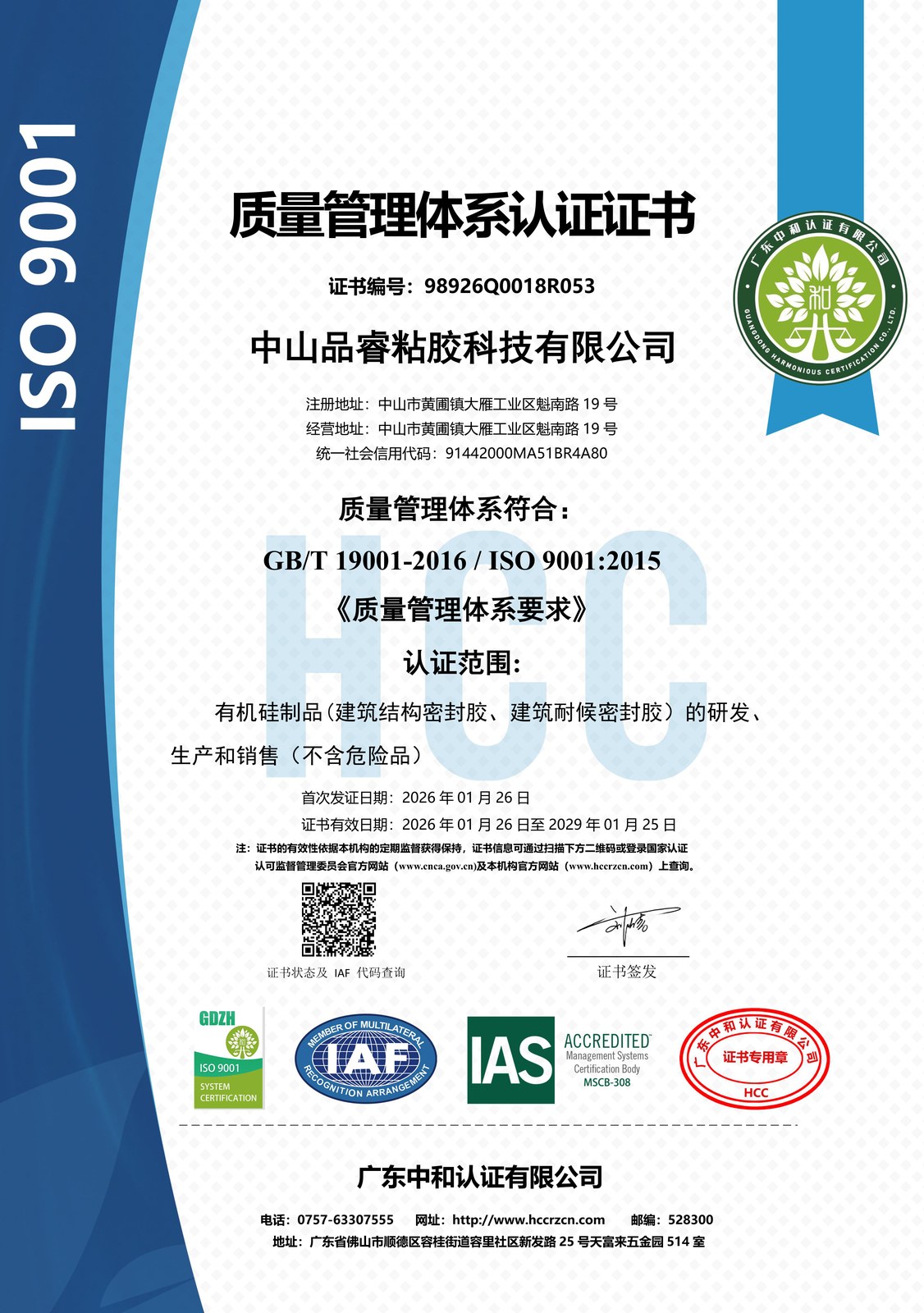
- Documents — CNAS/CMA test reports, ISO 9001, RoHS and REACH statements, FORM E for ASEAN duty treatment, non-hazardous cargo declaration.
Send the joint detail, the substrate and the destination market, and our engineering team will confirm which of the 17 grades fits before you commit to a container.
Frequently asked questions
Is silicone sealant a type of mastic?
Yes. Mastic is a trade term for a thick paste-like jointing compound, and silicone sealant is one chemistry sold in that form. The word mastic does not specify which polymer is inside, which is why it is a weak term to put on a specification.
Can I use acrylic mastic instead of silicone sealant outdoors?
Acrylic mastic is water-based and shrinks as it dries, with limited movement capability, so it does not hold an exposed moving joint in the way a silicone sealant does. It is well suited to interior trim and static gaps. For exposed facade joints, specify a silicone grade and the standard it must meet.
Do you supply non-silicone mastics such as acrylic or polyurethane?
No. Our production is silicone sealant only — 17 models across four series. We would rather say that plainly than quote a chemistry we do not run on our own lines.
Does a higher modulus mean a better silicone sealant?
No. Modulus describes how much stress the cured sealant carries at a given extension, not quality. Structural glazing needs a high-modulus grade, while joints that must absorb movement between dissimilar materials usually call for a lower-modulus grade. Our specifications page lists the tensile modulus measured for each of the 17 models.
What is the minimum order for a private label silicone sealant?
1,000 pcs per model for cartridge products, with mixed-model trial orders from 3,000 pcs total. Cartridge artwork, colour matching and multi-language labelling are handled in-house.