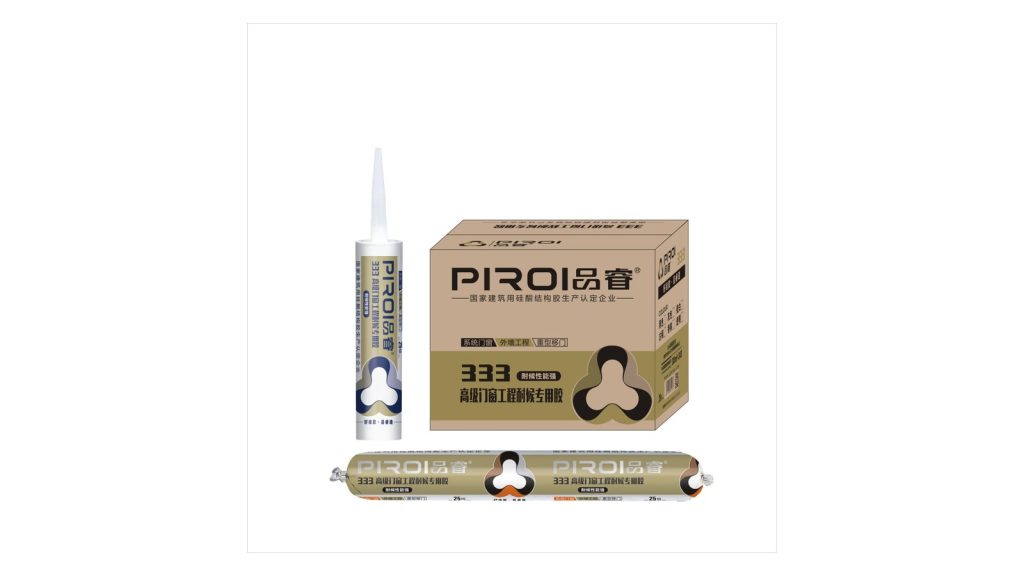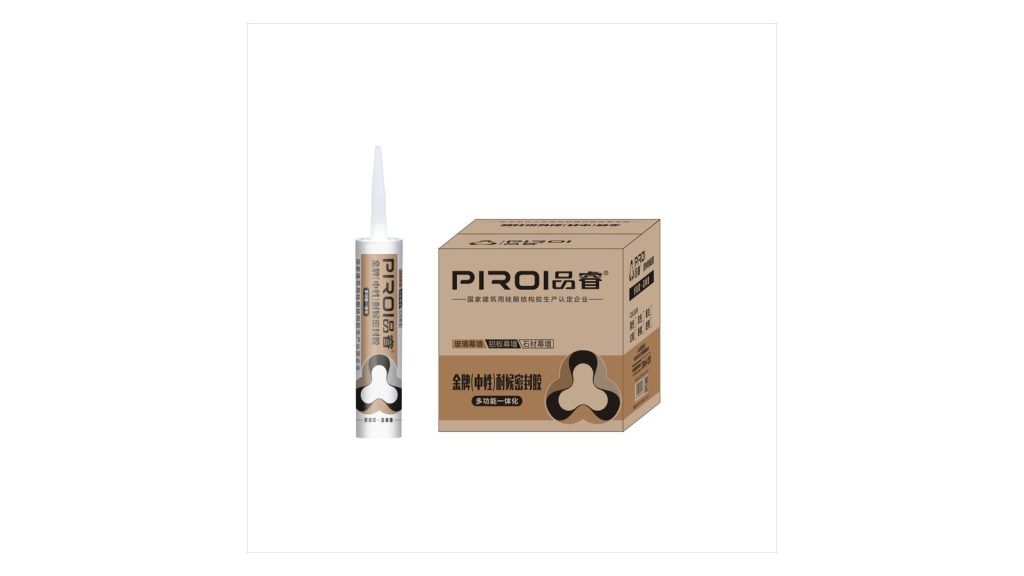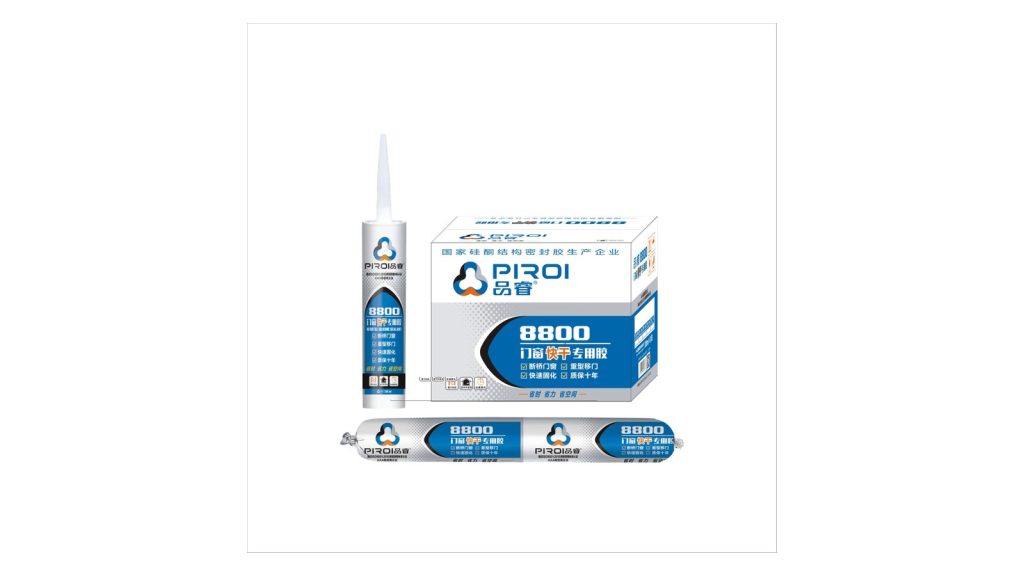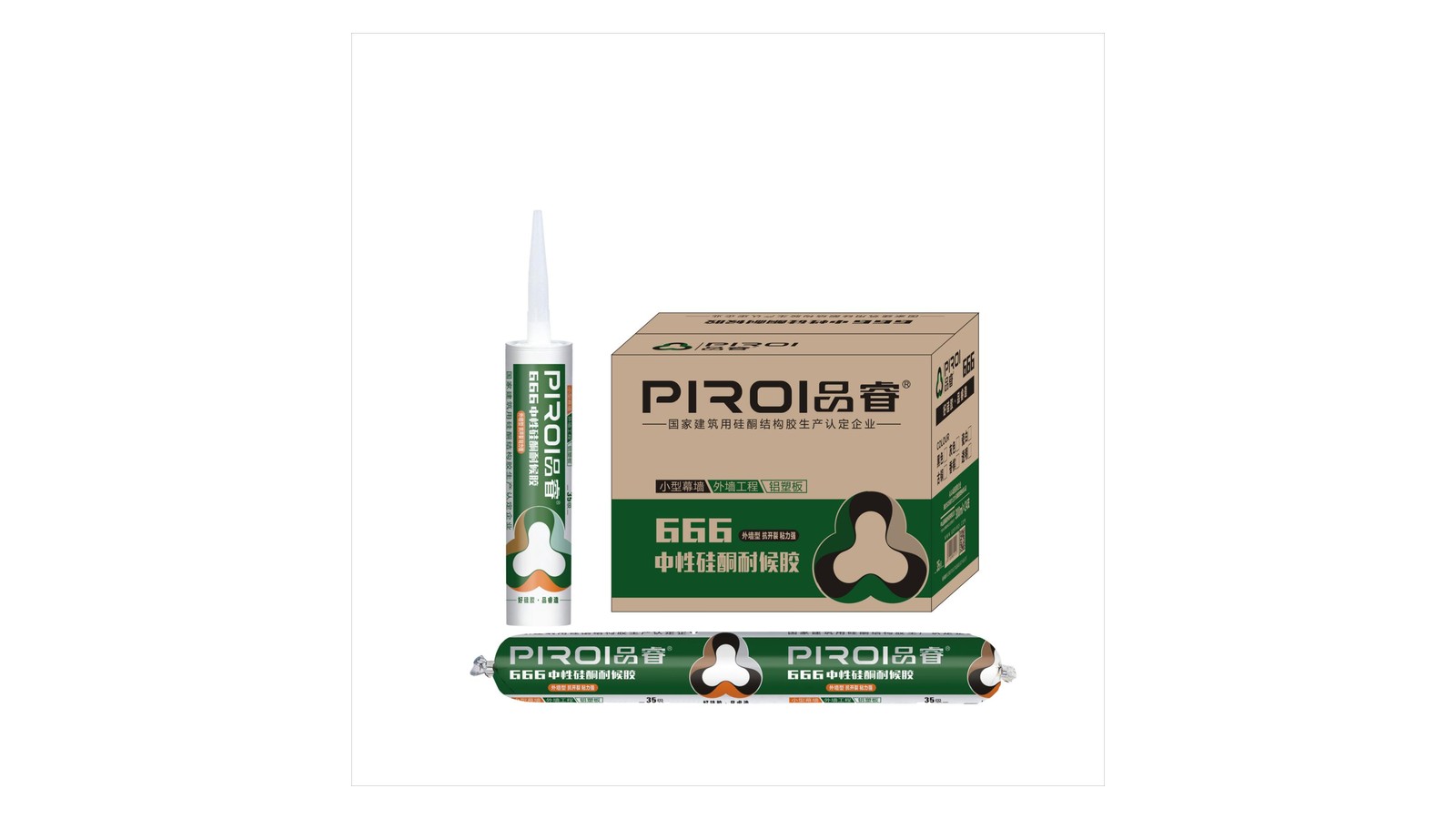
Two neutral cure weatherproof silicone sealants, both available in 300 mL cartridges and 590 mL sausages, both non-hazardous for transport, both with a 12-month shelf life — and they are specified to different Chinese standards, which is why a buyer who treats them as interchangeable will eventually get a product that fails on one of three measurable parameters.
The short version of PR-333 vs PR-666: PR-333 is the door and window grade, tested to JC/T 485-2007. PR-666 is the general neutral weatherproof grade, tested to GB/T 14683-2017. On paper they look similar. In the test data they are not: extrusion rate, tensile modulus and elastic recovery all separate them, and each of those three numbers decides a different joint.
- PR-333 is the window and door sealant — JC/T 485-2007, 92% elastic recovery, 0.7 MPa tensile modulus, 210 mL/min extrusion.
- PR-666 is the general neutral weatherproof sealant — GB/T 14683-2017, 516 mL/min extrusion, 0.6 MPa tensile modulus, no failure at maintained extension.
- Both are neutral cure, so neither will etch anodised aluminium, coated profiles or mirror backing.
- Both ship as non-hazardous goods with a 12-month shelf life and the same two packaging formats.
- The difference is not the chemistry — it is the standard, the movement class and how fast the line has to run.
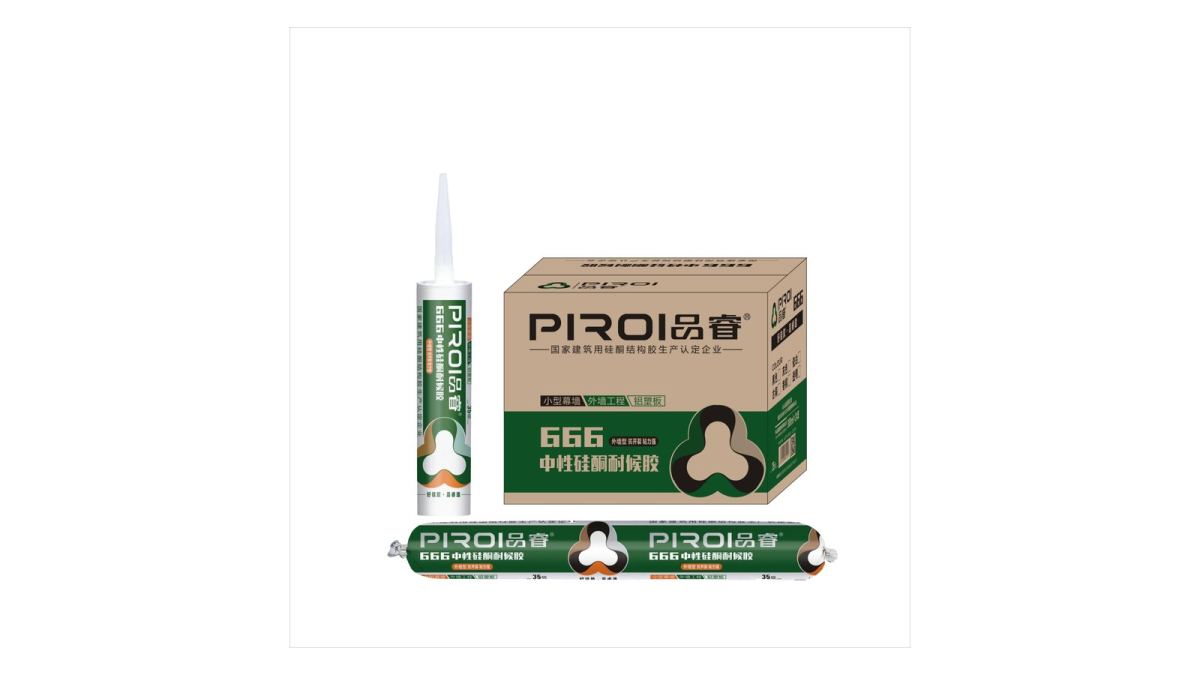
PR-333 vs PR-666: the differences
| PR-333 | PR-666 | |
|---|---|---|
| Product standard | JC/T 485-2007 | GB/T 14683-2017 |
| Cure system | Neutral Cure | Neutral Cure |
| Intended position | Window and door perimeter, factory fabrication | Curtain wall and general construction joints |
| Elastic recovery rate | 92% | Not stated on the datasheet |
| Tensile modulus | 0.7 MPa | 0.6 MPa (>0.4 / >0.6) |
| Extrusion rate | 210 mL/min (min 50) | 516 mL/min (min 150) |
| Tack-free time | 1.2 h (max 72) | 1.2 h (max 3) |
| Sag resistance (vertical) | 0 mm (max 2) | 0 mm (max 3) |
| Sag resistance (horizontal) | 0 mm (max 2) | Not stated on the datasheet |
| Density | 1.56 g/cm³ | Available on request |
| Adhesion at maintained extension | Not stated on the datasheet | No failure |
| Packaging | 300 mL cartridge, 590 mL sausage | 300 mL cartridge, 590 mL sausage |
| Shelf life | 12 months from production date | 12 months from production date |
| Transport class | Non-hazardous goods | Non-hazardous goods |
Values are typical figures taken from our own test reports for Zhongshan Pinrui Adhesive Technology. They are not intended for specification purposes; ask for the sealed, un-redacted report for project submittal.
Where the joint decides it
Window and door perimeter joints: PR-333
A window or door joint moves more than a facade joint, because the frame and the surrounding wall expand at different rates and the opening is repeatedly cycled. That is where the 92% elastic recovery rate on PR-333 matters: the bead returns to its original shape instead of taking a permanent set, so the joint keeps closing over years of movement rather than opening up into a gap that lets water through. PR-333 is also the grade we specify for factory fabrication lines, where the same 1.2-hour tack-free time and 0 mm vertical and horizontal sag keep the joint geometry predictable on the line.
Curtain wall and general construction: PR-666
PR-666 is the grade to specify for curtain wall weatherproofing and general construction joints. The number that separates it on a production line is extrusion rate — 516 mL/min against 210 mL/min, more than twice the output. On a continuous facade or a high-volume window line, that difference shows up as takt time rather than as a bead quality difference. Its 0.6 MPa tensile modulus sits in a lower band than PR-333, and the maintained extension result is no failure, which is the figure to ask for when the joint is expected to flex repeatedly.
When either one will do
If the joint is a non-structural weather seal in a controlled interior or a sheltered exterior joint where movement is small, the practical differences narrow to output speed and which test report your client accepts. In that case the decision is commercial: MOQ, packaging format and lead time.
Why the standard matters commercially
JC/T 485-2007 and GB/T 14683-2017 are not interchangeable labels. They belong to different scopes and test differently, so a specification that names one and receives the other is not a near miss — it is a document mismatch. If your project specification cites a standard, send us the standard number and we will confirm which of our grades is tested to it, rather than sending whichever grade is on the line that week.
How to specify PR-333 vs PR-666 in one line
Ask for the grade by its standard and its position in the assembly, not by its generic name. “Neutral cure weatherproof silicone sealant” describes sixteen models we make and settles nothing. “JC/T 485-2007, 92% elastic recovery, for window and door perimeter joints” tells any supplier what to send. If the specification is a window or door joint that will be cycled, that is PR-333 and its silicone sealant must carry the elastic recovery figure. If it is a curtain wall or general construction joint on a line that has to run fast, that is PR-666, and the figure that matters is extrusion rate.
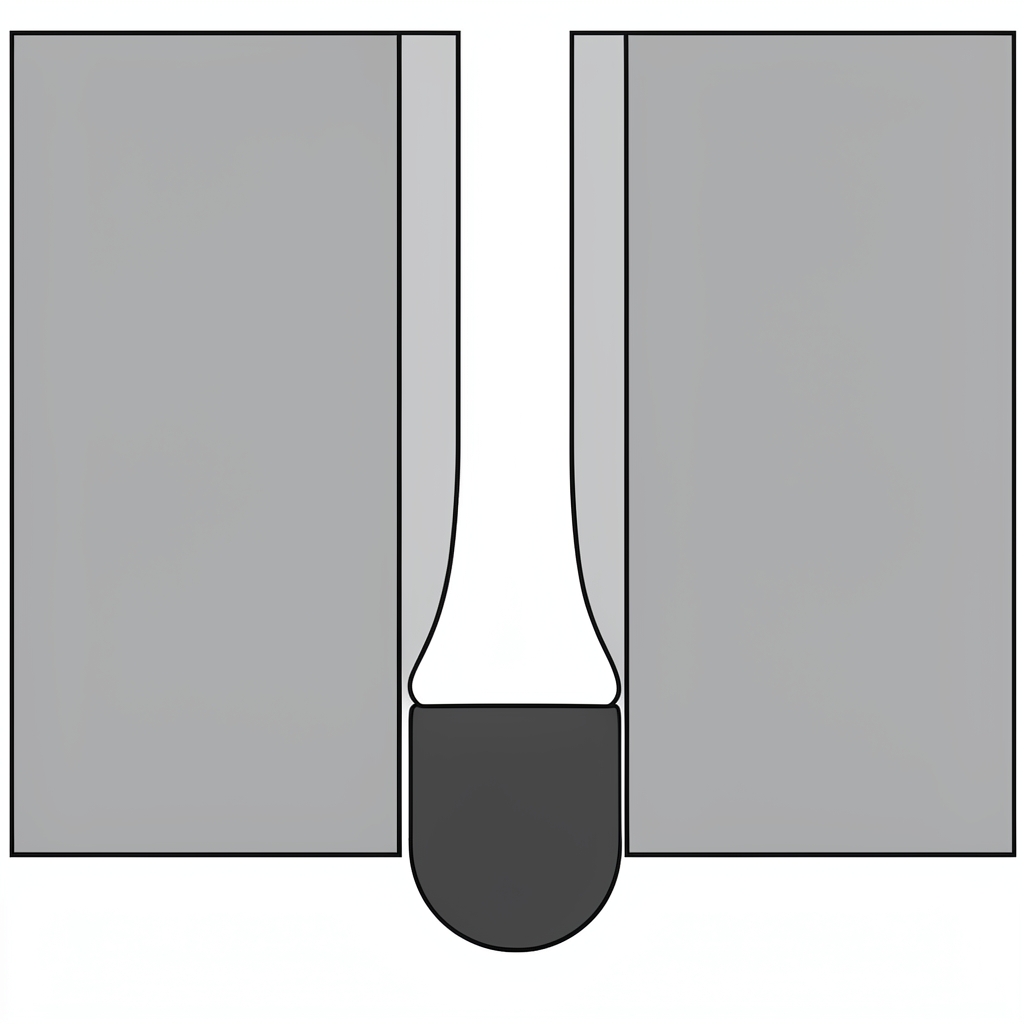
PIROI manufactures both grades in Zhongshan, China. The PR-333 window and door sealant and the PR-666 neutral weatherproof silicone sealant are both available in 300 mL cartridges and 590 mL sausage packs, with OEM and private label packing, mixed-model trial orders from 3,000 pcs, stock from 500 pcs and lead time of 15–25 days after artwork and sample approval. The window and door sealing application page covers joint preparation and sizing for the PR-333 position, and our certifications and test reports are available on request. Send us your joint detail and the standard your specification names, and we will confirm the grade and supply samples.